

In 2026, verbal identity matters even more because many first impressions happen outside your owned channels. People may meet your brand through AI-generated search overviews, chatbot interactions, in-product assistants, or short snippets on social platforms, long before they ever reach your website.
That makes your verbal identity less about “writing nice copy” and more about building a system that stays consistent across humans, tools, and automation.
In this article, we’ll explore why your verbal identity matters and how to develop one that captures the essence of your brand with clarity and purpose.
What Is Verbal Identity
Verbal identity is the strategic use of language, tone, and messaging that together shape how a brand expresses itself. A critical component of this is 'brand language,' which defines a brand's personality through unique phrases and communication styles.
It reflects the brand’s values, character, and vision, establishing a memorable and recognizable voice that engages audiences. This identity is crafted through carefully chosen words, phrases, and stylistic elements that reflect a cohesive and authentic representation of the brand.
Brand Identity Graphic
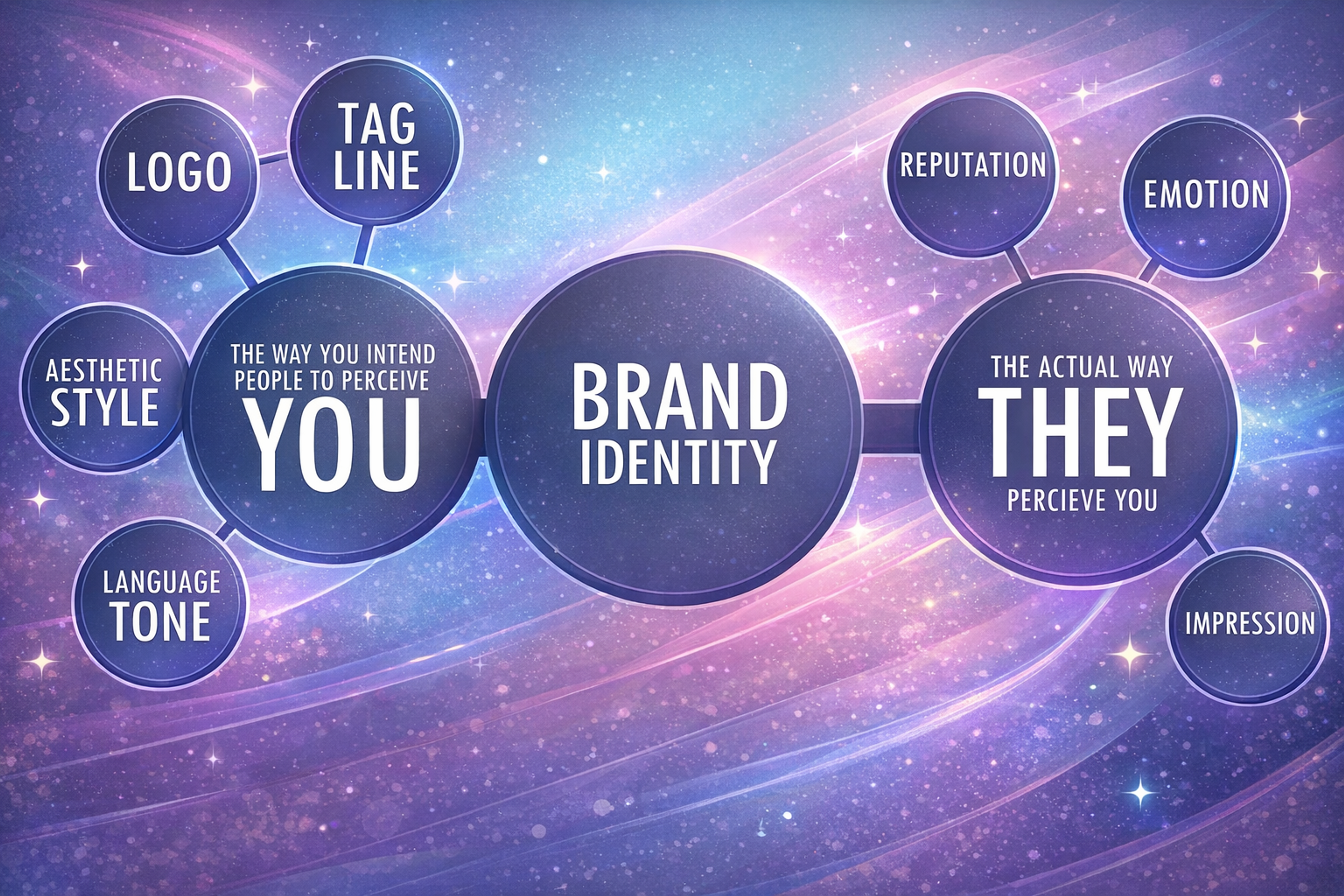
It plays a vital role in how customers perceive and interact with the brand, influencing their emotions and experiences. In essence, a well-defined verbal identity serves as the backbone of a brand’s communication strategy, ensuring clarity and consistency across all forms of outreach, whether written, spoken, or visual.
Why You Need a Verbal Identity
In a world where brands are constantly shouting for attention, your voice is the one thing that can truly set you apart. Think about it — how often do we remember brands because of their story or the way they make us feel?
A strong verbal identity doesn’t just help you stand out — it makes your audience feel like they’re part of something bigger, something that speaks to their values and emotions.
It’s about building trust and connection, so every interaction feels personal, not just transactional. When your words resonate, your audience listens—and they remember.
Moreover, verbal identity enhances trust and credibility as part of a cohesive brand strategy, creating an image with the said audience through the same theme every branding season.
This trust increases brand loyalty as customers become attached to the brand and always opt for it in case other competing brands exist. Also, a clear verbal identity facilitates the telling of stories, which makes it easier for brands to engage emotions from their audience.
Brand Strategy by Clay

Unifying your messaging as to what your brand stands for and how its character is extended to a coherent model that appeals to the consumers, thereby enhancing their engagement with the brand over a prolonged period.
How Verbal Identity Differs from Visual Identity
Verbal identity is how a brand communicates through words, tone, and messaging. It shapes how the brand sounds across channels and helps people recognize, remember, and connect with it.
While visual identity attracts attention, verbal identity builds trust and relationships.
A clear verbal identity keeps communication consistent across marketing, social media, and customer interactions, reinforcing the brand’s personality and values.
Brand Personality by Clay
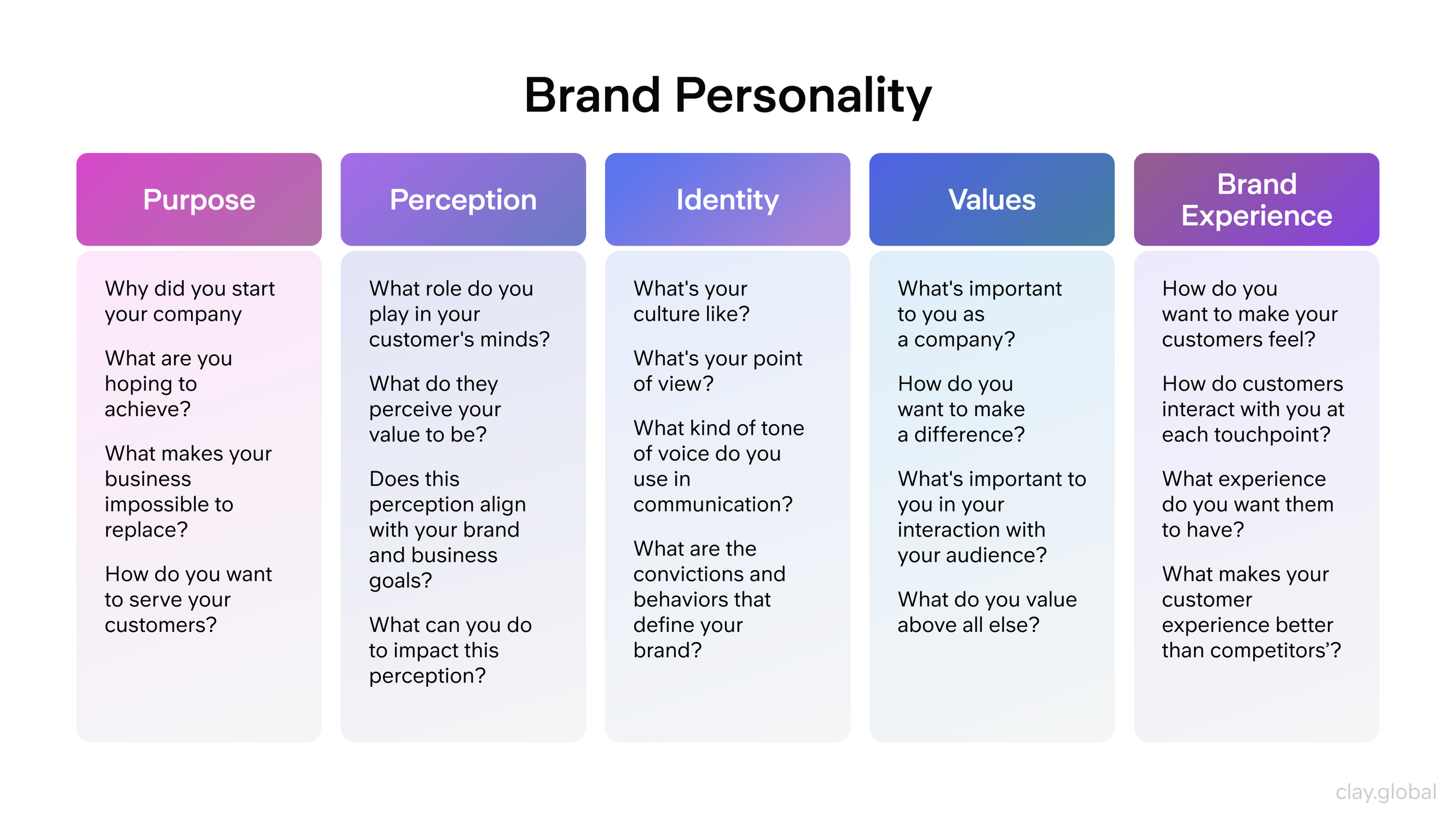
Components of Verbal Identity
Several critical components combine efforts in the creation of verbal identity. Integrating verbal identity with other brand elements, such as visual design components like color and imagery, is essential to create a cohesive brand experience.
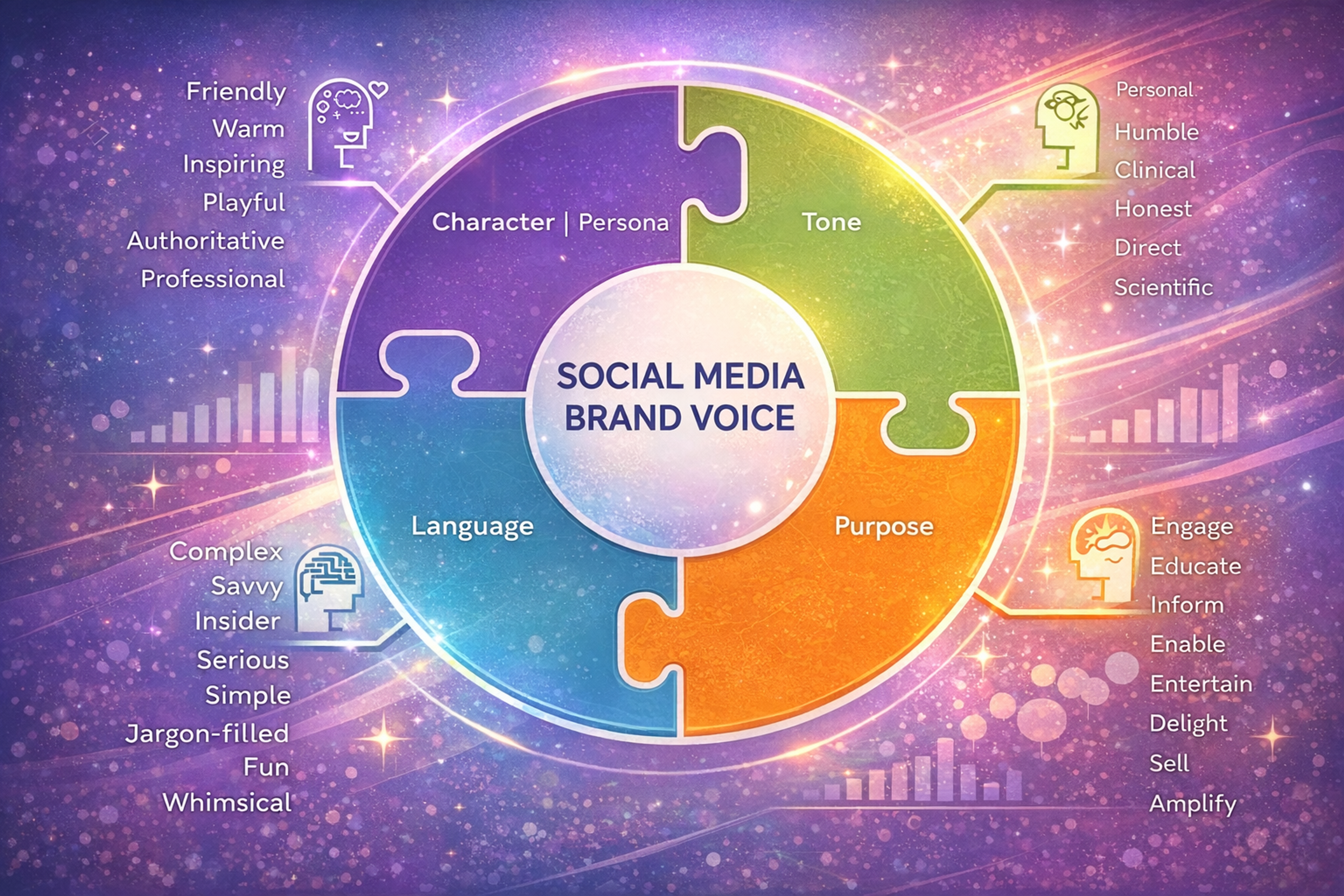
Brand Voice
The brand tone asserts the brand’s character and informs the outlook of the statement. From the emergence of social media, it has been learned that customers have a spectrum from formal to casual, playful to sober voice. And so it’s important to adhere to the following criteria for the audience. Once a tone is appropriately set, it aids the building of consumer relationships.
Social Media and Brand Voice
Key Messages
Key messages, or brand messages, are concisely stated ideas explaining the central points a brand wishes to communicate. The examined messages embody the brand’s mission and value propositions in such a manner as to remove any doubts regarding the meaning of the brand.
Taglines and Slogans
Taglines and slogans are memorable phrases that encapsulate a brand's identity and purpose, acting as a unique fingerprint in the crowded marketplace. They serve as shorthand for the brand's core message, distilling the essence of its values and promises into a few impactful words.
Often employed in marketing materials, these concise statements aim to create lasting impressions in the minds of consumers, helping to differentiate one brand from its competitors.
Naming Conventions
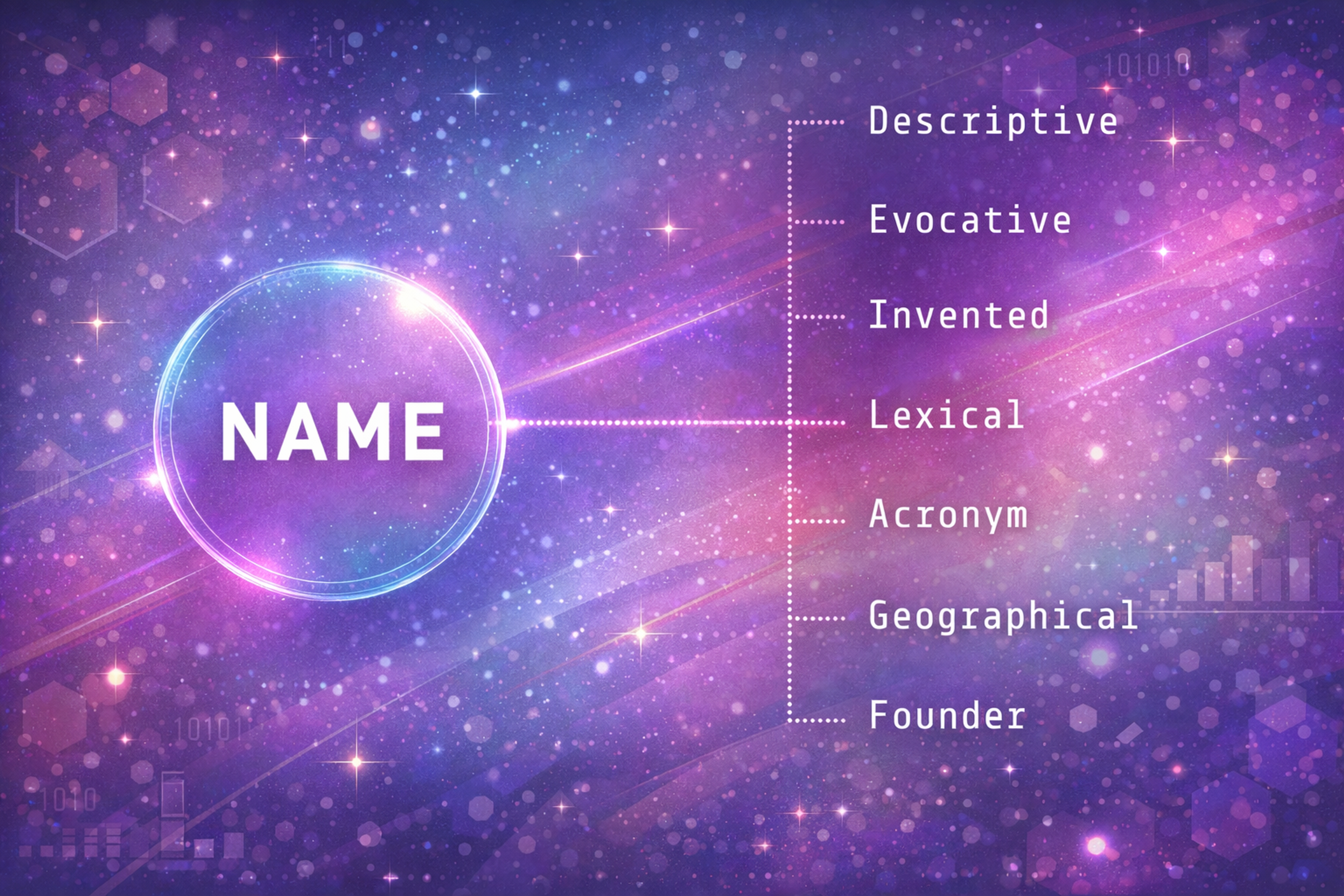
Naming conventions are the rules and systems employed in naming any business, that is, a brand, a product, or any prose. Brand awareness could be accelerated with proper naming, and critical areas within the organization's scope and objectives could be communicated.
Naming Conventions
Brand Story and Narrative
A good brand story describes its history, reason for existence, and vision, all of which are integral parts of the brand's identity. Consumers will likely feel an emotional bond with it. This captures their thinking more and thus fosters the growth of brand loyalty and makes them feel part of the brand’s society.
Together, these components comprise the basic structure of the brand’s verbal identity, supporting its performance in terms of effectiveness and consistency with its target audience.
Why Verbal Identity Matters
A verbal identity helps your brand stay memorable in a crowded market. When your tone and language feel human and consistent, people trust you faster and connect emotionally.
It also starts from the inside. Strong culture and clear values shape how you communicate, and that consistency attracts the right customers and team members.
Across marketing, product, and support, verbal identity keeps your message aligned and compliant. Most importantly, it helps people feel understood — and that’s what turns attention into loyalty.
Target Market

Building a Strong Verbal Identity
Several important phases are performed while creating a verbal identity, with the intention of making the brand persuasive enough for the audience.
Audience Analysis
In developing the verbal identity of the target audience, comprehension is the first step that poses a foundation. This consists of finding their likings, buying styles, and demography to relay messages to the people who should receive them.
Target Audience Analysis

Brand Personality Development
This is also very important. It means describing the brand's personality by specifying the attributes of that brand’s traits; for example, it may be friendly, authoritative, innovative, etc. A clear understanding of the brand’s personality helps in conceiving the tone of the voice and how the messages will be delivered.
Implementing Across All Communications
This is the final stage of applying your verbal identity across every brand touchpoint, from marketing and social media to customer service and internal communication.
Used consistently, it makes the brand feel clear, recognizable, and trustworthy. Strong verbal identity helps people understand, remember, and connect with the brand across every interaction.
Accessibility and Verbal Identity
Accessibility is key to verbal identity. Clear, concise language without jargon helps more people understand your message, including users with disabilities.
Use simple wording, avoid ambiguity, and write clear instructions. Following WCAG can help keep communication easy to understand.
Inclusive, bias-free language also helps people feel welcome, which strengthens trust and loyalty.
Accessibility Elements by Clay

Writing for User Experience
UX writing is a key part of verbal identity. Clear, concise wording helps users navigate websites and apps smoothly.
Good UX writing is based on user needs and behavior. Use simple language, avoid ambiguity, and give clear instructions.
When the tone feels human and authentic, it builds trust and strengthens the user experience.
Case Studies
To illustrate the effectiveness of a strong verbal identity, examining successful examples from renowned brands can provide valuable insights.
Basecamp
Basecamp is a project management service that has found application across different teams worldwide regardless of the particular model of verbal identity employed irrespective of the countries of consumption.
Their verbal identity includes all practical matters that involve getting the job done and nothing more. Their target market does not consist of ventures of more than 50 employees who are not dry or tired from explanations.
They believe more in doing things rather than talking. By building a voice that aligns with these people's vision, Basecamp is not shy about acting as a reliable aide in project management, thus promoting customer loyalty through effective relationship marketing. Their fat shoulders off the simple user interface and minimizing wastage enhance their promise of supporting loyal customers.
Source: basecamp

Toms
The American footwear manufacturer Toms gives all its profits to social causes and thus earns a distinct verbal footprint that centers on warmth and togetherness. This reinforces Toms’s “One for One” positioning, where social responsibility is central to the customer experience. The brand’s storytelling speaks to consumers who care about the ethical side of business and want their purchases to reflect those values.
Toms uses an inspiring, educational tone that connects customers to a broader social mission. This strengthens brand loyalty, encourages word of mouth, and helps the company stand out in a competitive market. By embedding its social cause into its messaging, Toms builds a stronger and more memorable brand narrative.
TOMS
JOKR
The case study we developed for JOKR describes the development of a mobile application designed for fast grocery delivery, focusing on improving user experience through intuitive design and game elements. The app features intelligent shopping lists, personalized recommendations, and interactive elements to engage users.
Visual elements such as branded food images and custom illustrations create an attractive, fluid interface that matches the playful and efficient nature of the brand. Strategic design reinforces JOKR's verbal and visual identity, providing a consistent and engaging customer experience.

Future Trends in Verbal Identity
With consumer expectations constantly changing over the years, several changes can be expected with verbal identity in the future that will determine how brands will connect with consumers. Adjusting to these trends will be necessary for brand relevance and more robust communication with consumers.
- Personalization: Adapting the messaging appropriately to individuals will be even more critical. It is more likely that brands equipped with advanced data analysis techniques and offering personalized solutions will be able to capture the customers' emotions more effectively.
- AI and Chatbot Integration: It is possible to use artificial intelligence in customer interactions and not wait for emails that take days for every response or communication. Such technological developments can enable brands to remain in character while quickly resolving customer issues. Based on trends, chatbots based on artificial intelligence will be more widely adopted, and there will be 24/7 customer support with no human resources being utilized and complex assignments being given to humans.
- Voice Search Optimization: Increasing the number of voice-activated devices, such as smart speakers and virtual assistants, will provide the need to optimize voice search. Brands will have to rethink their language and SEO approaches so they can still be found and be relevant in that new way of interaction.
Affirming these tendencies enables the brands to enhance their verbal identities in ways that promote engagement and loyalty.
Read more:
Conclusion
A strong verbal identity builds trust and recognition through clear, consistent communication. As AI and personalization reshape how people meet brands, a defined voice matters even more. Brands that invest in it stay memorable and adapt faster.


About Clay
Clay is a UI/UX design & branding agency in San Francisco. We team up with startups and leading brands to create transformative digital experience. Clients: Facebook, Slack, Google, Amazon, Credit Karma, Zenefits, etc.
Learn moreAbout Clay
Clay is a UI/UX design & branding agency in San Francisco. We team up with startups and leading brands to create transformative digital experience. Clients: Facebook, Slack, Google, Amazon, Credit Karma, Zenefits, etc.
Learn more