

Most brands compete on product, and only a few on personality. The ones that win in the long term often do both, and a well-crafted mascot is one of the clearest ways to give a brand a genuine, lasting personality.
A mascot is one of the sharpest tools in a brand's kit, carrying your values, speaking in your voice, and showing up consistently across every surface your brand touches.
Key Takeaways
- A mascot only works when it's rooted in your brand's actual values, not invented in isolation.
- Character type matters. Animals, humans, objects, and abstract figures carry different emotional associations.
- Simplicity is a design requirement, not a stylistic preference. A complex mascot can't scale.
- Mascots need a defined personality, voice, and evolution plan to stay relevant over time.
- Mascot-led brands consistently outperform peers in recognition, emotional connection, and market share metrics.
- Digital platforms have changed how mascots behave. The best ones now participate in culture, not just advertising.
Understanding Mascot Branding
Brand loyalty is built on feeling, and mascots are among the most reliable ways to intentionally shape that feeling. A character gives your brand a personality, turning an abstract company into something people can actually relate to.
The distinction worth making early is that mascots aren't just for global brands with big production budgets. A well-considered mascot works just as well for a SaaS startup as it does for a global enterprise.
The format adapts to fit any industry or budget, but the underlying principle never changes.
What Is a Brand Mascot?
A brand mascot is a character, whether human, animal, object, or abstract figure, that embodies a brand's identity in a form people recognize and remember. Used consistently, it gives people a visual and emotional shorthand for what you stand for.
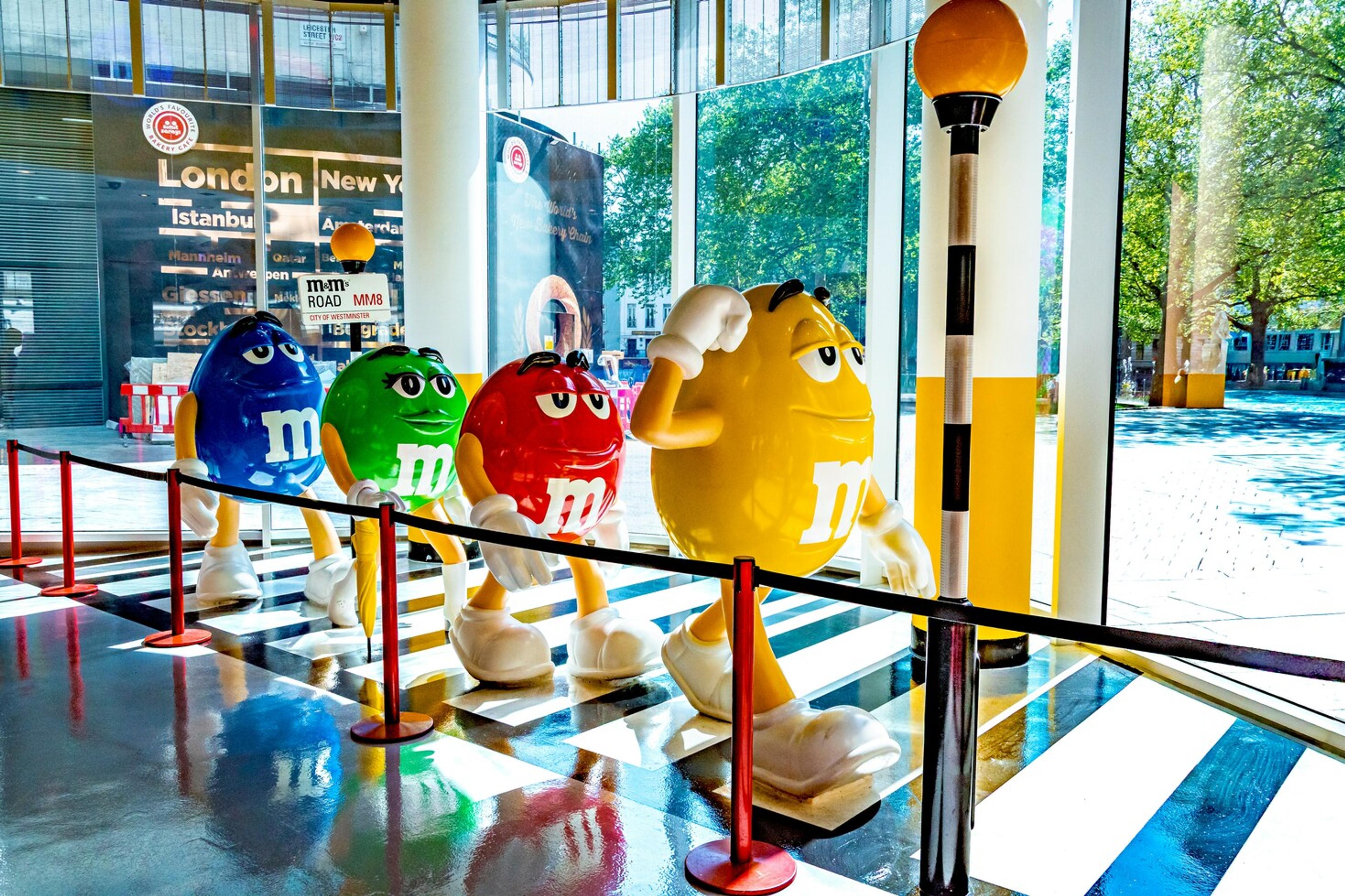
The M&Ms cast is the textbook example. A group of candy characters, each with a distinct, consistent personality: Red is confident and sardonic, and Yellow is earnest and lovable. The dynamic between them creates storytelling possibilities that a single mascot could never, which is exactly why they have stayed culturally relevant for decades.
Source: Photo by Philippe BONTEMPS on Unsplash
What separates a mascot from a logo or illustration is behavior. A mascot has personality. It speaks, reacts, and shows up in context. That's what makes it a brand asset rather than a brand element.
Benefits of Having a Brand Mascot
A mascot is a measurable brand investment. Campaigns featuring mascots consistently outperform those without them on the numbers that matter, including market share growth, profitability, and customer acquisition.
Boosts Brand Recognition
Characters drive brand recognition in ways logos alone can't match. Remember Chester Cheetah, Mr. Muscle, or the Duracell Bunny? Each of these has become a mental shortcut to the brand they stand for. Recognition rates for top brand mascots exceed 95%. That kind of recall doesn't happen by accident.
Creates Emotional Connection
Mascots operate on the principle of parasocial relationships, the same dynamic that makes people feel attached to fictional characters or TV personalities.
Repeated exposure to a consistent character builds genuine familiarity, which in turn generates trust.
Customers who feel warmly toward a mascot transfer that warmth to the brand, making them more forgiving of missteps and more likely to advocate for the brand unprompted.
Enhances Storytelling
A mascot becomes a natural anchor for narrative. Instead of telling people what you believe, you can show it through how your character behaves, what problems it solves, and what it cares about.
Benefits of Storytelling by Clay

That kind of brand storytelling extends across every format, from video and social to packaging and live events.
Increases Customer Engagement
On social media, mascot-led content tends to outperform standard branded posts on engagement, driven by the character's ability to participate in cultural moments in ways a logo never could.
Few tools grow your visibility as naturally as a well-placed mascot, showing up consistently across feeds, events, packaging, and campaigns without ever feeling out of place.
Appeals Across Generations
A well-designed character doesn't age out.
The Jolly Green Giant has been selling vegetables since 1928 and still resonates.
The Pringles mascot Julius, introduced in the 1980s, is now a pop culture fixture. Mascots rooted in genuine values tend to have remarkable staying power.
Identifying Your Brand's Core Values
Most books on branding start here, and for good reason. A mascot built without a value foundation is just a character.
You need to know what your brand actually stands for before you can create something that embodies it honestly.
Start with three questions:
- What do we stand for?
- What do we believe?
- What do we want to change?
The answers shape everything, from the character's appearance, behavior, and voice to the kinds of situations it appears in. When those answers are clear and authentic, customers can feel the alignment.
Understanding Your Brand's Mission and Vision
Your mission is what you do today and why it matters. Your vision points to where you're headed. A mascot should capture both.
A mascot is a long-term asset, as durable as your typeface or color palette, and built to outlast any single campaign.
A tech brand built around innovation might choose a sleek robot or a forward-looking abstract figure. Warmth and community, on the other hand, tend to pull toward a friendly animal or human character.
The character choice signals where the brand is going, and where it already is.
Defining Your Brand's Personality and Tone
Personality is how the brand behaves overall. Tone is how it speaks in specific moments, whether playful on social or direct in a support interaction. Both need to be defined before a mascot is created.
Brand Personality Pyramid by Clay

A playful brand gives the mascot room for humor and irreverence. If the brand runs calmer and more trustworthy, the character should show that by coming across as unhurried.
The trap is a character that doesn't match the existing brand voice. Customers will feel it, even if they can't say why.
Auditing an Existing Mascot for Value Misalignment
If you already have a mascot, values alignment is still worth a look. Brands evolve and reposition over time. Audiences change, and leadership brings new priorities.
A character designed five years ago may no longer match what the brand actually stands for today.
The clearest warning signs are that the mascot is used less and less without a formal decision to retire it, that internal teams debate whether it fits new campaigns, and that customers associate it with an older version of the brand.
Any of these is a sign worth acting on. A personality refresh or updated visual treatment is often enough to close the gap.
With 10 years of experience, we at Clay Global have helped brands define their values, personality, and voice from the ground up. Explore our branding work here.
Types of Brand Mascots
Anthropomorphic Mascots
Anthropomorphic mascots give inanimate objects human traits, such as a talking cereal box, a dancing bottle, and a snack bag with opinions.
The appeal is rooted in psychology. Humans are wired to respond positively to faces and human-like behavior. An object that winks and makes a joke is immediately more engaging than the same object with a product claim.
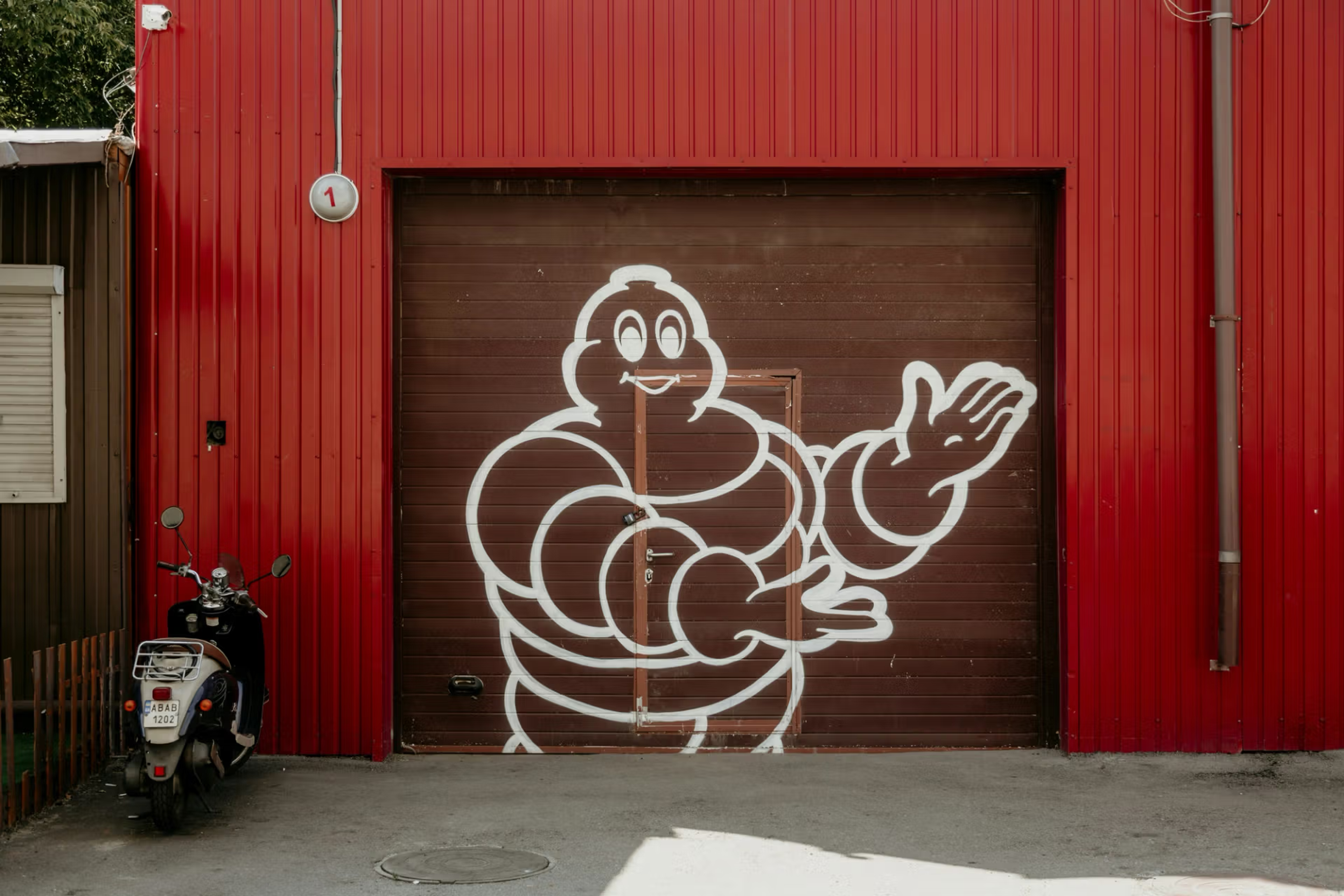
The Michelin Man (Bibendum) is the classic example, a figure made of tires that somehow radiates warmth and trustworthiness.
Source: Photo by Marjan Blan on Unsplash
Most anthropomorphic mascots are solitary characters, but the format also supports ensembles. A cast of related objects with distinct personalities can deepen storytelling range in ways a single character can't.
Animal Characters
Animals carry built-in associations that brands can borrow:
- Dogs signal loyalty
- Owls suggest wisdom
- Cheetahs imply speed
- Geckos are approachable and a little cheeky
Those shorthand meanings give animal mascots an immediate emotional head start.
The Linux penguin, Tux, works because it's both disarming and oddly perfect. A chubby, cheerful bird is the last thing you'd expect from a serious operating system, and that contrast is exactly what makes it stick.
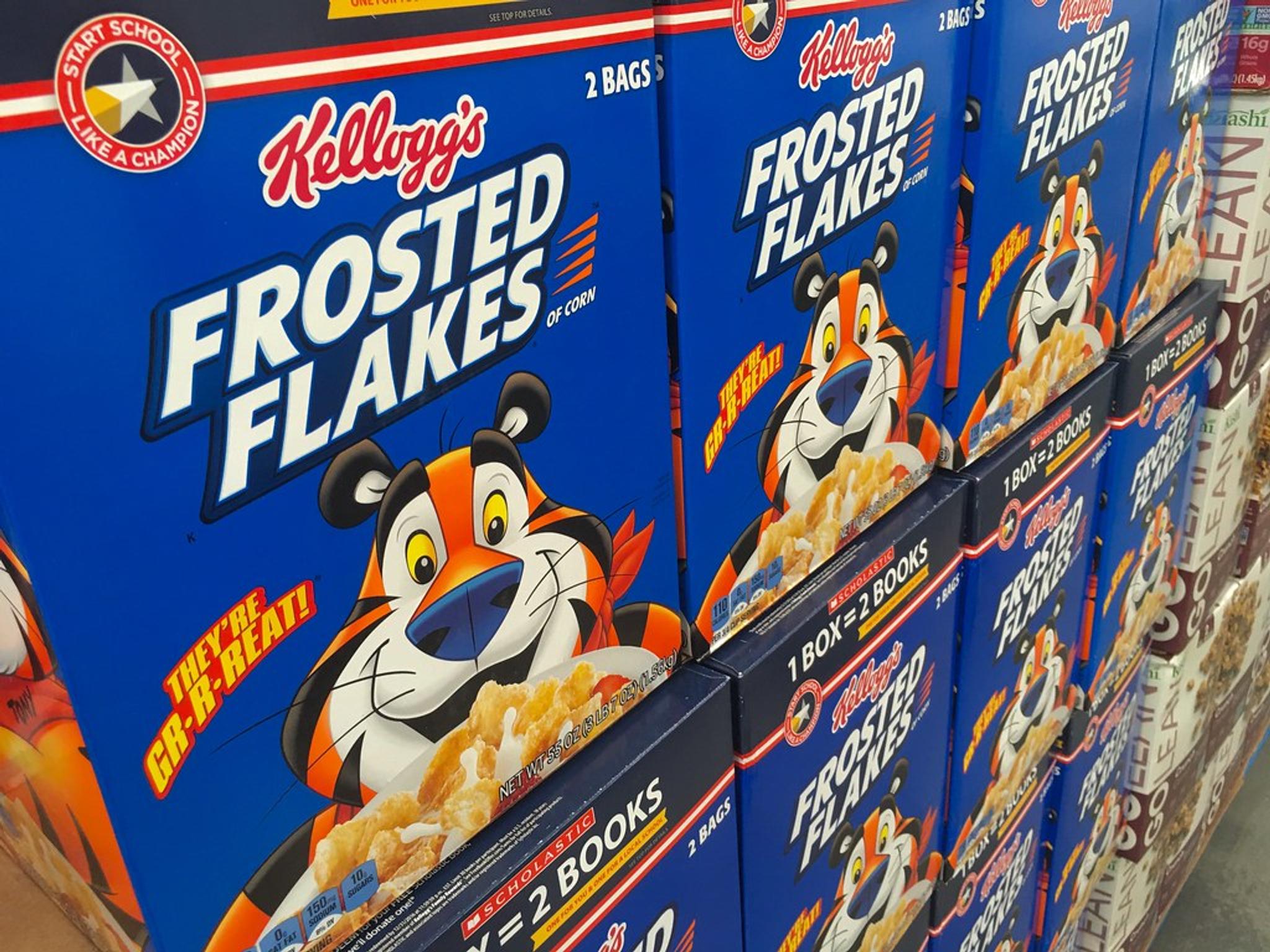
Tony the Tiger has lasted decades because a powerful big cat is the perfect messenger for energy and strength.
Frosted Flakes Cereal by Mike Mozart on Flickr, CC BY 2.0
Nesquik's bunny, Quicky, takes a softer approach, a friendly, energetic character aimed squarely at kids, making a chocolate milk drink feel like a treat rather than just a nutrition choice.
Human Characters
Human mascots allow for richer storytelling and a more personal connection with the audience. A human character can stand in for anyone from a friendly guide to an authoritative expert.
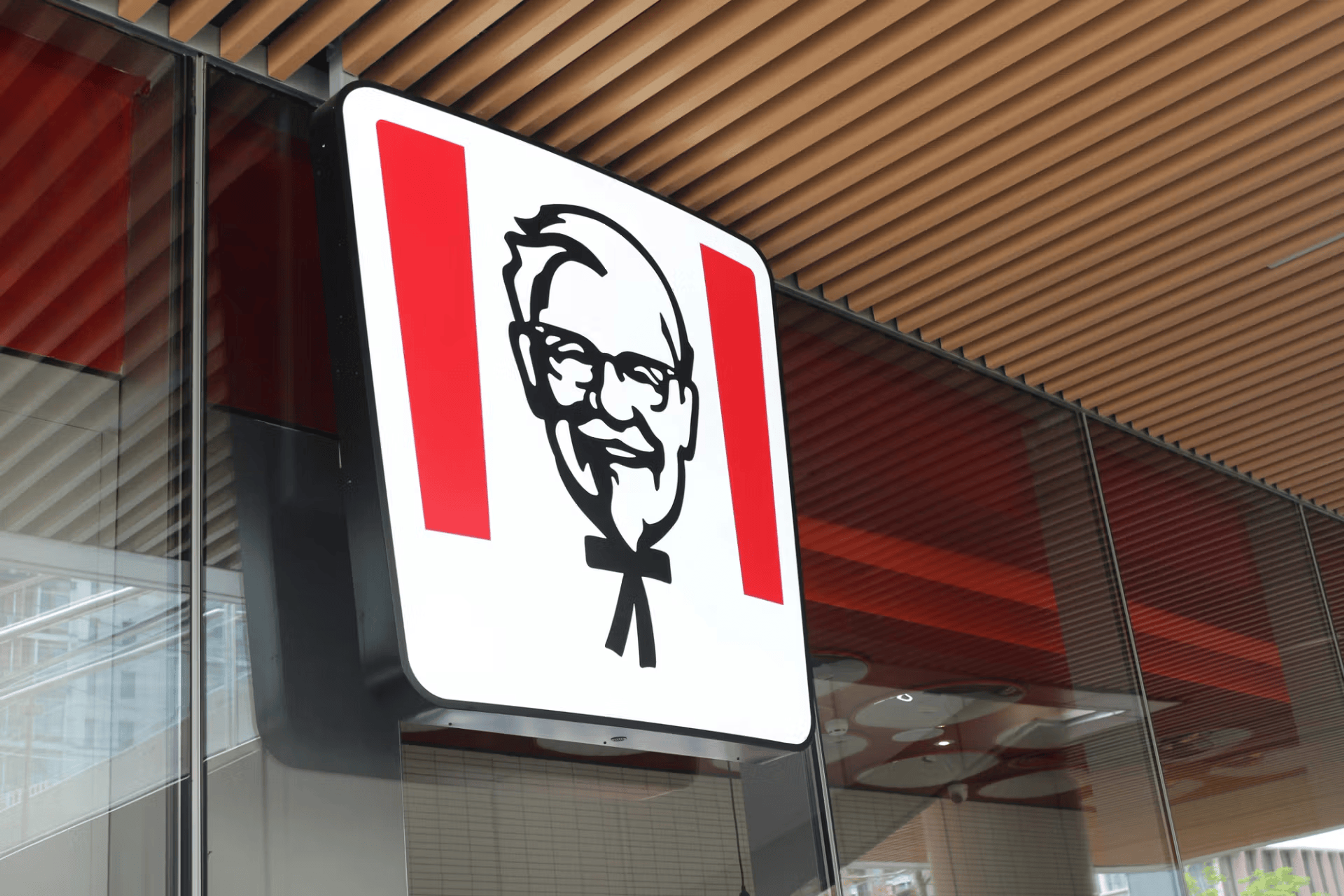
The range is wide, from KFC's Colonel Sanders, a character built around a real founder's personality, to a sleek brand ambassador for a premium product.
Jake from State Farm is a current benchmark. In 2026, State Farm announced that Jake would make his first-ever scripted television appearance in Netflix's sports comedy Running Point, appearing not just in a co-branded spot but also in an actual episode of the show's second season. That's a mascot moving beyond advertising entirely and into entertainment.
Abstract Creatures
Abstract mascots follow no rules of the natural world. They can be any shape, color, or configuration the brand needs.
Discord's Wumpus is a blob-like blue creature that appears at moments of friction, in empty channels, on loading screens, and on error pages, transforming potentially frustrating experiences into friendly ones.
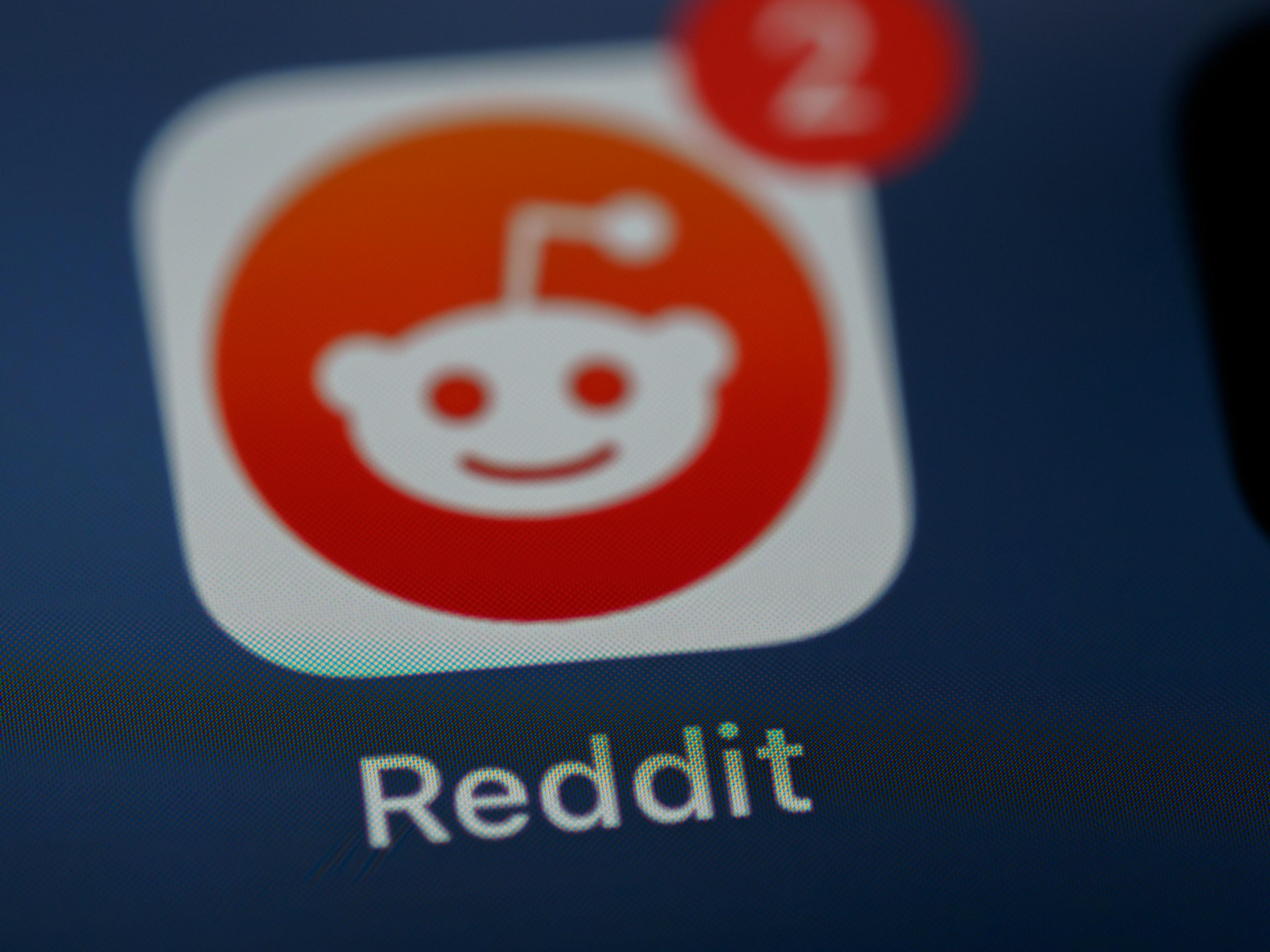
Reddit's Snoo has been remixed by millions of users across subreddits, turning a simple mascot into a community-owned identity.
Source: Photo by Brett Jordan on Unsplash
The freedom of abstract characters is also their challenge. Without real-world associations to borrow from, the brand has to do more work to define what the character means.
The payoff for that extra work is a character people genuinely remember.
What Makes a Good Mascot
Backstory
A character with no history feels thin. An origin story, even a brief one, gives the mascot texture and makes it more human, regardless of its form. Where does it come from? What does it care about? What problem does it exist to solve?
That backstory doesn't need to be published in full. But having it internally shapes how the mascot behaves, what it says, and how it evolves. Having it internally is what turns a costume into a genuine character.
Personality Traits
Whether the defining trait is warmth or mischief, every mascot should have a set of traits that appear consistently across every campaign. Those traits are a filter.
Brand Personality Traits by Clay

When a new campaign idea comes in, the question is always whether this character would actually do that.
Mascots increase profit by 30.7% compared to non-mascot campaigns. A character people can predict and trust becomes as recognizable as a logo.
Voice and Tone
How does your mascot speak? Witty or sincere? Dry or enthusiastic? Direct or warm? These choices shape how every line of copy reads.
Consistency here builds familiarity over time, and readers begin to anticipate the character's voice before they even finish the sentence.
The trap is writing the mascot's voice as a generic, friendly brand voice. That produces forgettable content.
The better approach is to push the character's personality until it has a genuinely specific way of looking at the world.
Evolution Plan
A mascot designed once and never revisited will eventually feel dated. The best brand characters evolve, subtly updated to keep pace with shifting audience expectations, without abandoning the traits that made them recognizable in the first place.
Duo's 2025 death campaign is a case study in how evolution can be used as a brand event rather than a quiet redesign. The character's core identity stayed intact while the execution got more audacious and culturally fluent. That's the evolution sweet spot.
How to Design a Mascot
Designing a mascot that holds up is a creative and strategic problem. Here's the practical sequence:
Choose a character that fits your brand. Start with your values. What type of character expresses them naturally? A fox suggests speed and wit. A gentle giant suggests reliability and warmth. A robot suggests precision and forward-thinking. The character choice should feel inevitable once the values are clear.
Define the mascot's personality. Match it to your audience and brand voice. A playful, irreverent character works for a youth-facing consumer brand. A calm, assured character is well-suited to a financial services firm. Avoid personalities that feel like caricatures, overly goofy, crude, or cartoonishly earnest.
Design for memorability and flexibility. A mascot needs to work at 16x16 pixels as a favicon and at 40 feet on a billboard. One or two distinctive traits, an unusual silhouette, a signature accessory, or an expressive posture, are enough to make it stick. Overbuilding the character at this stage also inflates production costs later, as every added detail multiplies the work of animation, resizing, and reproduction across formats.
Work with a professional designer. Whether you work with a branding agency or handle it in-house, a character designed by a specialist in brand identity will produce a full system, with expression ranges, color variants, and animation guidelines built in. That system is what lets the mascot scale across every channel without losing the thread.
Brand Mascot Design Principles
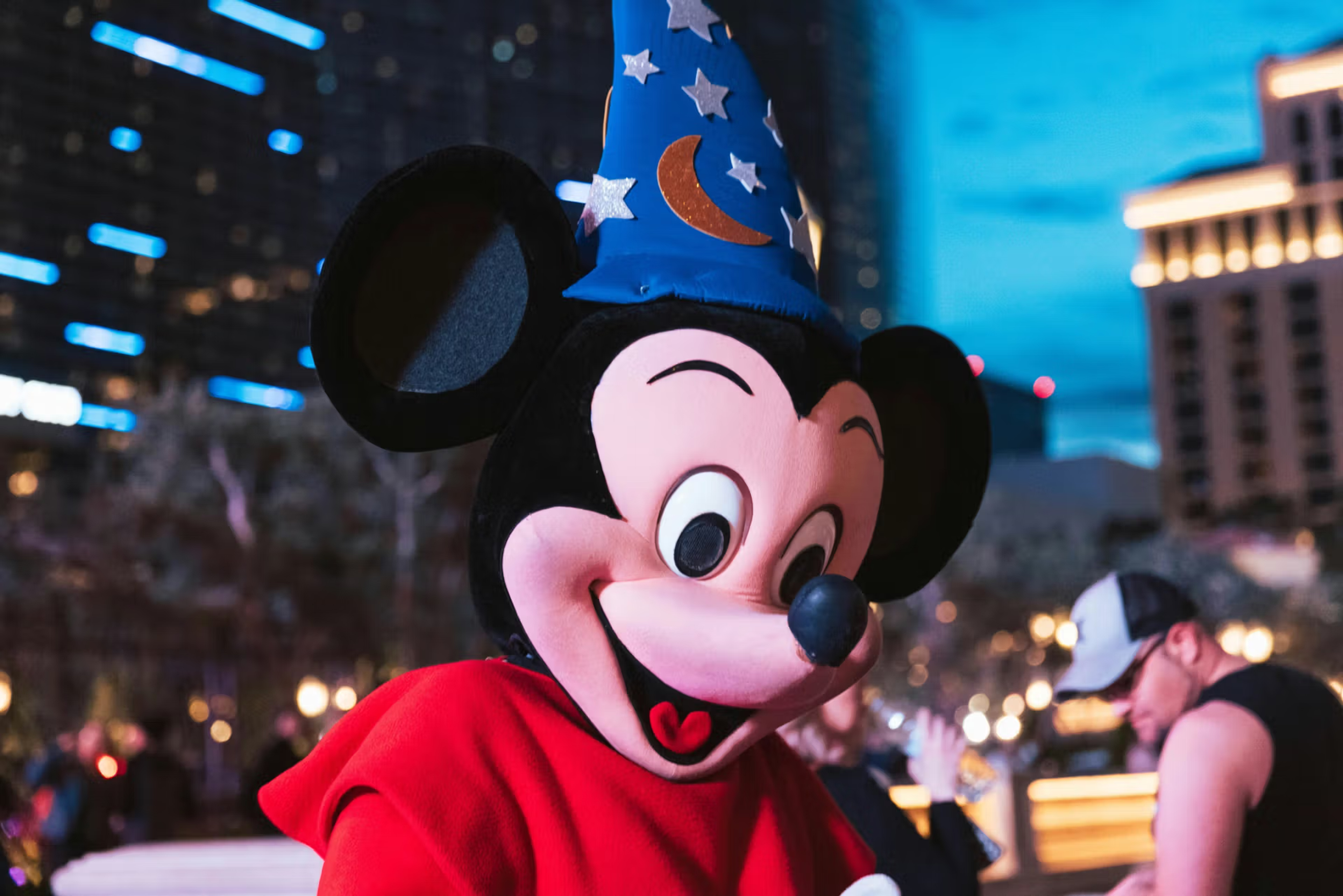
Keep it simple. Simplicity is a functional requirement. Just as a minimalist logo outperforms a cluttered one, a simple mascot travels further and works harder across formats. A character with too many elements can't be consistently adapted, animated, remixed, or reproduced. The most enduring mascots, like Mickey Mouse's ears, are visually simple enough to be sketched from memory.
Source: Photo by steven lozano on Unsplash
Make it memorable. Memorability usually comes from one specific, unexpected detail. Something distinctive enough that once you've seen it, you recognize it the second time.
Use color effectively. Color carries emotional meaning. Bright primary colors signal energy and accessibility. Muted tones suggest sophistication or calm. The mascot's palette should complement the overall brand system.
Show the brand's personality. Every visual choice, down to posture and proportion, communicates something. A wide-legged stance reads as confident. Big eyes pull people in. Sharp angles signal precision or aggression. Make those choices deliberately.
Maintain consistency. Recognition is built through repetition. A mascot that looks slightly different across touchpoints chips away at the picture people are building. Invest in clear usage guidelines and enforce them.
Famous Brand Mascot Examples
Duolingo Owl (Duo)
Duo, the Duolingo owl, is the most culturally active mascot of the past few years.
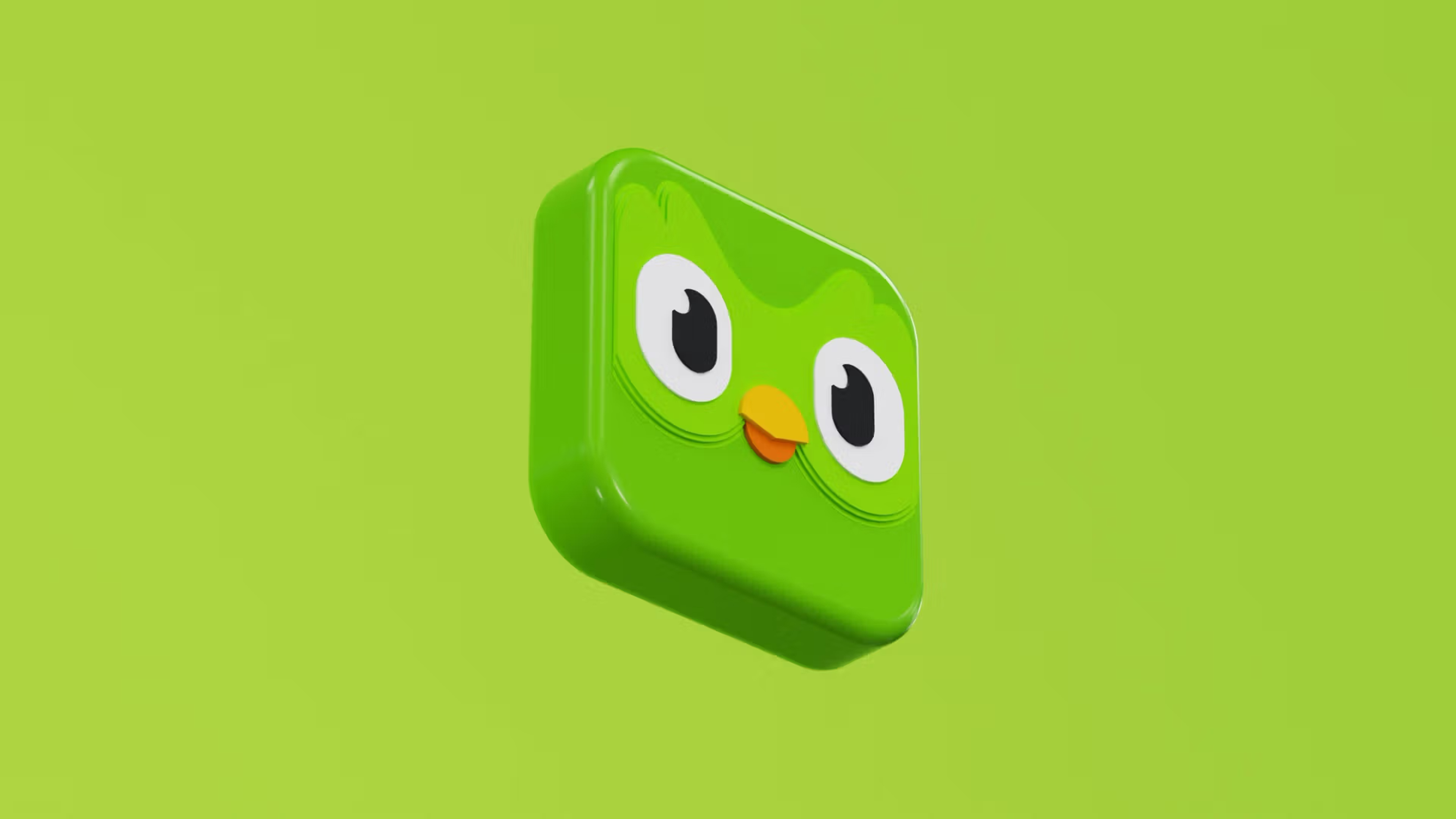
What makes him work is personality, specifically the mildly threatening, passive-aggressive reminder to practice your Spanish.
That character-driven voice translated seamlessly from app notifications to TikTok, where Duo became a genuine social media phenomenon. The 2025 campaign staging his death drove a 25,000%+ surge in brand mentions and a measurable lift in subscriptions. No paid media could have done that.
Ronald McDonald
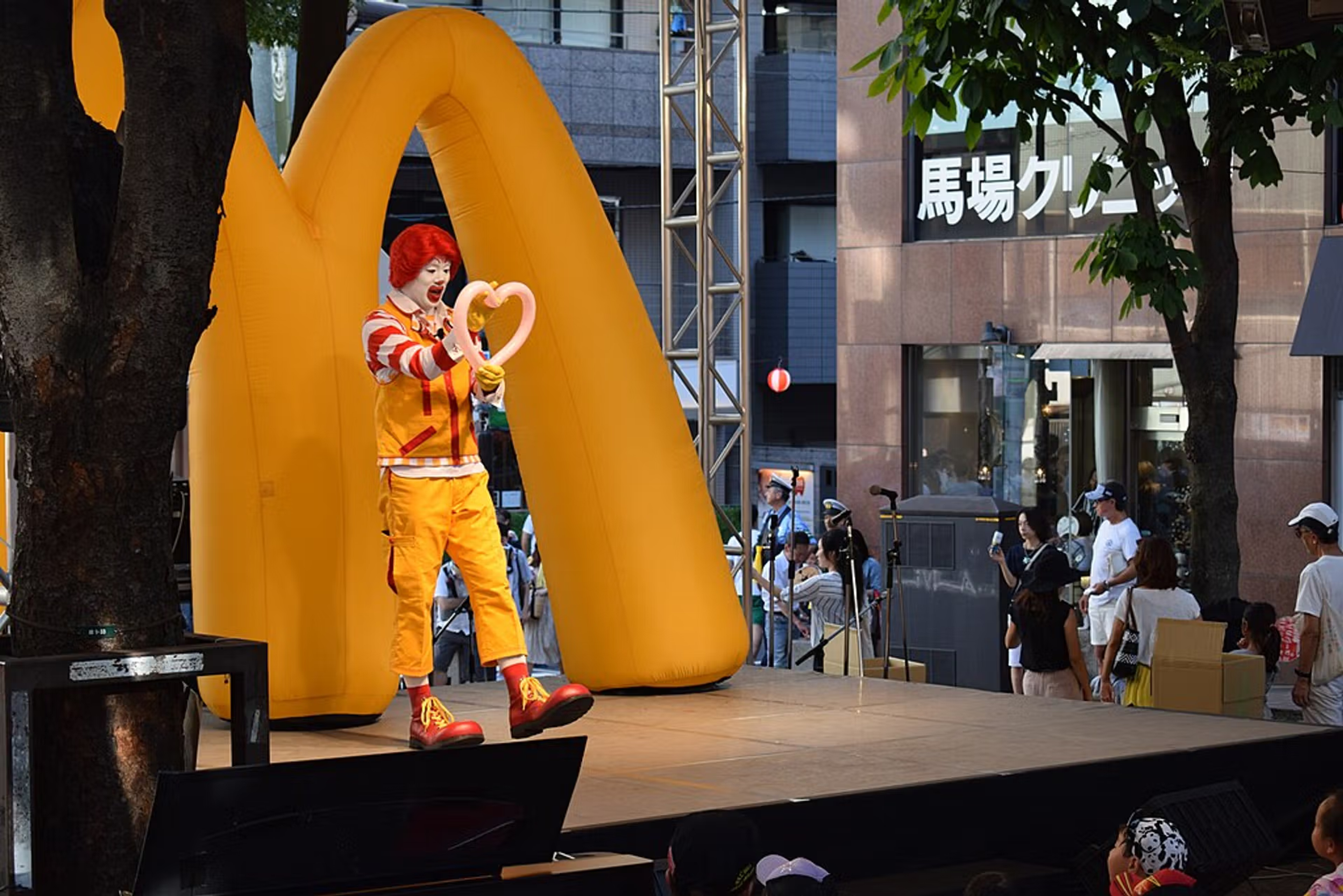
This cheerful clown has been the face of McDonald’s since the 1960s, representing fun, family, and accessible dining.
Ronald McDonald is more than just a fast-food iconic brand mascot - he’s part of the brand's identity, appearing in advertisements, promotions, and even community initiatives such as Ronald McDonald House Charities.
Source: Syced, CC0, via Wikimedia Commons
His friendly demeanor and colorful outfit have made him one of the most recognizable figures in the fast-food industry, embodying the joy and comfort of sharing a meal.
Mr. Monopoly
Mr. Monopoly, also known as Rich Uncle Pennybags, is the classic mascot of the Monopoly board game and one of the most recognizable figures in tabletop gaming.
Source: Photo by Abhishek Navlakha on Pexels
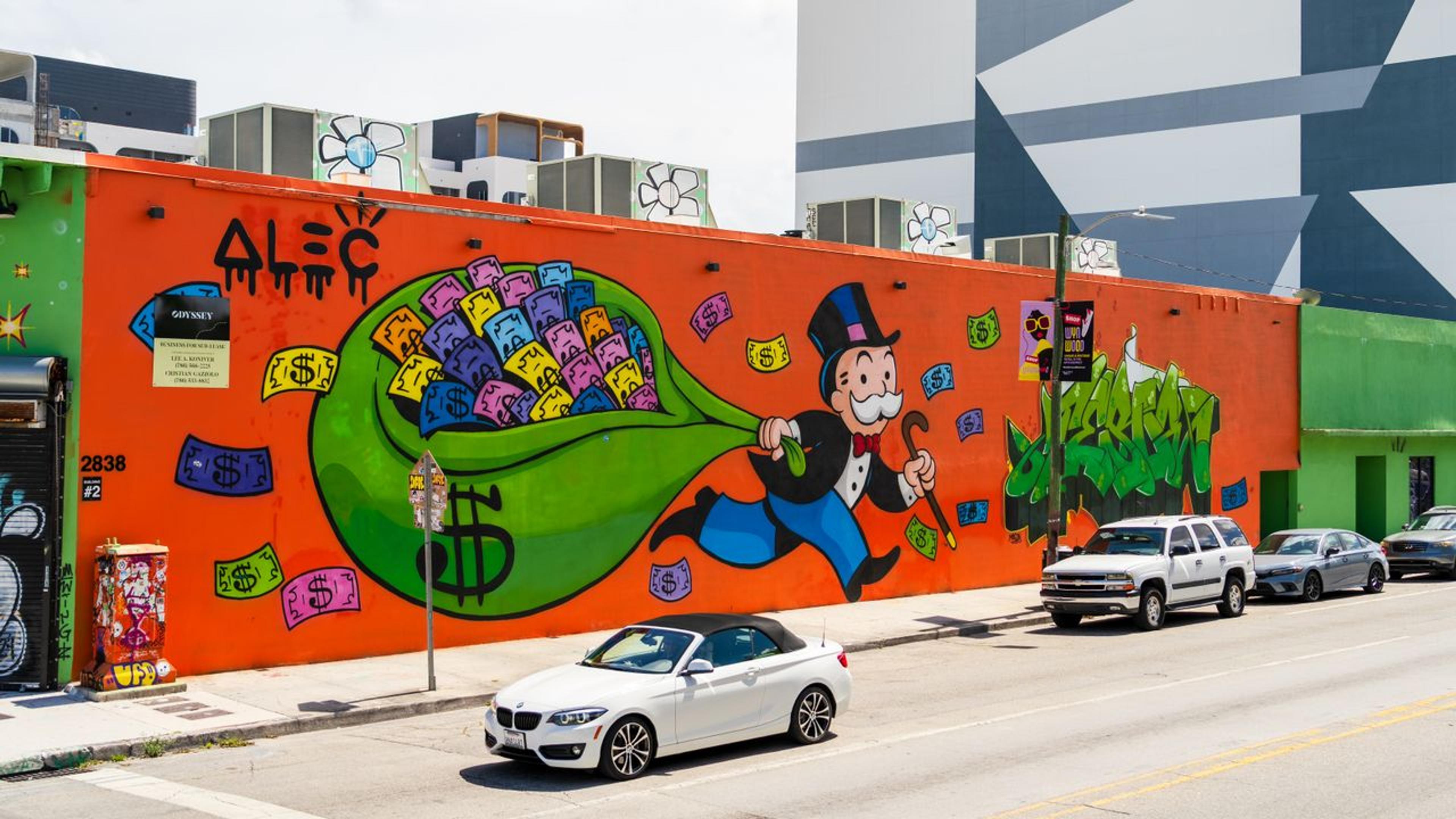
His top hat, suit, moustache, and confident expression reflect the game’s focus on property, wealth, and competition.
What makes him effective is simplicity. He gives Monopoly a clear visual identity and turns the game’s themes of buying, renting, and financial strategy into a memorable character that works across packaging, ads, merchandise, digital games, and special editions.
Cornerstone
In our collaboration with Cornerstone, we leveraged custom brand characters and integrated motion design to craft a warm, approachable, and engaging experience for users.
Cornerstone website
By combining thoughtful design elements with dynamic, animated visuals, we created a friendly and memorable first impression that not only enhanced the brand's visual identity but also improved overall user interaction.
This attention to detail ensured a cohesive, impactful design that resonated with Cornerstone’s audience.
Every brand has a personality worth expressing. A great mascot just makes it visible. If you're ready to bring yours to life, we'd love to hear from you.
Read more
- Brand Identity for Eden, an AI-Powered Real Estate Platform, by Clay Global
FAQ
How long does it take to develop a brand mascot from scratch?
A thorough mascot development process typically takes three to six months.
That includes everything from values alignment and concept development to design iterations and building out the character system across expressions and use cases.
Rushing this process tends to produce a character that looks fine but doesn't perform, because the groundwork wasn't laid properly.
Should a mascot always be the main visual element of a brand?
Not necessarily. Some brands use mascots as supporting characters within a broader visual identity rather than as the central brand mark.
The right balance depends on the brand's goals, category, and audience. In consumer goods and entertainment, mascots often lead the way.
In B2B and professional services, they tend to play a more supporting role, humanizing the brand without replacing the logo system.
Can a mascot hurt a brand?
Yes. A mascot that misaligns with core values, targets the wrong audience, or ages poorly can actively damage how people see the brand.
Many brand failures trace back to exactly this kind of misalignment: a mascot created for the wrong reasons or the wrong audience.
The risk is highest when mascots are created reactively, as a response to a trend, rather than as part of a considered strategy rooted in genuine brand needs.
A poorly received mascot can also be costly to retire. The absence of a familiar character suggests that something has changed.
How do mascots perform in B2B marketing?
B2B mascots are less common but can be highly effective.
They work best when the brand needs to simplify complex offerings, stand out in a crowded, same-feeling category, or build long-term relationships with buyers.
A friendly, knowledgeable character can make a technical product feel more approachable and a brand feel more memorable in a landscape where most competitors rely on abstract visuals and corporate language.
What's the difference between a mascot and a brand ambassador?
A brand ambassador is typically a real person, a celebrity, athlete, or public figure, who stands for the brand through association.
A mascot is a character created and entirely owned by the brand.
Ambassadors bring existing equity but also carry baggage that mascots don't. A mascot can be updated, retired, or evolved entirely on the brand's terms.
How should a mascot be introduced to an audience?
The launch should feel like a narrative event, not a product announcement. Give the character a context, a story, a problem it exists to solve, a world it inhabits.
A hard launch with clear personality expression, whether a short video, an origin story, or an interactive moment, performs better than simply dropping the character into existing content and hoping people notice.
Do mascots work for luxury brands?
Rarely, and when they do, the execution is highly restrained.
Luxury branding depends on exclusivity, aspiration, and a certain emotional distance, qualities that mascots can work against by being too approachable or playful.
The exception tends to be when the character is abstract, sophisticated, and deployed sparingly.
A mascot that's more symbol than character can coexist with luxury positioning.
How important is animation for a mascot in 2026?
Increasingly important. Static mascots still work in print and packaging contexts, but digital channels strongly favor motion.
Animated characters perform better in social feeds, app interfaces, and video content. They do more than look better in a feed. They change how people feel about and interact with a brand, which is why digital channels increasingly favor motion over static characters.
If animation isn't possible at launch, design the character with motion in mind from the start.
Can a mascot be used for internal culture, not just external marketing?
Yes, and this is an underused application. Internal mascots, characters that embody company values, appear in onboarding materials or anchor internal communications, and can reinforce culture more memorably than a values poster.
When employees feel ownership of a character, it also tends to generate organic external advocacy.
What should a mascot's evolution look like over time?
Gradual and intentional. The goal is to update the character's relevance without erasing the recognition you've built.
Minor visual refinements and new platform-specific expressions can be done routinely.
Bigger pivots, such as a wholesale redesign or a personality shift, should be treated as brand events with a well-planned approach.
How does a mascot interact with brand extensions?
A well-designed mascot is one of the most portable assets in a brand system and a natural fit for brand extension.
It can expand into new product lines, markets, and categories while retaining the core brand identity.
The key is consistency. A mascot that enters a new category should still be unmistakably itself.
What metrics should brands use to evaluate mascot effectiveness?
Brand recall and recognition rates are the clearest starting points.
Beyond that, engagement rates for mascot-led content versus standard content, sentiment analysis of character mentions, and longer-term metrics such as brand preference and Net Promoter Score all provide useful signals.
Qualitative research, asking people what they associate with the character, often turns up the most useful answers about whether the mascot is saying what you intended.
Final Thoughts
A thoughtfully crafted mascot makes your brand more recognizable and more human at once. And in a market where most brands lead with product specs, that's a real advantage.
Start with your values, design with flexibility in mind, and give the character room to grow awareness alongside your brand.
Remember that a mascot is a long-term investment. The brands that see the biggest return are the ones that build with patience, consistency, and a clear sense of who the character is from the start.


About Clay
Clay is a UI/UX design & branding agency in San Francisco. We team up with startups and leading brands to create transformative digital experience. Clients: Facebook, Slack, Google, Amazon, Credit Karma, Zenefits, etc.
Learn moreAbout Clay
Clay is a UI/UX design & branding agency in San Francisco. We team up with startups and leading brands to create transformative digital experience. Clients: Facebook, Slack, Google, Amazon, Credit Karma, Zenefits, etc.
Learn more