

Imagine stepping inside a central tech campus and spotting a giant mural that says, "To organize the world's information and make it universally accessible and useful." That vision has guided Google since day one, pushing it toward new heights and fresh ideas.
Every business wishes it could have a luminous northern star like that, and the reason is simple: a strong vision statement gives a company a clear purpose and a shared rallying cry that helps thousands of decisions fit inside one idea. When a startup scales into a corporation, that idea translates mission and values into daily behavior, pulling front-line employees, board directors, and every partner into the same dream.
This article digs into the building blocks of a powerful vision statement, shows how the statement becomes a north star for the company's strategy, and offers a step-by-step guide for writing one that truly inspires everyone who touches the business.
What Is a Vision Statement?
At its most useful, a vision statement sums up why the business exists, what values it believes in, and where it wants to go. The best statements describe a picture of a better future and set a finish line a decade or two ahead.
A vision statement is easiest to understand through examples. Some visions focus on a future impact, others on a customer promise, and others on an industry shift.
For example, a climate startup might aim to “make clean energy the default choice,” while a healthcare company might focus on “safer, earlier detection for everyone.” The wording changes, but the role stays the same: it points to a future your team can build toward.
Unlike a mission discussing day-to-day purpose, a vision gazes into the distance and says, "That is the mountain we want to summit." This future picture should feel reachable yet ambitious enough to make you want to pull your shoes on and start climbing.
When an organization pictures where it will be in five or ten years, its attention naturally shifts ahead. This vision creates an expectation so high that it becomes the lens through which choices are made today. Suddenly, the team can focus on what really matters.
What Is Vision Statement?
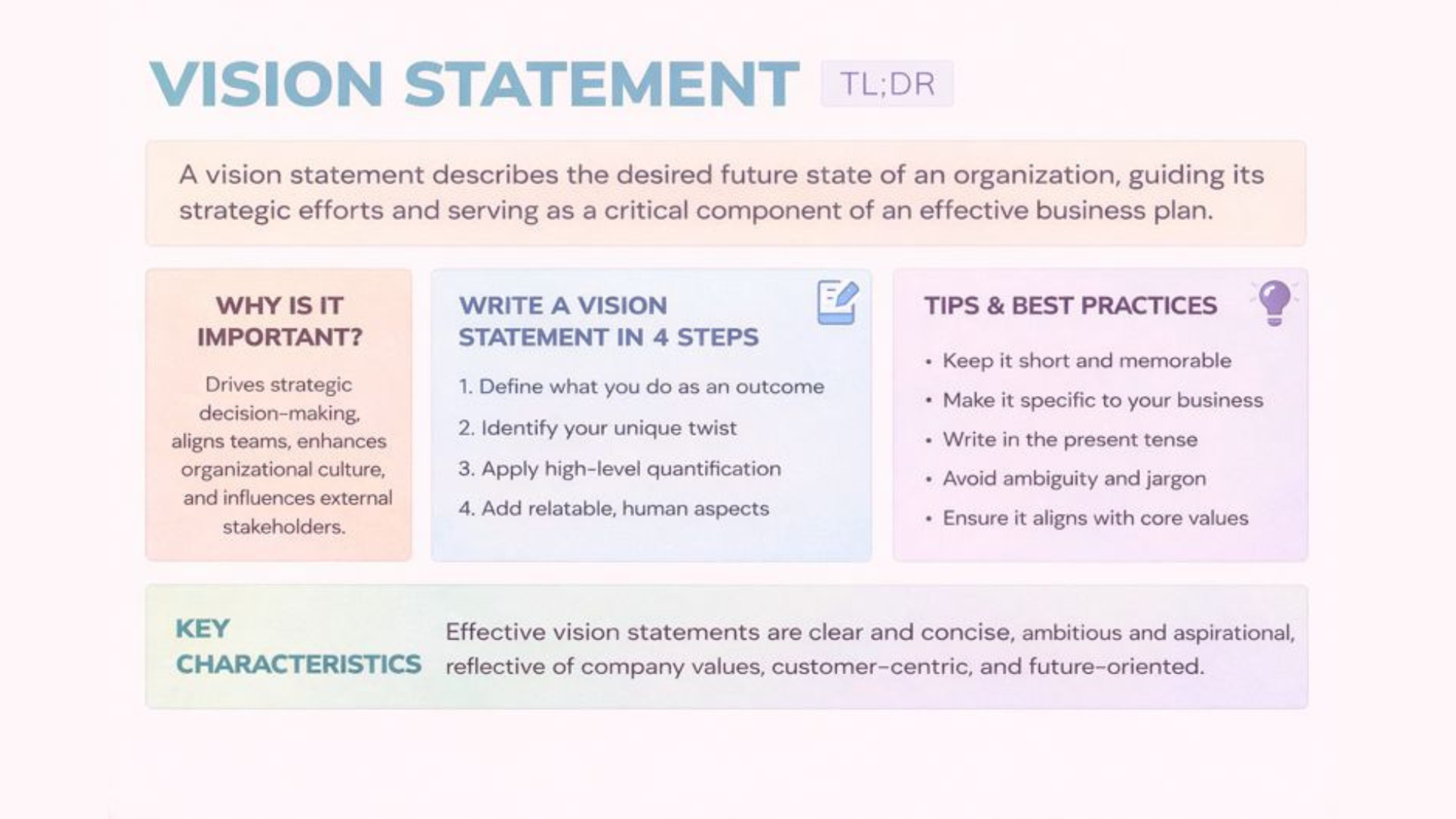
A vision statement translates that forward mental picture into clear, compelling words. Employees no longer consider "the company" abstract. They see themselves in its future. This personal stake boosts motivation, aligns every department to the same goals, and invites suppliers, customers, and investors to champion the same agenda.
Why Is a Vision Statement Important?
A vision statement is more than decorative wall art. It is a strategy in a sentence. It lays out the long-range destination so every team member knows which exit to take on the organizational highway.
When a vision is well-written, it works like a GPS rather than a vague dream. It tells managers which choices will get them closer to the future and which are just detours.
A good vision is short enough to remember, powerful enough to inspire, and clear enough to be repeated. When it meets the SMART criteria — specific, measurable, achievable, relevant, and time-bound — it is not just motivational but measurable.
By outlining the organization's goals, the statement sets it apart from rivals. More importantly, it gives everyone a reason to show up and do great work.
Definition and Purpose
A great vision statement is a looking-ahead statement that describes an organization’s future aspirations, even after it is long-term and lasting.
While it summarizes the larger objectives and includes strategic and operational aspects, it does not replace a mission statement, which explains the current aims and goals of the organization.
A vision statement describes the desired position of the company and the desired position that the company intends to achieve with time.
This difference differentiates the function of the vision statement as a source of motivation meant to offer a focus on the exploration and expansion processes. Its critical roles within the institution are:
- The unification of the diverse warring parties and antagonists who are the workers.
- The purpose of management functions and strategies.
- The stakeholders will have a storyline regarding the company’s destinations and ambitions.
Mission Statement vs Vision Statement
Every company needs solid guidance; vision and mission statements offer that compass. Though they might sound similar, each has a job of its own. The mission statement is like the company’s heartbeat — it spells out what it does, why it exists, and what it aims to accomplish. It’s the blueprint for day-to-day work, explaining how the business is set up to achieve its goals and how it serves customers and the community.
The vision statement, however, looks to the horizon. It paints a picture of what the company hopes to become one day — its dream for the future. This statement is essential for long-range thinking and is meant to inspire everyone who touches the company — employees, customers, and investors alike.
While the mission statement focuses on today’s operations, the vision statement keeps everyone focused on a bigger future. It serves as a motivational banner everyone can rally around, shaping key decisions and actions.
The mission tells folks what the company is and does, while the vision says what it wants to grow into. When the two statements are clear and work together, they create a consistent message that guides the business toward lasting success.
Key Components
Three key elements will ensure that a vision statement is effective long after it is announced.
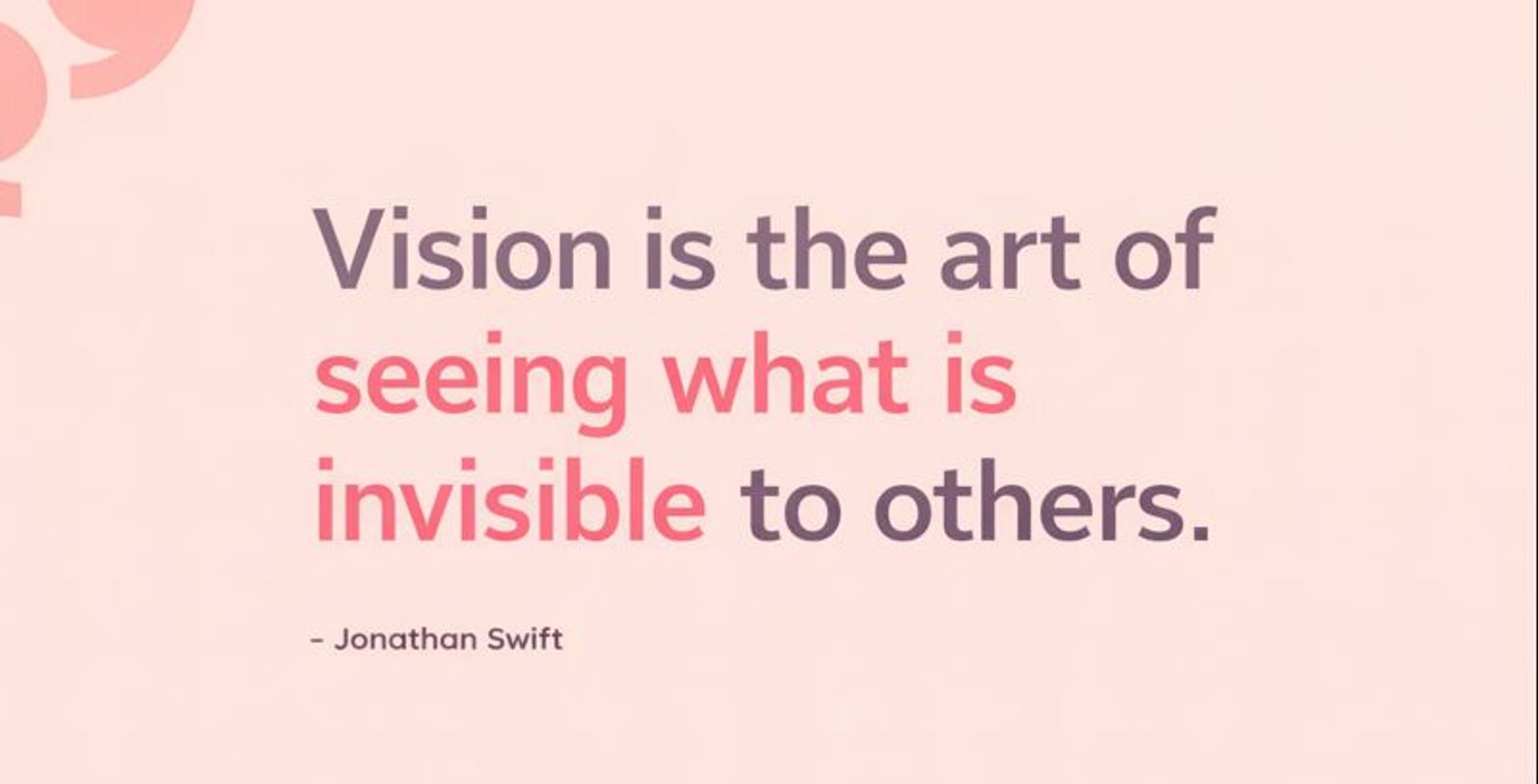
Quote on Vision
Long-Term Focus
The vision must aim at long-term outcomes that guide how the business uses its resources for years. Rather than a narrow quarterly or annual fix, the statement should look a decade or more ahead. Successful firms that continuously outpace industry rivals plan all major moves with a decade-long benchmark toward their vision.
Aspirational Qualities
The statement should inspire and uplift. It should express bold yet attainable goals that fire up the talent around the table and on the shop floor, channeling their day-to-day energy toward that target. A statement that says a firm believes change is possible and its people will lead that change encourages continuous improvement and imaginative leaps.
Clarity and Conciseness
Short, clear, and simple-centered. A vision should fit on a one-sentence slide that the receptionist could read and recall. Several studies show that employees who read long, jargon-filled proclamations feel little bonding; clear, few-verb-noun statements trigger mental pictures that stick.
Alignment with Company Values
The ambition should connect to what the firm believes and regularly demonstrates — high ethics, respect for people, or sustainable choices. When the vision and core values anchor one another, people can walk it out in everyday decisions.
A statement that feels disconnected or violates behaviors soon fades into the noise of others omitted on the previous monthly slide. A cohesive culture, therefore, turns art on the wall into everyday action that boosts human and profit-centered performance.
Stakeholder Consideration
The company vision should come first because it unifies everyone. Whether you’re an employee, client, or investor, the vision is a common goal that motivates and guides.
Characteristics of Effective Vision Statements
An ideal vision statement outlines a company's long-term goals and aspirations, serving as a guiding framework that articulates the organization's future direction and inspires various stakeholders.
Here’s a simple “weak vs strong” test.
Weak: “To be the best company in our industry.”
Stronger: “To make home repairs stress-free for every homeowner.”
Weak: “To deliver innovative solutions.”
Stronger: “To remove paperwork from healthcare so clinicians can focus on people.”
Vision Statement Elements
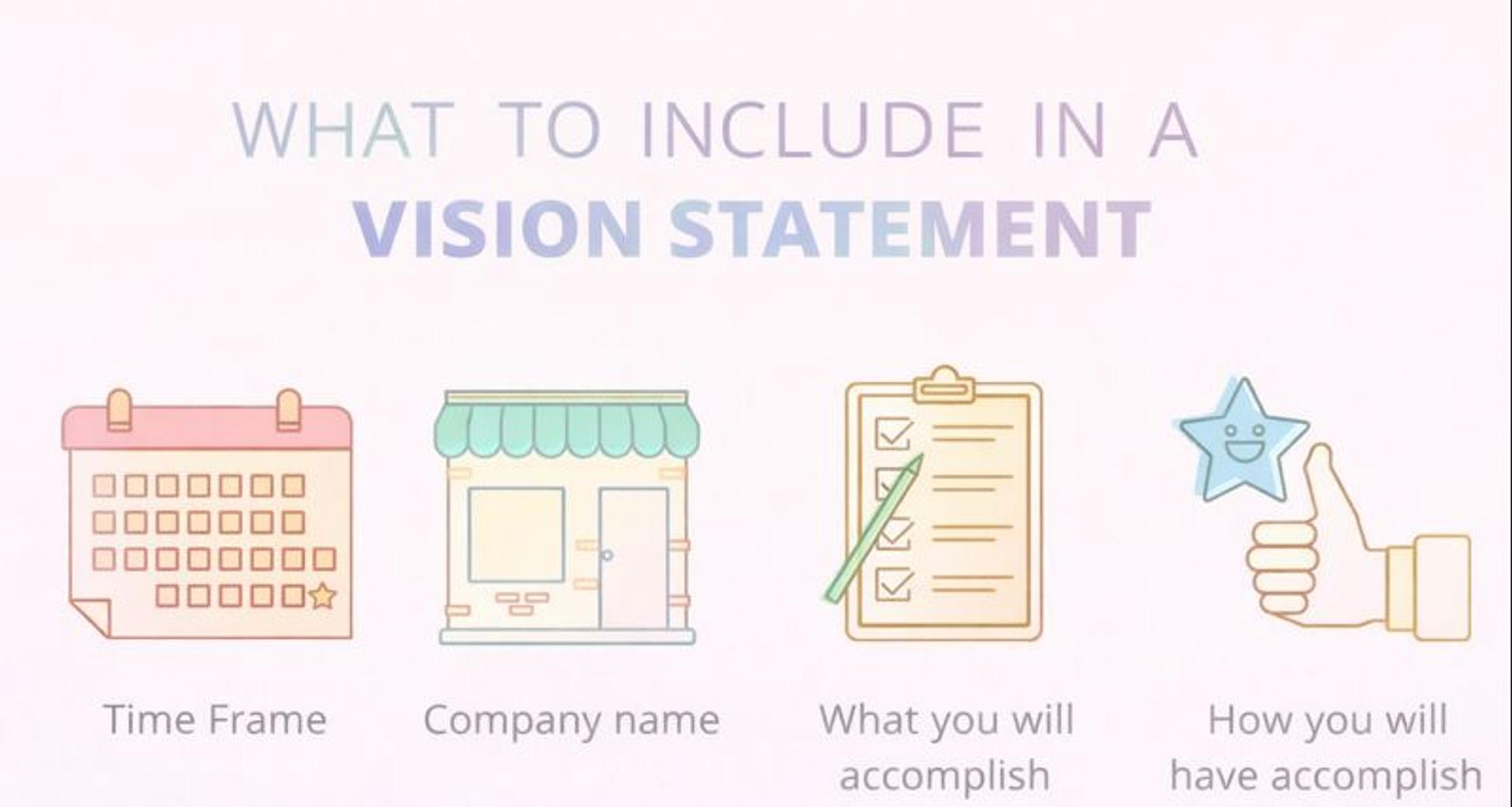
Future-Oriented: It assures the image’s emergence in the future, determining the organization’s movement towards this image and its development.
Emotional: It should be a statement that seeks the involvement of all key players. All of them will work towards the future envisaged, and hence, there will be enthusiasm and passion.
Memorable: A well-defined vision of an organization is the most difficult thing a man can do, but once done, it sticks in people’s minds, making it easy for employees and other stakeholders to remember over a long period of time.
Achievable Yet Ambitious: It must raise a target higher than what the firm can do alone but still allow it to attain it within an acceptable range of possibilities, ensuring a good balance between vision and pragmatic approaches.
Clear and Specific: The wording must be very clear to avoid confusion in understanding the vision, and concentration does bear meaning.
Ambitious and Feasible
A great vision statement should be both ambitious and feasible. It should inspire and motivate employees, customers, and stakeholders while also being realistic and achievable. A vision statement that is too ambitious may be seen as unrealistic, while a vision statement that is too feasible may not inspire or motivate.
To create a vision statement that is both ambitious and feasible, companies should consider their strengths, weaknesses, opportunities, and threats (SWOT analysis). They should also consider their core values, mission, and goals. A vision statement should be aligned with these elements to ensure a clear and consistent message.
In addition, a vision statement should be specific, measurable, achievable, relevant, and time-bound (SMART). It should provide a clear direction and purpose, guiding the company’s decisions and actions. A vision statement that is both ambitious and feasible will inspire and motivate employees, customers, and stakeholders while also providing a clear direction and purpose.
Company Vision Statement Examples and Analysis
- Amazon: “To be Earth’s most customer-centric company, where customers can find and discover anything they might want to buy online.”
Amazon’s vision statement underscores its dedication to customer satisfaction and comprehensive product availability. Its clarity and ambition are evident, positioning the company as a prime destination for online shopping, aligning well with its customer-first philosophy. This is one of the many vision statement examples that illustrate how companies express their long-term aspirations and goals.
Source: amazon

- IKEA: “To create a better everyday life for the many people.”
IKEA’s vision is inclusive and aspirational, reflecting its commitment to accessibility and quality. The broad, people-oriented focus provides universal appeal while aligning with the company’s mission to offer value through design and affordability.
Source: ikea

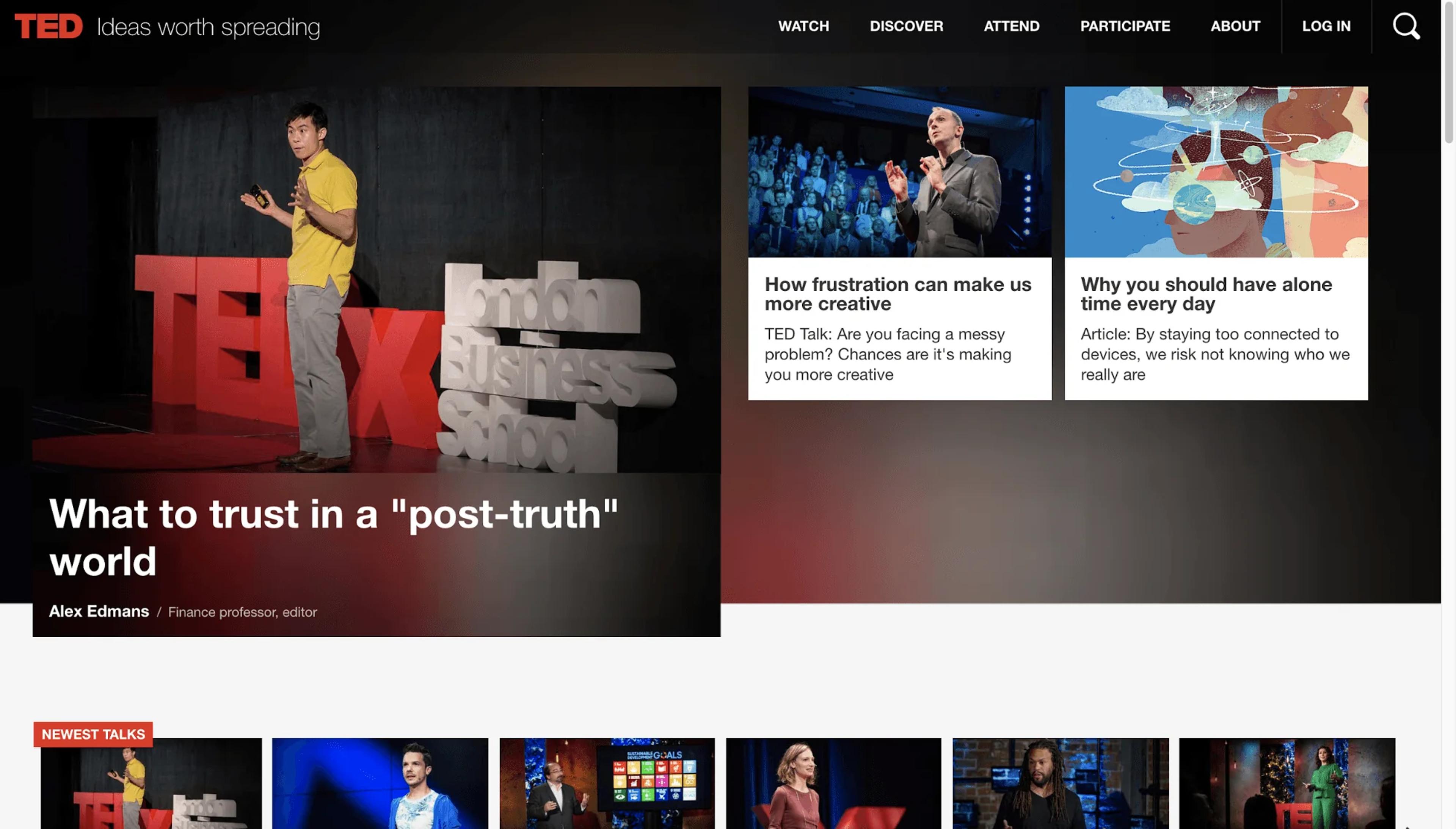
- TED: “We believe passionately in the power of ideas to change attitudes, lives and, ultimately, the world.”
TED's vision statement encapsulates its commitment to spreading impactful ideas and fostering a global community driven by knowledge and inspiration. This statement is both forward-looking and inspirational, emphasizing ideas' transformative potential.
Source: ted
Common Patterns Among Successful Vision Statements
The best vision statements share a few key traits: they're short but incredibly ambitious, reflect the organization's values, and paint a picture of the future that nobody else can claim as their own. They inspire anyone who reads them while showing the team exactly where they're going.
How to Create a Vision Statement
A grand vision combines what the organization already does, what it wants to become, what stakeholders care about, and what the mission says. This simple step-by-step guide can steer you in the right direction.
Define Core Values and Purpose for a Personal Vision Statement
Start by reading the organization's mission and existing vision. Those statements spell out the organization's underlying beliefs and main reason. What core values guide choices, and what fundamental purpose does this organization serve?
Envision the Future
Sketch the future that the organization plans to create starting today. What transformation does the vision intend to bring to business, community, or the planet? Picture a world where people everywhere gain new opportunities thanks to our initiatives, and our vision can serve as the map to make it real.
Our mission is directly related to our vision: to lift productivity and success worldwide so that every professional can excel in their industry.
Involve Stakeholders
Spark economic opportunity by bringing together ideas from employees, clients, and partners. Solicit their advice to build a shared vision and secure the buy-in needed for the plan and its roll-out.
Draft and Refine
Begin to craft the vision statement by writing a rough draft. Zero in on defining purpose and mapping the future landmarks to the present mission. Use precise language so everyone sees the future the organization intends to achieve. Edit the draft repeatedly until it shines.
Creating a Vision Statement
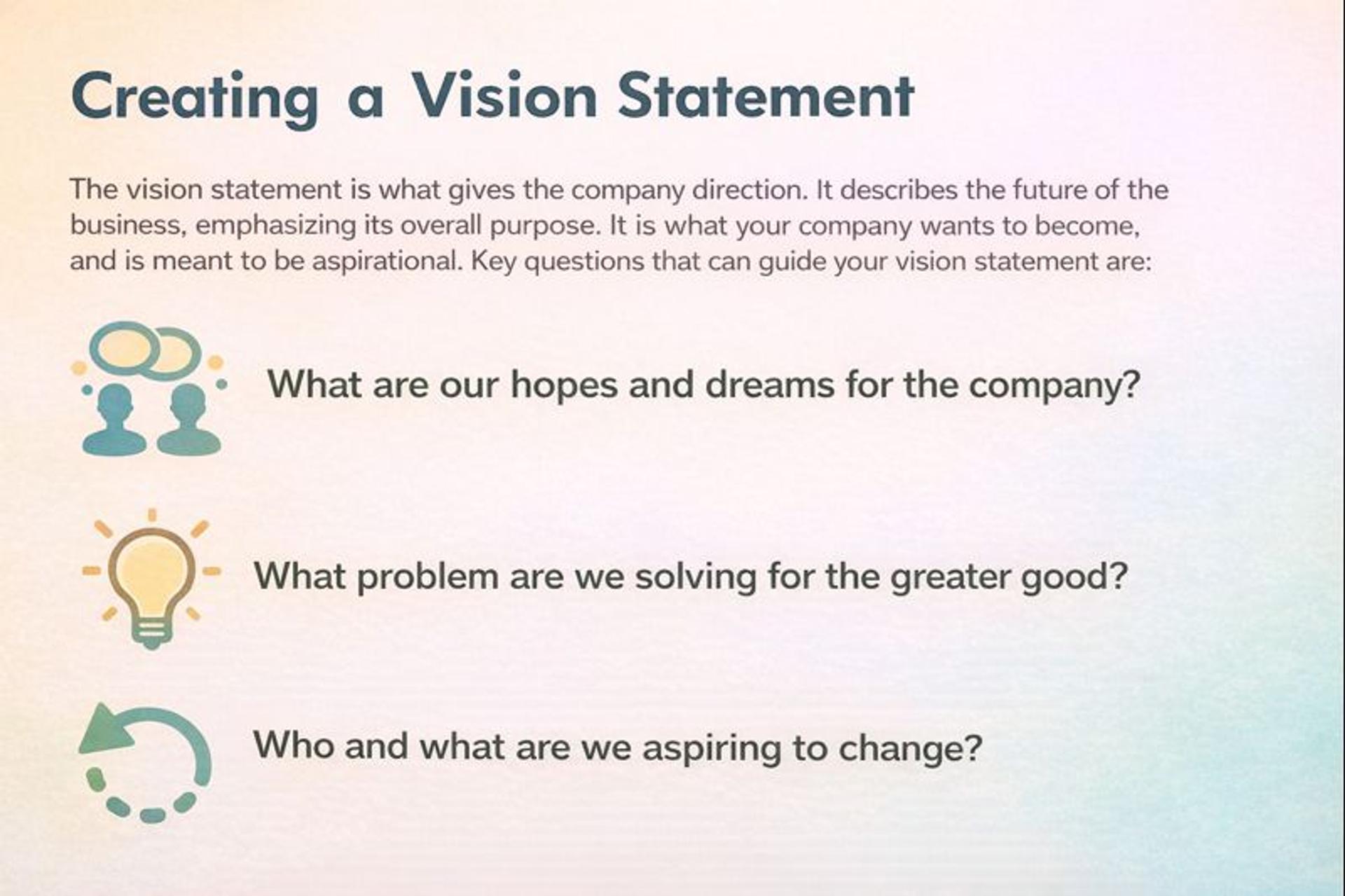
Validate Against Objectives
Ensure the statement clearly aligns with the overall mission. It should serve as a compass for every strategic choice and unite stakeholders toward the same destination.
Communicate and Embed
After the vision statement is ready, disseminate it across the business and embed it in the firm’s culture. Treat your own vision statement as an instrument for integration in strategies, goals, and day-to-day activities.
Questions to Consider:
What is the end that your organization seeks to achieve?
What impression would you like to create of your firm after ten years?
What different impact does your institution wish to make?
Common pitfalls to recognize:
Avoiding over-generalizations or vague language is essential since it can confuse the audience.
A lack of vision is likely to lead to a lack of drive.
Articulating clear statements captures the rhetoric of the organization's values, but they must be present in practice or substantial.
Tips for input collecting:
Ask and administer questionnaires and focus group discussions.
Organize strategic planning meetings or think tanks with the representatives of the institutions' main concerned parties.
Encourage a free flow of views and different perspectives to achieve synthesis and a holistic approach in the visioning process.
Implementation and Impact
When drafting vision statements within any organization, one always recalls their ability to be effective. A well-crafted company vision statement is, however, potent only to the extent that it gets incorporated into the organization’s everyday life. Below are the practical steps and considerations that ensure your vision statement has a concrete impact on the audience:
Communicate the Vision
Internal Communication
The internal dissemination of the organization’s vision statement must not be left to top leaders. Tesla's ambition to establish itself as the most compelling car company of the 21st century, emphasizing its role in driving the transition to electric vehicles, serves as a prime example.
Other employees can use internal communications such as newsletters, meetings, and the computer system to enhance and disseminate knowledge within the company so that all employees understand the vision. Additionally, the vision message should be brought up regularly within the context of other communications.
External Communication
Promote the vision to the general public through press releases, the firm’s website, and social media platforms. Include the vision statement in all marketing efforts and public relations to promote the brand and raise the organization’s credibility.
Integrate the Company's Vision Statement Into the Company's Culture
- Leadership Example: The vision statement is only efficient when most leaders practice the desired behaviors or make the desired decisions stated in the vision. This pioneer experience influences other employees in the organization to behave similarly.
- A vision becomes real when it changes decisions. For example, it can shape what you build next, what you say “no” to, and what you measure. If your vision is about “simplicity,” you might prioritize reducing steps in onboarding over adding new features. If your vision is about “trust,” you might invest in clearer privacy settings before growth experiments.
- Performance Metrics: Another aspect that promotes the vision statement in an organization is developing the management of the vision statement in strategizing performance and rewards. Such a practice ensures that employees are appreciated for not just the effort put in but also the outcomes targeted at achieving the vision.
- Strategic Alignment: The last action focuses on the vision statement in the form of an organization's goals during strategic planning. Organizations must be driven toward achieving strategic goals, objectives, and policies to ensure they are heading toward their vision.
Measuring Effectiveness
- Regular Assessments: Develop a protocol for periodic evaluation of decision-making and the voice of employees and customers with a clear focus on the vision. Surveys and feedback tools should include questions about the vision and consult the organization to estimate its effects.
- Progress Tracking: Identify and track the movement towards achievement of key performance indicators about the vision. These measures can also be used when looking back in order to assess whether there have been any advances or changes in strategies and initiatives.
When to Review and Update
- Adapt to Change: The compnay vision statement should also be subjected to progressive reviews and start immediately after 3 years of this implementation or strategic period. External changes in the industry context will guide the reviews, assisting in elevating the vision's relevance and motivational aspect.
The Strategies to Adapt to Change
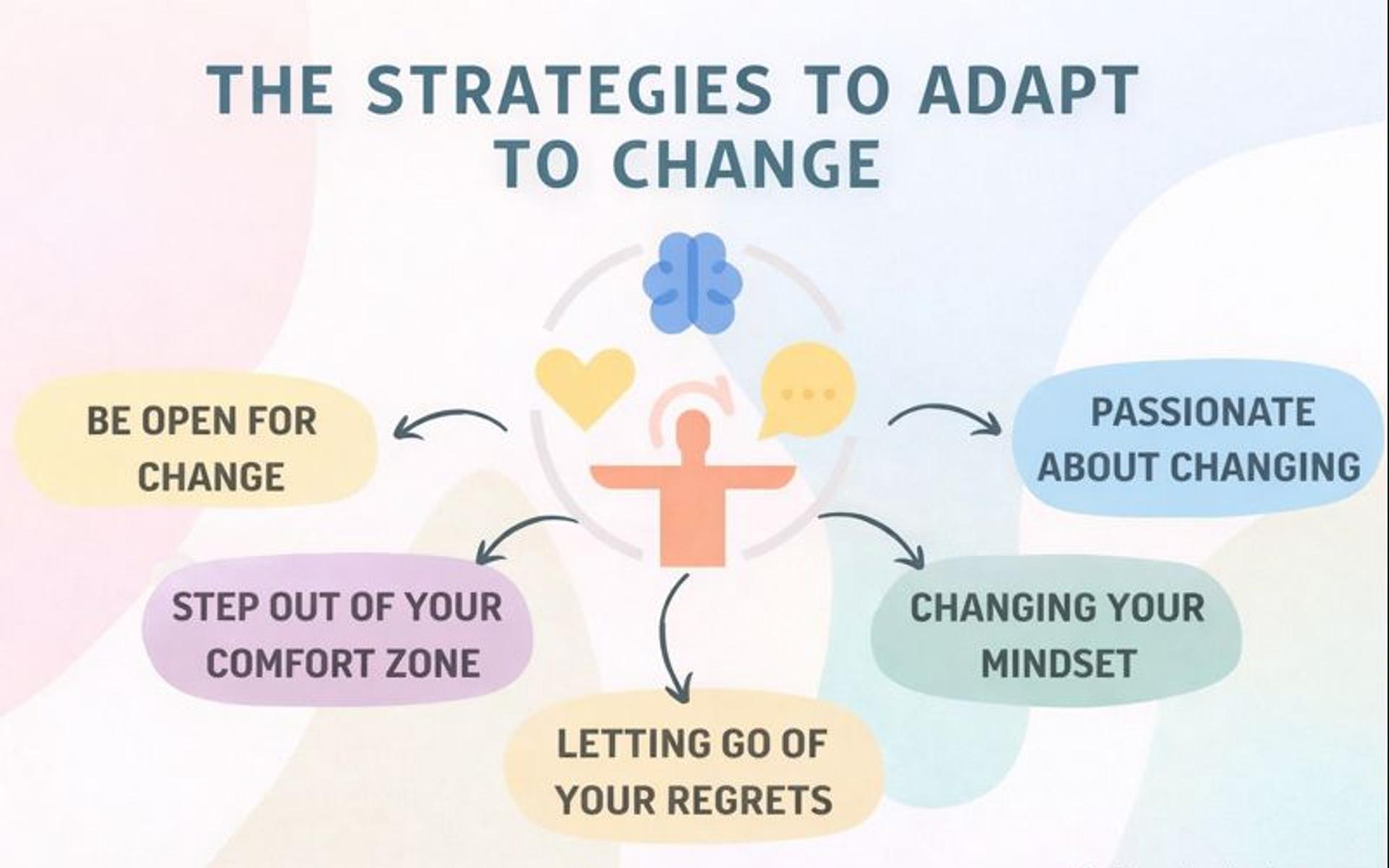
- Feedback Incorporation: by considering the feedback on the update of the vision, the stakeholders and certain other relevant groups may likely be engaged in its implementation more productively because their brains were consulted when all the goals and objectives were designed.
By doing so and by applying the vision statement as it was set, an organization can exploit it to foster growth, meaningful alignment, and engagement without posing limitations in any part of the business.
FAQ
What Is A Vision Statement In Business?
A vision statement is a short description of the future your company wants to create. It explains where you are going and what success looks like long term.
What Is A Good Vision Statement?
A good vision statement is clear, ambitious, and easy to remember. It paints a specific future outcome, not a list of services or features.
How Long Should A Vision Statement Be?
Keep it to one sentence or a short paragraph. A strong target is 10 to 20 words, or under 30 seconds to read aloud.
What Makes A Good Vision Statement?
It is future focused, specific enough to guide decisions, and broad enough to grow with the business. It feels inspiring but realistic, and it is simple enough that the team can repeat it.
What Are The Three Components Of Vision?
The three components of vision are core purpose, core values, and future aspiration. Together, they define why an organization exists, what it stands for, and where it aims to go.
What Are Three Vision Statements?
Examples of vision statements include:
1.
Tesla: To create the most compelling car company of the 21st century.2.
IKEA: To create a better everyday life for the many people.3.
Microsoft: To help people and businesses throughout the world realize their full potential.
What Are Three Guidelines For A Vision Statement?
A strong vision statement should be clear and concise, future-focused, and inspiring for both employees and customers.
What Is The Breakdown Of A Vision Statement?
A vision statement typically includes who you serve, what change you want to create, and the future impact you aim to achieve.
What Are The Components Of A Vision Statement?
Key components are purpose, values, and goals. Purpose explains why the organization exists, values guide behavior, and goals describe the desired future state.
Read more:
Conclusion
Creating an excellent vision statement is crucial in any organization that wants to focus on its purpose and provide strategic goals. Therefore, it cannot only be viewed as a dream, but the vision statement is essential in guiding the organization and its activities.


About Clay
Clay is a UI/UX design & branding agency in San Francisco. We team up with startups and leading brands to create transformative digital experience. Clients: Facebook, Slack, Google, Amazon, Credit Karma, Zenefits, etc.
Learn moreAbout Clay
Clay is a UI/UX design & branding agency in San Francisco. We team up with startups and leading brands to create transformative digital experience. Clients: Facebook, Slack, Google, Amazon, Credit Karma, Zenefits, etc.
Learn more