

Brand repositioning is not a “new logo” project. It is a decision to change what people believe you are, who you are for, and why you matter now.
In 2026, that decision gets harder and more important at the same time. Markets move faster. Feature parity is brutal. Distribution keeps shifting. And discovery increasingly happens through summaries, feeds, and AI assistants that compress your story into a few lines.
Google’s AI Overviews, for example, are explicitly designed to give users the “gist” quickly and then point to sources, which changes how people compare options and form first impressions.
Repositioning is how you stay relevant without becoming a different company every year. Done well, it makes your brand easier to understand, easier to choose, and harder to replace.
Understanding Brand Repositioning
Brand repositioning is about changing a company’s perception in the market’s eyes. It is more extensive than a logo or tagline change. It is a well-defined strategy for a brand’s image, messaging, and relationship with the market.
The brand seeks to establish an entirely new identity that appeals to existing and new consumers, often shifting with market conditions, competition, or consumer trends while maintaining recognizable elements of the brand's identity. This process refines positioning to better align with current market needs.
Brand Positioning
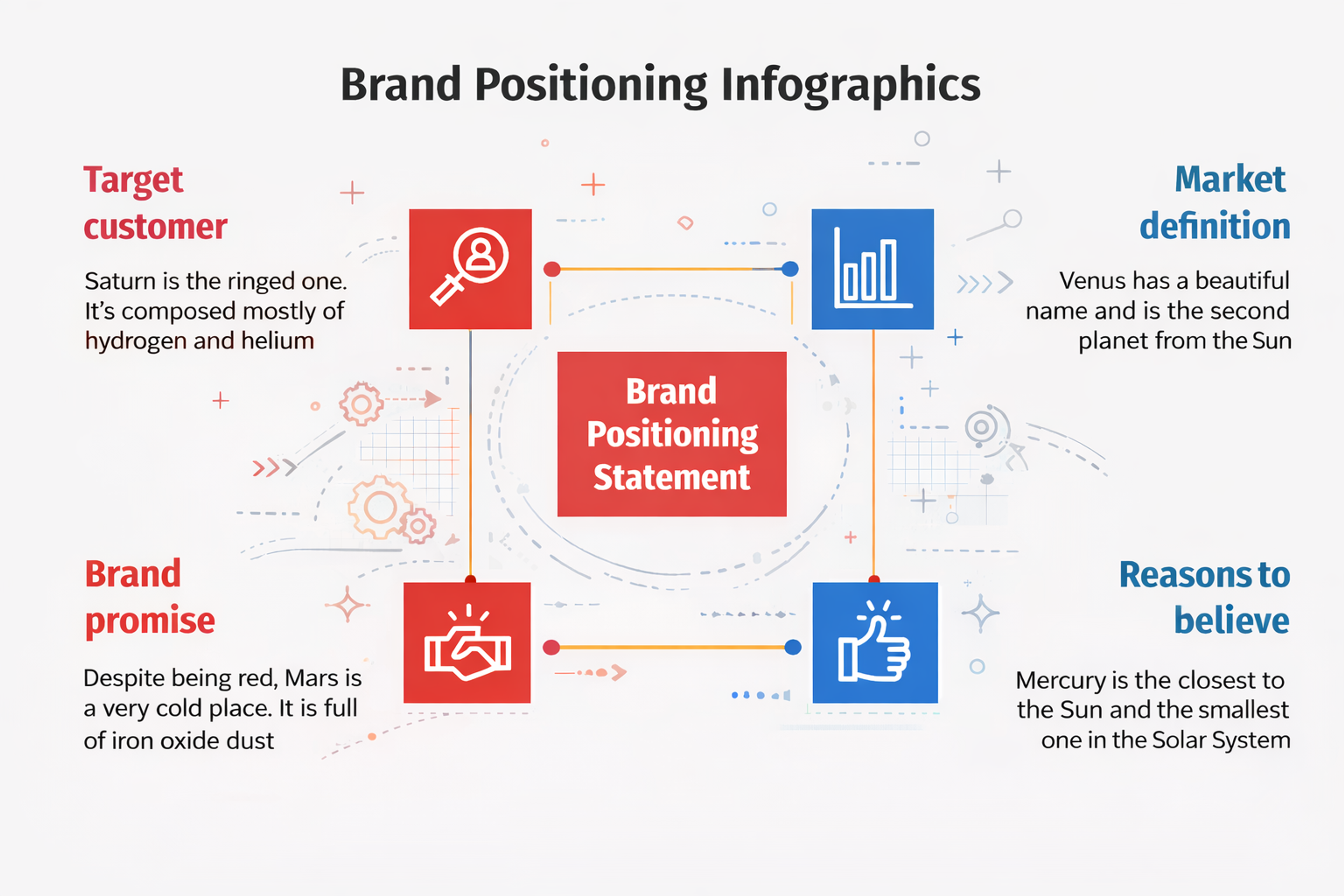
Attracting fresh prospects and bolstering existing clientele necessitates the ability to comprehend the brand’s standing in the market along with the necessity of its audience crafted by busy marketers doing hard work for the brand. Successfully repositioning entails attracting an entirely different audience from the original without losing the core clients the brand currently enjoys. The balance creates effective brand positioning representation in the marketplace.
As the brand might need to evaluate new products or services, change the value messaging, or the brand proposition target segment value altogether, it must ensure that the new segment appreciates the value sought through the brand. Brand repositioning aims to alter consumer perception and align the brand more closely with its target audience's evolving needs. The process interprets the semantics of both current and desired brand meanings.
Effective Strategies for Brand Repositioning
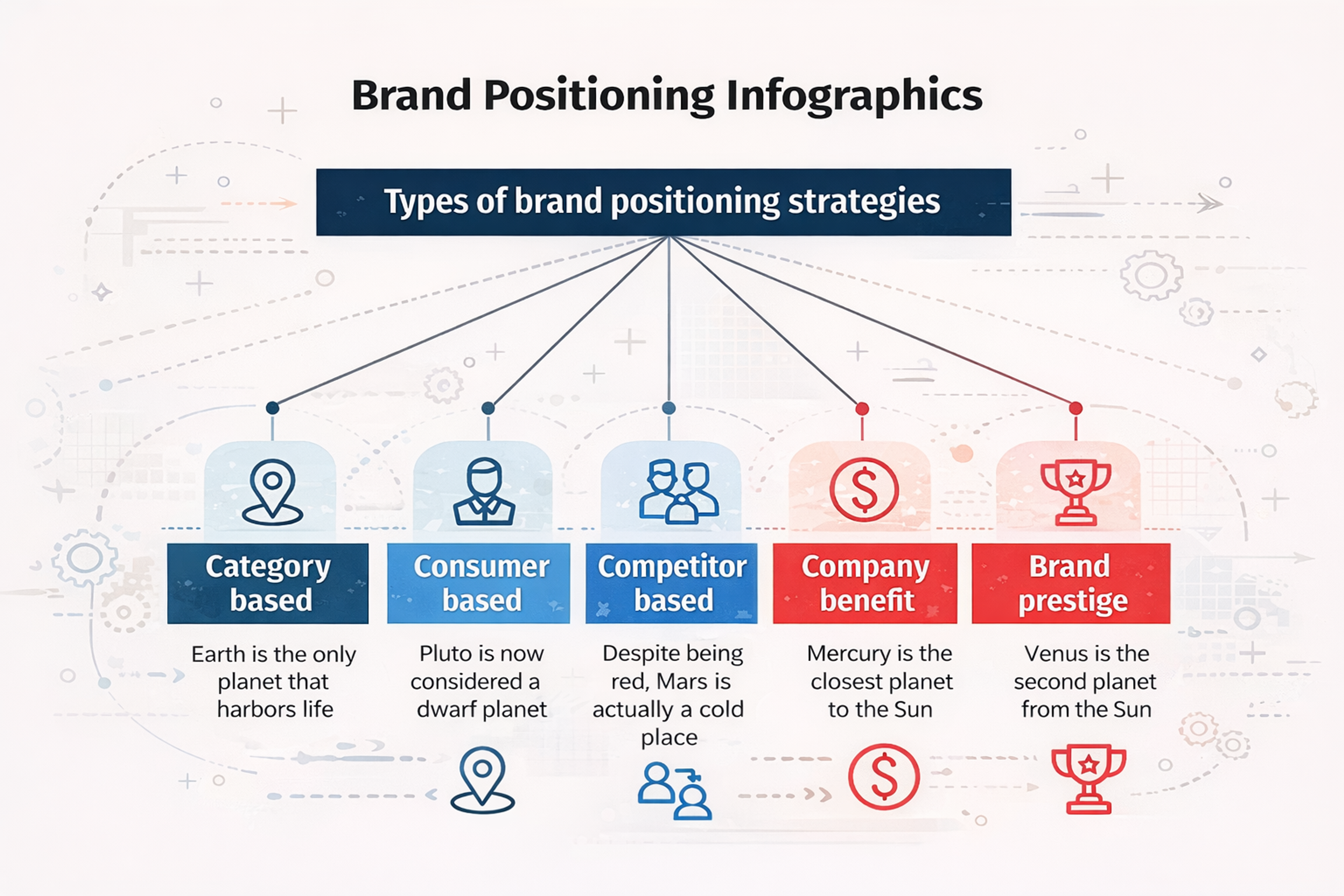
The context and brand change the proposition target, and through practical means, the brand storytelling needs to change. One of the best brand repositioning strategies could be changing the brand’s tone and character as people possess brandable. Witty, rugged, warm, and sophisticated are strong characteristics, and changing the above helps attract segments proactively.
Another approach is to highlight products with clear differentiators and proven performance. A brand can also shift meaning by narrowing who it speaks to, for example focusing on homemakers. This sharpens messaging and guides design choices so the visuals signal the right cues to the right segment.
Repositioning can also come from actions, not just words. A genuine commitment to a mission or cultural movement can deepen connection and open new space, especially when it is consistent and measurable.
Many successful shifts start by finding whitespace, an underserved area the brand can credibly own without drifting too far from its core.
Brand Positioning
Product Repositioning
Ever feel like your product is getting lost in the noise? That’s where product repositioning comes in. It’s all about changing how your product is seen, making it fresh, relevant, and irresistible to a new audience.
But why reposition? It could be a shift in consumer habits, a rapidly evolving marketplace, or fierce new competition. Whatever the reason, the goal is the same: to align your product’s value with what your new audience truly cares about.
How Product Repositioning Works:
- Highlight New Benefits: Want to attract a younger audience? Emphasize features that speak to them — like eco-friendliness, digital convenience, or affordability.
- Reframe for New Audiences: Luxury brands, for example, can shift focus from exclusivity to sustainability, appealing to conscious consumers.
- Leverage Brand Associations: Align with social causes or values that resonate with today’s buyers — like promoting wellness, sustainability, or diversity.
Why It Matters:
In a world where tastes change overnight, staying stuck is not an option. Smart product repositioning doesn’t just keep your brand relevant — it opens new doors, engages fresh audiences, and ensures you stay ahead of the competition.
Define Repositioning In Marketing
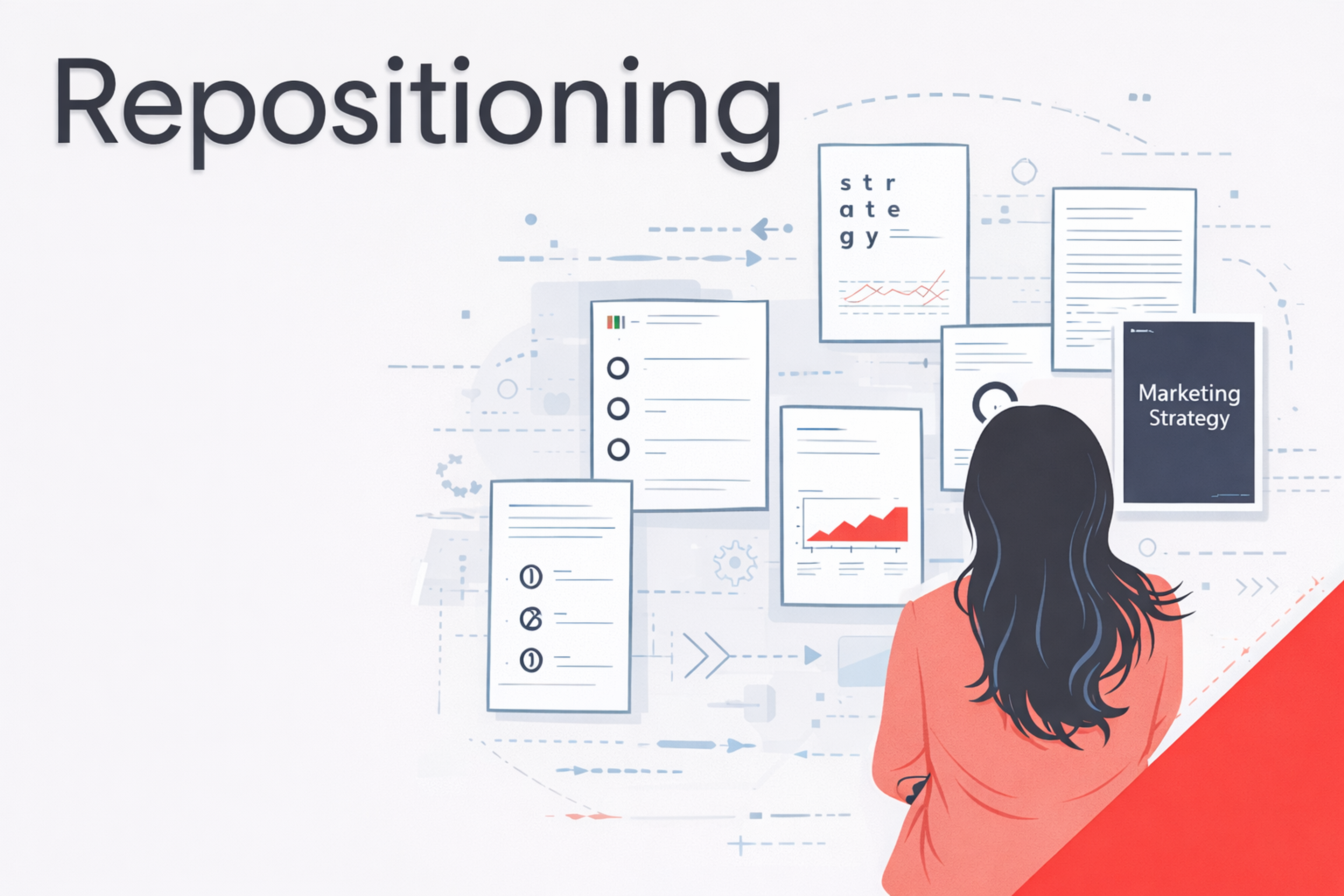
This strategic approach uses corporate visual semantic analysis to understand how visual elements communicate new meanings.
Brand Message Repositioning
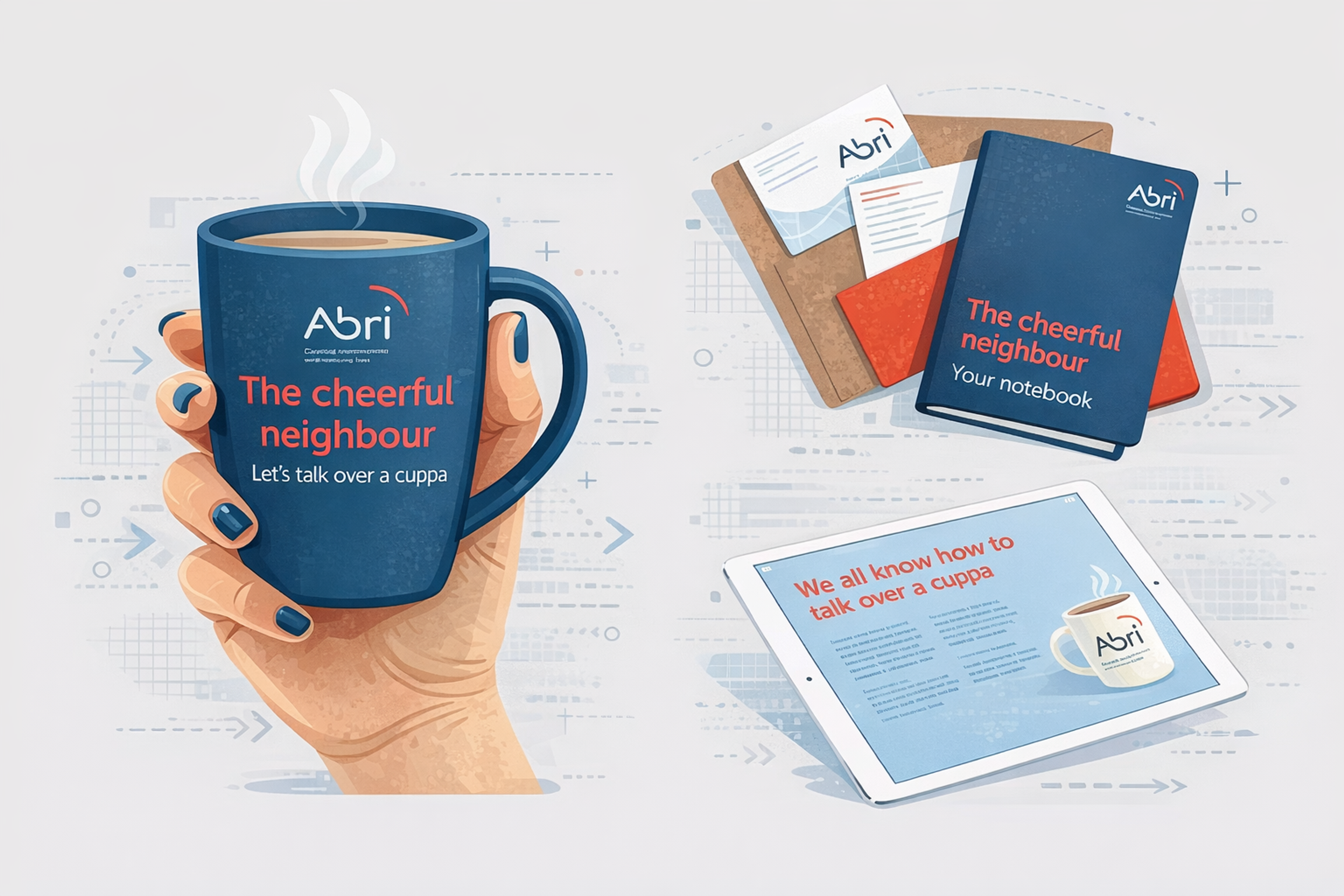
Brand message repositioning means changing how a brand communicates its core values so it stays relevant and connects better with an audience whose needs are evolving.
It starts with reviewing the current message to find gaps. Then the brand adjusts what it emphasizes, such as quality, social responsibility, or sustainability. It can also shift the emotional angle to feel more personal and compelling.
Repositioning can help a brand reach new audiences, especially when markets shift. The message changes in focus and language so new segments understand the value faster.
To work, the change must feel authentic and consistent with the brand’s fundamentals. Done well, it strengthens trust, refreshes perception, and opens new growth.
Brand Messaging
Market Repositioning
Market repositioning is shifting a brand’s focus to seize new opportunities, reach new segments, or claim a sharper niche.
It can happen through target market development, competitive differentiation, or a values-based shift like sustainability or inclusion, but only when actions back it up.
To work, it needs a clear view of the market and customer behavior, a credible story, and consistent execution across all touchpoints.
What is Repositioning

Brand Repositioning Examples
Yellow Tail
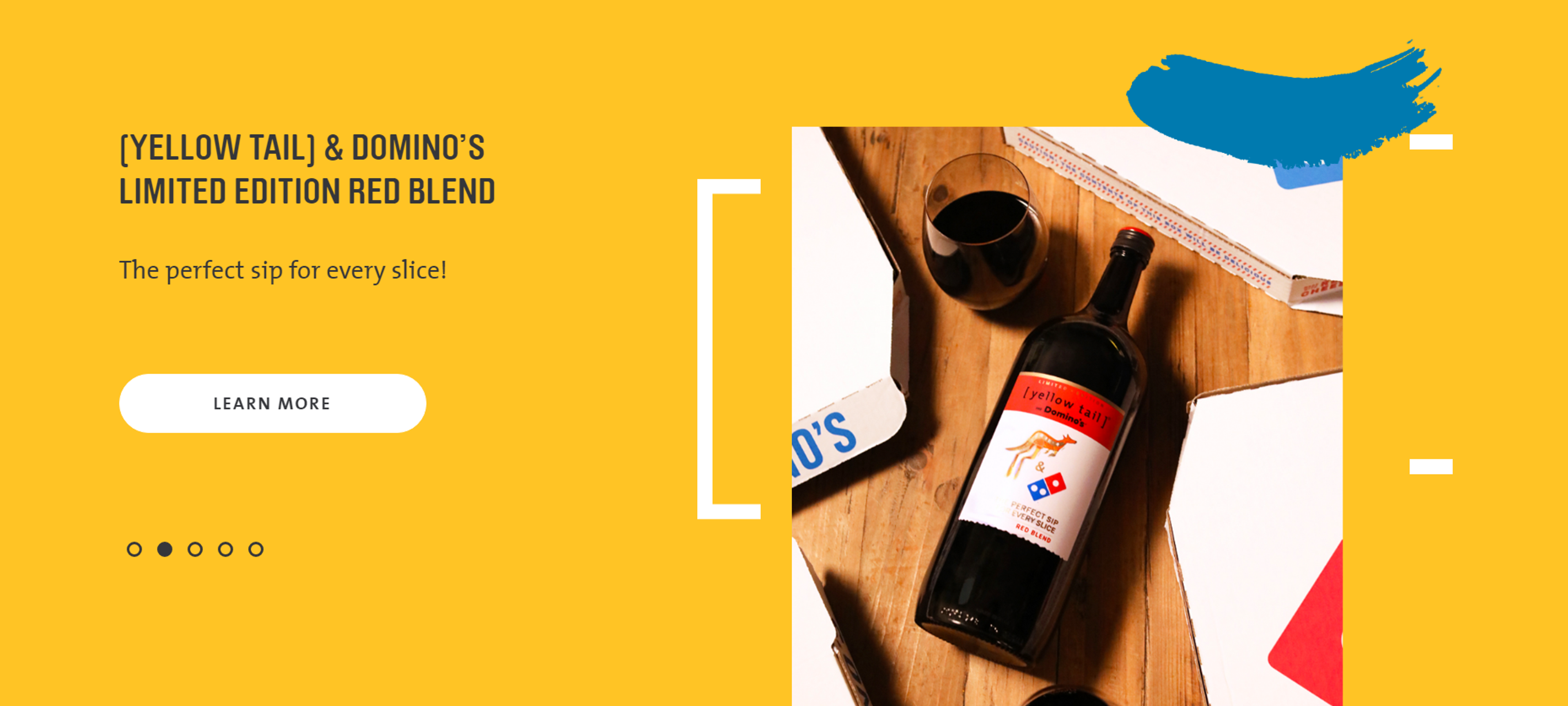
This Australian wine brand has managed to change its branding and repurpose its products for the American marketplace by focusing on low-cost and convenience-oriented branding. Rather than serving sophisticated wine drinkers and the intimidating world of wine culture, the brand opted for a more entertaining and welcoming stance.
They designed their image and marketing to capture a younger audience and repositioned wine as something to be enjoyed at any time, without expertise and appreciation. This enabled them to access a wider group of people seeking great wine without the fuss. These strategic actions are part of their brand repositioning efforts.
Source: yellowtailwine
Bumble
Bumble started as a dating app but was soon repositioned to modify the brand's status from a dating app to a general meaningful social connections app. Understanding the need to build relationships beyond dating, Bumble ventured into social and professional networking with baby Bizz and friendship with BFF. Now, the app allows users to connect through Love, Work, and Fandom. With these features, Bumble users can find love, make career moves, and make long-term friendships in a single space.
Source: bumble

Pabst Blue Ribbon (PBR)
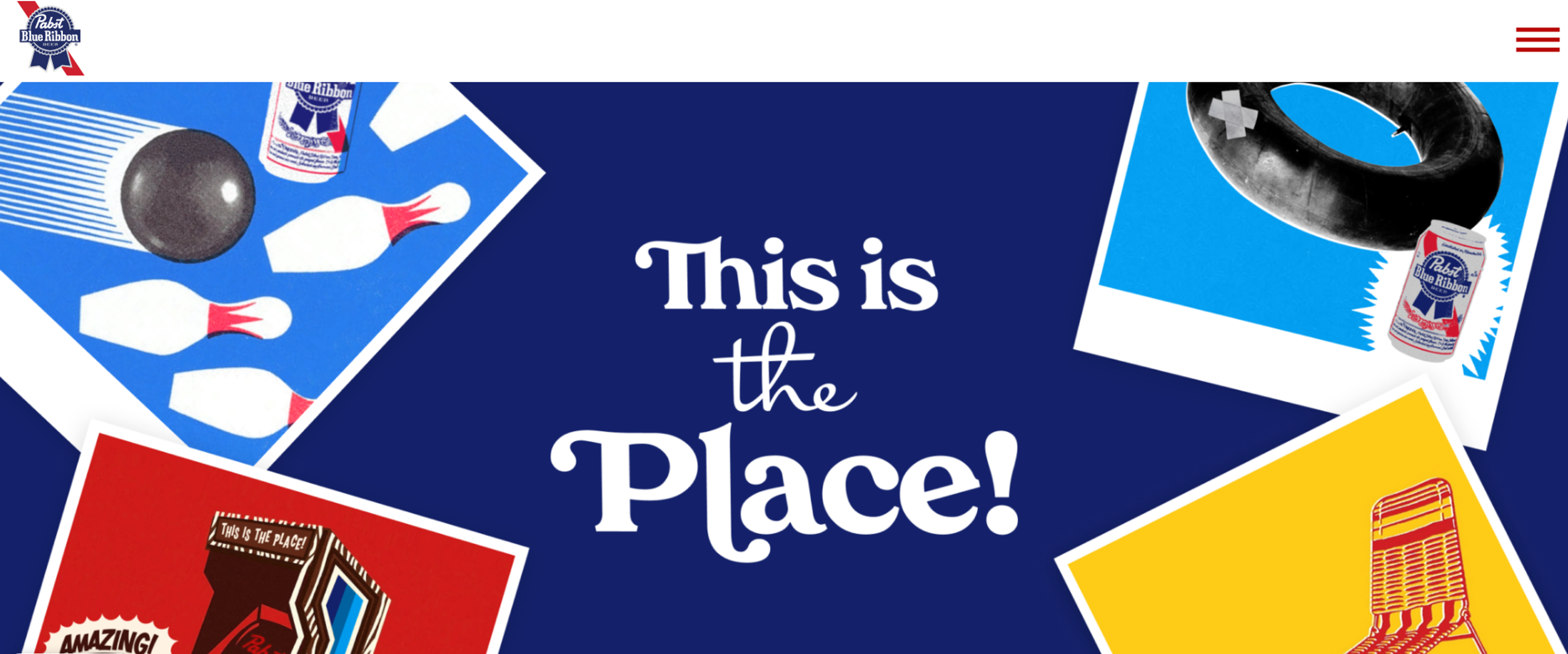
At first, it was seen as a budget-friendly beer for old folk, but Pabst Blue Ribbon managed to change that perception through its rebranding. PBR cleverly used word-of-mouth marketing to become the hip choice for retro-loving urban youths.
The brand is famous. Pabst leverages nostalgia marketing by appealing to millennials while highlighting its authenticity and grabbing the attention of its target audience. It is affordable and perceived as a trendy brand, which has quickly helped it become the beer of choice for those who want something unpretentious and cost-effective.
Source: pabstblueribbon
Executing a Repositioning Strategy
Brand repositioning can be a risky strategy, but when you brand effectively, it can help businesses achieve how customers see them and simultaneously help enterprises sustain their core identity.
Executed properly, these strategies allow the company to create compelling value directed not only to their current customers but also to new ones, thus increasing relevance in the market.
1. Understand the Market
Companies must first gain a deep understanding of the market to do effective brand repositioning. Several factors must be considered, such as consumer behaviors, competitor movements, trends, and other shifts in demand. By examining these factors, businesses can determine the opportunities, challenges, and needs that are not being attended to.
Strategies like market analysis, focus groups, or advertising surveys provide a lot of value and insight to marketers regarding the current perception of the brand and what their ideal perception should be.
To ensure that a business’s strategy is on point with the market dynamics, this knowledge and insight make repositioning effective from the get-go by allowing companies to adapt their business model accordingly.
Focus Group

2. Evaluate the Current Brand Position
Reevaluating the brand is one of the essential parts of rebranding. Brand repositioning refers to making minor adjustments in a brand's identity to better meet changing consumer needs and market conditions, differentiating it from a complete overhaul.
Brands should consider how their brand is positioned in the marketplace, how customers evaluate it, what the company considers to be its strengths and weaknesses, and its unique selling points.
Brand equity, loyalty, and the emotional intimacy the brand has with the people all contribute to the thorough analysis that should be conducted. This analysis helps understand the gaps in the current position relative to what is desired in the market position and shows where change is essential.
3. Develop Repositioning Strategy
After conducting these analyses, the next step is formulating brand repositioning strategies. This means defining new brand goals, which include the new target market, brand voice, and the value the brand seeks to provide.
The repositioning strategy should address key questions: What desires do customers have, and how do we strive to fulfill those? What is our edge against other brands? What emotion is associated with the brand that will suit the new audience? This strategy must be integrated with product, brand essence, tone, and communication style to be relevant to the people and market conditions.
4. Align Brand Elements
There’s a repositioning strategy in place, so now it’s time to align the elements of the brand's identity, such as the logo, tagline, color scheme, and marketing materials, with the new positioning. This step ensures that the brand visual identity elements, as well as the voice and messaging, are aligned across various platforms.
Visual identity
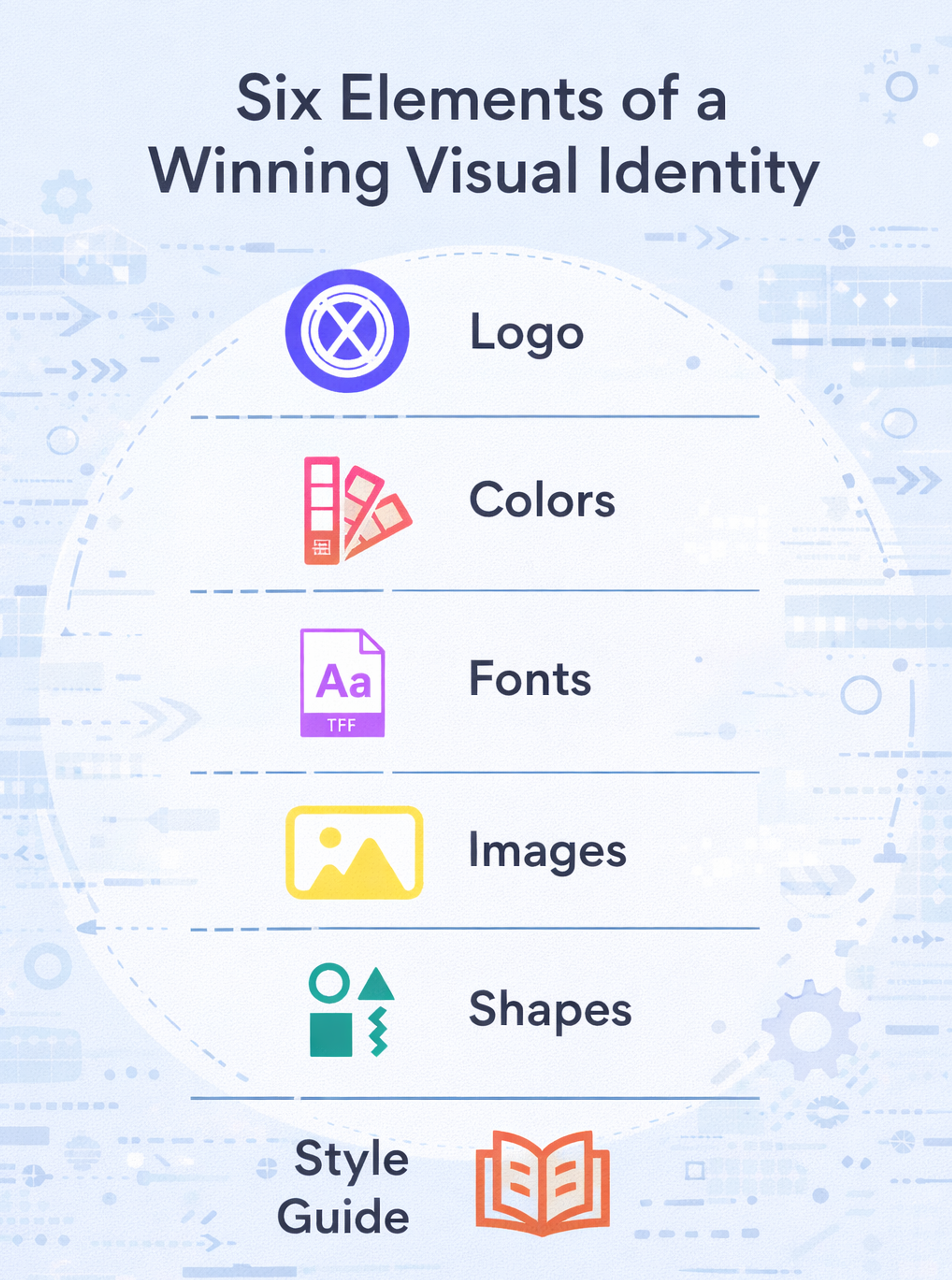
Aligning brand elements is critical for creating a brand experience for customers so that the new brand positioning is tangible. This may include changes to the product, updating the website, changes to social media messaging, and all other forms of communication to support the repositioned identity.
5. Communicate the Repositioning
Customers are also stakeholders and must understand the brand’s changes, and these kinds of repositioning need proper communication. Launching marketing efforts, such as a mix of marketing campaigns, public relations, and customer involvement, can effectively communicate these changes.
This message must not be complex as it must state the reason behind the repositioning and what will be expected from the brand, and it has to be straight to the point.
Internal communication is equally essential since employees must understand the new direction and how to reposition the brand to the public. This helps position the brand correctly and assures that the repositioned brand will resonate with the audience.
6. Measure Results
When repositioning a brand, measuring the impact after the strategy has been executed is essential. To measure success, businesses need to monitor key performance indicators (KPIs), including brand recognition, client satisfaction, sales revenue, and market share.
Customer sentiment analysis through recurring surveys, social media conversations, and even general feedback after the repositioning exercise offers tremendous value. These findings highlight the need to be flexible to make changes where needed to ensure the brand grows with its target audience.
Common Challenges and Risks in Brand Repositioning
Brand repositioning is one of the more compelling growth strategies. However, it does have challenges and risks that accompany it. Knowing these challenges helps in planning an efficient approach and minimizing losses.
Here are some of the most common issues that companies experience with repositioning their brands:
Loss of Brand Identity
When repositioning, brands almost always risk losing the essence of the brand. A brand's core identity is associated with consumer trust and loyalty.
A sudden change or oversimplification of the repositioning strategy can lead to disconnection with loyal customers, causing confusion and disengagement.
Change is always welcome, but to maintain brand equity, consider important brand assets carefully.
Customer Confusion
At times, brands must change their messaging, tone, and core product and service offerings completely. If not done methodically, existing customers tend to get confused or alienated.
People Avatars

Clear and concise communication is paramount throughout the process to ensure complete understanding from the consumer. Failure to effectively manage the consumer's expectations can result in a loss of trust and loyalty and is more likely to accompany a negative mark on the brand.
Resistance to Change
External and internal parties might show resistance to the repositioning. Customers who indicate a brand association may not find acceptance in the shift, and employees attached to the preset strategy may also struggle to associate themselves with the new direction.
To facilitate communication and change, 'buying' time and offering transparent communication will go a long way in allowing both teams and customers to adjust.
Misalignment with Market Trends
Repositioning a brand feels like a high-stakes makeover. It can unlock growth, but it can also backfire. Going after a new target market or following a trend may look like a shortcut, yet if the trend fades or conflicts with your identity, the damage can outweigh the upside.
When brands move too far from their core values, they can feel inauthentic. The challenge is not simply keeping up. It is knowing when to adapt and when to stay grounded. The goal is relevance without losing credibility.
Done well, repositioning can revive a brand, attract new audiences, and accelerate growth. It takes careful planning, clear communication, and strong execution. Brands that map the strategy, anticipate risks, and stay aligned with their values tend to come out stronger and more future-ready.
Read more:
Conclusion
Success isn’t just about hitting a lucky break — it’s about making the right moves and avoiding the wrong ones. It means understanding the key success factors, sidestepping common mistakes, and setting clear, long-term goals. When you’ve got these pieces in place, success stops being a question mark and starts becoming a matter of time.
Remember, it’s not just about starting strong — it’s about staying consistent, learning from missteps, and always aiming higher. So, take a deep breath, set your sights, and go make it happen.


About Clay
Clay is a UI/UX design & branding agency in San Francisco. We team up with startups and leading brands to create transformative digital experience. Clients: Facebook, Slack, Google, Amazon, Credit Karma, Zenefits, etc.
Learn moreAbout Clay
Clay is a UI/UX design & branding agency in San Francisco. We team up with startups and leading brands to create transformative digital experience. Clients: Facebook, Slack, Google, Amazon, Credit Karma, Zenefits, etc.
Learn more