
Brand image is the sum of what people think and feel about you — and how that shapes their choices. This article focuses on what to do: set a clear position, align touchpoints, measure perception, and improve continuously. It also supports image management by outlining steps that any business can take.
Part 1: Strategic Foundation
What Brand Image Means
Brand image is the network of associations people hold in memory about your brand — not what you wish they thought (that’s identity), nor your financial asset value (that’s equity). A concise academic take: image sits inside customer-based brand equity, the differential effect of brand knowledge on consumer response.
What Is Brand Image

Brand Image vs. Brand Reputation vs. Brand Perception
Brand image and reputation are key factors that shape how a company is perceived, but they serve different roles in influencing customer trust and business success.
Brand image is the visual and emotional identity a company intentionally creates. It includes logos, colors, messaging, and overall aesthetic, aiming to evoke specific feelings and associations in consumers’ minds.
A strong brand image helps businesses stand out, attract the right audience, and communicate their values effectively, ultimately enhancing the company's brand image. Companies implementing brand image management strategies see better customer recognition and loyalty results.
Companies that implement brand image management strategies see better customer recognition and loyalty results. A structured approach actively manages brand image effectively, reducing inconsistencies and strengthening long-term perceptions.
Brand Image vs. Brand Identity vs. Brand Equity
It’s easy to confuse brand image, brand identity, and brand equity. However, they’re all quite distinct. Brand equity is associated with a customer’s loyalty and trust in a particular product or brand. It results from a brand’s perceived value and is created over time with customer experiences.
Brand identity is how you, as a company, want to be perceived by your customers and consumers. It includes elements like logos, messaging, design style, and tone of voice, all of which contribute to the brand's personality. Understanding these differences supports image management by helping you focus your efforts in the right areas.
On the other hand, brand image is how customers perceive your brand based on their own experiences. It’s often shaped by customer service, product quality, and other interactions with your business. A company that manages image well continually improves these touchpoints to align with desired associations.
Brand Identity vs Brand Image

Positioning That Actually Works
1.
Map the competitive set and real customer perceptions.2.
Choose a specific, defensible space tied to your strengths and to outcomes customers care about.3.
Express it in a value proposition that answers: what problem, what result, why believe.4.
Execute it consistently across product, service, and comms — then track whether people actually link you to the attributes you want. This alignment ensures your company manages brand image in line with strategy..
Make It Governable
Define who decides brand changes, publish usable guidelines (messaging, voice, experience standards — not just logos), train teams, and create feedback loops from sales/support to brand owners. It’s especially important across crypto, Web3, traditional, and digital banking, and more.
If you manage a portfolio, make the structure obvious to customers and invest where image drives growth. This makes it easier to support image management across business units and channels.
Part 2: Consumer Psychology
How Minds Form Brand Impressions
People use a fast, intuitive mode and a slower, deliberate one. Good brands earn quick, positive “System 1” impressions and also satisfy “System 2” scrutiny.
Availability (coming to mind easily) and accessible positive links matter; so do emotions like trust and pride — but design for your category and customers, not generic “emotional branding.”
Brand Persona
If you use archetypes, borrow them from robust sources. Pick one that fits your customers’ motivations and your capabilities, and keep the tone consistent. Don’t force mascots or tropes where they don’t help comprehension.
Brand Persona Example

Getting Real Insights
Segment by behavior and needs, not only by demographics. Mix surveys (breadth) with interviews/diaries (depth). Rapid tests (implicit association, eye-tracking) can help, but treat “emotion AI” claims skeptically and validate findings with behavior. Consistent measurement also helps teams that manage brand image continuously refine their positioning.
Part 3: Visual Identity & Experience
Visuals That Serve Strategy
- Logo: legible in small sizes, works in mono, fits your space.
- Color: choose for meaning and contrast, test on dark/light modes.
- Type: match tone (e.g., humanist sans for warmth, serif for tradition) and ensure readability.
Experience Delivers the Image
List your real touchpoints (product, support, onboarding, packaging, sales, site, emails). Define the expected feeling and action at each. If you promise “simple,” measure and remove friction. If you promise “expert,” invest in proactive guidance.
Part 4: Building a Strong Brand Image Strategy
A powerful brand image is the same clear, steady promise that is showing everywhere your audience meets you. It builds trust, pulls the right people in, and fuels steady growth.
Source: Alexander Shatov / Unsplash
Essential Components
- Visuals. Choose a memorable logo, intentional colors, legible fonts, and a flexible design system. Always test contrast, small text, and dark/light modes to ensure it shines in every context.
- Storytelling. Highlight true customer stories and data that spotlight results, not just features. Keep the tale simple, authentic, and easy to repeat.
- Experiences. Every touchpoint — product, support, website, social media — should mirror your core promise. Cut out friction, reply quickly, and maintain high quality.
Strategy in Practice
First, nail down your mission, core values, and the unique result you deliver (plus why people can trust it).
Next, translate that identity with the same voice, matching visuals, and a clear message everywhere — in product, marketing, and service.
Finally, integrate it within your company: share clear guidelines, run training, and name ownership so every decision stays on-brand.
Keep Getting Better
Close the feedback loop. Monitor surveys, reviews, and social media to find blind spots. Address friction, A/B test crucial moments, and refine continually. Protect the core promise while you polish how you deliver it.
Part 5: Measuring What Matters
Core Metrics
Track: unaided/aided awareness, consideration, and association strength on the attributes you aim to own. Link perception to business results (conversion, price premium, retention, LTV). Use modeling to separate brand effects from promos/seasonality and to monitor share of mind vs. share of market.
Modern Listening
Use social/review/news listening to see sentiment direction by topic and audience. Investigate why spikes happen, set alerts for fast drops, and prepare response playbooks. Treat dashboards as hypotheses, not truth — confirm with customer data.
Perception Mapping
Use statistical mapping to see how customers organize the category and where you sit. Do it by segment, track movement over time, and connect positions to outcomes. Use the map to choose what to strengthen next.
Part 6: Today’s Brand Realities
Sustainability & Social Impact
Pick commitments tied to your business model and publish specific, auditable goals. Report progress — including misses. Third-party verification helps credibility.
Cultural Fit & Scale
Adapt for local values without losing your core. Train teams to avoid cultural misreads in symbols, colors, and references. Track how expectations shift across generations and adjust with intent, not trend-chasing.
Authenticity
Say what you do, do what you say, and let operations carry most of the load. Use clear language, acknowledge trade-offs, and bring real people and processes into view.
Part 7: Strong and Weak Brand Image
Examples of Strong Brand Image
A strong brand image is one that immediately connects with consumers, communicates a clear message, and evokes a distinct feeling or perception, as seen in successful brand images. Here are some brands that have successfully built a powerful and recognizable image:
Louis Vuitton
Louis Vuitton is a French luxury brand founded in 1854, known for its high-end handbags and accessories. Its products have become global status symbols, combining timeless design with exceptional craftsmanship.
The brand's popularity stems from its classic, durable styles, use of premium materials, and association with celebrity culture. High price points add to its exclusivity, making ownership a mark of prestige.
With a history of innovation and quality, Louis Vuitton continues to lead the luxury market worldwide.
Source: cody gallo on Unsplash

PalmPalm
Similarly, PalmPalm embodies a strong brand identity with its modern and vibrant design, emphasizing clean lines and bold colors. We communicated a sense of health and vitality in the brand's visual language, aligning with its mission to provide high-quality hygiene products. Using consistent imagery and design elements, PalmPalm has established a recognizable and trustworthy presence in the market.
PalmPalm brand image by Clay
CNN
Based in Atlanta, Georgia, CNN is an internationally recognized news network broadcast in over 200 countries. Since its founding in 1980, CNN has earned a reputation for delivering timely and accurate coverage of global events.
The network focuses on keeping audiences informed with up-to-date news, both positive and negative. Its slogan, “We bring the world to you,” reflects its commitment to real-time, global reporting.
CNN is widely respected for its journalistic integrity, avoiding sensationalism and misinformation. Viewers trust CNN for reliable, high-quality news content, making it a go-to source for breaking stories and current affairs.
Source: pcrm Dorego on Unsplash

Examples of Negative Brand Image
Here are some best negative examples of brand image:
Victoria's Secret
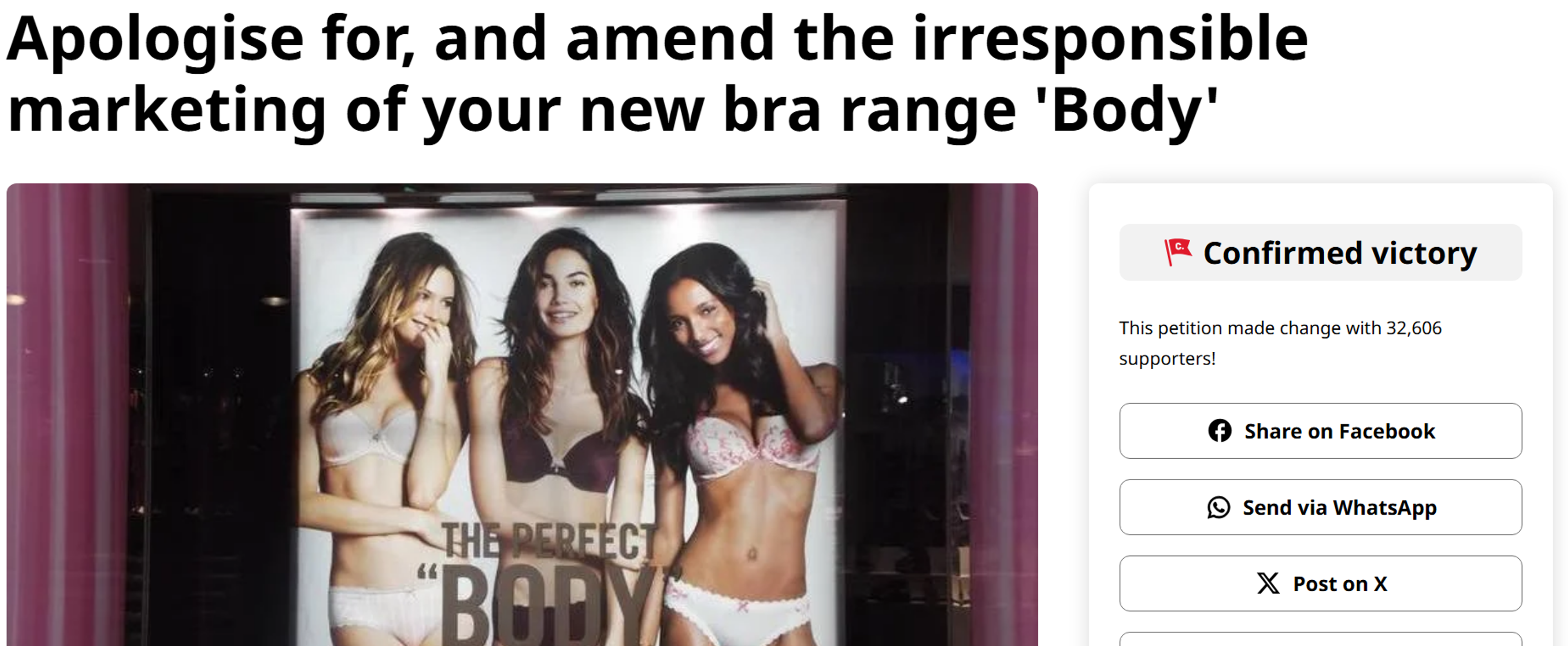
In 2014, Victoria’s Secret faced backlash over its “The Perfect ‘Body’” campaign, promoting its Body lingerie line. The slogan, paired with images of ultrathin supermodels, was criticized for reinforcing unrealistic beauty standards and promoting unhealthy body ideals.
Consumers voiced concerns online, arguing that the campaign harmed self-esteem and encouraged disordered eating. A petition demanding an apology and correction gathered over 30,000 signatures, prompting Victoria’s Secret to revise the slogan to “A Body for Every Body.” While the imagery remained the same, many saw the change as a small but positive step forward.
Source: change.org
IHOP
In October 2015, IHOP faced criticism after posting a tweet that compared its pancakes to women’s bodies. This wasn’t the first time the brand had made gender-related references in its marketing, but this particular post sparked widespread backlash.
The tweet, “Flat, but has a GREAT personality,” was seen by many as inappropriate and sexist. While some dismissed the outrage, others argued that the message was offensive and reinforced harmful stereotypes. As backlash grew, IHOP quickly deleted the tweet and issued an apology. However, many critics remained unimpressed, continuing to condemn the brand for its tone-deaf marketing approach.
Source: dailymail.co.uk

H&M
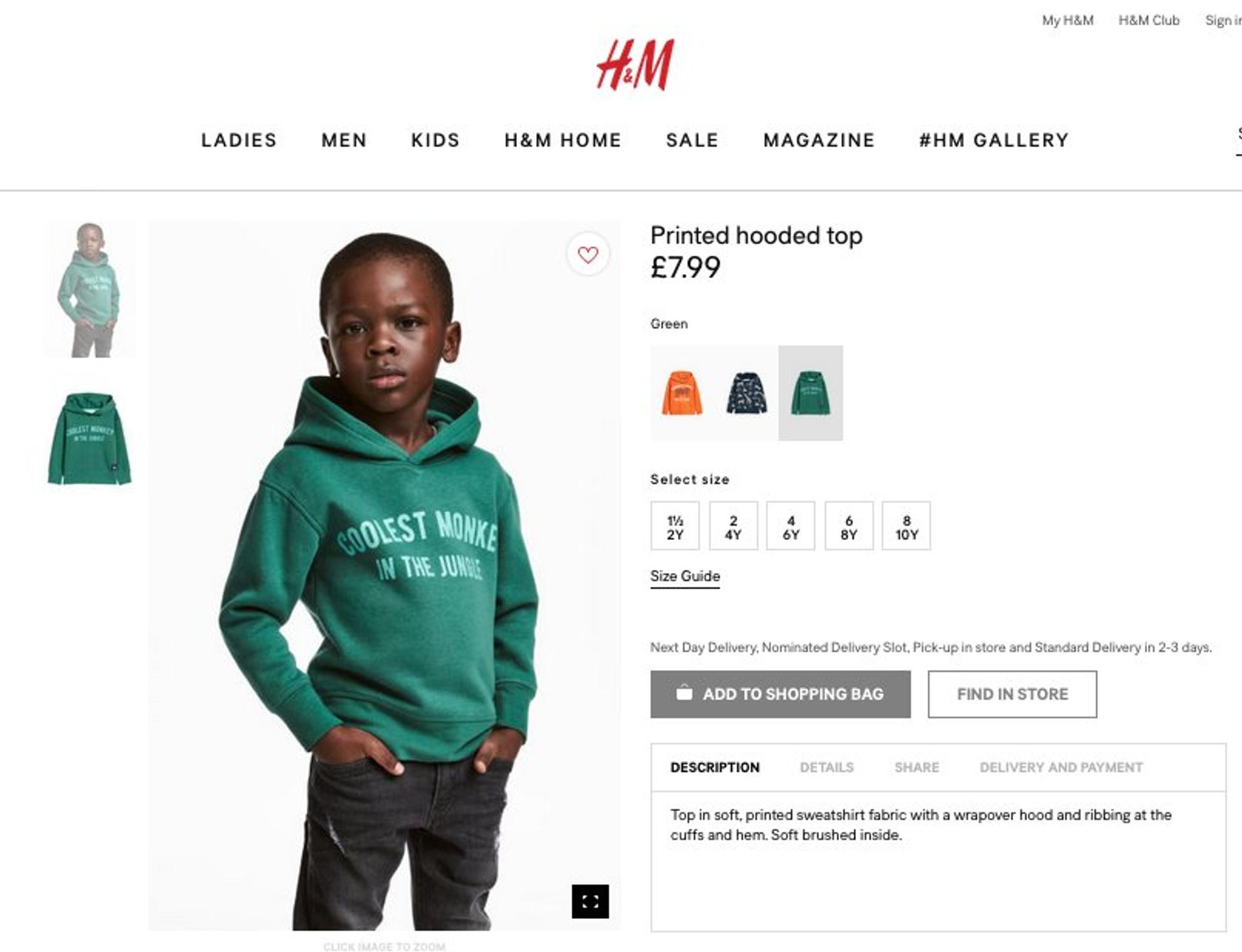
In 2018, H&M faced intense backlash over an ad featuring an African American child wearing a sweatshirt with the phrase “Coolest Monkey in the Jungle.” Given the term’s history as a racial slur, many saw the image as dehumanizing.
Critics pointed out that white children in the same collection wore sweatshirts with phrases like “Survival Expert” and “Junior Tour Guide,” fueling accusations of racial insensitivity. Social media erupted, with some believing the brand deliberately courted controversy, while an ex-employee suggested it was a case of cultural ignorance.
H&M quickly removed the image and apologized, but criticism persisted as the sweatshirt remained available on its UK website, raising further doubts about the company's awareness and response.
Source: foxnews.com
Part 8: What’s Next
Personalization (done with respect for privacy), useful AI assistants, and immersive demos will raise the bar on relevance and trial. Sustainability will keep moving from “PR” to “how you operate.” Keep your core promise stable while you evolve how you deliver it.
Read more
FAQ
What Do You Mean By Brand Image?
Brand image is the public perception of a company or product, shaped by customer experiences, marketing, visuals, and reputation. It represents how people feel and think about a brand.
What Makes Up A Brand Image?
A brand image is made up of visual identity (logo, colors, design), messaging, customer experience, values, and reputation. These elements together influence how customers recognize and trust the brand.
How Do You Create A Brand Image?
To create a brand image, define your brand values and message, design a consistent visual identity, and deliver positive customer experiences. Consistency in communication and actions builds a strong, trustworthy image.
What Is The Difference Between A Brand Image And A Logo?
A logo is a visual symbol representing a brand, while brand image is the overall perception and emotional impression people have of the brand. The logo contributes to brand image but does not define it completely.
Conclusion
Brand image is an integral part of creating a successful business. It's essential to consider how customers perceive your brand and ensure that all aspects, from visuals to interactions, are crafted with thought and care. With consistent effort in preparing a positive brand image, businesses can ensure their public perception remains strong.


About Clay
Clay is a UI/UX design & branding agency in San Francisco. We team up with startups and leading brands to create transformative digital experience. Clients: Facebook, Slack, Google, Amazon, Credit Karma, Zenefits, etc.
Learn moreAbout Clay
Clay is a UI/UX design & branding agency in San Francisco. We team up with startups and leading brands to create transformative digital experience. Clients: Facebook, Slack, Google, Amazon, Credit Karma, Zenefits, etc.
Learn more