

Updated for October 2026. No paid placements.
Choosing a branding agency is about choosing a partner that can shape how your company is understood, trusted, remembered, and bought.
The right agency for an early-stage startup is rarely the right agency for a global enterprise rebrand. A fintech company with a complex product has different branding needs than a consumer brand preparing for a high-visibility launch. That is why most flat “best branding agencies” lists are only partly useful. They give you names, but not enough guidance on fit.
This guide is designed to make that decision easier.
Instead of treating every agency like a universal solution, we reviewed firms based on strategy, creative quality, system thinking, rollout readiness, and credibility. We also looked at the kind of business each agency is best suited to, because the best branding agency for a Series A startup is not the same as the best agency for a mature company managing multiple products, teams, and markets.
Start here for a Quick Review
If you want the short version, these are some of the strongest branding agencies in 2026 by use case:
- Best for startup branding: Mission Control
- Best for digital-first brands: Clay
- Best for premium design-led branding: Pentagram
- Best for culture-shifting rebrands: Wolff Olins
- Best for growth-oriented brand strategy: Vivaldi Group
- Best for mature brand systems and naming: Lippincott
- Best for bold consumer-facing branding: Jones Knowles Ritchie
- Best for clarity in complex categories: Siegel+Gale
- Best for global brand systems: Saffron
- Best for immersive brand experiences: Snøhetta
A good rule is simple. Do not choose an agency based on visuals alone. Choose based on fit. The best branding agency is the one that can solve your business problem at your stage, with the right balance of strategy, craft, and execution.
What a Branding Agency Does
Branding work moves through five stages, ending with a system the client's team can manage in-house.
- Research. Work starts with client and customer interviews and a competitor audit. Each one contributes to the direction that comes next.
- Positioning. Research findings are narrowed to a single statement of what the company stands for.
- Verbal identity. Naming, message hierarchy, and tone are defined and documented as reference copy showing the voice in use.
- Visual identity. The agency designs the logo, typeface, colors, imagery, and other assets as part of a single visual language.
- Brand system. Everything above comes together as a single set of guidelines the client can use to keep the brand consistent across channels.
How We Evaluated These Branding Agencies
We don't just pick agencies because we like their style or they're trendy right now.
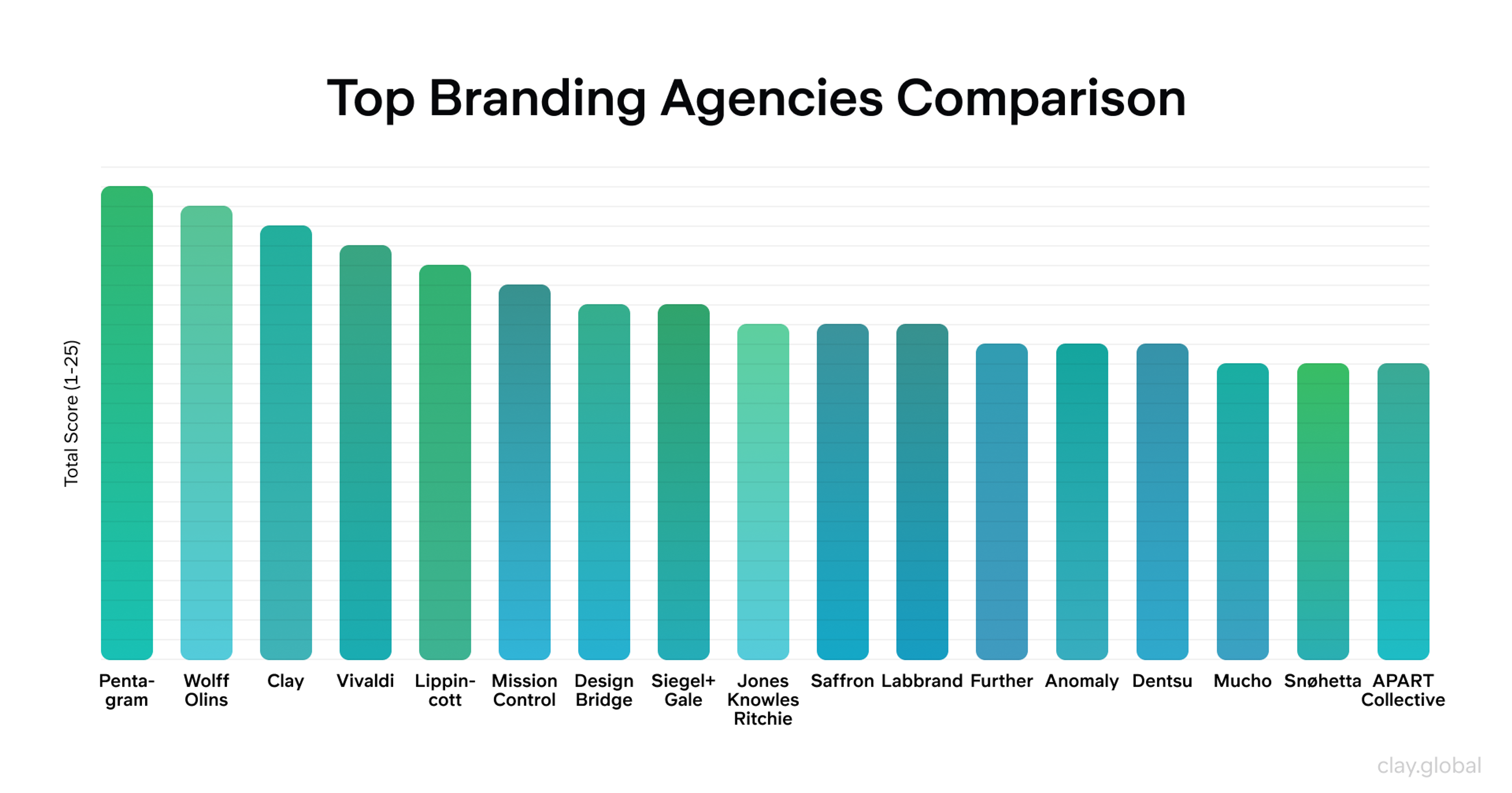
Each agency was reviewed across five areas (a maximum of 25 points) that matter in real buying decisions:
1.
Strategic foundation (0–5): Can the agency help define positioning, differentiation, and the brand logic behind the work?2.
Creative quality (0–5): How strong is the visual identity, verbal thinking, and overall distinctiveness of the work?3.
System thinking (0–5): Can the agency build something that scales across product, web, marketing, sales, and internal teams?4.
Delivery readiness (0–5): Can the team turn strategy into usable outputs, not just polished presentation slides?5.
Trust signals (0–5): Is there enough public proof to support the recommendation through case studies, notable clients, industry recognition, or long-term reputation?
Best Branding Agencies by Business Type and Need
A ranked list is useful, but most buyers are not actually looking for the single “number one” agency. They are looking for the best agency for their situation.
Best branding agencies for startups
Startups usually need speed, clarity, and a brand system that can support growth without slowing execution. The best agencies for this stage are the ones that can move quickly, sharpen positioning, and create a flexible identity system that will not need to be rebuilt after the next funding round.
Top picks:
Best branding agencies for enterprise and complex rebrands
Larger organizations usually need more stakeholder alignment, broader rollout planning, and stronger operational rigor. In these cases, the right agency is usually one with experience handling scale, multiple audiences, and brand systems that need to work across teams, markets, and channels.
Top picks:
Best branding agencies for B2B and technology companies
B2B and technology brands often need help translating complex products into clear stories, useful systems, and credible category positioning. The strongest agencies here are the ones that combine strategic clarity with digital fluency and system thinking.
Top picks:
Best branding agencies for fintech and crypto
Fintech and crypto companies need more than polished visuals. They need trust, clarity, and strong product-to-brand alignment. The right partner in these sectors should be able to simplify complexity, support growth, and build confidence across both product and brand touchpoints.
Top picks:
Best branding agencies for premium and design-led identity work
These firms are especially strong when the goal is high craft, visual sophistication, and memorable systems. They are best suited to brands that want identity work with a strong aesthetic point of view and enough rigor to scale.
Top picks:
The World’s Top Branding Agencies - October Rankings
1. Pentagram
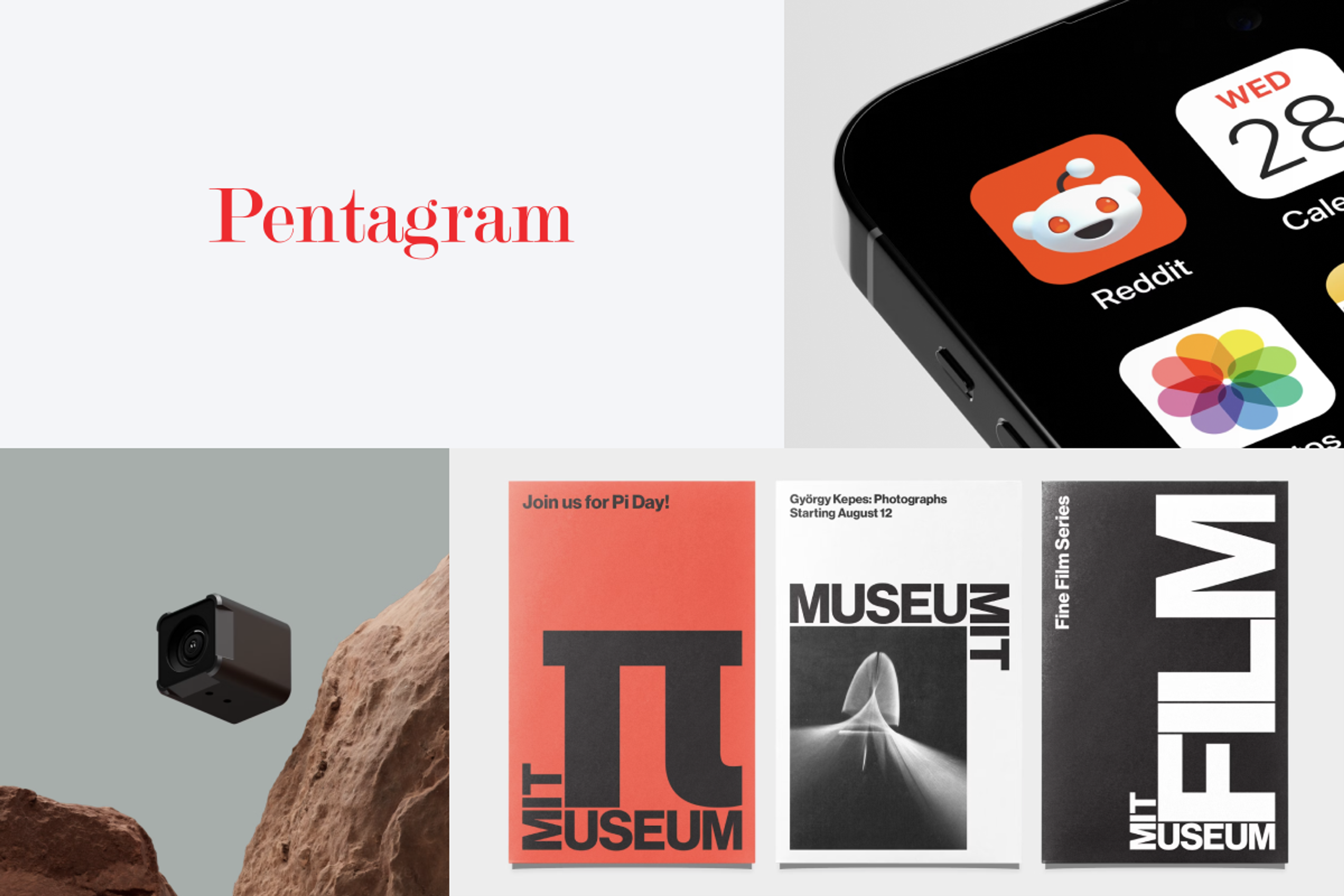
Best for: premium design-led branding with a world-class range
Best suited to: established businesses, ambitious rebrands, premium brands, cultural organizations
Why they stand out: Pentagram is still one of the benchmark names in branding and design. It is the largest independent design consultancy, while competitor analysis also highlights its breadth across identity, strategy, packaging, digital experiences, communications, and motion.
Pentagram is strongest when a company needs serious design authority, broad multidisciplinary capability, and work that can hold up over time.
Potential drawback: Not every fast-moving startup needs a partner of this size or cost profile.
Why companies choose them:
- Exceptional creative credibility
- Strong multidisciplinary design capability
- Timeless, system-led execution
Our score: 24/25
Breakdown: Strategy 4/5, Creative 5/5, Systems 5/5, Delivery 5/5, Trust 5/5
Reviewer's take: The thing with Pentagram is restraint. They can do loud, but they usually choose clarity. You see it in the typography, the spacing, the confidence to let one idea carry the whole system. That’s why their work ages well, even as others chase trend cycles.
Independent Proof
- Awwwards profile.
- Google Maps reviews.
2. Wolff Olins
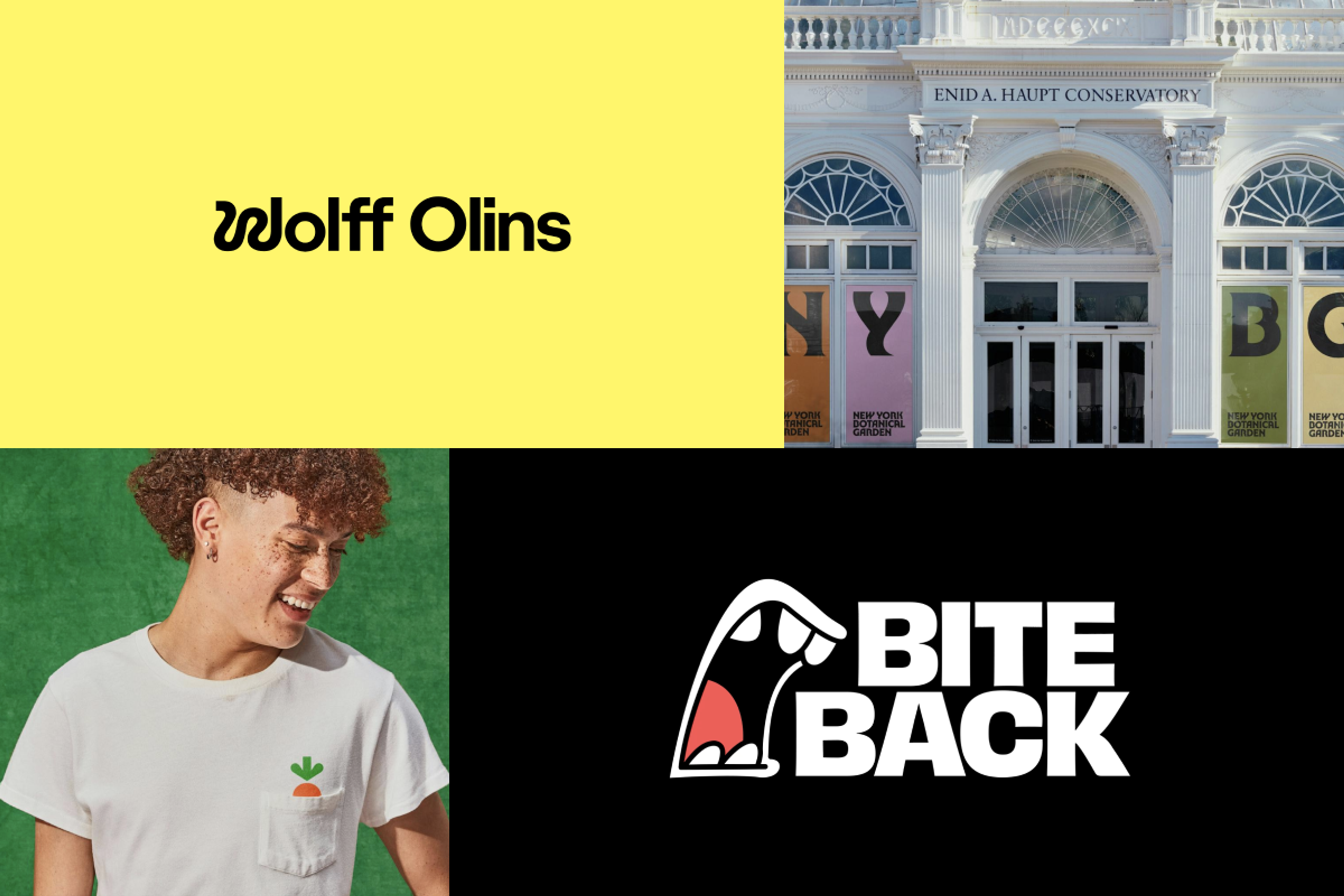
Best for: culture-shifting rebrands and major reinvention
Best suited to: large brands, category leaders, organizations undergoing visible transformation
Why they stand out: Wolff Olins is a long-standing global brand builder, with notable work for companies such as LG, Decathlon, Patreon, TikTok, and Uber. Competitor analysis also frames the firm as especially strong when the challenge goes beyond refresh and into perception change, internal alignment, and market reset.
This is the kind of agency companies hire when they want the market to notice that something has fundamentally changed.
Potential drawback: More reinvention energy than some companies actually need.
Why companies choose them:
- Strong transformation pedigree
- Deep experience with high-visibility rebrands
- Powerful blend of brand, culture, and experience
Our score: 23/25
Breakdown: Strategy 5/5, Creative 5/5, Systems 5/5, Delivery 4/5, Trust 4/5
Reviewer's take: They talk about impact, but it’s not preachy. It shows up as discipline. Fewer empty gestures, more thoughtful choices. That’s a rare kind of maturity in this space. For brands that need momentum and meaning at the same time, they’re worth a look.
Independent Proof
- DesignWeek article.
- AdWeek mention.
- Google Maps reviews.
3. Clay
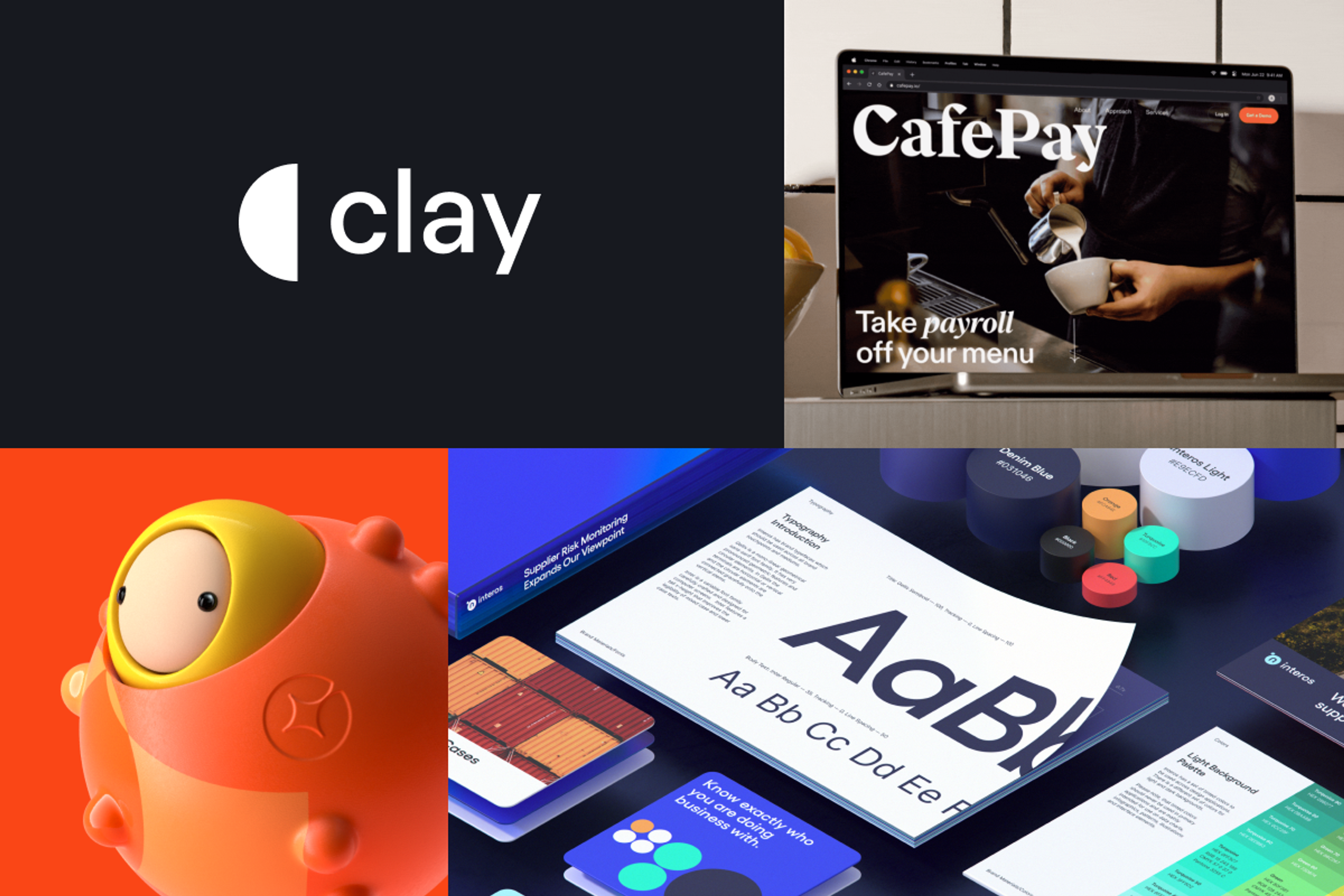
Best for: digital-first brands that need strategy, identity, and product experience to work together
Best suited to: fintech, B2B SaaS, crypto, Web3, healthcare, retail, logistics, and technology companies
Why they stand out: Clay is a global branding and UX design agency with a strong emphasis on strategy, innovation, and systems that scale. It is especially compelling for companies whose brand needs to live across product, website, sales materials, and growth channels, not just in a visual identity deck.
That combination of brand, UX, and digital execution is valuable for complex categories where trust and usability matter as much as aesthetics.
Potential drawback: Companies looking for a lightweight visual refresh may not need this level of digital and strategic depth.
Why companies choose them:
- Strong at the intersection of branding and digital product
- Especially relevant for complex technology categories
- Builds systems, not just assets
Our score: 22/25
Breakdown: Strategy 4/5, Creative 4/5, Systems 5/5, Delivery 4/5, Trust 5/5
Reviewer's take: We have the confidence to stop before it gets overdesigned. The real value, however, is the system thinking behind it. It’s the kind of identity that stays coherent when the company starts moving faster.
Independent Proof
- Clutch profile.
- CSS Winner profile.
- Awwwards profile.
- Google Maps reviews.
4. Vivaldi Group
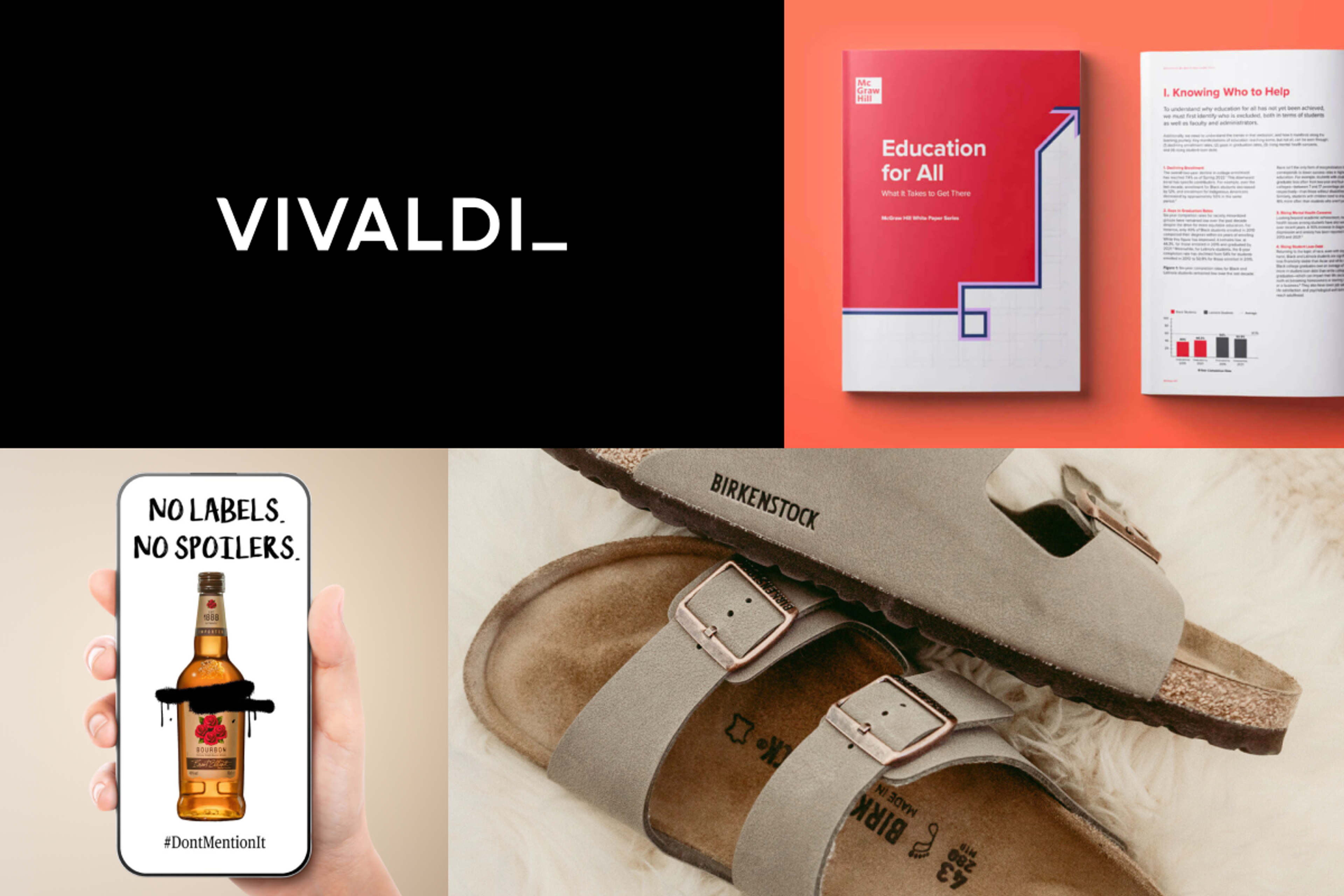
Best for: growth-oriented branding tied to strategy
Best suited to: leadership teams, innovation-driven businesses, and companies pursuing category expansion
Why they stand out: Vivaldi Group is strongest when branding needs to connect directly to growth strategy. Rather than treating brand as an identity-only exercise, it works well for businesses that see branding as part of a larger strategic and commercial system.
It is especially relevant for companies working across platforms, ecosystems, and new market opportunities.
Potential drawback: May feel more strategy-led than design-led for buyers focused mainly on identity execution.
Why companies choose them:
- Strong connection between brand and growth
- Useful for innovation and market expansion
- Business-oriented strategic framing
Our score: 21/25
Breakdown: Strategy 5/5, Creative 3/5, Systems 3/5, Delivery 5/5, Trust 5/5
Reviewer’s take: Vivaldi approaches branding less like a design exercise and more like a business system. Their work connects brand, innovation, and strategy in ways that help companies rethink how they grow. For organizations navigating digital platforms, ecosystems, and AI-driven change, their perspective can be particularly valuable.
Independent Proof
- Google Maps reviews.
5. NoGood
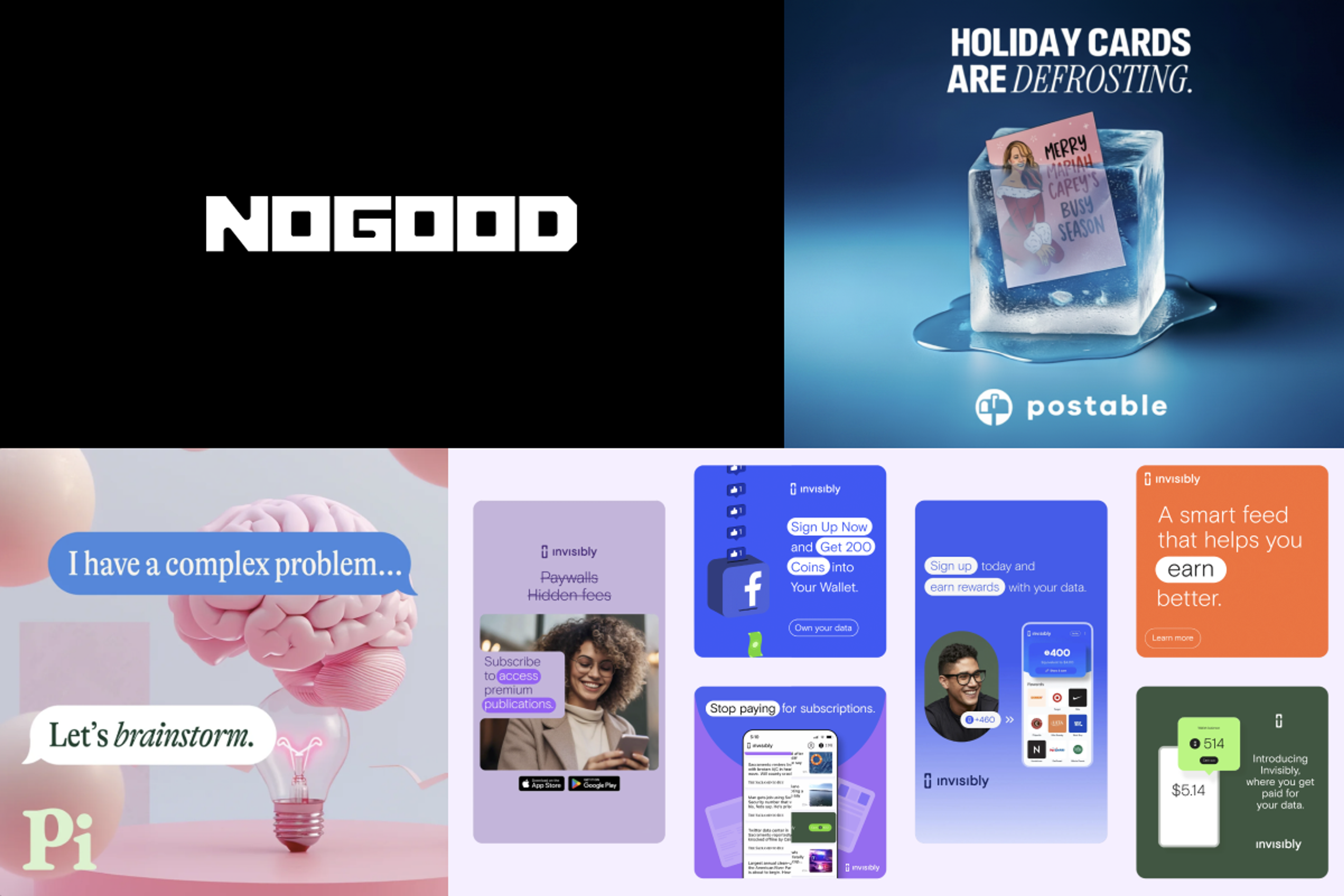
Best for: performance branding built for AI-era discovery
Best suited to: B2B SaaS, consumer, and fast-growing VC-backed startups that need brand and demand generation working from the same playbook
Why they stand out: NoGood is a growth marketing agency that uses brand as a performance lever. Its team combines creative and messaging with paid, organic, SEO, and AEO execution, testing positioning against real channel data. This approach has supported clients including Nike, TikTok, Amazon, and Intuit, and helped SteelSeries achieve a 27x increase in AI platform conversions.
NoGood is a strong fit for companies that need a consistent brand across their website, product, sales materials, and AI search results.
Potential drawback: Companies looking for a pure identity studio with a heavy design-first process may want a more traditional branding partner.
Why companies choose them:
- Brand and growth strategy built by one integrated team, not handed off between departments
- Early, credible focus on AI search visibility as part of brand positioning
- Track record with both enterprise names and venture-backed startups
Our score: 21/25
Breakdown: Strategy 4/5, Creative 5/5, Systems 4/5, Delivery 4/5, Trust 4/5
Reviewer's take: NoGood treats brand less like a static asset and more like something that has to perform in a search bar, a chat window, and a boardroom all at once. That's a useful lens for companies whose buyers are increasingly discovering them through AI answers rather than a homepage.
Independent Proof
- Clutch profile.
- Digital Agency Network profile.
6. Lippincott
Best for: mature brand systems with strategic depth
Best suited to: established organizations, legacy brands, and companies navigating complexity
Why they stand out: Lippincott is well-suited to companies that need a mature branding partner with deep experience in identity systems, naming, messaging, and architecture. It is particularly useful when the brand challenge involves complexity, legacy, or internal alignment.
This is the kind of agency that works well when the branding problem goes beyond design alone and needs a durable strategic foundation.
Potential drawback: May be more structured than founder-led teams want.
Why companies choose them:
- Strong naming and identity credentials
- Well-suited to complex brand systems
- Good fit for established organizations
Our score: 20/25
Breakdown: Strategy 4/5, Creative 4/5, Systems 4/5, Delivery 5/5, Trust 3/5
Reviewer's take: They’ve been around forever, but the work doesn’t feel stuck or unfresh. Lippincott is patient in the best way. Lots of voices, lots of legacy, lots of opinions. They’re good in the messy middle, when the brand has grown, priorities clash, and nobody wants to admit what’s outdated.
Independent Proof
- Google Maps reviews.
7. Mission Control
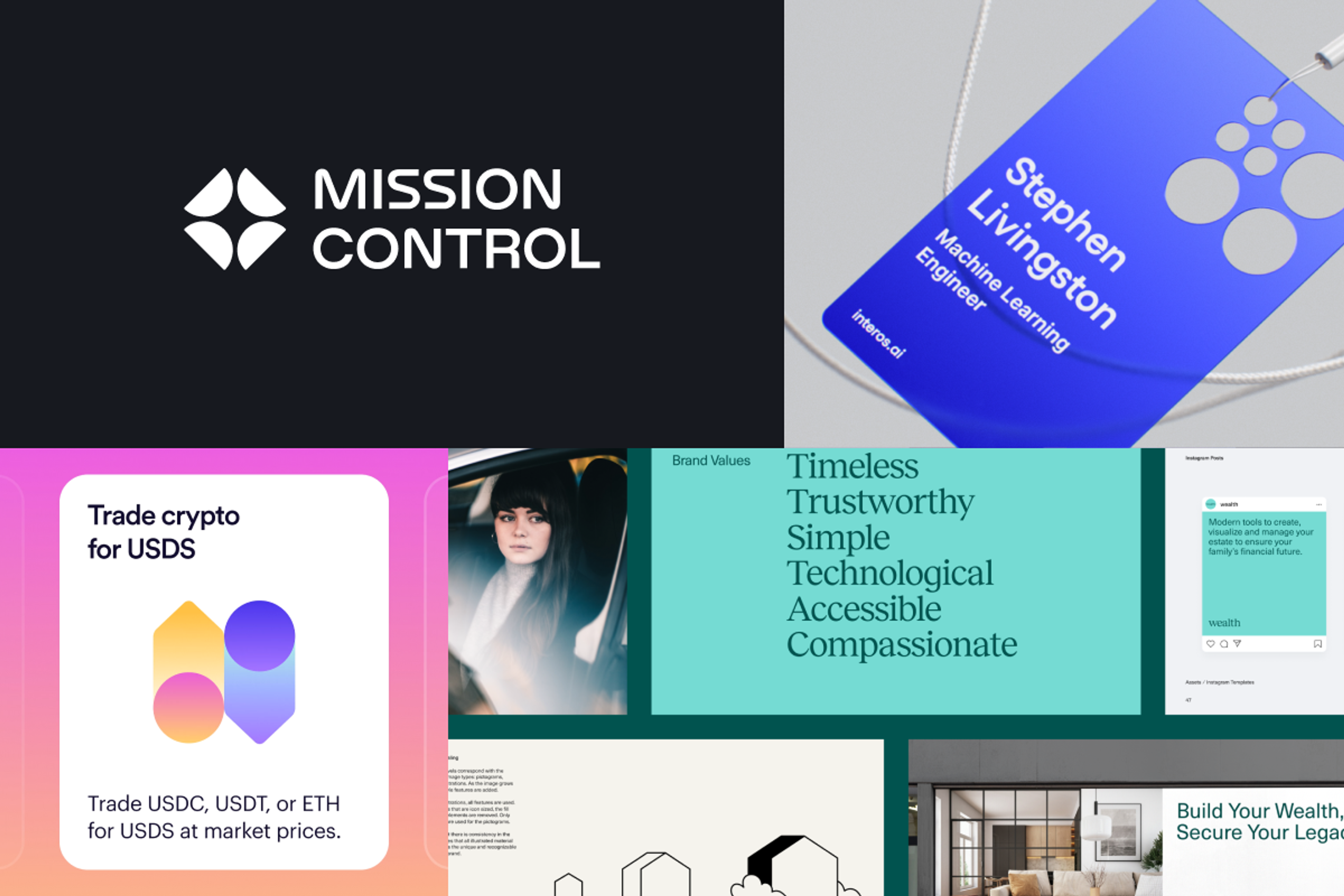
Best for: startup branding with speed and clarity
Best suited to: early-stage startups, fintech, crypto, Web3, B2B, technology companies
Why they stand out: Mission Control is a newer San Francisco agency designed specifically for startup branding. It is an AI-enabled studio focused on early-stage companies, with strong capabilities across strategy, architecture, verbal identity, visual identity, guidelines, and brand experience.
Mission Control makes sense for founders who want a team built around modern workflows, quick iteration, and practical brand systems rather than slow, heavyweight branding processes. It is especially relevant when a company needs momentum and clarity at the same time.
Potential drawback: Newer agencies can have less historical proof than long-established global firms.
Why companies choose them:
- Built for startup pace
- Strong alignment with tech and fintech categories
- Modern process design with AI in the workflow
Our score: 19/25
Breakdown: Strategy 4/5, Creative 4/5, Systems 4/5, Delivery 4/5, Trust 3/5
Reviewer's take: Yes, it’s new. And that’s the point. Mission Control is what you get when a modern studio designs its workflow for the next decade. AI is baked into the process. Mission Control will feel like a reset for both clients and the design team.
Independent Proof
- Awwwards. Honorable Mention for Mission Control.
- The Brand Identity feature on Mission Control.
8. Bolder
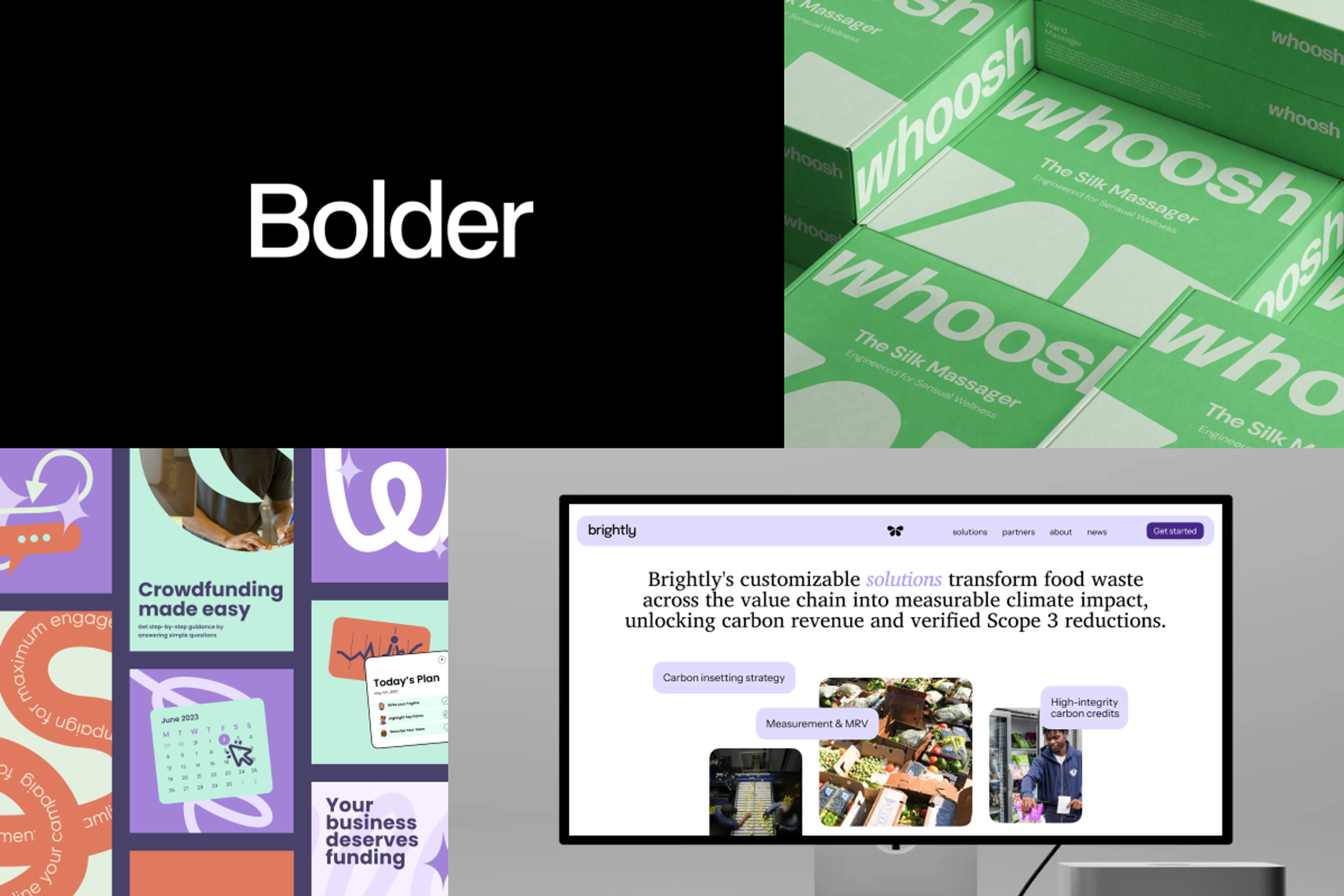
Best for: technically complex companies that need a clear story and a brand system before they design anything
Best suited to: robotics, AI, biotech, energy, deep tech, SaaS, and cleantech companies, mostly at startup and scaleup stage
Why they stand out: Bolder is an independent branding and communications agency focused on industries where the product is hard to explain and being misunderstood is expensive. The work centers on brand strategy, positioning, narrative, messaging, visual identity, and websites, and the studio is explicit that it follows a strategy-first approach. That makes it a strong fit for founders heading into a funding round, fixing dragging sales cycles, or trying to make an audience finally understand the product.
The agency works in complex B2B and tech areas, so it already understands long sales cycles, multi-stakeholder buying, and technical nuance. It translates that technical reality into a market narrative without flattening it.
Potential drawback: Companies in consumer, retail, or lifestyle are outside its stated focus, and teams wanting product or UX execution at scale may need a broader studio.
Why companies choose them:
- Strategy-led, so messaging and positioning come before visual identity
- Built around complex tech categories rather than general branding
- Delivers a full brand system and guidelines, not just a logo
Our score: 19/25
Breakdown: Strategy 4/5, Creative 4/5, Systems 4/5, Delivery 4/5, Trust 3/5
Reviewer's take: The strategic discipline is the real draw here, and the deep tech focus shows in how cleanly the narrative work lands. Clients describe work delivered on time with fast iteration. It is a younger, boutique studio, so the foundations are strong, but the track record is still building depth next to larger, longer-established peers.
Independent Proof
9. Design Bridge
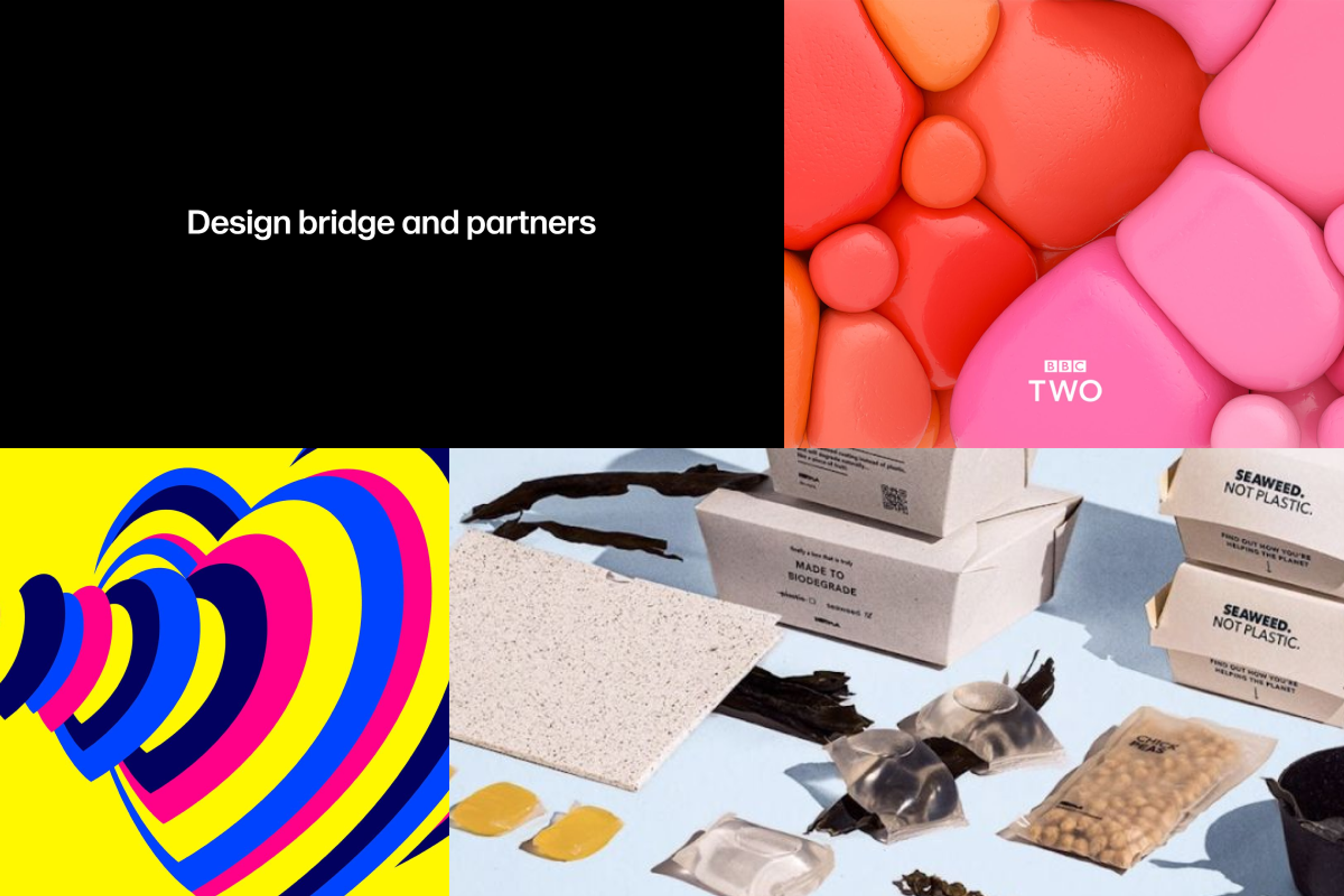
Best for: emotionally resonant branding at scale
Best suited to: consumer-facing brands, global companies, and experience-led businesses
Why they stand out: Design Bridge is a strong choice for brands that want emotionally resonant creative work backed by large-scale execution. It is especially relevant for companies that want branding with broad rollout potential across markets, channels, and touchpoints.
Its strength lies in combining expressive creative ideas with the operational ability to scale them.
Potential drawback: Some smaller businesses may not need this level of global infrastructure.
Why companies choose them:
- Strong emotional storytelling
- Broad rollout capability
- Good fit for consumer-facing sectors
Our score: 18/25
Breakdown: Strategy 4/5, Creative 4/5, Systems 4/5, Delivery 3/5, Trust 3/5
Reviewer's take: Design Bridge is calm, confident, and surprisingly deep. If you’re tired of branding that looks great in a case study but disappears or fails in real life, they are worth a look. That’s the kind of agency that’s hard to ignore.
Independent Proof
- Google Maps reviews.
10. Siegel+Gale
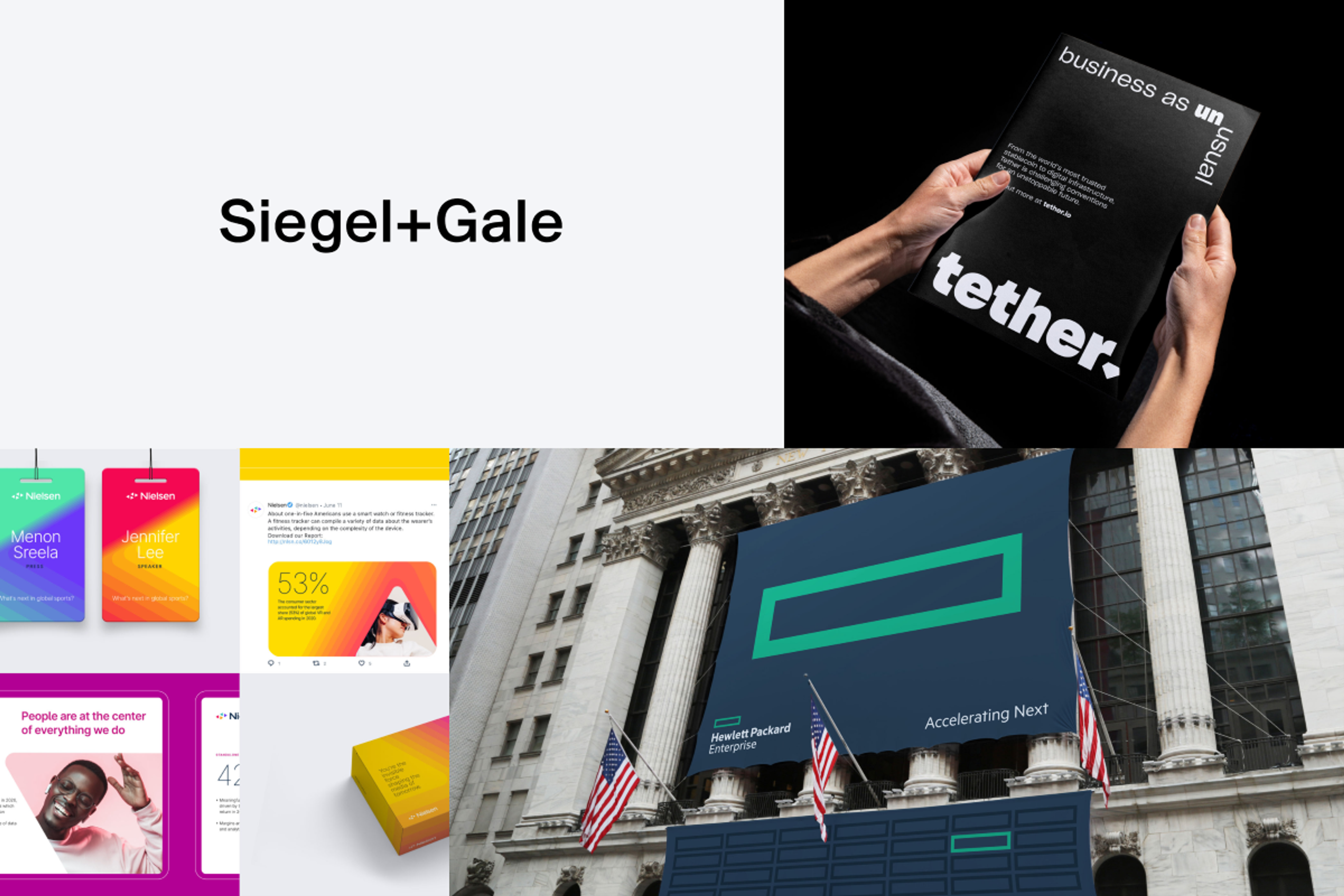
Best for: simplicity and clarity in complex categories
Best suited to: large companies, B2B businesses, regulated industries, service organizations
Why they stand out: Siegel+Gale is especially relevant for companies whose biggest branding challenge is complexity. It is a strong fit for businesses that need to simplify messaging, sharpen positioning, and communicate more clearly across audiences and touchpoints.
That clarity-first approach makes the agency particularly useful for complicated, fragmented, or heavily structured organizations.
Potential drawback: Buyers seeking more overtly expressive or culture-led branding may prefer a different style.
Why companies choose them:
- Clear simplicity-driven philosophy
- Excellent fit for complex businesses
- Strong strategic communication angle
Our score: 18/25
Breakdown: Strategy 4/5, Creative 3/5, Systems 4/5, Delivery 4/5, Trust 3/5
Reviewer's take: They’re allergic to fluff, in a good way. Their superpower is removing noise. Not adding personality for the sake of it, not dressing things up. If you’ve ever cringed at your own copy, this is the fix.
Independent Proof
- Transform Awards Asia 2025 page.
- Google Maps reviews.
11. Jones Knowles Ritchie
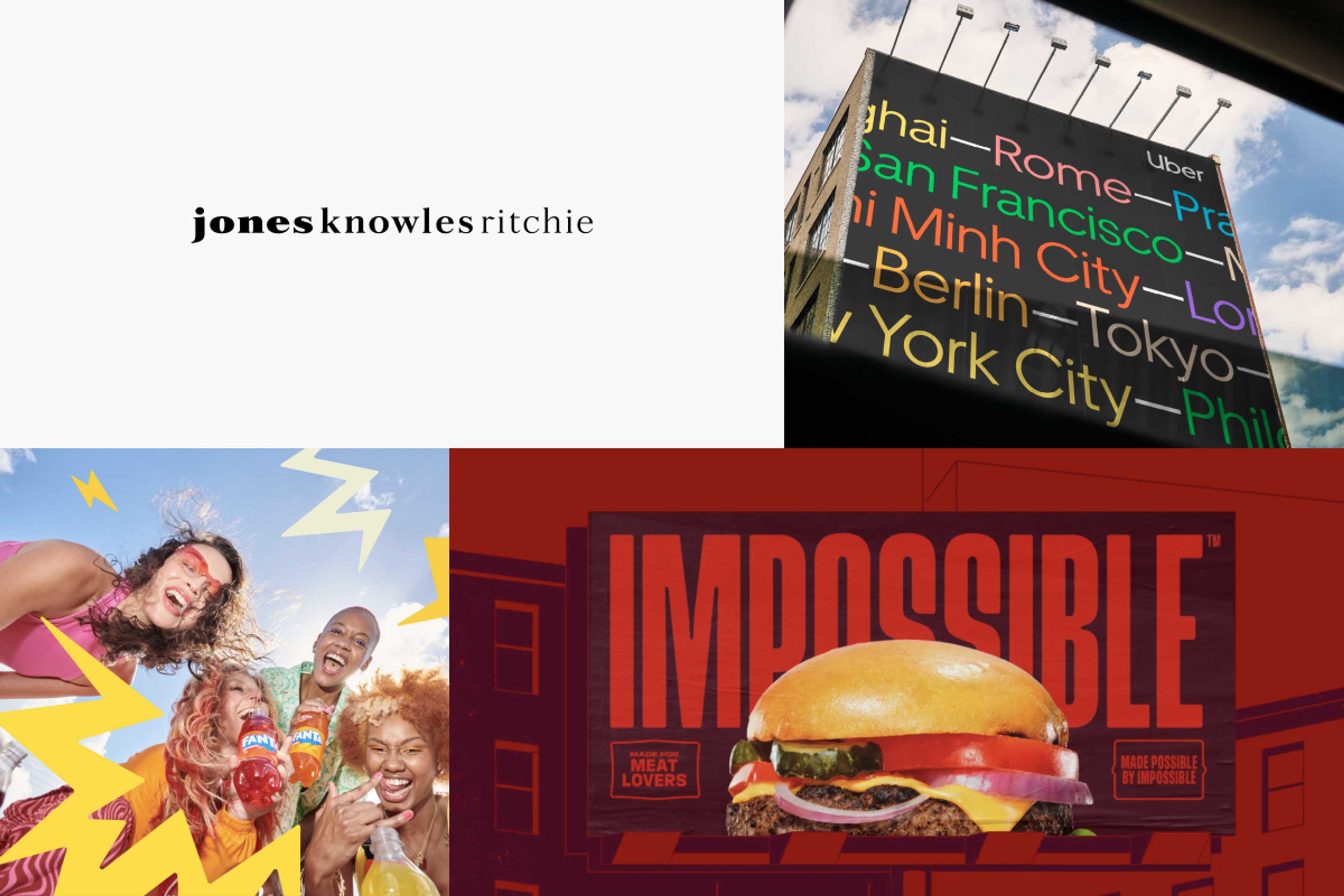
Best for: bold, highly recognizable branding
Best suited to: brands seeking stronger visibility, character, and distinction
Why they stand out: Jones Knowles Ritchie is best for brands that want bold, highly recognizable work with strategic intent behind it. It is a strong option when distinctiveness matters as much as clarity and when the brand needs a sharper public presence.
That makes it especially compelling for businesses looking to stand apart in crowded categories.
Potential drawback: Some buyers may want a subtler or more conservative expression.
Why companies choose them:
- Strong brand character
- Distinctive visual systems
- Good balance of strategy and bold execution
Our score: 17/25
Breakdown: Strategy 4/5, Creative 4/5, Systems 3/5, Delivery 3/5, Trust 3/5
Reviewer's take: JKR has that rare mix of clarity and swagger. They’re excellent at turning ambition into something you can actually point to. They commit early, they commit hard, and the brand gets a backbone. You end up with a brand that feels alive, and that’s what matters most in the end.
Independent Proof
- Google Maps reviews.
12. Saffron

Best for: internationally coherent brand systems
Best suited to: global brands, cross-border businesses, and organizations with multi-market needs
Why they stand out: Saffron is a good fit for companies that need a brand built to travel well across markets, cultures, and business contexts. It is especially relevant for organizations that want strategic work with a strong sense of international coherence.
That makes it useful for businesses balancing consistency with cross-market relevance.
Potential drawback: Smaller local brands may not need this level of global orientation.
Why companies choose them:
- Strong cross-market coherence
- Strategic identity systems
- Useful for international business contexts
Our score: 17/25
Breakdown: Strategy 4/5, Creative 3/5, Systems 4/5, Delivery 3/5, Trust 3/5
Reviewer's take: Saffron brings a confident, editorial kind of craft. Clean, considered, and never overcooked. What I also trust about this studio is the perspective. They create brands that hold together even when the language, culture, and channels shift, and they have a proven track record of success.
Independent Proof
- Google Maps reviews.
13. Labbrand
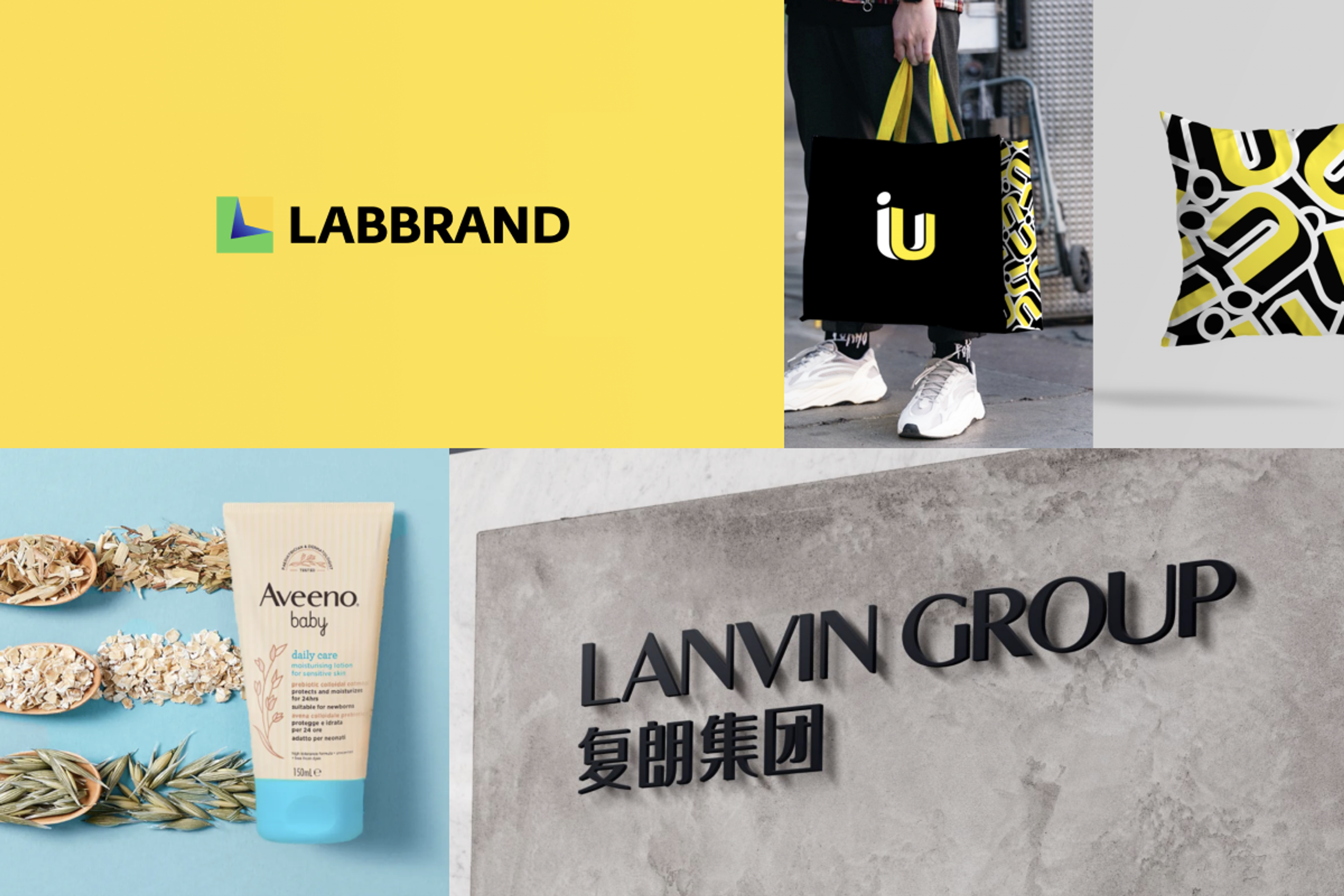
Best for: culturally nuanced branding across regions
Best suited to: global brands, luxury, retail, automotive, healthcare, and technology companies
Why they stand out: Labbrand stands out for its sensitivity to cultural nuance and market context. It is a strong option for companies operating across regions or trying to localize without losing strategic consistency.
This makes it particularly relevant in categories where cultural fit shapes how the brand is perceived and adopted.
Potential drawback: Companies focused mainly on one domestic market may not need this level of cross-cultural specialization.
Why companies choose them:
- Strong cultural intelligence
- Good fit for multi-region brand work
- Balances localization with consistency
Our score: 17/25
Breakdown: Strategy 4/5, Creative 3/5, Systems 4/5, Delivery 3/5, Trust 3/5
Reviewer's take: Labbrand’s edge is respect for context. They don’t assume one story fits everywhere. They shape the core so it stays consistent, then help it flex in a way that feels authentic instead of “localized by committee.”
Independent Proof
- International Sustainability Award by Luxary Lifestyle Awards.
- If Design Award profile.
- Google Maps reviews.
14. Further (former DesignStudio)
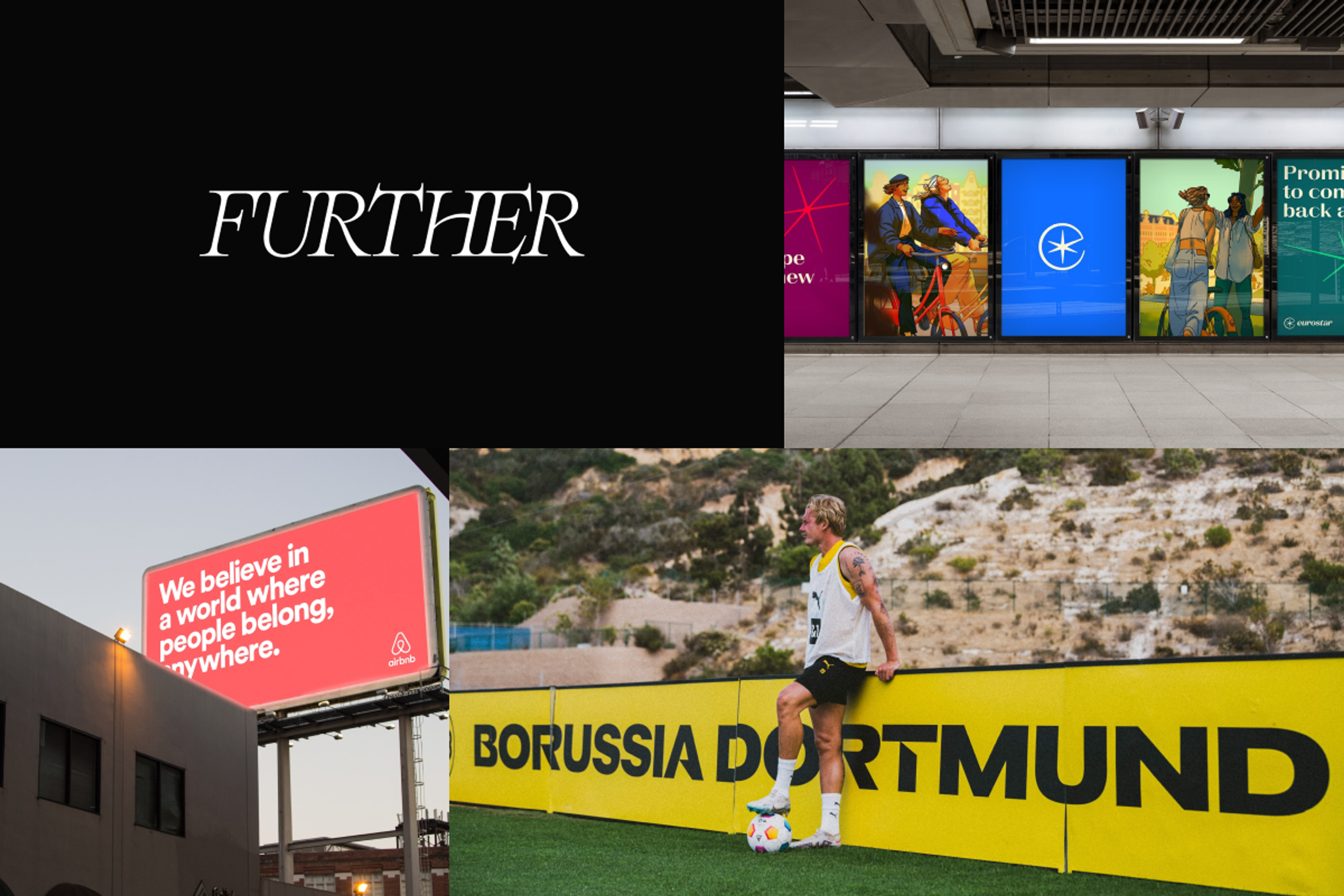
Best for: expressive identity work with broad visibility
Best suited to: consumer-facing brands, ambitious rebrands, companies seeking standout creative expression
Why they stand out: Further is often considered by companies that want strong creative expression and a highly visible identity system that can reshape perception quickly.
Potential drawback: Some buyers may need more business-process depth than pure expression-led work provides.
Why companies choose them:
- Bold creative expression
- Strong launch and rebrand visibility
- Good fit for brands seeking presence and memorability
Our score: 16/25
|Breakdown: Strategy 3/5, Creative 4/5, Systems 3/5, Delivery 3/5, Trust 3/5
Reviewer's take: They’re big enough to handle serious work, but they don’t act like it. The approach stays personal, the output stays specific, and you don’t feel like you’re being pushed through a standard process. That’s rarer than it should be.
Independent Proof
Google Maps reviews.
15. Anomaly
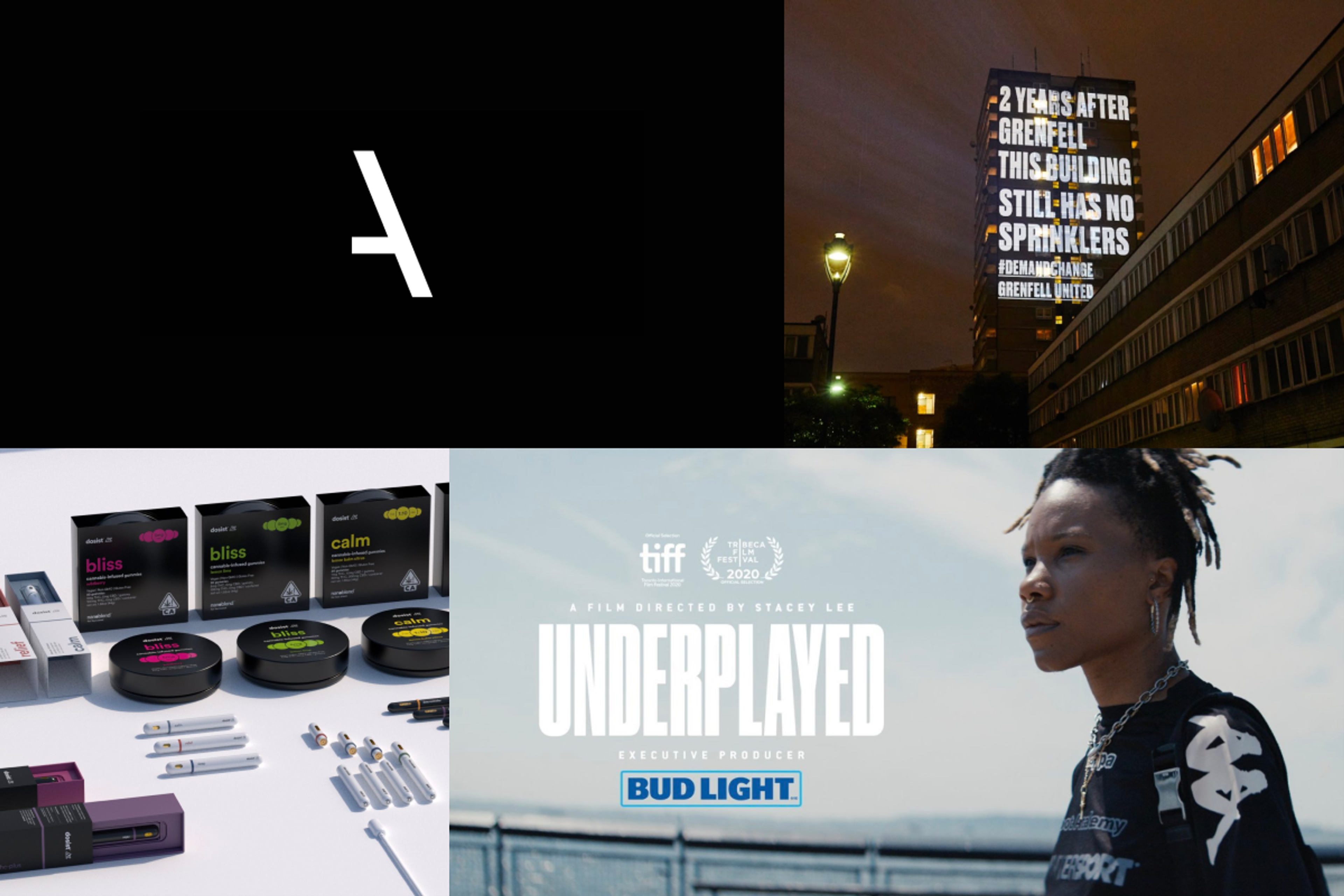
Best for: unconventional branding with integrated thinking
Best suited to: brands looking for bold ideas, cross-channel relevance, and strategic creativity
Why they stand out: Anomaly is best suited to brands that want a more unconventional creative partner with strong strategic instincts. It is a strong fit for companies that want branding to behave well across modern channels rather than just look polished in isolation.
That integrated mindset makes it appealing for businesses seeking bold ideas with practical reach.
Potential drawback: May be less suited to buyers looking for a more classic or conservative branding process.
Why companies choose them:
- Strong creative perspective
- Integrated strategic thinking
- Good fit for modern multi-channel brands
Our score: 16/25
Breakdown: Strategy 4/5, Creative 4/5, Systems 3/5, Delivery 3/5, Trust 2/5
Reviewer's take: Anomaly frames itself as a deliberate “deviation from the norm”, built to challenge legacy agency models. I feel like this agency is built around the idea that the old playbook is broken. You can feel that in the output. Less polish for polish’s sake, more solutions that behave across channels and actually fit how people discover brands now.
Independent Proof
- AdWeek recognition.
- Google Maps reviews.
16. Dentsu
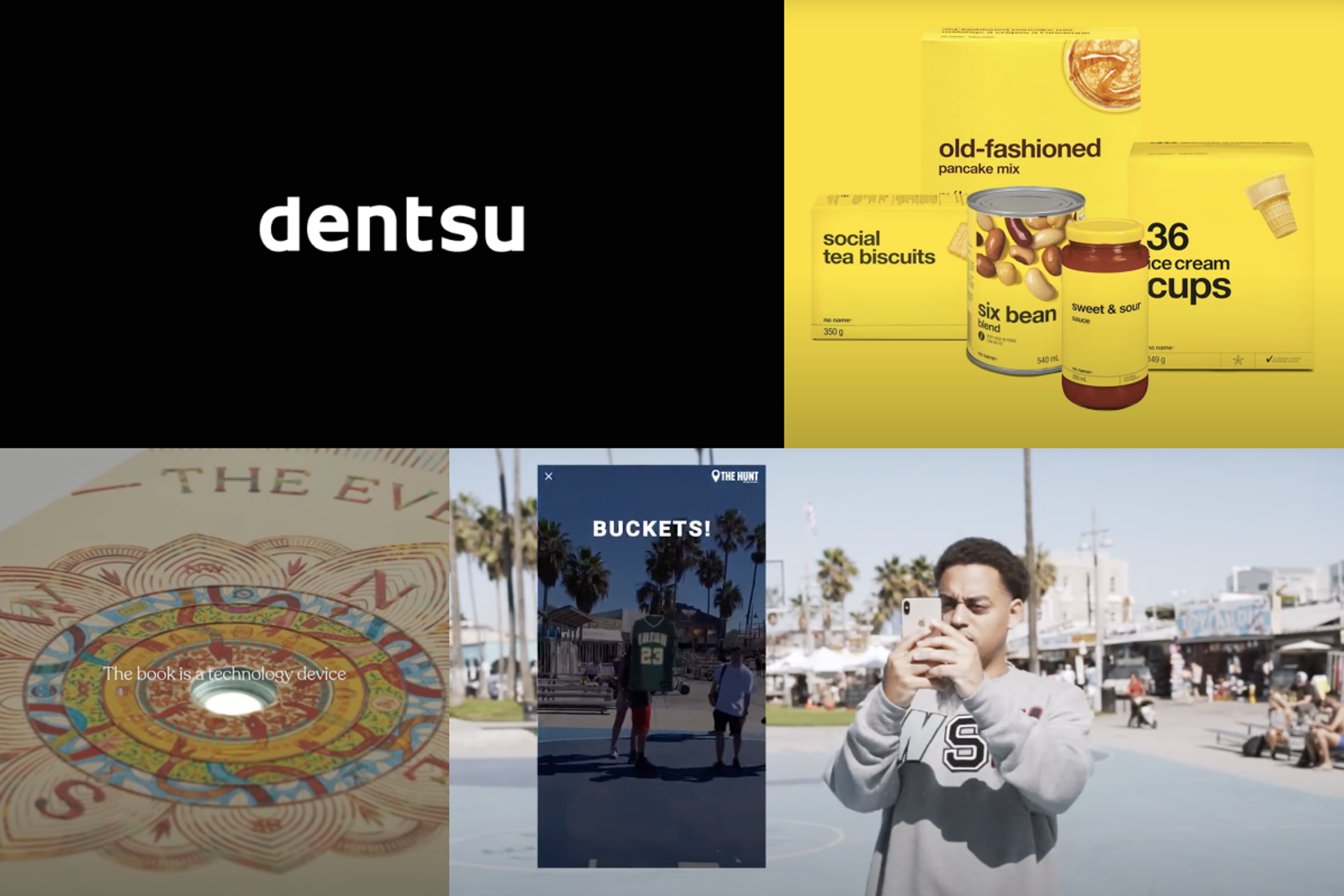
Best for: branding at enterprise scale
Best suited to: large organizations, global businesses, and companies connecting brand with broader transformation
Why they stand out: Dentsu is most relevant for organizations that need branding at scale, especially when brand work intersects with media, digital experience, and large-system execution. It is better suited to businesses looking for operational breadth and enterprise reach than to teams seeking a smaller boutique partner.
Its value is in the ability to connect branding to broader transformation efforts across functions and markets.
Potential drawback: May feel too large or process-heavy for smaller or founder-led teams.
Why companies choose them:
- Massive global reach
- Strong operational scale
- Useful for large transformation programs
Our score: 16/25
Breakdown: Strategy 3/5, Creative 3/5, Systems 4/5, Delivery 4/5, Trust 2/5
Reviewer's take: If you want a “cute rebrand”, Dentsu is definitely not your choice. These guys are more like “fix the whole thing” without turning it into a bland “global brand” soup. I personally support their bold ideas and their ability to think quickly when needed.
Independent Proof
- Branding in Asia mention.
- Google Maps reviews.
17. Mucho
Mucho Design Agency
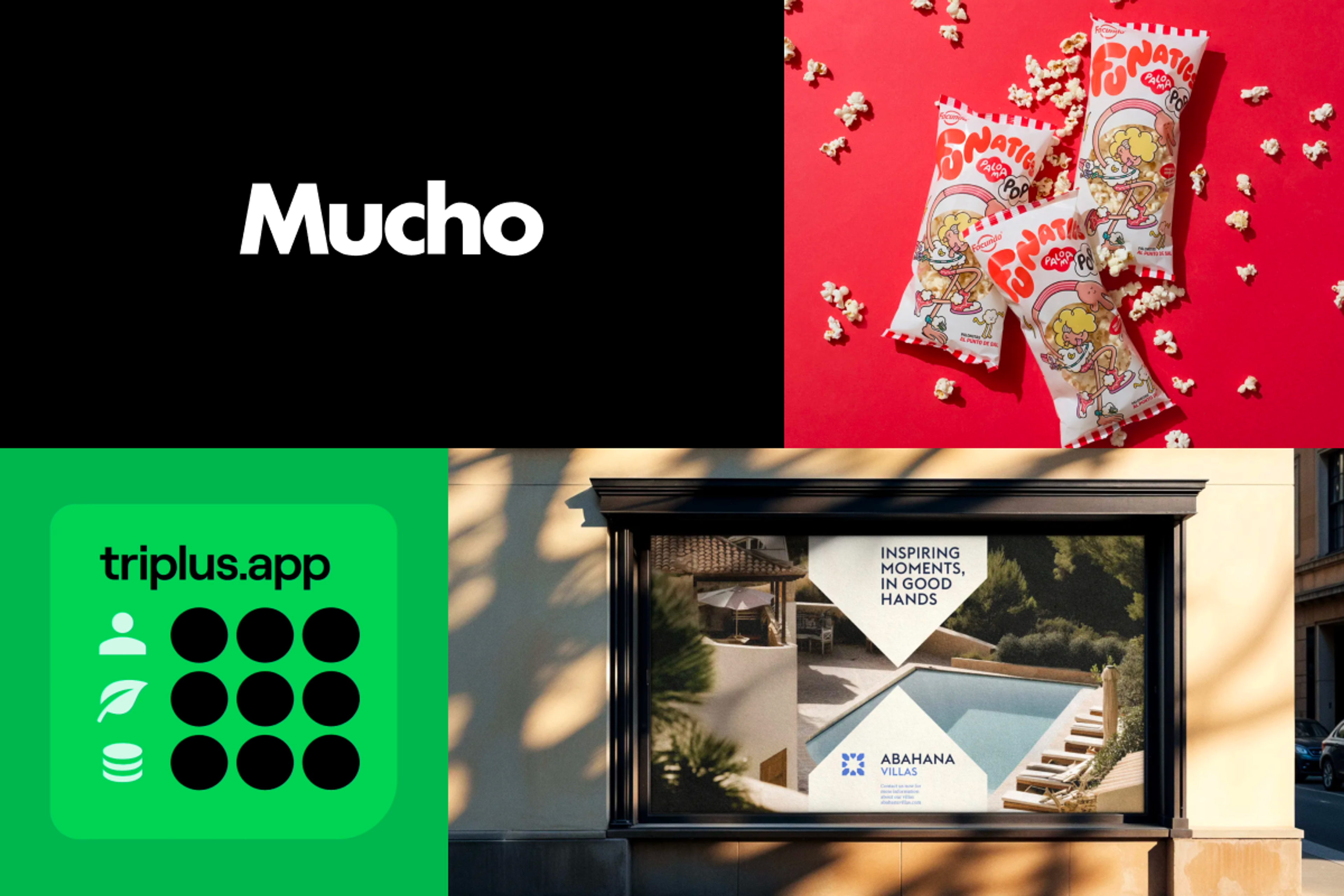
Best for: expressive branding with emotional depth
Best suited to: technology, hospitality, retail, entertainment, and startup brands
Why they stand out: Mucho is a strong choice for brands that want expressive, thoughtful identity work with a strategic layer behind it. It is especially relevant for companies that want branding to feel both distinctive and emotionally engaging.
That makes it a good fit for brands looking for creative personality without losing strategic intent.
Potential drawback: Highly operational or enterprise-focused buyers may want a more systems-heavy partner.
Why companies choose them:
- Distinctive and expressive creative style
- Strong emotional resonance
- Good fit for modern consumer-facing brands
Our score: 15/25
Breakdown: Strategy 3/5, Creative 4/5, Systems 3/5, Delivery 3/5, Trust 2/5
Reviewer’s take: I’d look at Mucho for companies that care deeply about tone, visual atmosphere, and the overall feeling the brand creates across touchpoints. They are especially compelling when the goal is to build something distinctive and human, rather than overly corporate or systemized.
Independent Proof
- Google Maps reviews.
18. Snøhetta
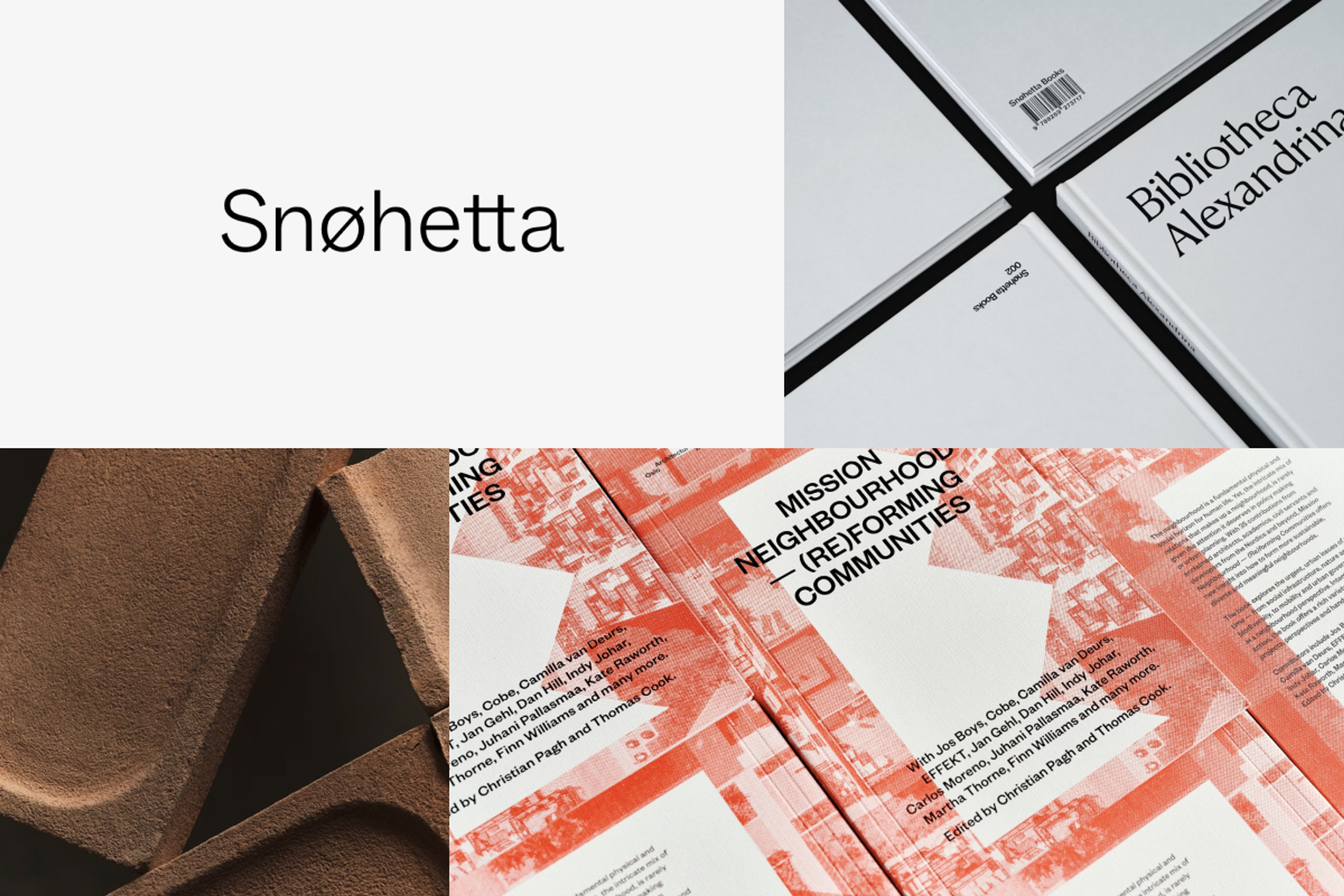
Best for: immersive branding connected to experience and space
Best suited to: institutions, hospitality, public-facing brands, and companies with multi-sensory brand ambitions
Why they stand out: Snøhetta is particularly compelling for organizations that want branding to connect with space, experience, and storytelling, not just visual identity alone. It is a strong option for companies that want the brand to feel immersive and cohesive across environments.
This makes it especially relevant when brand experience extends beyond screens and marketing assets into physical or spatial touchpoints.
Potential drawback: Not every company needs such a broad experiential lens.
Why companies choose them:
- Strong spatial and experiential thinking
- Distinctive multi-sensory perspective
- Good fit for public-facing and hospitality brands
Our score: 15/25
Breakdown: Strategy 3/5, Creative 3/5, Systems 3/5, Delivery 3/5, Trust 3/5
Reviewer's take: There’s a Scandinavian clarity to what they do, but it’s not sterile. You can tell the studio is used to designing for real people moving through real spaces, which makes their brand experience work feel grounded. They’re great at stitching together space, digital, and story so it feels like one experience, not just a logo pasted onto everything.
Independent Proof
- Google Maps reviews.
19. APART Collective
APART Collective Agency
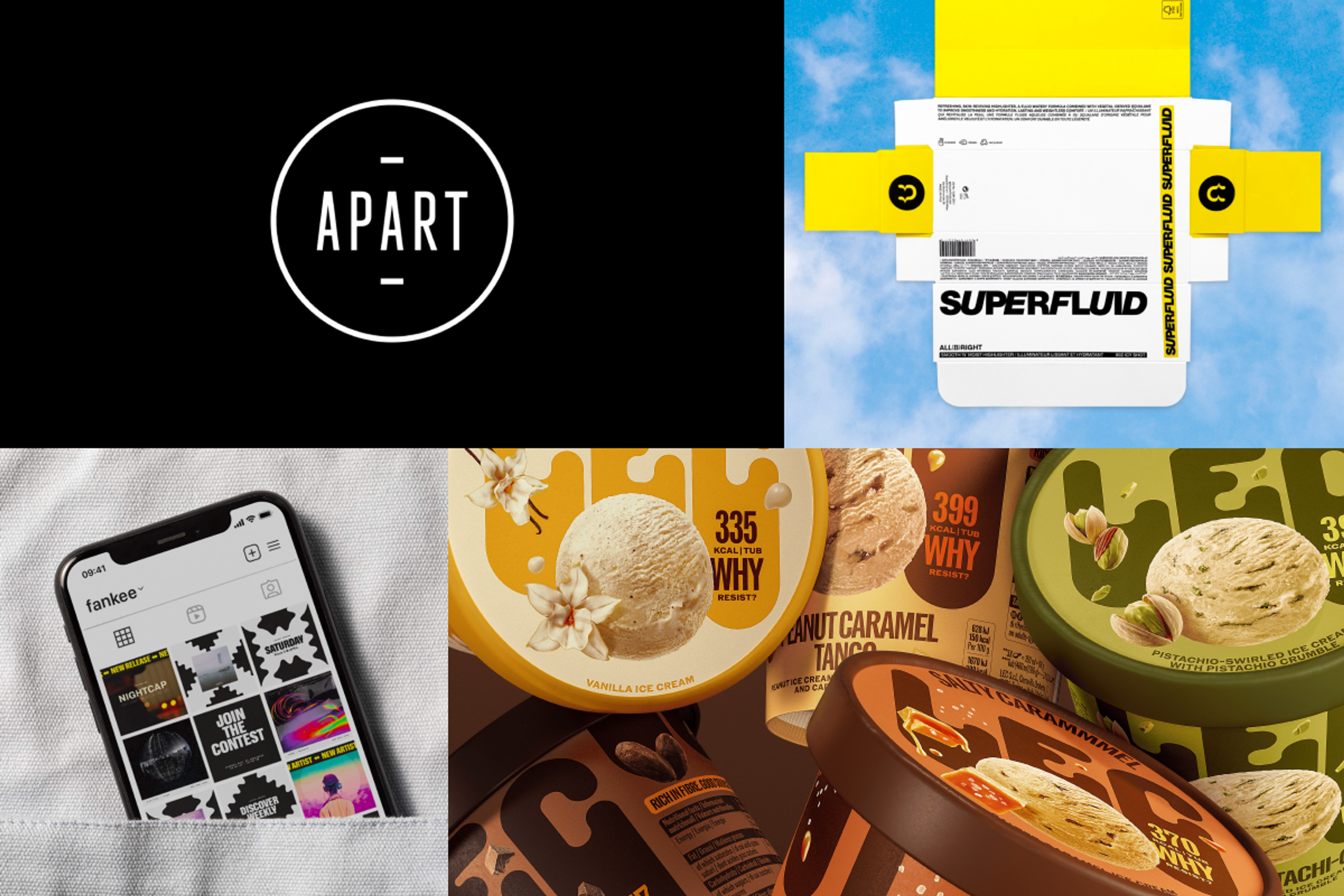
Best for: boutique branding with strong digital craftsmanship
Best suited to: luxury, lifestyle, media, education, and culturally oriented brands
Why they stand out: APART Collective is best suited to brands that want a blend of strategy, visual identity, and digital craftsmanship in a more boutique format. It feels like a strong fit for companies that want branding and digital expression to be developed together rather than as separate tracks.
That combination makes it especially relevant for brands where presentation, refinement, and digital execution all matter.
Potential drawback: Companies needing a very broad enterprise-scale rollout may want a larger partner.
Why companies choose them:
- Strong blend of branding and digital design
- Boutique feel with polished execution
- Good fit for culturally driven brands
Our score: 15/25
Breakdown: Strategy 3/5, Creative 4/5, Systems 3/5, Delivery 3/5, Trust 2/5
Reviewer’s take: APART Collective is best suited to brands looking for a boutique partner with a refined aesthetic and strong digital sensibility. They feel particularly relevant for companies that want branding and online expression to develop together, with enough taste and restraint to feel elevated rather than overdesigned.
Independent Proof
- Google Maps reviews.
Which Branding Agency Is Best for Your Company?
A consistent brand, across your site, product, social, decks, and ads, is not just a nice-to-have. It can directly impact revenue. Some studies put the upside at up to 23% when a brand is presented consistently.
Most companies do a full rebrand every 7 to 10 years. But the brands that stay sharp usually do smaller refreshes in between. Think of it like maintenance. You keep what works, you update what’s dated, and you stay competitive without reinventing everything.
Top Branding Agencies Comparison
Choose Mission Control if you’re building early and need startup speed, clear positioning, and a process designed to keep up with growth.
Choose Clay if the brand needs to work across product, website, sales, and the full digital experience, not just in a visual identity system.
Choose Pentagram if you’re looking for world-class craft, multidisciplinary depth, and a brand system with lasting value.
Choose Wolff Olins if your company is undergoing meaningful change and you want the market to feel that shift clearly.
Choose Vivaldi Group if the brand needs to play a bigger strategic role in growth, innovation, and business direction.
Choose Lippincott if you need a seasoned partner for naming, messaging, identity systems, and more complex brand architecture work.
Choose Siegel+Gale if the core challenge is simplifying a complex offer to make the brand easier to understand and trust.
Choose Jones Knowles Ritchie if you want branding that is bold, distinctive, and built to stand out in a crowded category.
Choose Further if you want a more tailored, boutique-feeling partner with a strong strategic and creative range.
Choose Snøhetta if you want branding to connect with the environment, storytelling, and experience, not just visual identity alone.
How to Choose the Right Branding Agency
Start with what the business needs to change before you pick a branding agency. The problem can be positioning, differentiation, brand voice, or a brand system that no longer supports growth.
Define the real challenge
Name the specific problems the brand has today. A clearer brief makes it easier to spot the agencies that fit your needs.
Consider the size of the company
A startup may need fast decisions and a focused system. A larger company may have to manage brand architecture, several teams and markets, and more complex approvals.
Look for clear differences from competitors
Beyond consistency, the brand needs recognizable ideas, language, and visual cues that set it apart from competitors.
The most useful case studies show how the agency created that distinction.
See how the system works beyond launch
Review how the identity extends into websites, the product, sales materials, campaigns, social media, templates, and internal communications.
A useful brand system gives teams enough structure to stay consistent and still leaves room for variety in each piece.
Agree on success before the work begins
Branding should be tied to a clear business goal, such as greater awareness, a spot on more buyer shortlists, higher conversion, better lead quality, pricing power, or internal adoption.
Setting a goal early makes it easier to measure results after launch.
Plan how teams will use the brand
Besides strategy and design, the proposal should cover rollout, templates, guidelines, ownership, and how internal teams will use the new system.
A clear rollout keeps the brand consistent as more teams adopt it.
How Much Does a Branding Agency Cost in 2026?
Branding costs vary widely depending on scope, complexity, and the agency’s level.
As a rough guide:
- $20K to $50K for a focused early-stage identity project
- $50K to $150K for a broader branding engagement with strategy, messaging, and identity
- $150K+ for enterprise rebrands, multi-brand systems, naming, or complex cross-channel implementation
If your company needs brand strategy, verbal identity, visual identity, website direction, and launch support, expect the cost to rise with the scope. The real question is not just what the agency charges. It is whether the work will be usable across product, marketing, sales, and leadership.
Common Mistakes Companies Make When Hiring a Branding Agency
Choosing on aesthetics alone
A beautiful portfolio is not enough if the agency cannot solve the actual business problem.
Underestimating implementation
A great concept can still fail if the system is too loose, too fragile, or too hard for internal teams to use.
Ignoring category complexity
A healthcare, crypto, fintech, or technical B2B company may need a different type of branding partner than a lifestyle or DTC brand.
Hiring too big or too small
Some companies hire a giant agency when they need speed. Others hire a lightweight studio when the challenge actually requires cross-functional transformation.
From early-stage startups to established platforms, we've built brands that hold up. If it's time to build yours properly, we'd love to hear from you.
FAQs
Picking the Right Agency
What Does a Branding Agency Do?
A branding agency defines how a business looks, feels, and communicates. Depending on the scope, this can include brand strategy, messaging, visual identity, guidelines, and implementation across products, marketing, and campaigns.
Streetbeat branding by Clay Global shows how this works in practice. The team created a new visual identity, brand guidelines, and illustration system, then extended them across the product, digital ads, social media, and promotional materials.
How Is a Branding Agency Different From a Marketing Agency?
Branding begins with an identity, a positioning, and a framework of how to speak. The marketing side is about the activities that create brand awareness through campaigns, channels, and demand generation for the purpose of driving awareness, leads, and revenue.
How Do I Know If I Need a Branding Agency or an In-House Team?
Most likely, if you are looking for a full repositioning or new identity and cross-channel roll-out, that would be an agency. If it is mostly ongoing production and consistency, then in-house would be the better long-term fit. Many teams start with an agency to set the system, then go in-house to maintain it.
Budget and Contracts
How Much Does It Cost to Work with a Branding Agency?
How much you should budget varies by agency, and the complexity of the project. As a rough guide, you should budget:
- $10,000–$20,000 for simple sites
- $30,000–$75,000 for mid-range, custom builds.
- $100,000+ for enterprise or more complex digital experiences.
Who Owns the Brand Assets and Source Files After the Project?
This will be dependent on your contract. Typically, you should hold the final brand assets and source files once a payment has been made. The agency will most likely keep rights to their tools, frameworks, and templates that existed prior to the project. Make sure you have editable files, and keep usage guidelines and rights to fonts, images, and other licensed materials.
Scope and Deliverables
What Services Should I Expect From a Branding Agency?
Most branding agencies offer strategy and positioning, messaging, visual identity, and brand guidelines. Many also support rollout, such as website direction, product UI alignment, templates, and ongoing brand management.
What Deliverables Should I Expect From a Branding Agency?
Most branding projects include various elements of Strategy, Positioning, Messaging, and Visual Identity. Common deliverables include brand story and pillars, voice and tone, logo set, typography and Colors, design elements, and brand guidelines. A lot of agencies also include templates and support for rollouts.
What Should Be Included in Brand Guidelines?
Brand guidelines should cover how to use the identity consistently across teams. Include positioning summary, voice and tone, logo rules, typography, color, imagery, layout, components, and dos and don’ts. Add practical examples for common touchpoints like decks, landing pages, product UI, and social.
Do Branding Agencies Help With Naming and Messaging?
Yes, many do. Naming can include exploration, trademark screening support, and final recommendations. Messaging usually includes positioning, value proposition, brand promise, key messages, and a voice and tone system that scales across marketing, sales, and product.
Timeline and Collaboration
How Long Does The Branding Process Take?
Most branding work lasts between 6 and 12 weeks of strategy, messaging, and identity work. Naming, guidelines, and a rollout over multiple touchpoints extend larger programs to 3 to 6 months.
Who Should Be Involved Internally During a Branding Project?
You typically need a decision maker, a project owner, and leads from marketing, product, and sales. In reviews, include key stakeholders from customer success or recruiting if the brand impacts those areas. Narrow the feedback group, and designate one final approver to reduce delays.
Brand Strategy and Positioning
What Is the Difference Between Brand Strategy, Positioning, and Messaging?
Brand strategy is the high-level direction, who you are, who you serve, and what you stand for. Positioning is your sharp market stance and differentiation. Messaging is how you express that positioning in clear language across channels.
How Do I Know If My Positioning Is Not Working?
When it becomes clear that a person doesn’t understand what you do, and/or the uniqueness of what you do and how your brand is most commonly perceived, then you know your positioning (or lack of it) is a problem.
Discernible symptoms include extended sales cycles, consistent discounting, low conversion on pages that are most critical, inconsistent messaging from the company as a whole on what the brand does, and the positioning being difficult to define for the ideal customer.
Rebrand and Change Management
Can a Branding Agency Help With Rebranding?
Yes. Agencies can refresh or rebuild your brand based on what changed, like your product, market, or audience. A good rebrand includes strategy alignment, updated messaging and identity, and a rollout plan that keeps the transition consistent.
What Should a Rebrand Rollout Plan Include?
It should define what changes, when it changes, and who owns each update. Include priority touchpoints, a phased timeline, migration guidelines, templates, and QA. Add internal enablement, launch messaging, and governance so the brand stays consistent after release.
Results and Measurement
Why Is Branding Important For Businesses?
Branding shapes how people recognize you, trust you, and choose you. A strong brand clarifies your positioning, makes your messaging consistent, and helps you stand out across every touchpoint, from sales to product to marketing.
How Do I Measure the ROI of Branding?
Start with a baseline, then tie outcomes to business goals. Common measures include improved conversion, higher win rates, increased pricing power, stronger inbound quality, and faster sales cycles. You can also track efficiency gains like fewer rewrites, faster production, and more consistent messaging across teams.
What Metrics Should I Track After a Rebrand?
Track branded search, direct traffic, conversion rate on key pages, and lead quality. On the revenue side, watch win rate, sales cycle length, and average deal size. Internally, measure adoption, like brand guideline usage, template usage, and consistency across touchpoints.
How Long Does It Take to See Results From a Branding Refresh?
Early signals often show up in weeks, like better messaging clarity and improved landing page conversion. Bigger outcomes, like stronger pipeline quality and pricing power, usually take 3 to 6 months as the brand rolls out across channels and teams.
Final Thoughts
The best branding agency in 2026 is not the one with the most famous name. It is the one that matches your stage, your category, your constraints, and your ambitions.
Some companies need reinvention. Others need clarity. Others need systems that can scale. The strongest choice is the one that solves the real problem.
Thanks for reading!


About Clay
Clay is a UI/UX design & branding agency in San Francisco. We team up with startups and leading brands to create transformative digital experience. Clients: Facebook, Slack, Google, Amazon, Credit Karma, Zenefits, etc.
Learn moreAbout Clay
Clay is a UI/UX design & branding agency in San Francisco. We team up with startups and leading brands to create transformative digital experience. Clients: Facebook, Slack, Google, Amazon, Credit Karma, Zenefits, etc.
Learn more