
If you're searching for the best branding books to elevate your expertise, this curated reading list is for you. We've handpicked the most influential branding books to help you master the art and science of brand building.
The best branding is no longer dictated solely by companies - today, consumers play a pivotal role in shaping the brands they love, marking a shift from top-down branding to a more collaborative approach.
This collection serves as an essential guide for designers and branding professionals, offering authoritative resources and expert insights to navigate the evolving landscape of brand identity.
Below, we explore eight top resources published between 2021 and 2023 – a mix of books, white papers, reports, and articles – that provide fresh insights into branding strategy in this dynamic era.
1. Branding That Means Business (2022) – Matt Johnson & Tessa Misiaszek
Branding That Means Business
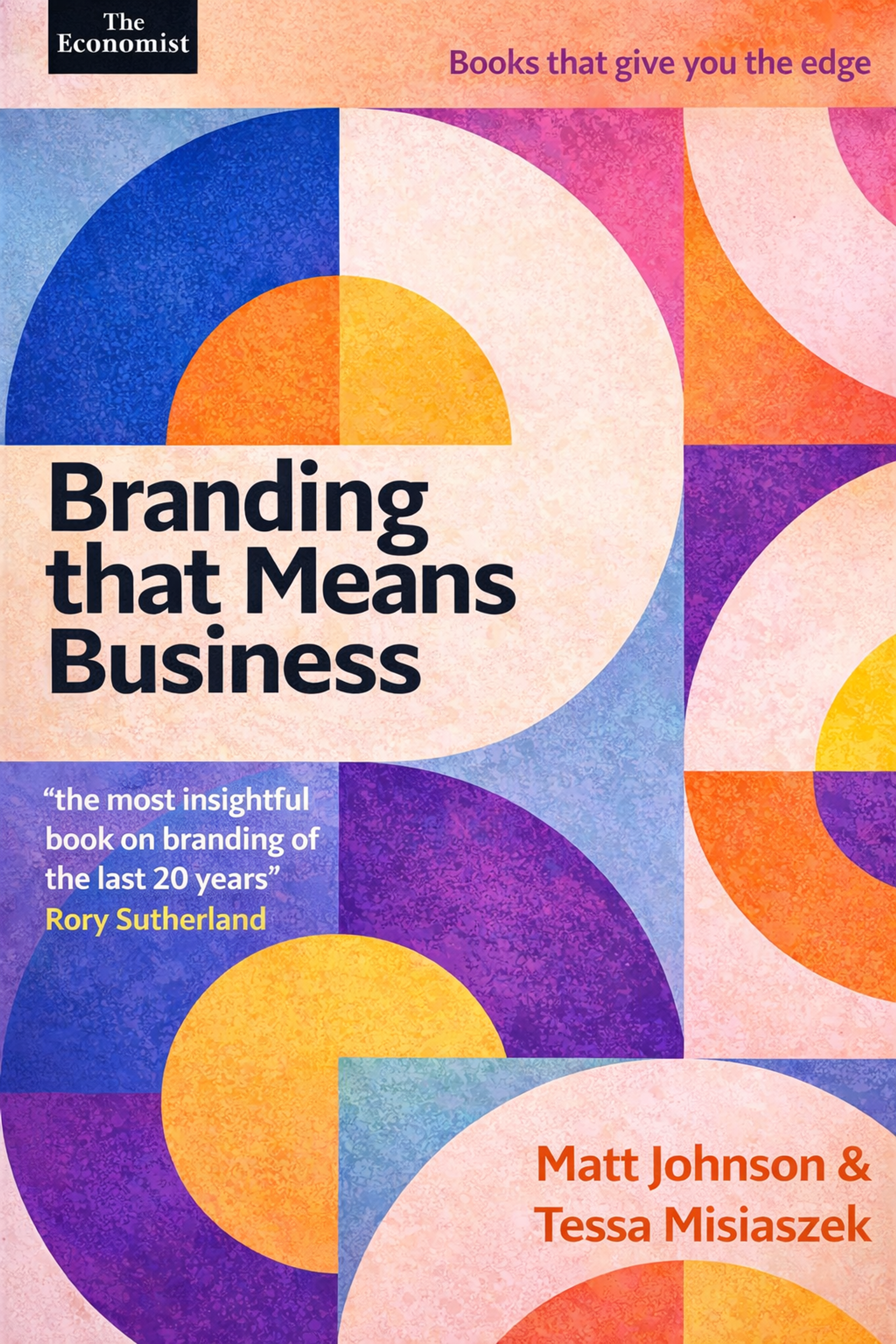
Overview: This book argues that a brand only drives business value when it builds a real connection with people. Authors Johnson and Misiaszek combine psychology, sociology, and business research to explain how brands become meaningful when they fit into consumers' minds and lives.
In a market full of choice and instant gratification, a brand needs to be loved, not just recognized. To achieve this, it's crucial to understand clients' needs and have a sense of what truly resonates with them.
Key insights: Branding That Means Business reframes branding as a human-centered discipline. It shows how to build and sustain a brand by creating emotional relevance, not just awareness. The book explores brand purpose, customer-as-hero storytelling, and strategies for integrating brand values into company culture.
It also draws on methods from behavioral science and anthropology to help brands stand out and build loyalty. The main takeaway is simple: brand equity comes from meaning. When brand experiences genuinely improve customers' lives, the brand becomes a durable business asset.
To achieve branding success, it is essential to understand human behavior and motivations. Creating a brand platform is a crucial step in establishing a strong and meaningful brand.
2. Quantum Marketing: Mastering the New Marketing Mindset for Tomorrow’s Consumers (2021) – Raja Rajamannar
Quantum Marketing: Mastering the New Marketing Mindset for Tomorrow’s Consumers
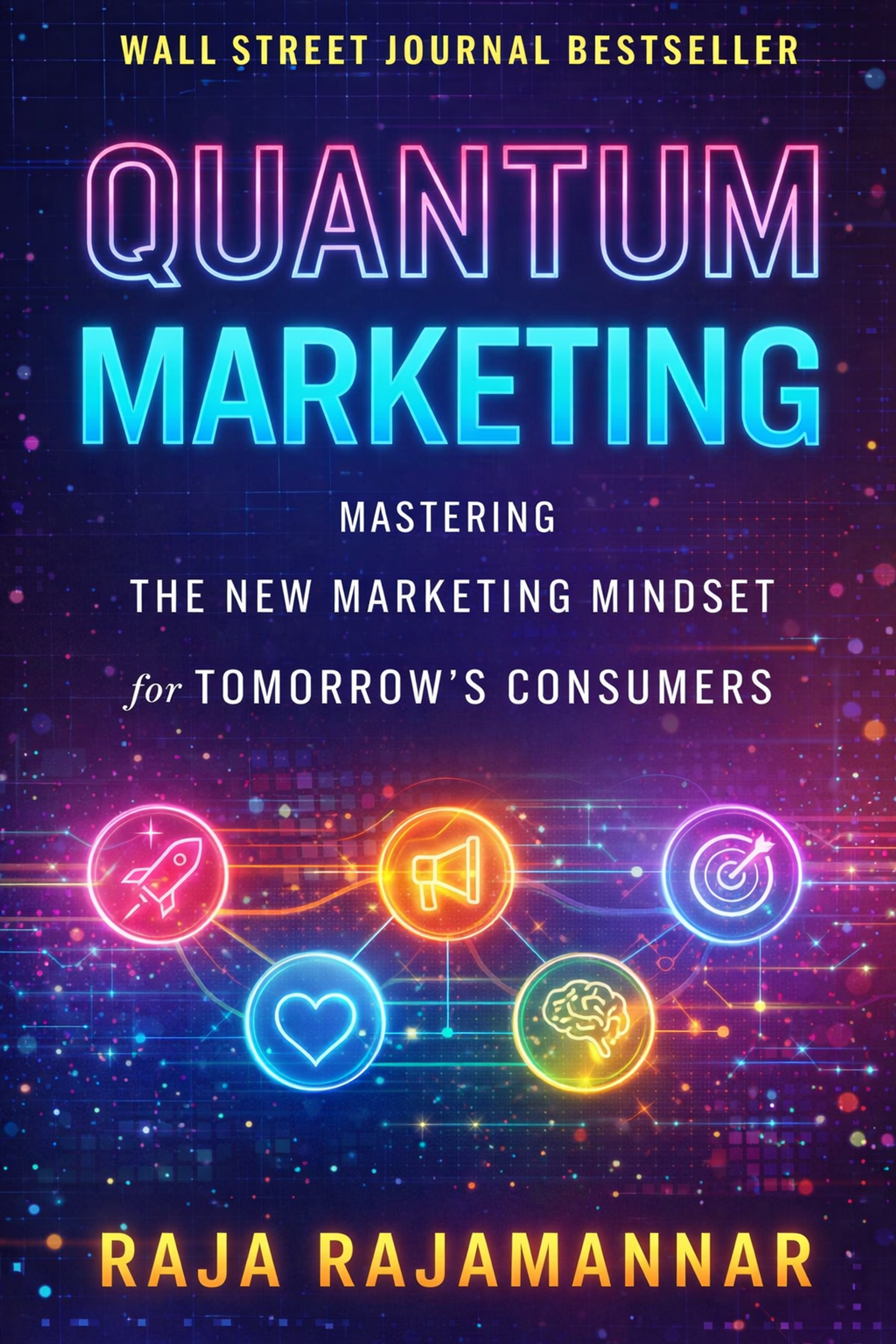
Overview: Written by Mastercard's CMO, Quantum Marketing argues that marketing is entering a "fifth paradigm" shaped by emerging technologies, including AI, big data, IoT, and AR/VR.
Rajamannar says that marketing, and even the concept of what a brand is, needs to be rethought for this era, as organizations must adapt their strategies to remain relevant.
The book mixes future-looking perspective with practical guidance for navigating disruption, emphasizing the process required to develop a modern marketing strategy that aligns with technological advancements.
Key insights: The core message is balance. Brands still need precise positioning and emotional storytelling, but AI and analytics can amplify both by making interactions more personal and more relevant at scale. Rajamannar also stresses that strategy should lead. Technology is a tool to support creativity and brand purpose, not replace it.
The book provides a framework for integrating modern brand building with data-driven rigor, featuring ideas such as AI-powered segmentation and experimentation with immersive experiences. It highlights the structured process marketers can follow to develop their skills and marketing strategy in a rapidly changing environment.
3. Make Your Brand Legendary: Create Raving Fans with the Customer Experience Engine (2023) – Scott Wozniak
Make Your Brand Legendary: Create Raving Fans with the Customer Experience Engine
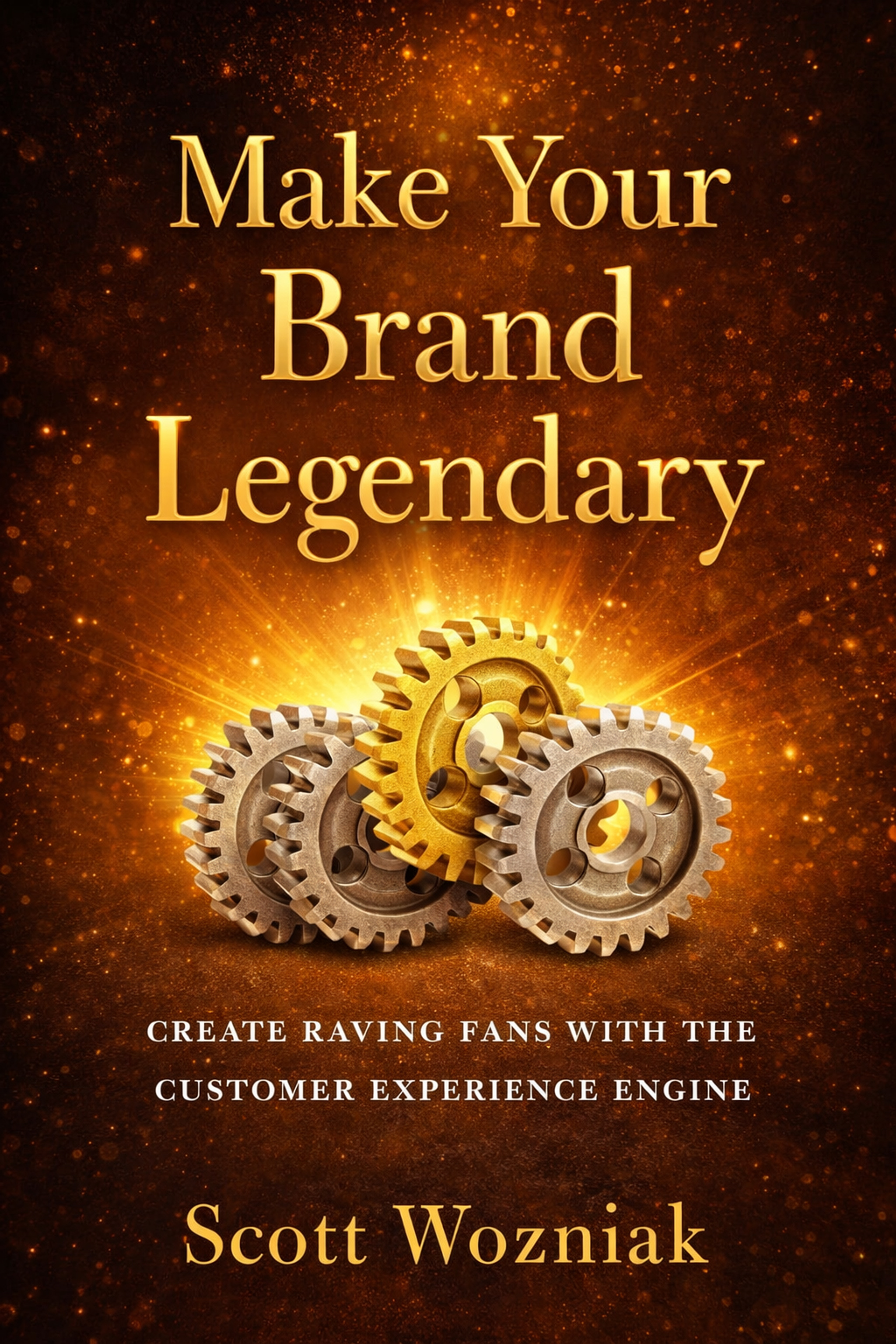
Overview: Wozniak's book serves as a playbook for building a "legendary" brand that earns intense customer loyalty and genuine fandom. Drawing from his brand strategy work with clients over two decades of brand consulting, including work with Chick-fil-A, he explains the systems behind brands that attract cult-like followings.
He introduces a Customer Experience Engine framework designed to help companies turn satisfied customers into enthusiastic advocates. The book features case studies that demonstrate successful branding strategies and design principles in action.
Examples such as Apple, Harley-Davidson, Disney, and Chick-fil-A show how standout experiences can create customers who proudly represent the brand and defend it.
Key insights: The central idea is that great brands go beyond the product and focus on the whole customer experience across every touchpoint. Wozniak argues that true fans come from consistent, memorable interactions that genuinely delight people.
He breaks down how legendary brands do this through repeatable systems, from service training to community building, and turns those patterns into actionable steps.
4. Bullseye Marketing: How to Grow Your B2B Business Faster (Second Edition, 2021) – Louis Gudema
Bullseye Marketing: How to Grow Your B2B Business Faster (Second Edition, 2021)
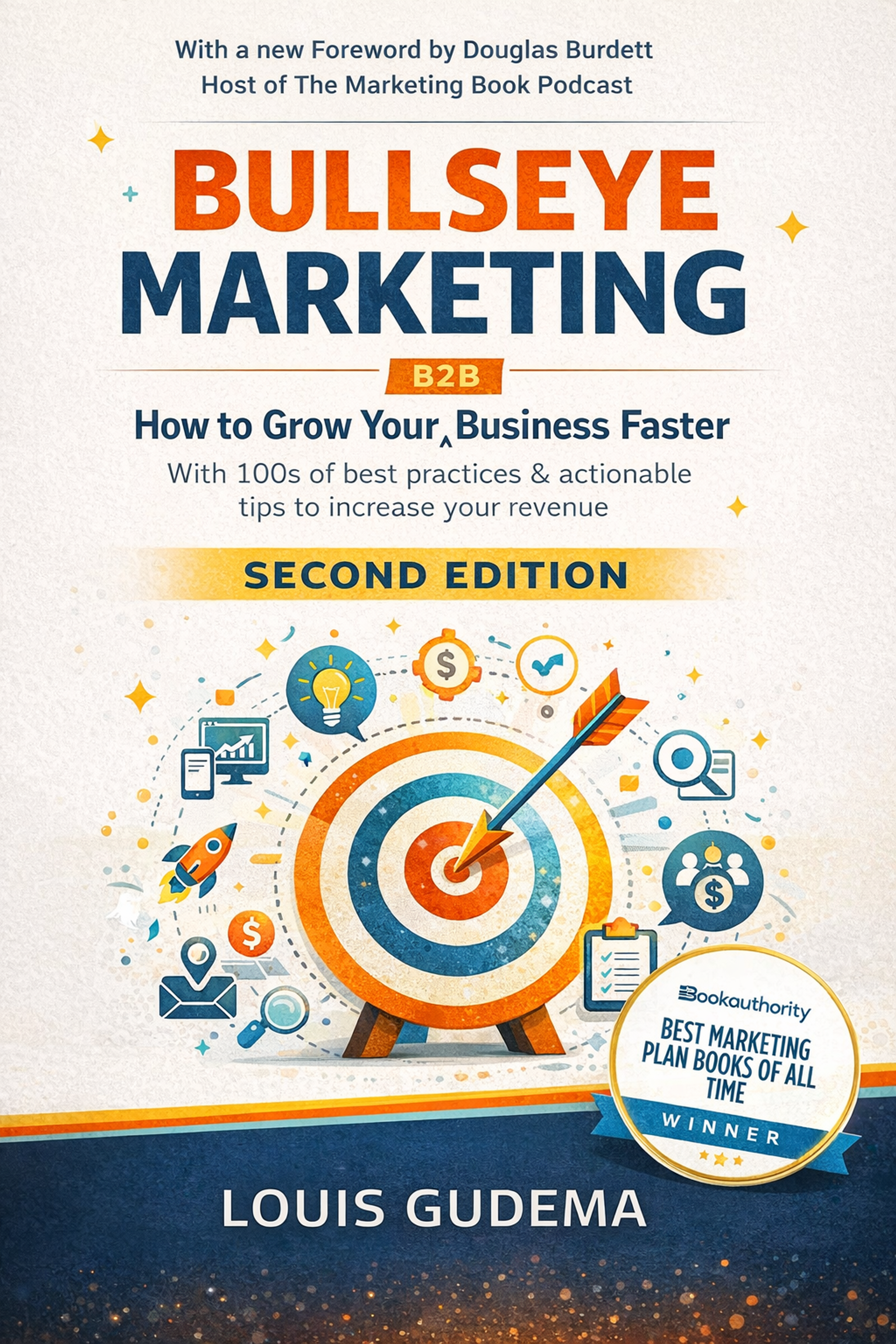
Overview: First published in 2018 and updated in its second edition, Bullseye Marketing outlines Gudema's focused process for achieving fast, marketing-led growth, with a strong emphasis on B2B.
It combines strategy and execution, guiding readers through a three-phase plan that starts with quick wins and existing relationships, then expands into broader outreach.
Gudema's core argument is simple. In markets where product advantages don't last, marketing becomes the most durable differentiator. Many B2B companies still underinvest in it, and that gap creates a real growth opportunity.
Key insights: The book emphasizes the importance of striking a balance between short-term lead generation and long-term brand building. Gudema argues that most B2B buyers are not actively shopping most of the time.
Therefore, a meaningful share of your budget should be allocated toward staying memorable through trust, thought leadership, and brand storytelling, rather than just product pitches.
A key insight is the importance of problem-solving in marketing and branding, which involves understanding customer needs and addressing them through empathy and effective communication.
The book also highlights the critical role of advertising in building brand identity and driving demand generation, especially as brands adapt to modern media channels.
5. Better Brand Health: Measures and Metrics for a How Brands Grow World (2023) – Jenni Romaniuk
Better Brand Health: Measures and Metrics for a How Brands Grow World (2023)
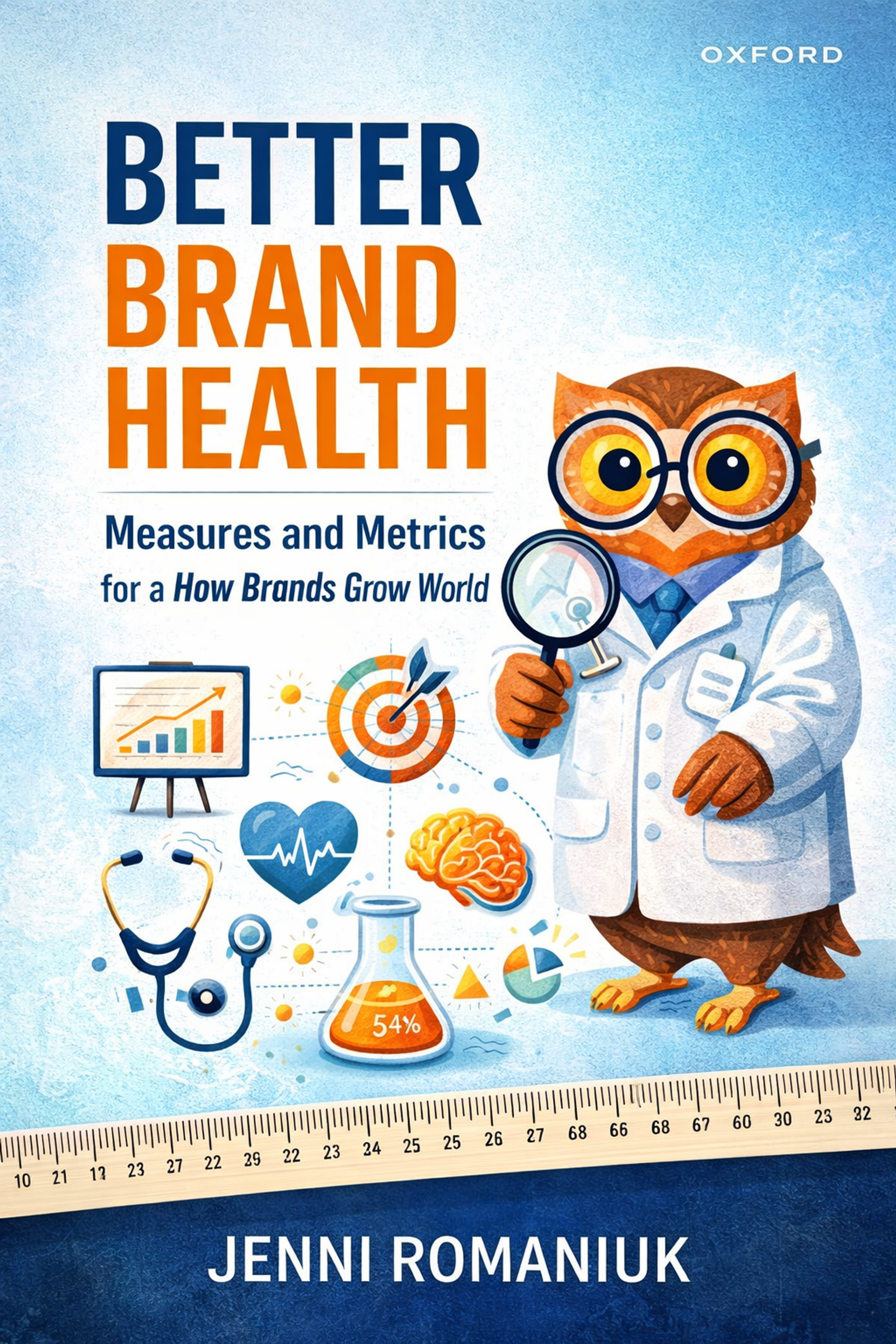
Overview: In the tradition of How Brands Grow, the book challenges common tracking mistakes and reframes brand health in terms of memory and mental availability, referring to the strength with which a brand exists in people's minds through accumulated impressions.
Measuring brand health is crucial for building a successful brand, as it helps identify a unique market position and supports the development of a strong brand identity.
The book also explains how to design surveys and metrics that accurately reflect whether brand work is influencing future buying decisions.
Key insights: The big message is context. Romaniuk's rule is: design for the category, analyze for the buyer, report for the brand. Tracking should be category-neutral, analysis should separate buyers from non-buyers, and reporting should account for brand size.
He warns against overreacting to raw scores. Small brands naturally exhibit lower awareness and loyalty, while big brands can appear strong in surveys even as they lose market share.
The importance of brand identity and visual identity is emphasized in creating mental availability, as a strong visual identity helps establish a memorable and effective brand. Visual branding is crucial for establishing a robust brand identity.
6. Deloitte Global Marketing Trends 2022 (Report, Oct 2021) – Deloitte Insights
Overview: Deloitte's 2022 Global Marketing Trends report, "Thriving Through Customer Centricity," is a thought-leadership study based on surveys of executives and consumers worldwide. It outlines seven trends shaping high-growth brands after 2020.
Two themes stand out for brand strategists: purpose-driven branding and the shift toward hybrid experiences that blend physical and digital engagement.
Key insights: Deloitte finds that brand purpose is increasingly tied to growth. High-growth brands are more likely to embed purpose into business strategy and measure it with clear metrics, not just messaging. The report also highlights the changes in marketing teams.
Data, analytics, and technology skills are now as important as creative talent, especially as AI and big data reshape planning and personalization. At the same time, creativity remains essential. The strongest teams combine analytical capability with human-centered thinking.
Designers play a crucial role in shaping a brand's visual identity, ensuring that its style aligns with brand values and fosters an emotional connection with consumers. The entire branding team, including strategists, designers, and marketers, must collaborate closely to craft a compelling and authentic brand message.
7. Havas Meaningful Brands 2023 Global Report – “Welcome to the Me-conomy” (2023) – Havas Media Group
Overview: Havas' Meaningful Brands 2023 (15th edition) is a comprehensive global study based on surveys of over 300,000 people. It finds an apparent tension: consumers are increasingly skeptical of brands' social promises, yet they still expect brands to improve their daily lives and well-being.
Havas calls this the "Me-conomy." The brands seen as truly "meaningful" are those that deliver both societal value and personal value, and the report links "meaningfulness" to stronger preference and performance.
Key insights: The report warns against "purpose-washing." Many consumers will punish brands they perceive as insincere, including by complaining or switching to a different brand. It also argues that doing good is not enough. Brands must meet "me" needs too, like making life easier, more affordable, or more enjoyable, and supporting well-being.
The strongest brands connect purpose with practical value, for example, sustainability that also saves customers money, or community initiatives that also enhance the overall experience. The power of emotional connection is crucial, as brands struggle to earn consumer loyalty in a crowded market.
The strategic takeaway is straightforward: clarify how your brand improves individual lives and contributes to society. Brands that credibly deliver both earn more loyalty and outcompete peers.
8. Marketing 5.0: Technology for Humanity (2021) – Philip Kotler, Hermawan Kartajaya & Iwan Setiawan
Marketing 5.0: Technology for Humanity
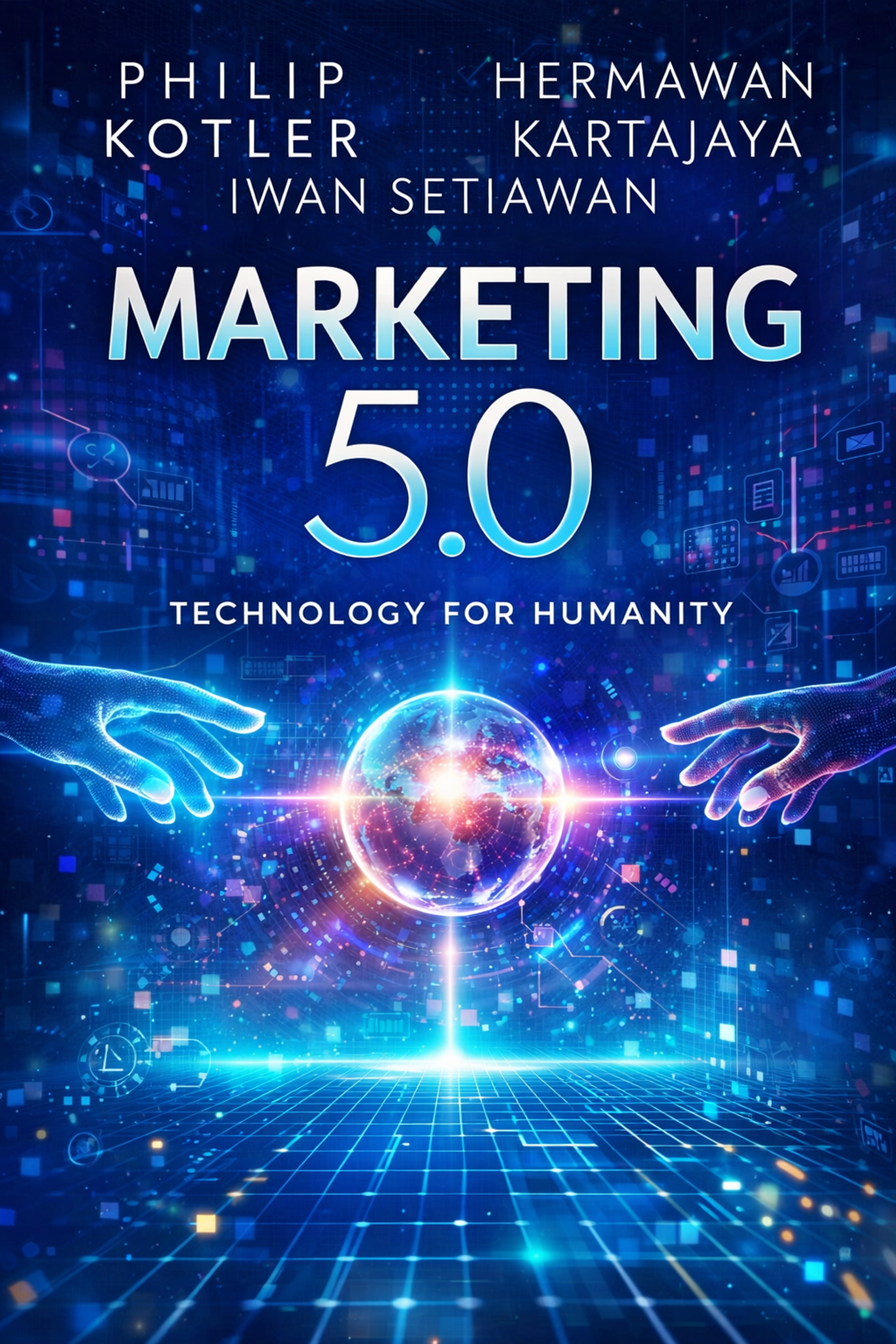
Overview: In Marketing 5.0: Technology for Humanity (Wiley, 2021), Philip Kotler and co-authors explore how modern marketing is evolving as advanced tech becomes mainstream.
The book focuses on combining human-centered marketing with tools like AI, robotics, sensors, and natural language processing. The core stance is clear: digital transformation should serve people, not replace them.
Key insights: The authors define Marketing 5.0 as using technology to create, communicate, and enhance value across the customer journey. Technology is a means, not the goal. A central challenge is maintaining marketing that is emotionally resonant in an age of automation.
Effective writing is crucial for conveying a brand's values and personality, enabling brands to craft compelling stories and messaging that resonate with their target audiences.
AI can enable personalization and predictive insights, but it requires human direction to ensure messaging remains authentic and aligned with brand values. The book outlines key building blocks of this approach, including predictive analytics, richer customer insight through connected data, and immersive experiences such as AR/VR.
Additional Insights for Designers
As a designer, you play a critical role in bringing a brand to life through visual identity, typography, color, and imagery. Here are some additional insights to keep in mind when working on brand design projects:
Consistency is Key: Consistency is crucial when it comes to brand design. Ensure that the visual identity is consistent across all touchpoints, including the website, social media, advertising, and packaging. This helps create a cohesive brand experience that customers can easily recognize and trust.
Simplicity is Powerful: Simple designs are often more effective than complex ones. Avoid clutter and focus on clean lines, simple typography, and bold colors. A minimalist approach can make the brand more memorable and easier to understand.
Storytelling is Essential: Brands are not just about products or services. They are about the stories they tell. Use design to tell the brand’s story and create an emotional connection with customers. This can help differentiate the brand and make it more relatable.
Flexibility is Important: Brands need to be flexible and adaptable in today’s fast-paced market. Ensure that the design is flexible enough to be used across different touchpoints and mediums. This allows the brand to stay relevant and responsive to changing trends and customer needs.
Collaboration is Key: Collaboration between designers, marketers, and stakeholders is crucial when it comes to brand design. Ensure that everyone is aligned and working towards the same goal. This can help create a more cohesive and effective brand strategy.
Brand Positioning: Effective brand positioning is essential in defining how a brand is perceived in the minds of consumers. It helps differentiate the brand in a competitive market and creates a lasting association with specific attributes. Consistent messaging and customer interactions are key strategies for establishing and reinforcing a brand's position.
Some recommended resources for designers include:
- Design Milk
- The Design Cubicle
- Smashing Magazine
- A List Apart
By considering these insights and leveraging the recommended resources, designers can create compelling and effective brand identities that resonate with customers and drive business success.
FAQ
What Are The Best Books For Branding Strategy?
Top picks include Building a StoryBrand by Donald Miller, Positioning by Al Ries and Jack Trout, and Primal Branding by Patrick Hanlon. These teach clarity, differentiation, and emotional connection.
What Is The Best Book On Personal Branding?
Known by Mark Schaefer is widely recommended. It focuses on authenticity, audience building, and creating long-term influence in your niche.
What Are The 4 P's Of Branding?
Product, Price, Place, and Promotion. Together, they define how a brand delivers value, communicates its promise, and competes in the market.
What Are The 7 Pillars Of Primal Branding?
Creation story, creed, icons, rituals, sacred words, nonbelievers, and a leader - the seven elements that turn audiences into loyal brand communities.
Read More
Why These Books Matter in 2026
Many brands, including those assigned a 2026 date, accompanied by powerful marketing, can tell a powerful story with the art of branding. A powerful brand is more than just a logo with a matching color palette. It is a story that is told while creating deep emotions in the audience.
In 2026, marketing strategies are a must when competing in consumer marketing. A strong brand is one whose emotions align precisely with the words attached to the strategy. To maximize the impressions showered upon a consumer, the brand’s visual sells must also be definitely linked with it. This is why I think these books are helpful. They align with timeless branding principles in the modern world.
With continuous technological breakthroughs, the world of communication has been revised and redefined. An equally important component of your communication strategy will include branding philosophy and strategies. These books will inspire you and equip you with strategies to build brands, people remember, and sustain over time.


About Clay
Clay is a UI/UX design & branding agency in San Francisco. We team up with startups and leading brands to create transformative digital experience. Clients: Facebook, Slack, Google, Amazon, Credit Karma, Zenefits, etc.
Learn moreAbout Clay
Clay is a UI/UX design & branding agency in San Francisco. We team up with startups and leading brands to create transformative digital experience. Clients: Facebook, Slack, Google, Amazon, Credit Karma, Zenefits, etc.
Learn more