

Website redesign costs vary based on scope and complexity. A simple refresh may cost a few hundred dollars, while a large site with many pages and custom features can cost thousands.
The final price depends on factors like project goals, design requirements, functionality, and the amount of custom work involved. More features and detail usually mean more design and development time.
To keep costs under control, align the redesign scope with your budget and business needs.
Also, web agencies can help you with the redesign.
What Is a Website Redesign?
Redesigning a website means permanently changing its structure, features, and design to boost usability. This process will also increase a site's speed, mobile responsiveness, navigation, SEO, visuals, and overall performance to better align with business goals.
Step-by-step Progress Toward Success

A business or brand may decide to redesign its website if the existing site is outdated or not representative of their brand. The goal is to redefine the website so that it performs more effectively, increases user engagement, and drives competition.
Making comprehensive changes will improve a company's digital standing and help attain business goals through thoughtful investments in redesigning.
Types of Website Redesigns
For an effective website redesign, first define the scope of changes needed. Understanding the three main types of redesigns makes it easier to choose the right approach. Clear scope and careful planning lay the foundation for a successful redesign.
Redecoration
For brands looking to redesign their website and do not wish to engage in heavy development work, Redecoration provides the best option. Targeting core structures within the website remain untouched, while colors, layouts, images, and fonts are changed to modernize site design. As such, a rudimentary redesign change is made, and the website's core functionalities are not altered.
Single Changes in Web Design

Rewire
Rewiring improves a website’s core functionality without changing its layout or visual design. It focuses on technical upgrades like better mobile responsiveness, faster load times, stronger security, and smoother performance.
It can also include features such as custom navigation or shopping carts to improve usability without a full redesign. This approach works well for businesses that want better performance while keeping the existing structure intact.
Remodel
A remodel, or full redesign, is a broader website update that changes both design and functionality. It can include a new layout, updated visuals, improved navigation, better user experience, and backend changes.
The cost and complexity depend on whether you choose a custom design or a CMS-based approach, as well as how the current system integrates with other tools. A remodel suits businesses that want major improvements without rebuilding the site from scratch.
Rebuild
A rewrite is the most extensive type of website redesign. It means rebuilding the site from the ground up when the current version is outdated, difficult to maintain, or no longer fits business goals.
Repeating Pattern of Vintage Typewriters

Before starting, define your goals, budget, and project requirements. A full rebuild improves scalability, maintainability, and long-term flexibility, while making it easier to align the site with your brand and future needs.
Choosing the Right Redesign
A website redesign can range from a visual refresh to a full rebuild, depending on your goals, budget, and the scale of change. The right approach should improve usability, keep the site current, and support your business objectives.
Start with clear goals, a realistic budget, and strong references. Good research helps shape better decisions and makes the redesign process more effective.
8 Unexpected Reasons to Redesign Your Website
A homepage facelift includes meeting the set objectives, but the primary use is to keep information current. Your business has to be responsive, attractive, combative, and shifting in the clientele's perspective.
As any business typically blames poor sales on bad design and low speed of the site, here are three not-so-obvious yet very valid reasons to perform a website overhaul:
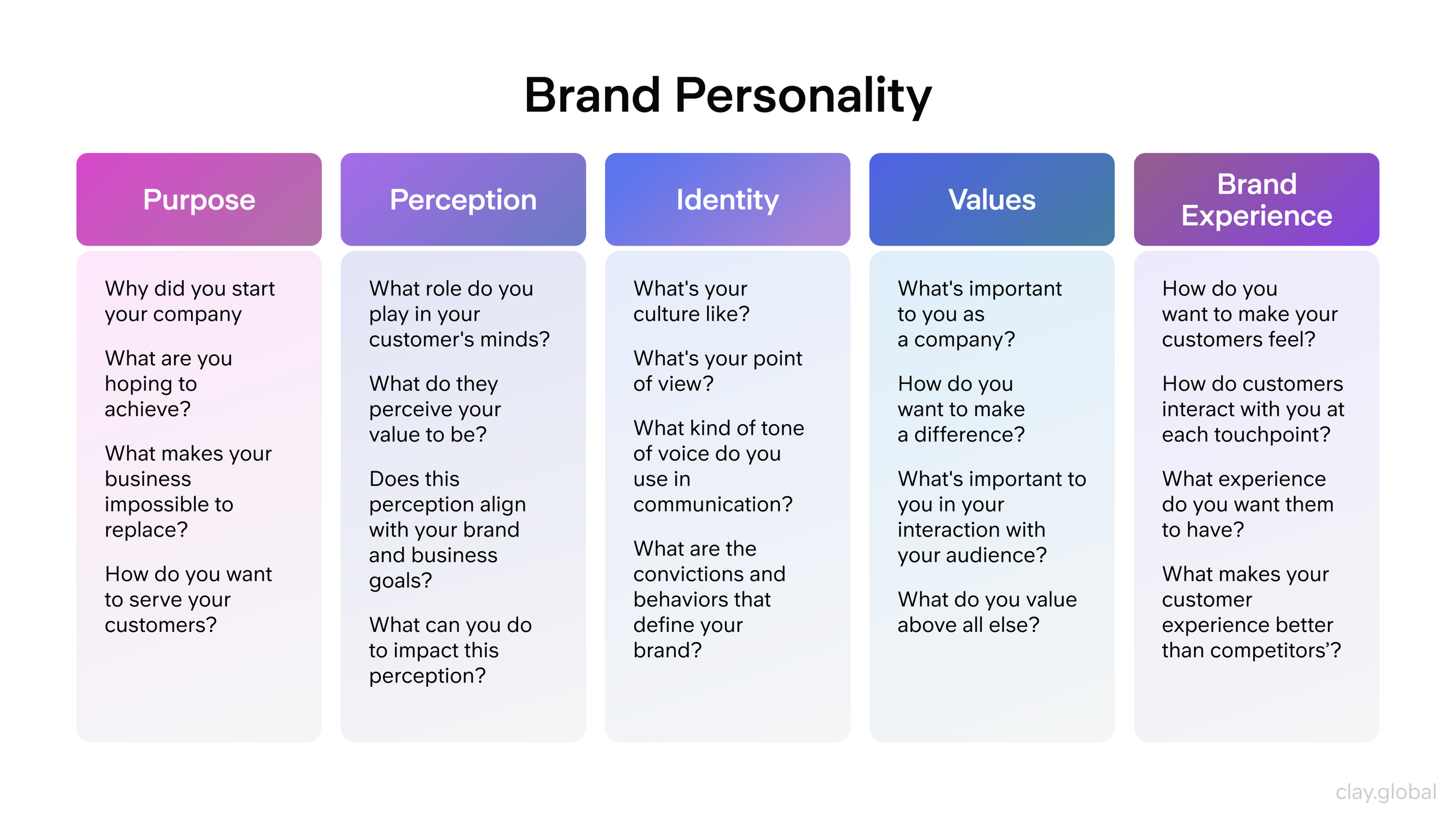
1. Your Website No Longer Reflects Your Brand’s Personality
Your logo, brand colors, or tagline don't define your company. Your company is a full package. Further, make sure the site structure, navigation, and information throughout are aligned with the business plan to be distinguished as sophisticated, modern, or creative.
Brand Personality by Clay
2. Visitors Aren’t Engaging with Your Content Anymore
Low engagement means high bounce rates, which is an issue with presentation. When content is presented interactively, getting the user's attention is more effortless. Better storytelling, fresh visual layouts, and engaging animations can convert passive visitors into competent users.
3. Your Website Feels Like a One-Way Street
Websites that only deliver information and don't encourage users to interact can feel like they are from the last decade. To make your clients happy, a redesign can make the site more engaging and responsive. Users who feel involved and in control are much more willing to stay and interact with the website.
4. Outdated Design and Poor User Experience
If your website looks outdated or doesn’t match modern design trends, it might be turning visitors away. An old-fashioned layout, cluttered interface, or unresponsive design can hurt credibility and engagement.
Experienced web designers can help ensure that your website has a modern, visually appealing design that enhances user experience. A redesign ensures a fresh, visually appealing, and intuitive experience.
Frustrated Woman

5. Slow Loading Speed
A slow website frustrates users and negatively impacts search rankings. If your site takes longer than a few seconds to load, visitors may leave before engaging. A redesign can optimize performance, improving speed and retention.
6. Declining Traffic and Conversions
Changes to your engagement and conversion rates and traffic for your website may indicate that users' needs are not being satisfied. A redesign refreshes content, improves SEO, enhances user experience, and ultimately increases conversions.
7. Your Business Has Evolved
Your website should change if your services, target audience, or brand have changed. Redesign guarantees that your website syncs with your business goals, messaging, and current offerings
8. Security and Technical Issues
An old website is likely to have security issues and compatibility shortcomings. A redesign can secure your CMS, enhance security protocols, and guarantee optimal performance.
How Much Does a Website Redesign Cost?
The cost of a website redesign varies widely between $3,000 and $200,000+ depending on the site’s size, complexity, and design needs compared to other competitors in the market. However, their prices are not set in stone.
A freelance website designer can segment their pricing based on project difficulty and skill level for more cost-effective approaches. Since this design industry sector is so broad, finding freelancers with specific coding or graphic design skills is very easy.
Keep in mind, top-tier freelance professionals now command rates between $50 – $150/hour, with agencies ranging higher.
Factors Influencing Website Redesign Costs
1.
Scope of Redesign: A simple visual update will cost less than a complete overhaul involving new functionalities and structural changes.2.
Design Complexity: Custom designs with unique graphics and interactive elements increase costs compared to using standard templates.3.
Content Requirements: Creating new content or migrating existing content can add to the overall expense.4.
Choice of Professionals: Hiring freelancers may be more cost-effective, while agencies often provide comprehensive services at a higher price point. Collaborating with a web design company can ensure expert guidance and better outcomes, making it a valuable investment.
Average Cost Estimates
Here are some important numbers:
- Small Business Websites: Approximately $3,000 – $15,000.
- Mid-Size Corporate Sites: Around $15,000 – $60,000.
- Large Enterprise Sites: Between $50,000 – $200,000+ or more.
- E-commerce Platforms: Typically $20,000 – $500,000+, depending on the number of products and required features.
Additional Considerations
Ongoing maintenance, content updates, and potential marketing efforts should also be factored into your budget to ensure sustained website performance and relevance.
For a precise estimate tailored to your specific needs, it’s advisable to consult with web design professionals who can assess your project requirements in detail.
Hiring a website design agency can provide access to expertise, ensure timely delivery, and handle complex integrations, although it may come with higher costs.
Based in San Francisco, Clay is widely recognized as one of California’s top design firms for website revamps. Known for their sleek visual systems, deep UX thinking, and scalable dev capabilities, Clay specializes in transforming outdated sites into polished, high-converting digital experiences.
Read more:
Conclusion
A website redesign should be treated as an investment, not just a cost. Done well, it can improve user experience, increase engagement, and deliver better business results.
Define your goals early and match the project scope to your budget. Whether you hire experts or handle it yourself, careful planning helps you get more value from the redesign.


About Clay
Clay is a UI/UX design & branding agency in San Francisco. We team up with startups and leading brands to create transformative digital experience. Clients: Facebook, Slack, Google, Amazon, Credit Karma, Zenefits, etc.
Learn moreAbout Clay
Clay is a UI/UX design & branding agency in San Francisco. We team up with startups and leading brands to create transformative digital experience. Clients: Facebook, Slack, Google, Amazon, Credit Karma, Zenefits, etc.
Learn more