

Brands are not static. They reflect how a company sees itself, how customers experience it, and how the market responds.
Over time, those elements shift. What worked two years ago can quietly lose relevance. The challenge is knowing when change is necessary and how far that change should go.
Brand evolution is not about chasing trends or redesigning for its own sake. It is about alignment. When your brand no longer matches your product, audience, or ambition, it starts to create friction. That friction shows up in lower conversion, weaker positioning, and slower growth.
Key Takeaways
- Brand evolution is driven by misalignment between your brand, product, audience, or market
- The strongest signal is not visual fatigue but business friction, such as declining engagement or unclear positioning
- Not every change requires a full rebrand. Many situations call for focused evolution instead
- Timing matters. Evolving too early wastes resources. Waiting too long compounds brand debt
- A modern brand must perform across human perception and AI systems, including search, summaries, and recommendations
What “Brand Evolution” Really Means in 2026
Brand evolution sits between two extremes. On one side, you have small visual updates. On the other hand, a full rebrand with a new name, identity, and positioning.
Most companies fall somewhere in between.
In 2026, brand evolution typically involves updating how your brand communicates and expresses itself without losing its core equity. That might include refining your messaging, adjusting your visual system, clarifying your positioning, or aligning your tone with a new audience.
What has changed in recent years is how brands are discovered and evaluated.
Your brand is no longer just experienced through your website or product. It is interpreted by AI systems, summarized in search results, and surfaced in answer engines. That means clarity, consistency, and semantic coherence matter more than ever.
A modern brand must be understandable not only to people, but also to machines.
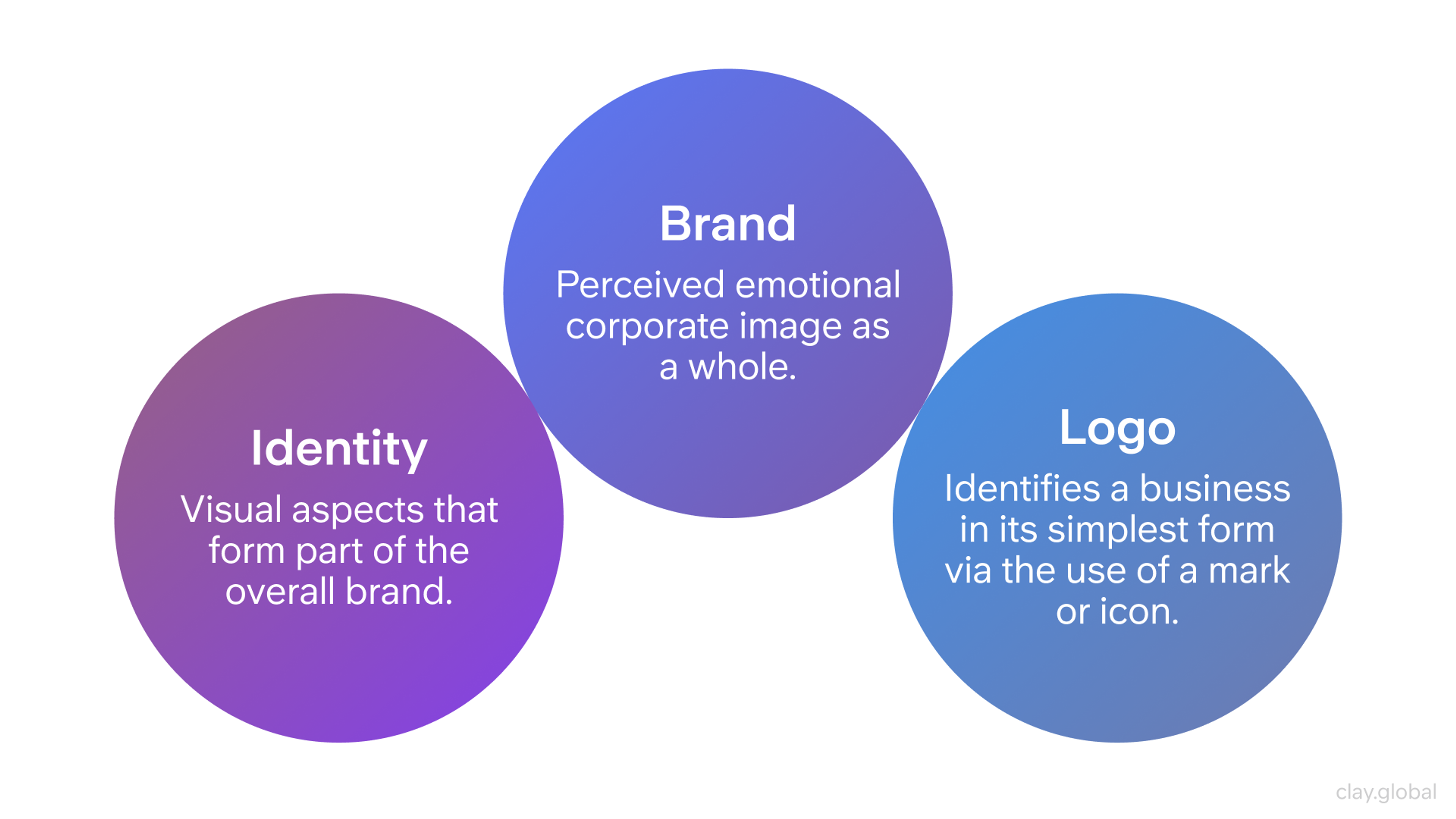
Brand Identity Elements by Clay
Why Brands Need to Evolve
Most brand decisions are reactive. Teams notice something feels off, performance dips, or competitors start to outpace them.
But brand evolution is rarely triggered by a single issue. It is usually the result of gradual misalignment.
Growth Changes Your Brand Requirements
As companies grow, their original brand often struggles to keep up.
A startup brand is usually built for speed. It prioritizes flexibility and personality. But as the company scales, it needs clarity, consistency, and structure. What once felt bold can start to feel vague.
For example, a product that began as a niche tool may expand into a platform. If the brand still speaks to its original use case, it limits the company's perception.
Markets Shift Faster Than Before
In 2026, markets evolve quickly. New categories emerge, language changes, and customer expectations reset.
A brand that does not adapt risks becoming outdated, even if the product remains strong. This is especially true in industries like fintech, AI, crypto, and SaaS, where positioning is constantly redefined.
Customer Expectations Are Higher
Customers now expect brands to be clear, relevant, and trustworthy from the first interaction.
If your messaging is confusing or your identity feels inconsistent, users will not spend time trying to figure it out. They will move on.
Brand evolution helps remove that friction.
The Most Reliable Signs It’s Time to Evolve Your Brand
Not every signal is obvious. In fact, the most important ones often show up in business performance rather than design feedback.
Your Positioning Is Hard to Explain
If your team struggles to describe what you do in a simple, consistent way, your brand is likely misaligned.
This often happens when a company expands its offering without updating its positioning. The result is messaging that tries to say too much and ends up saying very little.
Conversion Rates Are Stagnating or Dropping
When users land on your website and do not convert, the issue is not always product-related.
It can be a brand problem.
If your value proposition is unclear or your messaging does not resonate, users will hesitate. Even small inconsistencies can create doubt.
You Are Attracting the Wrong Audience
A mismatch between your brand and your ideal customer often shows up in lead quality.
If you are attracting users who are not a good fit, your brand may be signaling the wrong things. This is a strong indicator that your positioning or tone needs adjustment.
Your Brand Feels Outdated Internally
Sometimes the first signal comes from within.
If your team no longer feels confident presenting the brand, or if different departments are using different messaging, your brand has likely drifted.
Internal misalignment often leads to external inconsistency.
Competitors Are Easier to Understand
If competitors can explain their value more clearly or position themselves more effectively, they will win attention.
This does not mean you should copy them. But it does mean your brand may need to evolve to stay competitive.
Many teams also choose to work with experienced brand design agencies when the stakes are higher, especially if they need an outside perspective and strategic rigor:
Brand Evolution vs Rebranding
One of the biggest mistakes companies make is jumping to a full rebrand when a more focused evolution would solve the problem.
When Evolution Is Enough
Brand evolution is the right approach when your core idea is still strong, but how you express it needs refinement.
This might include:
- Clarifying your messaging
- Updating your visual identity
- Aligning tone and voice
- Improving consistency across touchpoints
In these cases, the goal is to strengthen what already works.
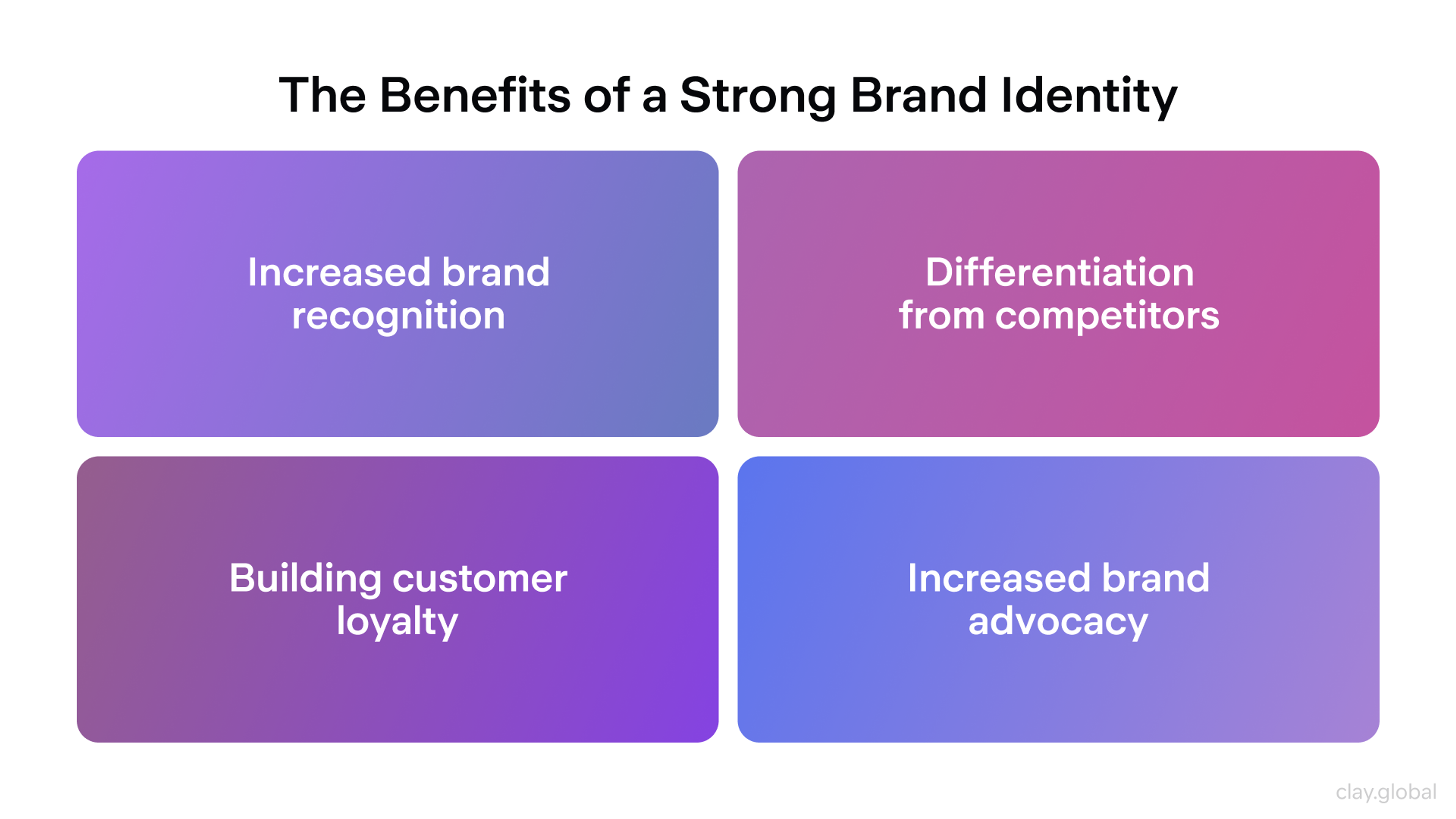
The Benefits of a Strong Brand Identity by Clay
When a Rebrand Is Necessary
A full rebrand is needed when the foundation itself no longer fits.
This usually happens when:
- Your business model has changed significantly
- You are entering a completely new market
- Your current brand has negative associations
- Your name or identity limits your growth
Rebranding is not just a design exercise. It is a strategic reset.
The Cost of Waiting Too Long
Delaying brand evolution often feels safe. It avoids disruption and preserves familiarity.
But over time, the cost becomes visible.
Brand Debt Builds Up
Just like technical debt, brand debt accumulates.
Inconsistent messaging, outdated visuals, and unclear positioning create friction across every touchpoint. Marketing becomes less effective. Sales conversations take longer. Product updates feel disconnected.
Growth Slows Down
When your brand does not clearly communicate value, growth becomes harder.
You may still acquire users, but at a higher cost. Retention may drop because expectations are not set correctly.
Teams Lose Alignment
A weak or outdated brand creates confusion internally.
Different teams start interpreting the brand in their own way. This leads to inconsistent communication and diluted impact.
The Risk of Evolving Too Early
While waiting too long has clear downsides, evolving too early can also be a mistake.
Early-stage companies often feel pressure to refine their brand before they fully understand their market.
You Might Solve the Wrong Problem
If your product-market fit is not stable, changing your brand will not fix underlying issues.
In fact, it can make it harder to learn from your audience because you are constantly changing how you present yourself.
You Lose Valuable Signals
Your early brand, even if imperfect, generates feedback.
It shows you what resonates and what does not. Evolving too quickly can erase those signals before you fully understand them.
How to Approach Brand Evolution Strategically
Brand evolution should not be reactive. It should be guided by clear inputs and a structured process.
Start With Alignment, Not Design
The biggest mistake is jumping straight into visual updates.
Before anything else, clarify:
- What you do
- Who you serve
- Why you matter
- How are you different
This forms the foundation for everything else.
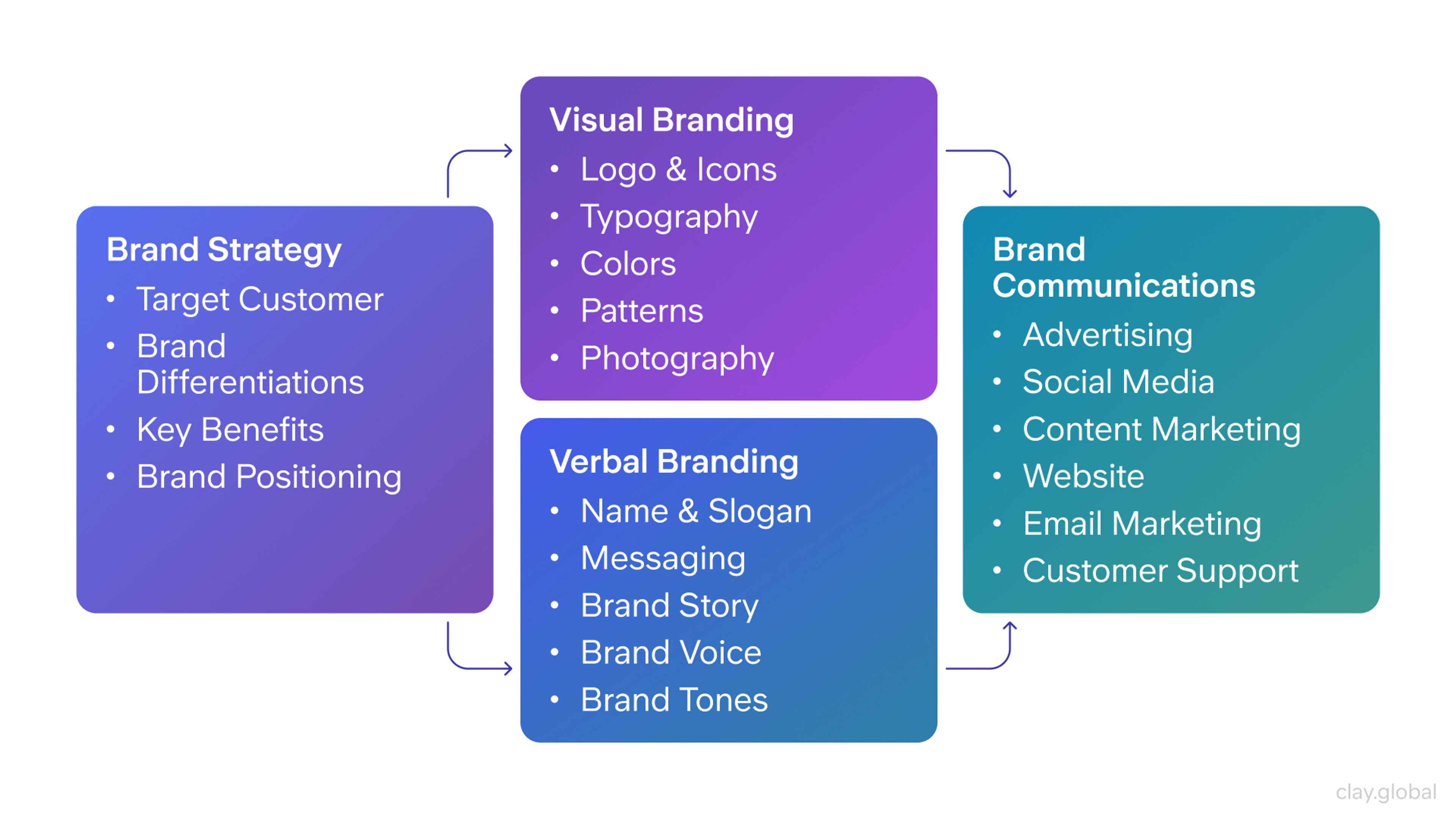
Brand Design Elements by Clay
Use Real Data, Not Opinions
Brand decisions should be informed by:
- Conversion data
- Sales feedback
This ensures your evolution is grounded in reality, not assumptions.
Define What Must Stay the Same
Not everything should change.
Identify the core elements of your brand that still work. This might be your mission, your values, or key aspects of your identity.
Preserving these elements maintains continuity.
Evolve in Layers
Brand evolution is rarely a single step.
Start with positioning and messaging. Then update your visual system. Finally, apply those changes across touchpoints.
This layered approach reduces risk and ensures consistency.
Brand Evolution in the Age of AI Discovery
One of the most important shifts in 2026 is how brands are discovered.
Search engines, AI assistants, and recommendation systems now play a major role in shaping perception.
Clarity Is Now a Ranking Factor
AI systems prioritize content that is clear, structured, and easy to interpret.
If your brand messaging is vague or inconsistent, it becomes harder for these systems to understand and surface your brand.
Consistency Across Channels Matters More
Your website, product, social presence, and third-party mentions all contribute to how your brand is interpreted.
Inconsistent messaging can confuse both users and AI systems.
Brands Are Summarized, Not Just Visited
Increasingly, users encounter your brand through summaries rather than direct visits.
This means your positioning needs to be concise and easily extractable. If your core message cannot be summarized clearly, it loses impact.
Common Mistakes to Avoid
Brand evolution can create value, but only if approached carefully.
Treating It as a Design Project
Brand is not just how you look. It is how you communicate and what you represent.
Focusing only on visuals leads to shallow changes.
Overcorrecting Based on Trends
Trends can be useful signals, but they should not dictate your brand.
Chasing trends often leads to short-lived changes that lack strategic depth.
Ignoring Internal Adoption
Even the best brand evolution will fail if your team does not adopt it.
Internal alignment is just as important as external execution.
How to Know You Got It Right
A successful brand evolution does not just look better. It performs better.
You should see:
- Clearer messaging across all channels
- Improved conversion rates
- Stronger alignment between teams
- Better quality leads
- Increased confidence in how your brand is presented
Most importantly, your brand should feel easier to understand.
Examples of Brand Evolving
Wise
When: After ~10 years, TransferWise had expanded far beyond P2P transfers (multi-currency accounts, cards, business accounts, and platform integrations). The word “Transfer” was narrowing perception. In February 2021, the company announced it was changing its name to Wise to reflect “money without borders,” with a staged switchover through March.
How they did it right: They led with strategy and customer reality first, then updated naming and messaging, and only afterwards refreshed the visual system (a broader green palette, typographic system, universal symbols) in March 2023 - minimizing disruption while protecting brand equity (the “flag” symbol). This sequencing anchored the change in business scope, not cosmetics.
Source: thedigitalbanker.com

Brex
When: In June 2022, Brex openly said it was “less suited to meet the needs of smaller customers” and would stop serving traditional SMBs to focus on venture-backed startups and enterprises. Existing SMB customers were given a deadline (media reports cite August 15, 2022 to move funds). The brand needed to match the new go-to-market and product strategy (corporate spend + software for larger orgs).
How they did it right: Strategy first, then brand: Brex reoriented its narrative, funnels, and product communications toward enterprise, positioning its Empower software and spend platform as the core. The company later summarized the pivot’s business impact - e.g., rapid 2022 revenue growth - as part of its “second act.”
Source: ledgergurus.com

Patreon
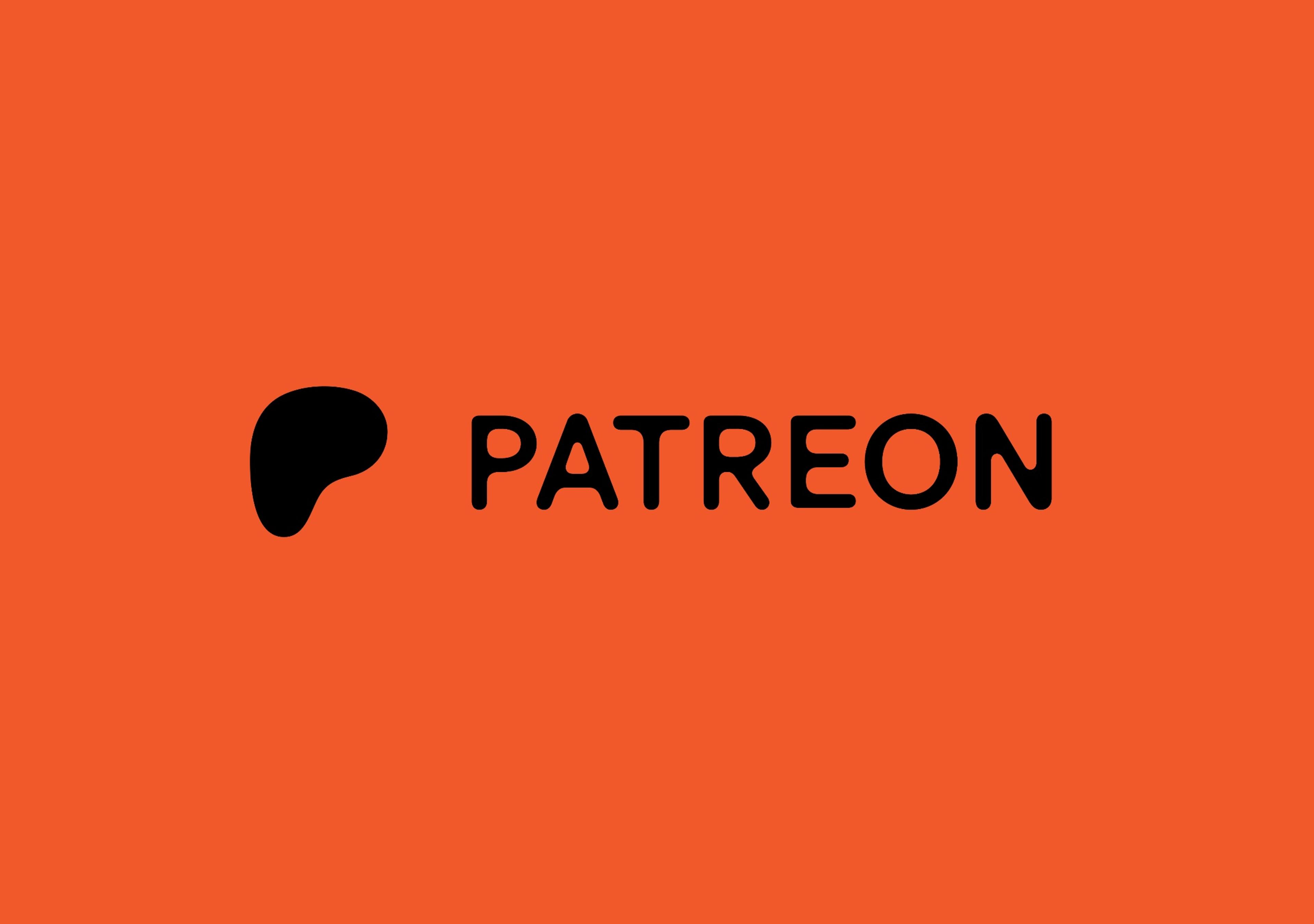
When: By October 4, 2023, Patreon’s product and community had broadened (new features and a redesigned mobile app). The team introduced a new brand identity to reflect a bigger promise to creators - explicitly saying Patreon is “no longer just a paid membership company.”
How they did it right: Working with Wolff Olins, Patreon built a flexible identity system that creators could inhabit (new wordmark/logo, modular color and photography, and UI integration). Crucially, they launched the brand inside real product contexts (app and creator pages), not just a guidelines PDF - so the evolution was immediately tangible for users.
Source: developer-tech.com
Read more:
FAQs
How often should a brand evolve?
There is no fixed timeline. Most companies revisit their brand every 2 to 4 years, but the real trigger should be a change in strategy, market, or performance.
What is the difference between a brand refresh and a brand evolution?
A refresh usually focuses on visual updates. Brand evolution is broader and includes messaging, positioning, and overall alignment.
Can small companies benefit from brand evolution?
Yes. Even early-stage companies can benefit, but they should focus on clarity rather than major changes until product-market fit is stable.
How long does a typical brand evolution take?
It depends on scope. A focused evolution can take a few weeks, while a more comprehensive update may take several months.
Is brand evolution expensive?
Costs vary widely. The key is not how much you spend, but whether the changes address real business problems.
Should we involve customers in the process?
Yes. Customer insights are one of the most valuable inputs for brand decisions.
What metrics should we track after evolving our brand?
Focus on conversion rates, engagement, lead quality, and overall brand clarity in user feedback.
Can brand evolution improve SEO and AI visibility?
Yes. Clear, structured messaging helps both search engines and AI systems understand and surface your brand.
What is the biggest risk in brand evolution?
The biggest risk is changing the wrong things. Without a clear strategy, evolution can create confusion instead of clarity.
Do we need to change our name to evolve our brand?
Not usually. Most brand evolution efforts focus on messaging and identity rather than naming.
How do we maintain consistency as we evolve our brand?
Create clear guidelines and ensure all teams understand and apply them consistently.
What role does design play in brand evolution?
Design supports the strategy. It should express your positioning clearly, not define it.
Can AI help with brand evolution?
AI can assist with analysis, testing, and content generation, but strategic decisions should remain human-led.
How do we test if our new brand works?
Use A/B testing, user feedback, and performance metrics to validate your changes.
What happens if we do nothing?
Over time, misalignment grows. This leads to weaker positioning, lower conversions, and slower growth.
Final Thoughts
Brand evolution is not a one-time decision. It is an ongoing process.
As your company grows and your market changes, your brand must adapt. The goal is not constant change, but continuous alignment.
When your brand accurately reflects who you are and where you are going, it becomes a powerful driver of growth.


About Clay
Clay is a UI/UX design & branding agency in San Francisco. We team up with startups and leading brands to create transformative digital experience. Clients: Facebook, Slack, Google, Amazon, Credit Karma, Zenefits, etc.
Learn moreAbout Clay
Clay is a UI/UX design & branding agency in San Francisco. We team up with startups and leading brands to create transformative digital experience. Clients: Facebook, Slack, Google, Amazon, Credit Karma, Zenefits, etc.
Learn more