

Stand out in a market where AI mediates choice, buyers move faster, and most "tech brands" look the same. In today's competitive market, tech startups must develop a distinct identity and create a memorable brand that sets them apart from rivals.
Branding is essential for startups, as it helps differentiate them from competitors, establish a unique value proposition, and build trust and credibility with their target audience.
The goal is not a prettier logo. The goal is a clear position, a compelling story, and a simple system you can actually ship across product, marketing, and culture. To get the best results, it is recommended to contact branding agencies.
Mission Control is one of leading branding agencies for tech startups. Known for its work with early-stage companies, Mission Control combines strategy, design, and venture guidance to help founders define their brand, launch faster, and stand out in the competitive tech landscape.
Source: Image by rawpixel.com on Freepik

Understanding The Tech Startup Branding Landscape
What Is Branding For Tech Startups In 2026?
Branding is how people recognize you, trust you, and explain you to others. For a tech startup, that includes your positioning and narrative, but also your product experience, documentation, onboarding, customer support tone, and the proof you show when someone asks, "Why should I believe you?"
Shaping a strong brand image and brand personality that reflects your company's core traits and values is essential for creating a cohesive, memorable presence in the market.
In 2026, there's an extra layer: discovery is increasingly mediated by AI systems. Your prospects might encounter your brand through an AI overview, a chatbot response, or an agent comparing options on their behalf.
That means your brand is not only what you publish, it's also what machines can reliably understand, cite, and summarize. Ensuring your brand voice is consistent and recognizable across both human and AI-mediated touchpoints strengthens brand recognition and trust.
Your brand's mission, vision, and core values are the foundation for everything your startup represents.
Why Branding Matters More When The Market Feels Crowded
Tech markets are still crowded, budgets are still tight, and speed still matters. The hard part is that you usually have to convince multiple audiences at once: users, buyers, investors, partners, and talent. If your story shifts based on the audience, trust drops.
Consistent messaging is crucial for building brand recognition and loyalty, as it reinforces trust and encourages customers to remain committed to your brand despite competitors. If you simplify too much, you sound generic. The job is to hold one core story while adapting the angle.
To stand out in a crowded market, craft a brand story that resonates with your audience by connecting on an emotional level and highlighting your founder's journey, customer impact, and core values.
A strong brand will cultivate an emotional connection and build trust with potential customers, making it more likely that they will choose you over your competitors.
Branding vs Marketing
Marketing drives short-term outcomes. Marketing efforts and a well-defined marketing strategy focus on generating immediate sales, while marketing branding focuses on building a lasting brand identity. Branding builds long-term preference.
Startups need both, but it's important to distinguish between marketing branding, which builds emotional connection and brand recognition, and marketing efforts, which are tactical and drive short-term results.
Branding and Marketing Goals
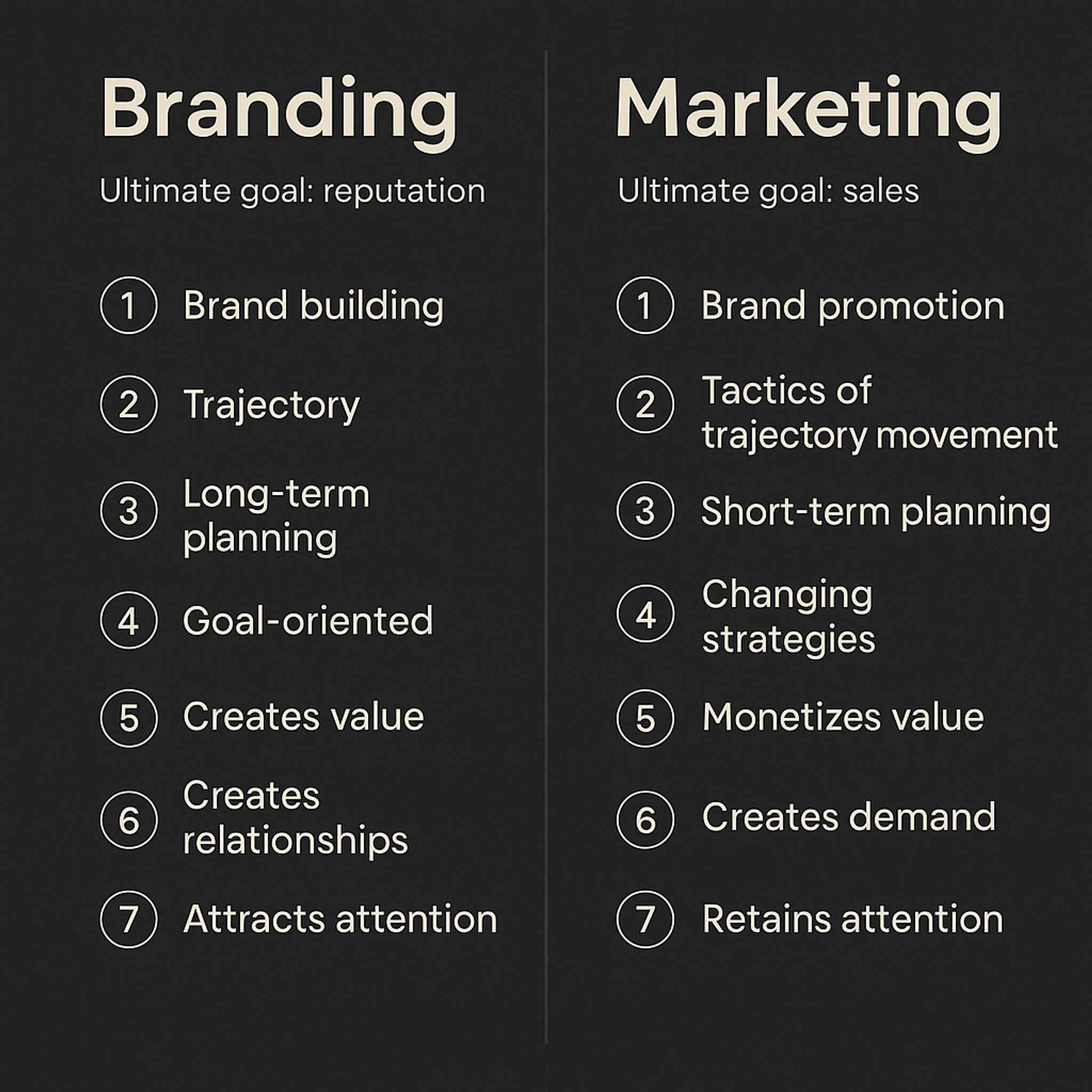
Branding should set the rules of the game: what you stand for, what you refuse to be, what your product experience should feel like, and why your category should exist with you in it.
The 2026 Reality Check: What Changed Since 2025
- AI-mediated discovery is mainstream. Buyers increasingly prefer summaries to full pages. If your value is hard to extract, you will not show up.
- Trust became a design constraint. Security, privacy, reliability, and "does it actually work" are not just legal or product concerns. They are brand concerns.
- Visual sameness got worse. Templates and AI-generated aesthetics pushed many tech brands into the same minimal gradient universe. The brands that stand out look more intentional, more human, and more specific. Creating a cohesive visual identity - through consistent use of visual elements like logos, colors, and typography, as well as a unified visual style - helps ensure brand consistency and recognition across all platforms.
A cohesive visual identity makes your brand instantly recognizable and leaves a lasting impression.
Common Pitfalls
Reliance On Generic Tech Messages And Visuals
"Fast, secure, scalable" is not positioning. It's table stakes. If your homepage could be swapped with five competitors and still make sense, you have a sameness problem.
Fix: build your message around a specific wedge. A wedge can be a new buyer, a new workflow, a new constraint, or a new promise you can prove. Defining your unique selling proposition is essential to creating a distinct identity that sets your tech startup apart from others.
Tech startups should focus on developing a unique value proposition to differentiate themselves from competitors.
Brand Fragmentation Across Touchpoints
In 2026, touchpoints multiply: website, product UI, docs, sales decks, onboarding emails, community, app stores, social, and AI summaries. When each surface uses different words, different promises, and different visuals, users feel inconsistency, and they hesitate.
Fix: define a small set of brand "constants" and enforce them everywhere: one positioning sentence, three proof points, a voice guide, and a visual system that scales.
Ensure consistent messaging and maintain a cohesive brand identity across all touchpoints to create clarity, distinctiveness, and recognition.
Scaling The Brand Before You've Earned Clarity
Startups often jump into "big brand mode" too early: complex campaigns, endless decks, over-designed assets. If your product and message are still moving weekly, that work becomes waste.
Fix: ship a minimal brand system first. Keep it lean, then expand only when you see repeatable demand signals. It's crucial to oversee the branding process - from founders to dedicated brand managers - to ensure consistency and allow your brand identity to evolve as the company grows.
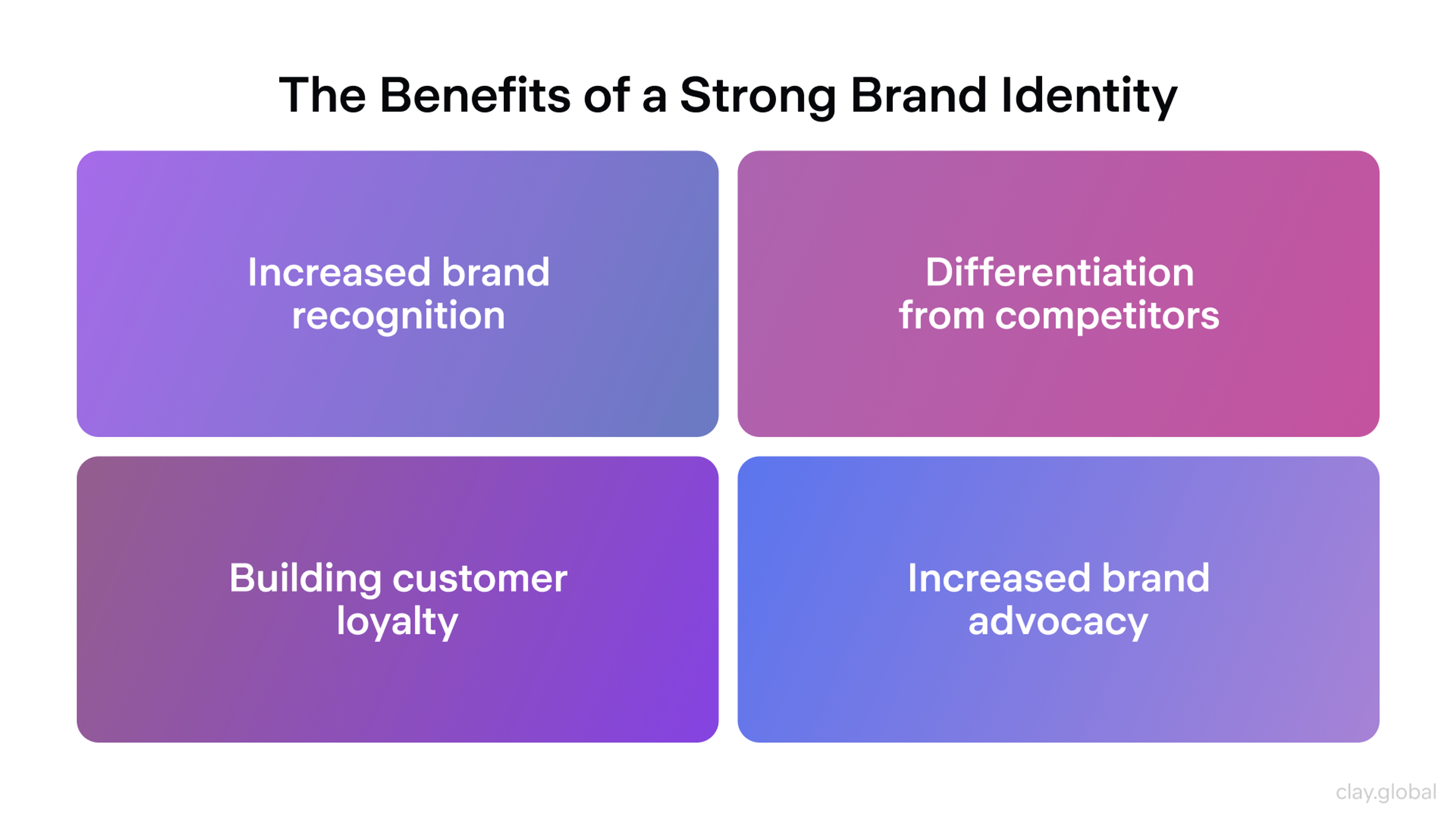
A strong brand identity can increase customer loyalty, retention, and revenue, while also attracting top talent and investors.
Benefits of Brand Identity by Clay
Ignoring Emotional Drivers
Even in deep B2B, people still buy with emotion, then justify with logic. If you only speak in features and architecture, you miss the human reason someone cares.
Fix: translate capability into relief. What becomes easier? What anxiety disappears? What does "better" feel like day to day? Clearly define and communicate your brand stands - the core principles and values your brand represents - to inspire both your team and your audience, and to ensure everyone is aligned around what your brand truly means.
Many tech startups struggle to articulate what they stand for in an inspiring and practical way.
Overpromising With AI
Many startups now sell "agents" or "automation" but cannot clearly explain limits, failure modes, or responsibility boundaries. That gap damages trust fast.
Fix: make honesty part of the brand. Explicit constraints and transparent language are not weaknesses. They are credible.
Building A Strong Tech Startup Brand
Foundation Elements of Brand Identity
Start with four decisions you can actually defend:
- 1) Category and enemy. What category are you in, and what are you fighting against? The enemy can be a bad workflow, a slow process, vendor lock-in, unreliable data, or manual toil.
- 2) Wedge. What do you do that is meaningfully different? Not "better." Different. Something you can explain in one sentence, then prove.
- 3) Promise. What outcome do you create, and for whom? Make it concrete.
- 4) Proof. What evidence makes your promise believable? Demos, benchmarks, customer stories, security posture, integrations, and community signals.
- 5) Brand positioning and unique selling proposition. Define your brand positioning to establish your unique place in the market and clarify your unique selling proposition (USP) to differentiate your brand and connect with your target audience.
Your unique value proposition (UVP) sets your startup apart from competitors and helps define your target customers.
Positioning That Doesn't Collapse Under Pressure
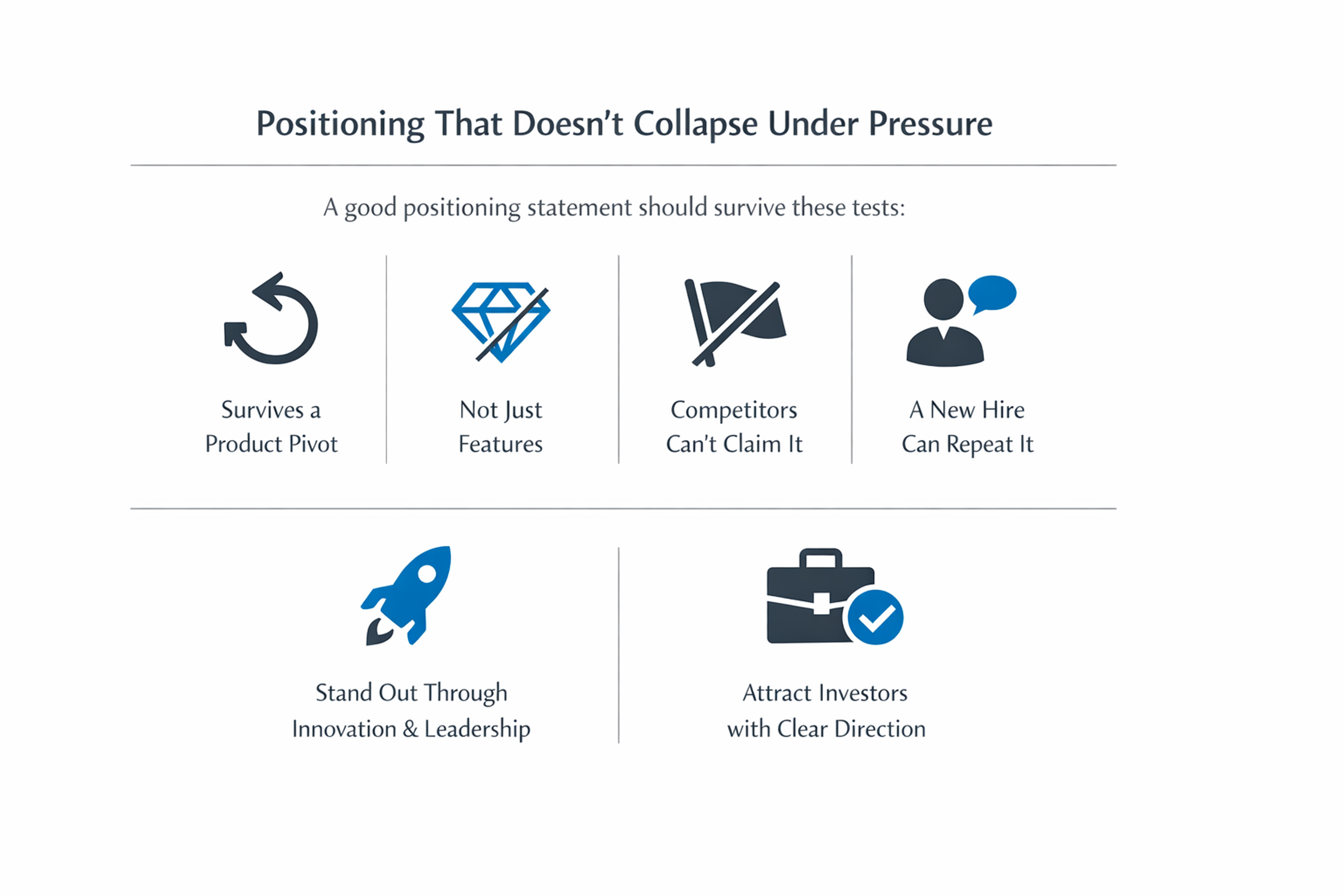
A good positioning statement should survive these tests:
- It still makes sense after a product pivot.
- It's not just features.
- A competitor cannot claim it without lying.
- A new hire can repeat it.
In a competitive market, effective brand positioning is crucial for tech startups to stand out. Leveraging technological advancement not only differentiates your brand but also signals innovation and leadership within your industry.
Investors look for startups that show potential and a clear strategic direction, which a strong, consistent brand can signal.
Positioning That Doesn't Collapse Under Pressure
Your Brand System Should Be Shippable
In 2026, the best startup brands behave like product systems:
- A small set of design tokens and components.
- A tight typographic hierarchy.
- A clear motion philosophy (and a reduced-motion default).
- A voice that works in UI, docs, and support.
Ongoing branding efforts are essential to maintain consistency and authenticity across all touchpoints. Integrating brand messaging into customer interactions and office environments creates a cohesive branding experience.
Avoid over-design. Aim for "consistent, specific, and scalable."
Make Trust Visible
Trust is not a footer link. If you sell serious software, your brand needs visible proof and a transparent, trustworthy brand image that reinforces credibility:
- Clear security and privacy pages.
- An authentic status page culture.
- Transparent pricing and limits.
- Real customer outcomes, not vague logos.
A strong brand image not only builds trust with customers but also helps filter out candidates who might not be a good fit, ensuring that those who join the company share similar values and are committed to the same mission.
Creating a Compelling Brand Story
A compelling brand story is the foundation of a strong brand presence for tech startups in today's crowded tech industry. More than just a narrative, your brand story is how you connect emotionally with your target audience, making your brand memorable and relatable.
It's the thread that ties your mission, vision, and core values together, and it should be woven into every aspect of your marketing and communication efforts.
To craft a brand story that resonates, start by understanding your target audience - their pain points, motivations, and aspirations.
Brand Story Template by Clay
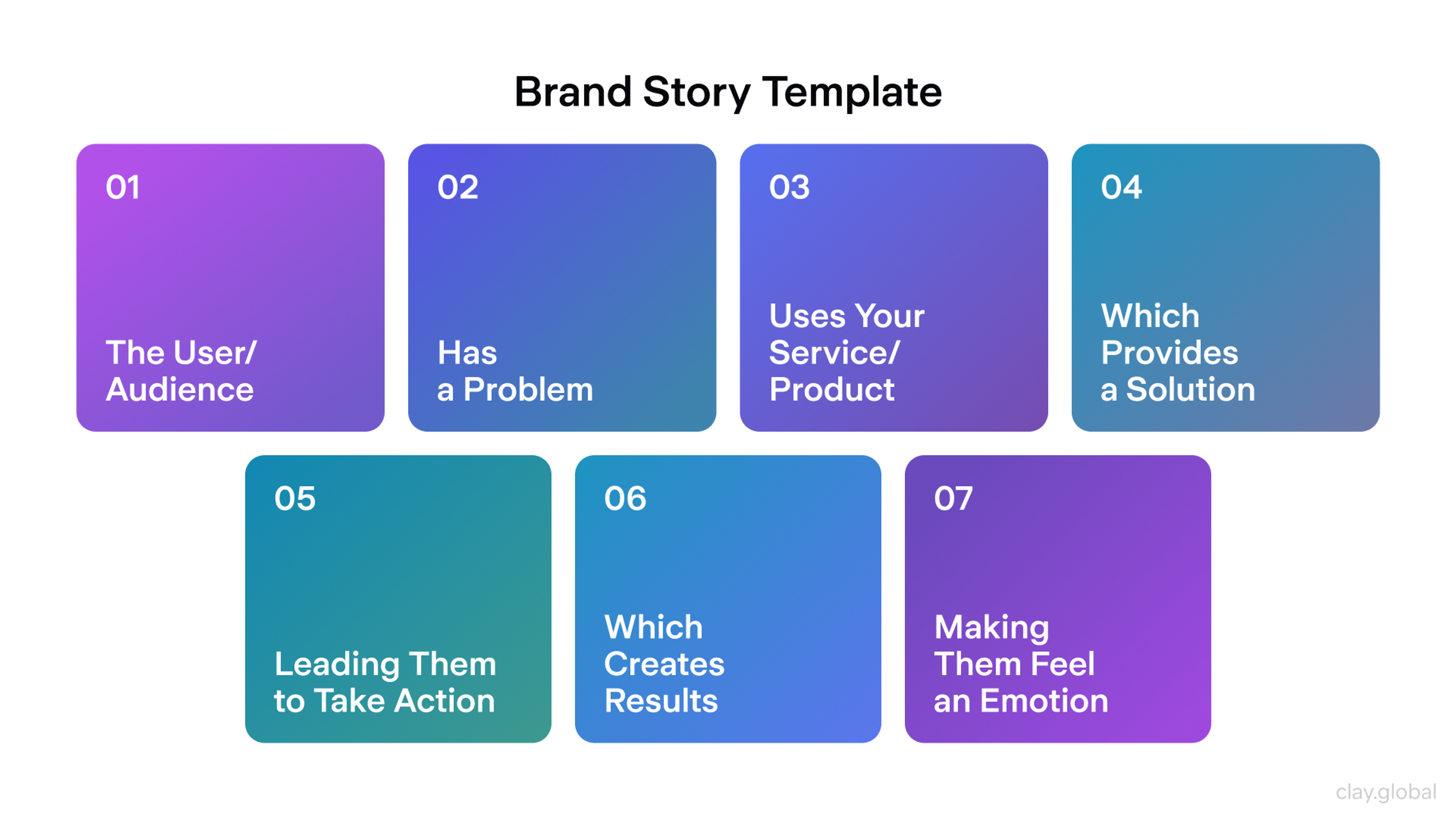
Your brand message should address these needs directly, reflecting the real-world problems your technology solves and the values your company stands for. This authenticity is what transforms a brand from just another tech company into a strong brand that customers trust and champion.
Consistency is key. Your brand narrative should be reflected across all touchpoints: from social media posts and marketing materials to customer service interactions.
When your story is clear and cohesive, it builds trust and credibility, helping potential customers form an emotional connection with your brand. Over time, this connection drives customer loyalty and turns first-time users into advocates.
Channel-Specific Tactics For 2026
Website And Product Marketing Pages
Your site must do three jobs fast:
1.
Explain the wedge.2.
Show the product in context.3.
Prove credibility.4.
Use consistent visual elements - such as logos, colors, and typography - to reinforce your brand identity across all pages.
Use fewer buzzwords and more artifacts: workflows, screenshots, short demos, integration maps, and "how it works" sections that reduce cognitive load.
Websites should be treated as products, with a focus on speed, intuitive navigation, and clickable demos to create strong user impressions.
AI Search, Answer Engines, And "Citation Readiness"
If people discover you through AI summaries, structure your content so it can be extracted correctly:
- Write clear definitions near the top.
- Use descriptive headings that match real questions.
- Publish comparison pages that are fair and specific.
- Keep an always-current "product facts" page (pricing, limits, compliance, integrations).
- Use structured data where it helps.
Optional: consider publishing an llms.txt file if it fits your ecosystem, but treat it as experimental, not a magic switch.
Social And Community
Pick one or two channels you can win. Consistency beats breadth. In 2026, founder-led narrative still works, but only if it's specific:
- Share decisions, tradeoffs, and lessons.
- Teach the market how to evaluate the problem.
- Show behind-the-scenes product thinking.
Community is a branding asset when it reduces uncertainty for new users.
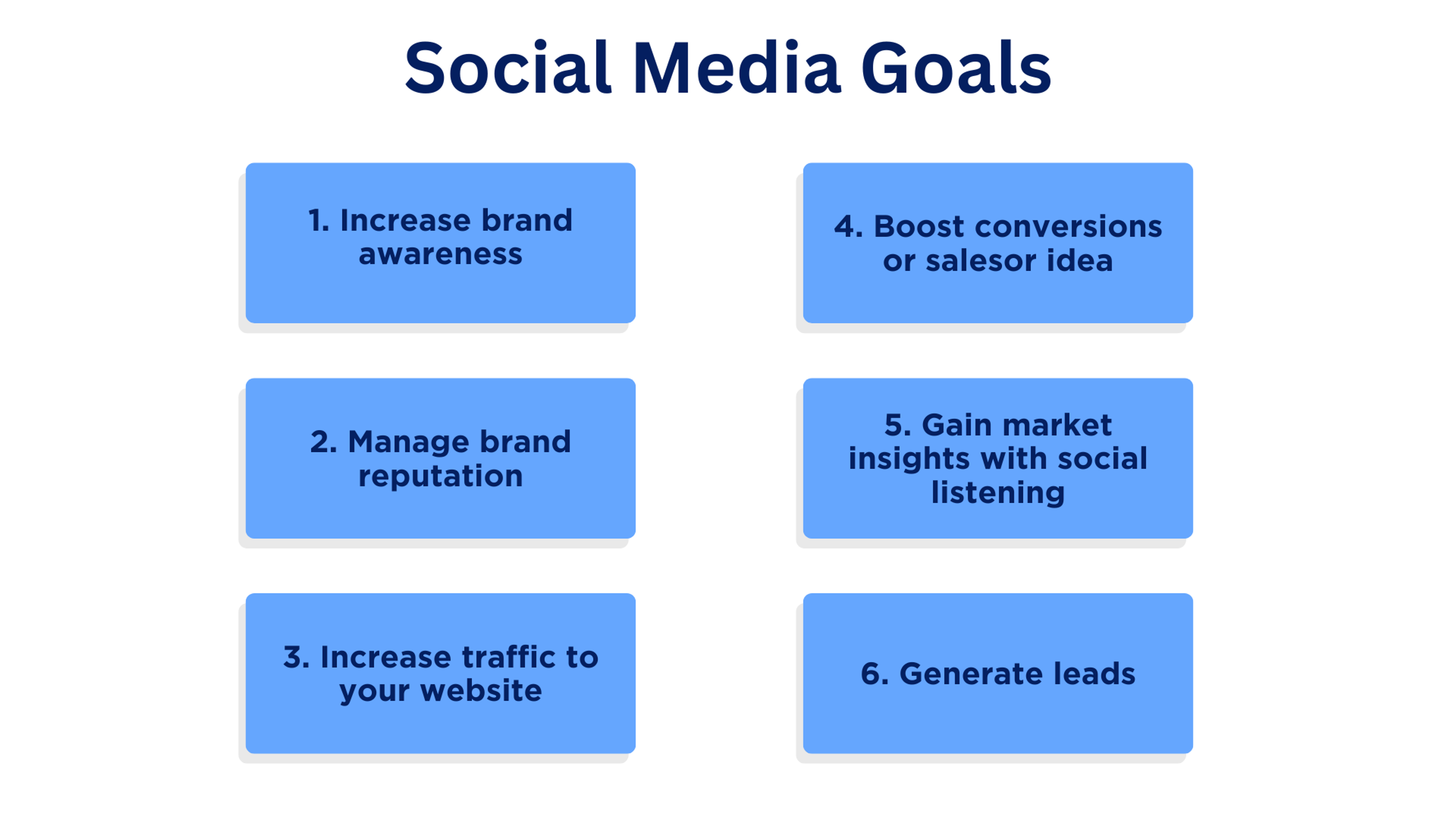
Social Media Goals Overview
Developer Relations And Documentation
If you sell to developers, your documentation is your brand in practice. A clean docs experience communicates quality, empathy, and competence faster than a manifesto.
Treat docs like a product: onboarding paths, examples, error messages, and a tone that respects developer time.
Investor And Talent Branding
Investors and candidates both look for clarity. Your brand should make it obvious:
- What you're building.
- Why now.
- Why you will win.
- What kind of company culture do you run, as this is crucial for attracting both investors and top talent?
One core story, adapted, not rewritten.
Branding is not just important to customers; it's a beacon for prospective employees. When your brand values and mission are clear, you are more likely to attract and retain the right employees. Effective branding helps tech startups attract and retain talent by clearly communicating company culture and values.
Measuring Brand Success In 2026
Brand measurement should connect perception to behavior. Track a small set of signals consistently:
- Brand awareness and recall (surveys, direct traffic, branded search).
- Conversion quality (demo-to-close, trial-to-paid, activation).
- Retention and sentiment (reviews, NPS-style signals, support themes).
- Share of voice in the spaces that matter (communities, podcasts, industry newsletters).
- AI visibility signals (are you cited, are you described correctly, are competitors outranking you in answers).
Your goal is not "more impressions." Your goal is to reduce hesitation and make faster decisions.
Real-World Case Studies
Branding isn’t just for big tech giants. For startups, it can be the difference between early traction and being overlooked. These real-world case studies show how smaller tech startups used branding to carve out a space in competitive markets, engage users emotionally, and accelerate growth.
Notion: Simplicity Meets Empowerment
Notion presents a connected workspace for docs, wikis, and projects. The message is simple, and the system scales across teams and use cases.
Figma: Community as a Brand Strategy
Figma built a brand around collaboration and making design more accessible, and that narrative shows up in product experience and community, not just marketing.
Linear: Design-Driven Development
Linear positioning leans into speed and efficiency, and the product experience reinforces it. The brand promise and the product behavior match.
FAQ
When Should a Tech Startup Bring in Branding Help?
As soon as you need to explain the product to people outside the founding team, ideally before a major launch or fundraising push.
How Do We Avoid Looking Like Every Other AI Startup?
Start with specificity: a genuine buyer, a real workflow, a real wedge. Then design a system that feels human and intentional, not template-driven.
How Do We Show Up in AI Answers without Gaming It?
Make your content easy to cite: clear definitions, honest comparisons, current facts, and substantial proof. Focus on clarity and authority, not tricks.
Read more:
Conclusion
Tech startup branding in 2026 is about building preference in a world of speed, sameness, and AI-mediated discovery. The startups that win are not the loudest. They are the clearest. They make a specific promise, prove it, and ship a brand system that holds together across every touchpoint.


About Clay
Clay is a UI/UX design & branding agency in San Francisco. We team up with startups and leading brands to create transformative digital experience. Clients: Facebook, Slack, Google, Amazon, Credit Karma, Zenefits, etc.
Learn moreAbout Clay
Clay is a UI/UX design & branding agency in San Francisco. We team up with startups and leading brands to create transformative digital experience. Clients: Facebook, Slack, Google, Amazon, Credit Karma, Zenefits, etc.
Learn more