

Your user-friendly websites often make the first impression on potential customers. It's your digital handshake and virtual storefront rolled into one. This is where curiosity turns into connection, where potential customers can discover web design freelancers and decide whether to stay or leave.
In the world of freelance web design, there is a vast talent pool of freelance designers and an active marketplace where you can find professionals for any project.
In practice, the most successful web projects integrate design, development, and strategy from the start rather than treating them as separate phases. This leads to a practical choice: partner with a full-service agency or work with independent designers, considering all aspects of your project. Modern platforms make it easy to connect with both and assemble the right team.
Each option offers distinct advantages. This article breaks down both choices to help you make the right decision, providing answers to your most pressing questions. As you read, be sure to browse portfolios and platforms to find the best fit for your project.
What Full-Service Web Agencies Offer
Full-service web agencies deliver comprehensive digital solutions under one roof. These teams typically include designers, developers, content strategists, SEO specialists, and project managers who work together on your project.
Agencies offer a wide range of specific services and design services that can be seamlessly integrated into client packages, making it easier for businesses to access valuable web design offerings.
These firms handle every phase of a website's lifecycle. They start with strategy and concept development for websites. Then they move through design, development, and launch. Finally, they provide ongoing maintenance and optimization, often including web design services to ensure your site remains current and effective.
The diversity of skills under one roof creates an advantage. Your website aligns seamlessly with your business goals and brand identity. Different specialists collaborate throughout the process. This integration often produces more cohesive results than piecemeal approaches.
Agencies excel at complex projects requiring multiple skill sets. They coordinate teams efficiently and meet aggressive deadlines through parallel workflows. Their structured processes include quality assurance, user testing, and performance optimization, with close attention to details such as compatibility testing and final adjustments.
Most agencies have experience with modern platforms and technologies. They work with WordPress. They build custom solutions using React and other frameworks. They use design tools like Figma for real-time collaboration with clients.
Source: wordpress

If you're seeking a full-service digital partner in the Bay Area, Clay stands out as a leader. Based in San Francisco, Clay is known for blending deep strategic thinking with world-class design across branding, UX/UI, web development, and content.
Understanding Independent Web Designers
Independent web designers work solo or with small collaborating teams. These professionals are often referred to as freelance web designers or freelancers. They focus primarily on design rather than full-scale development or marketing. Many specialize in specific industries or design styles.
You can find talented designers on platforms like Dribbble, Behance, and Toptal. These networks showcase portfolios and help businesses discover designers who match their aesthetic preferences and project needs.
Clients can connect with freelancers, who often provide a great experience, review their portfolios, and assess their previous work. A freelancer usually offers specialized services tailored to the unique requirements of each project.
Working with an independent designer offers personalized attention throughout the project. Communication happens directly without layers of account managers.
Design iterations often progress more quickly with fewer approval processes. Customization options are typically more flexible, allowing clients to tailor the design to their specific needs and goals.
Designers excel at creating visually striking, user-friendly interfaces. The process of designing user-friendly layouts is central to their work. They bring fresh, creative perspectives and innovative approaches.
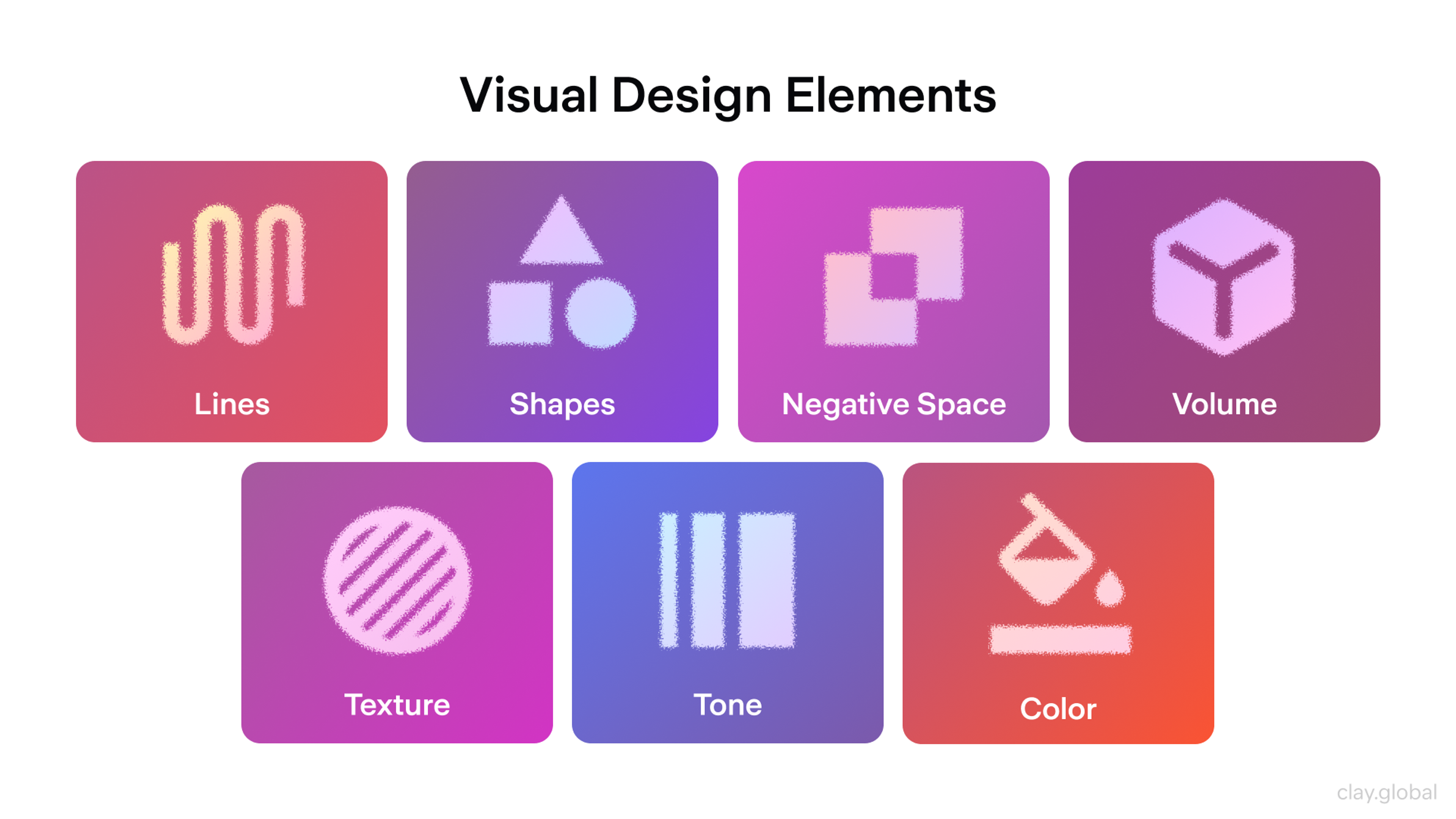
Many have in-depth expertise in specific design disciplines, such as user experience, visual identity, or interface design. The importance of design elements, such as color, white space, and typography, cannot be overstated in shaping the overall look and feel of a web designer's work.
Visual Design Element by Clay
Projects with independent designers typically take two to eight weeks for standard websites. The timeline depends on project scope and the designer's current workload. Simpler projects move faster. More complex designs, which often necessitate multiple iterations, require more time.
Key Factors in Your Decision
Several critical factors should guide your choice between an agency and a designer.
- Project scope and complexity matter most. Large projects with multiple components benefit from agency capabilities. Agencies and designers work on a variety of sites, from simple landing pages to complex e-commerce platforms and custom web applications. Smaller, design-focused projects are well-suited for independent designers.
- Budget plays a significant role in this decision. Agencies deliver comprehensive services at premium prices. Designers offer quality work at more accessible rates. The industry standard in freelance web design has shifted from hourly rates to project-based pricing models, aligning with standard practices in the field.
- Timeline requirements also influence the decision. Agencies handle tight deadlines more easily through larger teams. They work on multiple project phases simultaneously. Designers may need more time, but often deliver projects more quickly on straightforward design tasks.
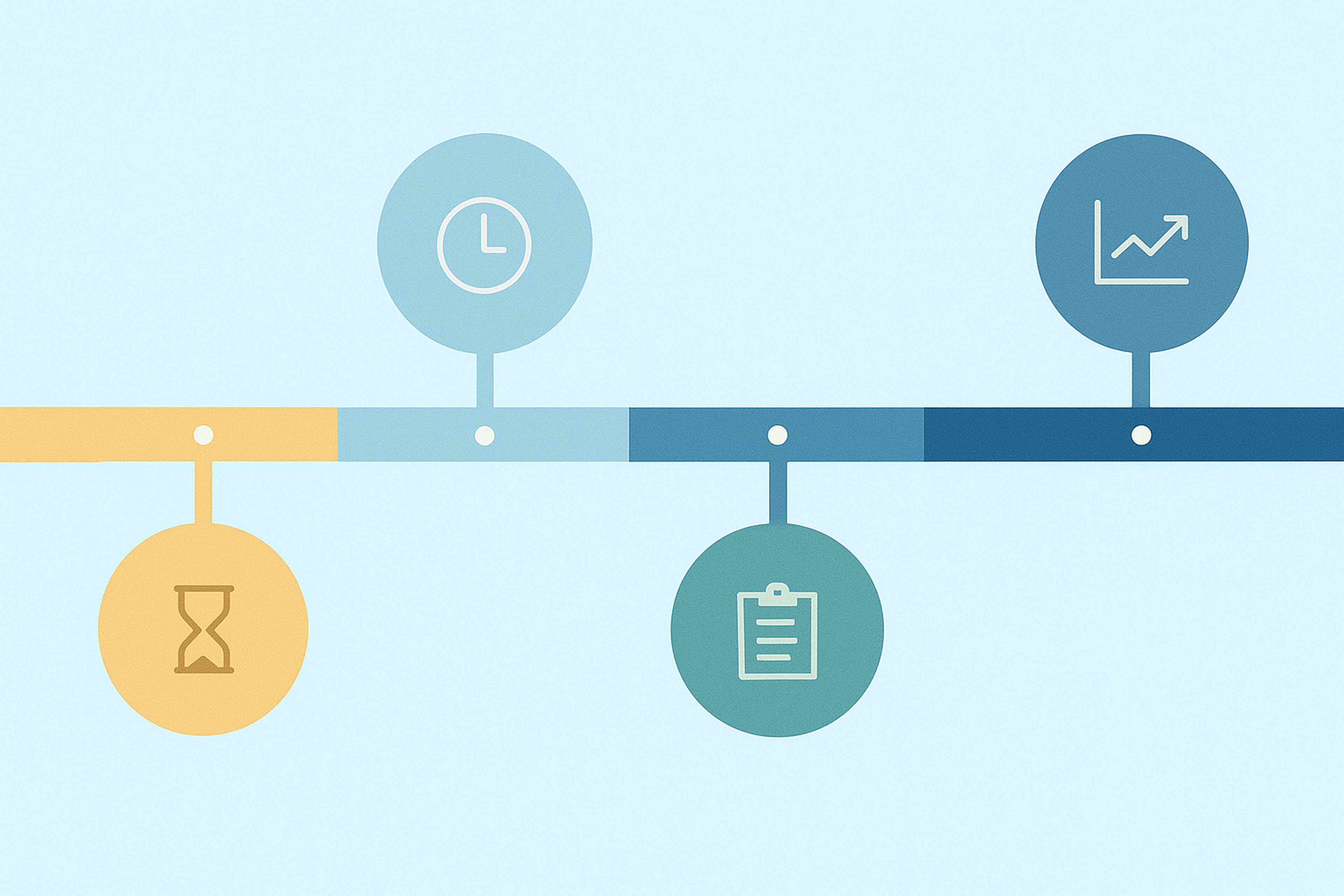
Timeline with Milestones
- Consider your long-term needs. Agencies provide ongoing maintenance, content updates, and marketing optimization. These services prove valuable if you expect continuous evolution. Designers typically deliver the design and then move on to other projects. You'll need separate support for ongoing needs.
- Evaluate your internal capabilities honestly. Some organizations have technical teams that only need design expertise. Others require the complete package. Companies with in-house developers might hire designers for creative direction. Those without technical resources often choose agencies.
- Think about your communication preferences. If you value close collaboration and direct access, designers offer personal engagement. If you prefer structured processes and dedicated account management, agencies provide organized workflows.
Industry research supports the value of professional web design. Studies show companies that prioritize design outperform their competitors by significant margins. The right partner can help bring your project to life, ensuring your website effectively conveys your credibility and professionalism to customers.
When Full-Service Agencies Make Sense
Choose an agency when your project demands diverse expertise across strategy, design, development, and marketing. Complex digital transformations benefit from coordinated teams working toward unified goals.
Agencies prove valuable for businesses seeking comprehensive strategies that integrate websites with SEO, content marketing, and social media. This holistic approach creates consistent experiences across all digital touchpoints.
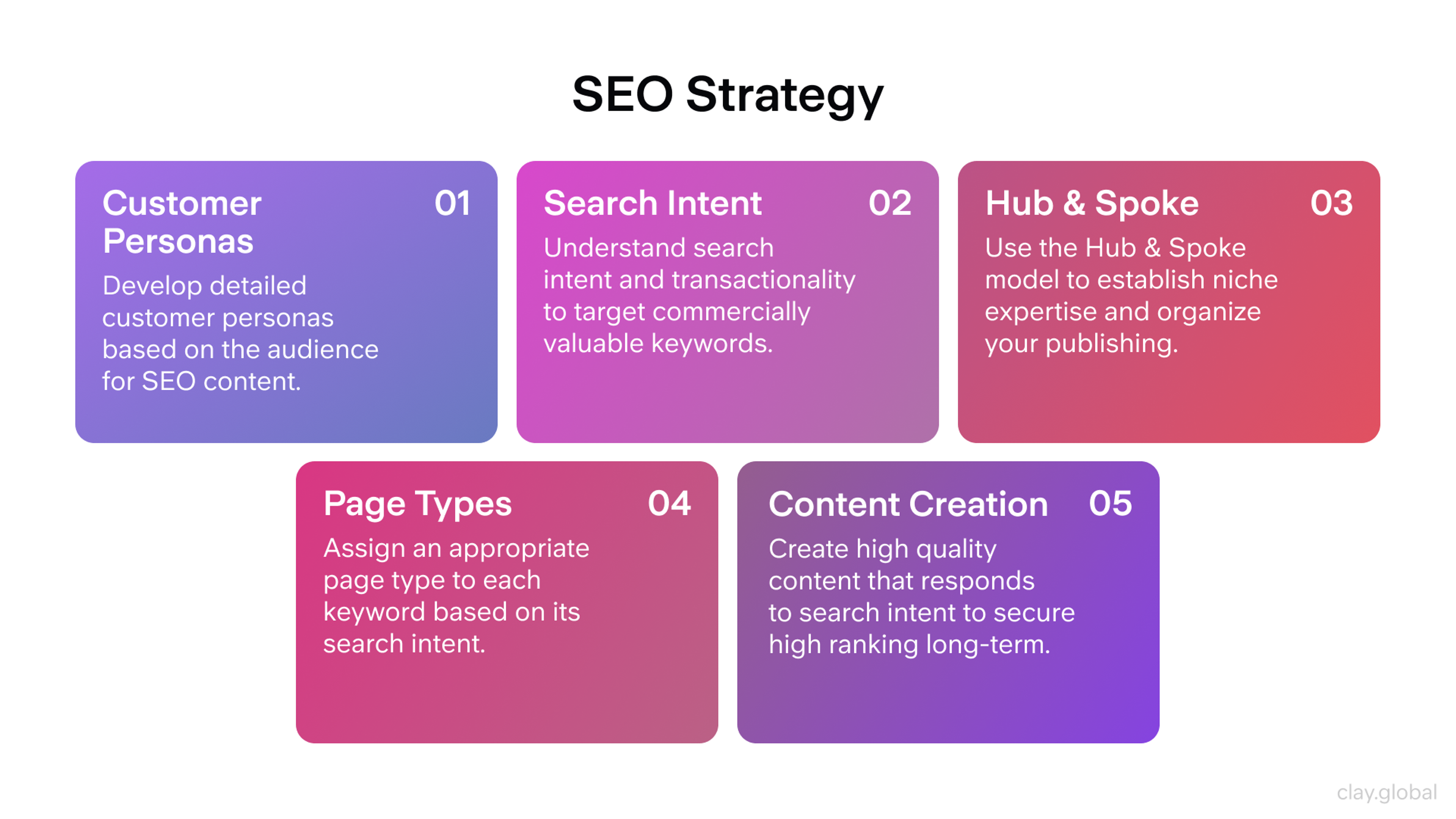
SEO Strategy by Clay
Large-scale websites with advanced features and functionality need agency oversight. E-commerce platforms, member portals, and custom web applications require both creative and technical excellence. Agencies manage these moving parts effectively.
Organizations that plan to maintain ongoing digital marketing efforts find agency partnerships worthwhile. The relationship extends beyond launch. Agencies ensure your site stays current, secure, and optimized. To keep moving forward, businesses should continue evolving their digital strategies in partnership with their agency.
System integration is crucial for many businesses that require their website to connect with CRM platforms, marketing automation tools, or other business systems. Hosting agencies, which possess the necessary technical expertise, can deliver these connections.
Investing in agency services often yields measurable returns. Case studies show significant improvements in user engagement, lead generation, and revenue. Technology companies collaborating with strategic agencies report increases in qualified leads and shorter sales cycles.
Be aware that some agencies may charge a fee for posting new projects or requests, and these posting fees can vary depending on the scope and complexity of the project or request.
When Independent Designers Excel
Hire an independent designer when your project emphasizes creative design over technical complexity. Focused design challenges benefit from specialized creative expertise. Many successful designers have learned their skills outside of a traditional university setting, gaining practical experience through hands-on work and platform-specific courses.
Limited budgets make designers attractive. They deliver professional aesthetics and user experiences without the overhead of large teams. Startups and small businesses get quality results within realistic budget constraints.
Personal attention throughout the creative process proves valuable. Designers invest deeply in understanding your brand and vision, often delivering results in just a few hours.
Brand Strategy by Clay

This direct collaboration usually produces work that feels more personal and aligned with your specific goals. For inspiration on your next project, be sure to view designer portfolios to see the range of creative possibilities.
Projects that require artistic innovation and creative risk-taking are well-suited for independent designers. They bring fresh perspectives unconstrained by corporate processes. Many designers push creative boundaries in ways that larger organizations cannot.
If your website needs primarily a visual refresh or user experience improvements, designers handle these challenges effectively. They transform interfaces, improve navigation, and create engaging visual experiences.
Small businesses often find designers ideal for initial website launches. You get professional results at accessible costs. As your business grows and needs become more complex, you can graduate to agency partnerships.
Design-focused companies sometimes hire designers for specific expertise. A SaaS company might engage a designer who specializes in software interfaces. A restaurant might work with someone experienced in hospitality branding.
Navigating Potential Challenges
Both options, including freelancers, present challenges that are worth understanding beforehand.
Agencies
Agencies charge premium prices for their comprehensive services. Define your project scope clearly from the outset. Prioritize requirements to manage costs effectively. Request detailed proposals that break down deliverables and costs.
Agency timelines sometimes extend longer due to systematic processes and the involvement of multiple team members. Set realistic expectations from the start. Maintain open communication throughout the project.
Clear timelines and milestones help manage expectations. Some services or platforms, such as DesignHill, offer unlimited revisions as part of their guarantee, providing added flexibility and customer satisfaction during the design process.
Source: designhill

Some businesses find that agency structures create distance from the creative work. Establish a single point of contact who can guide you through the process. Regular check-ins keep you connected to progress.
Independent designers
Independent designers sometimes struggle with capacity limits. They juggle multiple projects simultaneously, often managing them with just a few clicks. Discuss timeline expectations upfront. Build buffer time into your schedule. Ensure the designer has bandwidth for your project.
Designers offer a narrower range of expertise than full teams. They excel at design but may lack development or marketing capabilities. Hire additional specialists for tasks outside the designer's scope. Plan for these complementary services in your budget.
Availability becomes risky if a designer gets busy or unavailable. Include contingency plans in your contract. Discuss backup options if timelines slip. Some businesses work with designer networks that provide coverage.
Understanding these challenges lets you plan accordingly. The right choice depends on matching capabilities to your specific needs.
Making Your Decision
Several questions help clarify which option best fits your situation.
- How complex is your project? Multiple components, advanced features, and system integrations suggest agency expertise. Simple design updates or focused creative projects are well-suited for designers.
- What's your realistic budget? Be honest about available resources. Remember that website investments often generate returns through improved business results. Balance immediate costs against long-term value.
- What's your timeline? Urgent deadlines require agency speed and resources. Flexible schedules open both options. Consider your actual urgency versus ideal preferences.
- Do you need ongoing support? Websites require updates, security patches, and content changes. Decide whether you want a long-term partner or a one-time engagement.
- What's your internal expertise? Companies with technical teams may only need design help. Those without internal resources benefit from complete agency solutions.
- How do you prefer to work? Some people thrive on direct collaboration and personal relationships. Others appreciate structured processes and professional account management.
- What's your risk tolerance? Agencies often reduce risk through proven processes and backup resources. Designers offer different risks around availability and scope limitations.
Successful partnerships start with clear communication. Clearly explain your goals, constraints, and expectations. Ask potential partners about their experience, process, and approach. Review relevant work examples.
Check references from similar projects. When it comes to gathering and managing feedback during a web design project, the best way is to use a dedicated collaboration tool like Punchlist, which streamlines communication and approval processes.
Watch for warning signs. Partners who demand fast decisions or full payment up front deserve scrutiny. Vague deliverables and unclear contracts create problems later. Insist on specifics around timeline, scope, and costs.
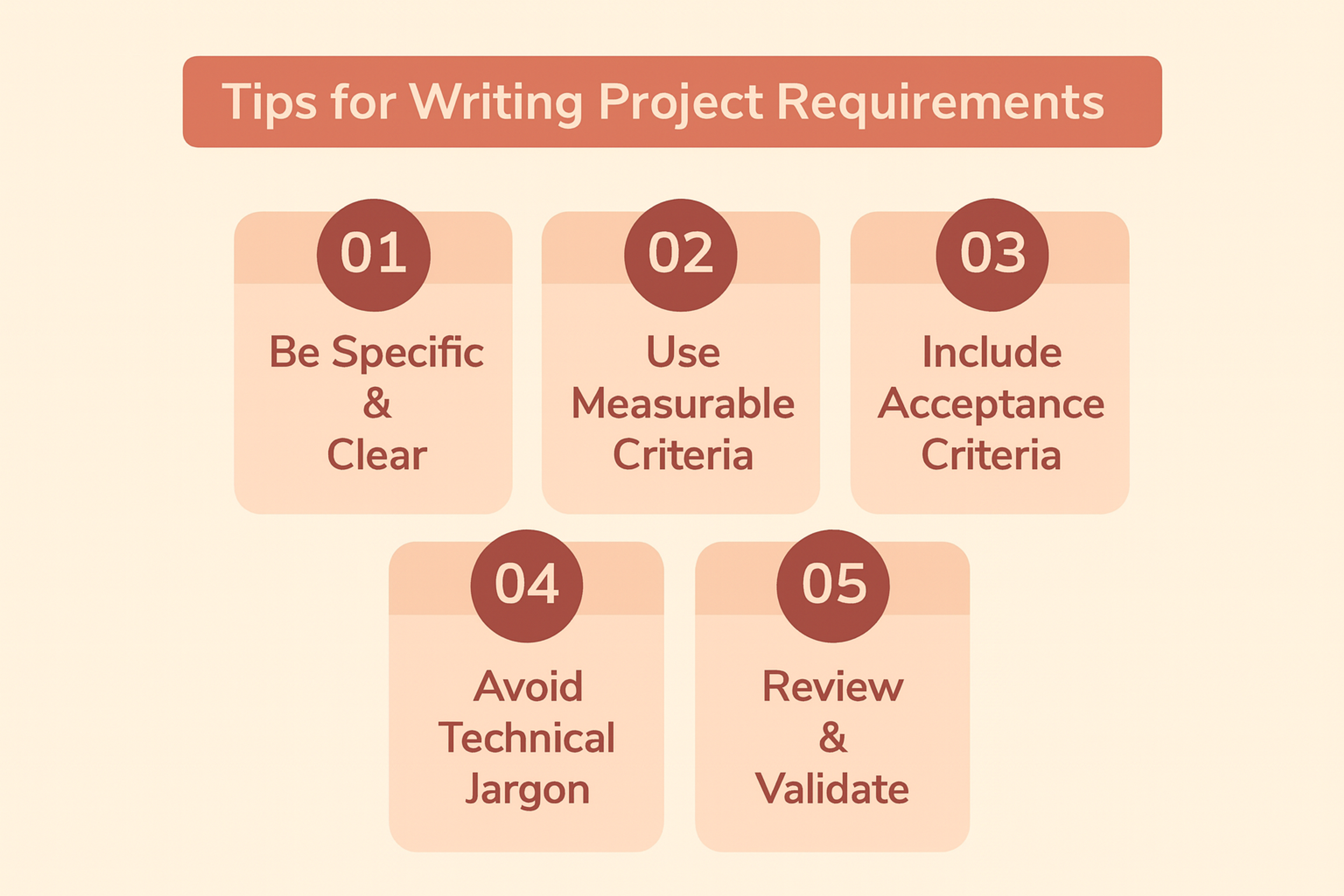
Tips for Writing Project Management Requirements
FAQ
How Long Do Projects Take with Each Option?
Agency projects generally span three to six months for complete website builds. Timelines extend for complex digital platforms or extensive integrations. Designer projects typically take two to eight weeks for standard websites. Simpler designs move faster. More elaborate work takes longer. Both timelines depend on the project scope and the number of revision rounds.
How do I evaluate portfolios effectively?
Look beyond visual aesthetics. Examine whether designs solve real business problems. Verify that the work demonstrates an understanding of user needs. Review the variety in the portfolio. A repeated style suggests a limited range of options. Look for projects similar to yours in complexity and industry. Ask about results and outcomes, not just appearances.
What Questions Should I Ask Potential Partners?
Start with experience: "Show me similar projects you've completed," and share your idea. Ask about process: "How do you handle revisions and feedback?" Discuss timeline: "What's realistic for my project scope?" Address costs: "What's included in your estimate?" Explore approach: "How do you measure success?" Understand support: "What happens after launch?" These questions reveal capability and compatibility.
Can Designers Handle Technical Development?
Some designers code and handle basic development. Many focus purely on design and partner with developers for implementation. Ask about technical capabilities upfront. If your project needs custom functionality, you might need a designer-developer team or an agency with both skills.
Read more:
Conclusion
When determining if they will work with a full-service web agency or individual designers, several factors need to be considered. Some of these are how the decision fits within their project objectives, costs, deadlines, and service levels.
Sifting through each option's strengths and weaknesses may assist in making the decision. Identifying relevant project requirements, expectations, and objectives and corresponding with prospective clients are critical elements of any successful partnership.
Also, remember to use the framework for making decisions, review the examples of the cases provided, and the feedback that will be collected while looking for a collaborator.
It is possible to view the prospects of the digital undertaking, which is taking quite a long time to realize the overall business goals.
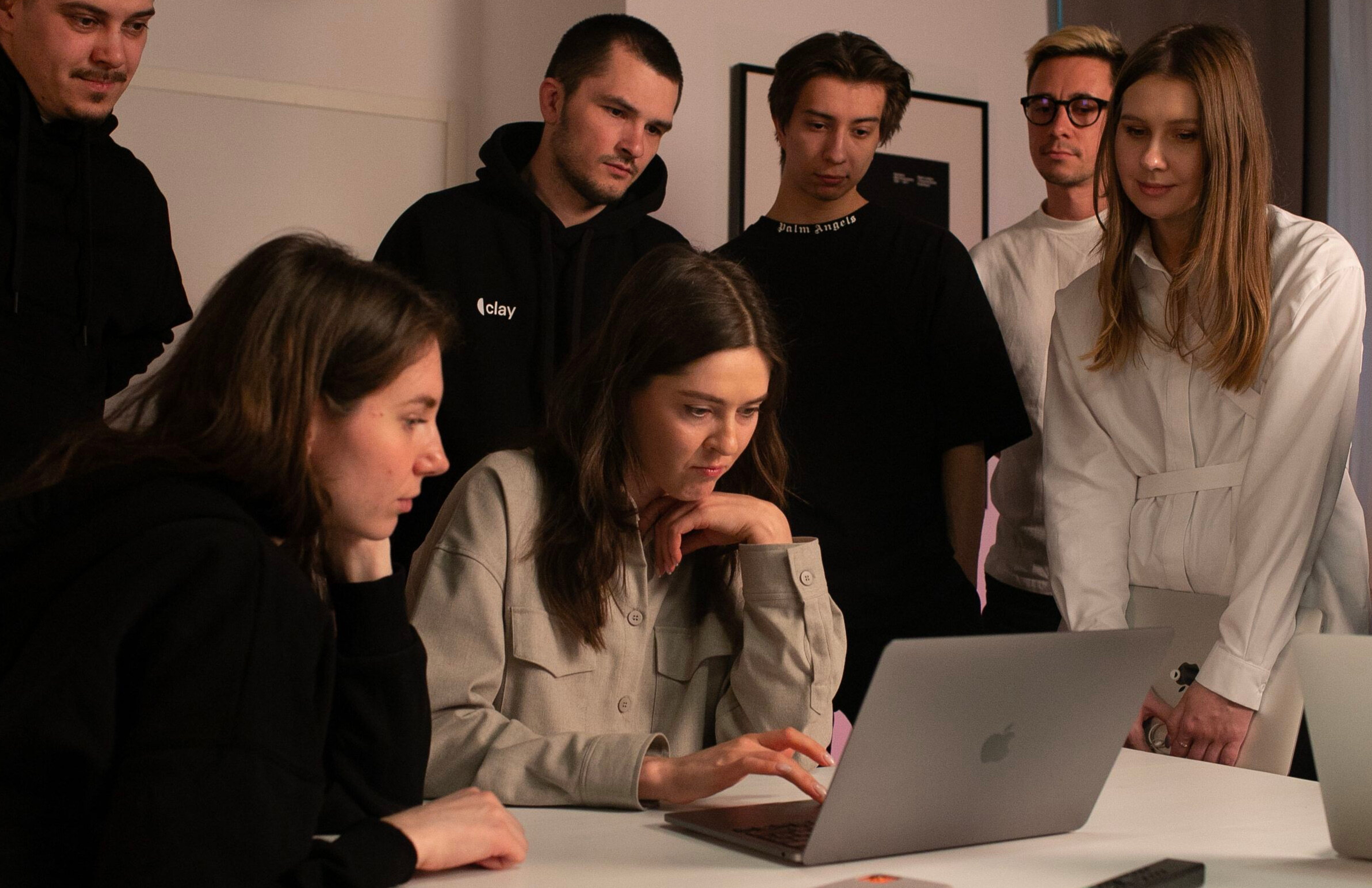

About Clay
Clay is a UI/UX design & branding agency in San Francisco. We team up with startups and leading brands to create transformative digital experience. Clients: Facebook, Slack, Google, Amazon, Credit Karma, Zenefits, etc.
Learn moreAbout Clay
Clay is a UI/UX design & branding agency in San Francisco. We team up with startups and leading brands to create transformative digital experience. Clients: Facebook, Slack, Google, Amazon, Credit Karma, Zenefits, etc.
Learn more