Updated for October 2026. No paid placements.
Choosing a UI or UX design agency is not just about finding a team that can make interfaces look clean. It is about finding a partner that can improve how a product works, how quickly users understand it, and how confidently teams can scale it.
The right agency for an early-stage startup is rarely the right agency for a large enterprise platform. A product in fintech or crypto, with dense flows, trust barriers, and compliance constraints, needs a different kind of UX partner than a lifestyle app trying to simplify onboarding and drive activation.
This guide is designed to make that decision easier.
Start Here for a Quick Review
If you want the short version, these are some of the strongest UX agencies in 2026 by use case:
- Best for enterprise-grade digital products: Work & Co
- Best for digital-first brands and products: Clay
- Best for research-led projects: IDEO
- Best for complex web platforms and information architecture: FirmStudio
- Best for global enterprises with large digital ecosystems: Huge
- Best for startup UX with speed and momentum: Mission Control
- Best for product-first companies: Bakken & Bæck
- Best for human-centered interfaces: ustwo
- Best for service-heavy businesses at scale: frog
- Best for digital companies blending product, content, and brand: Code and Theory
- Best for challenger brands with strong product personality: Red Antler
- Best for large-scale platforms and launches: Wiredcraft
- Best for easy, everyday digital products: Big Human
What a UI/UX Agency Does
A UI/UX agency is hired to make a digital product easier to understand and use. In practice, the work runs in five stages:
- Research. Understanding how users actually behave through interviews, competitive analysis, usability testing, and other research methods.
- Structure. Setting the product's information architecture, navigation, and user flows behind core tasks. The goal is a product that's intuitive and predictable.
- Interface design. Screens, layout, visual hierarchy, and interaction, including how each element behaves across devices and states.
- Design system. Building a shared library of components and rules that keeps the interface consistent as the product grows.
- Handoff and validation. Handing the designs to engineering with the specs they need, then running post-launch usability testing.
Every agency defines its own scope, ranging from single-stage projects to integrated UX services that cover the full process.
How We Evaluated These UX Agencies
We don't just pick agencies because we like their style or they're trendy right now.
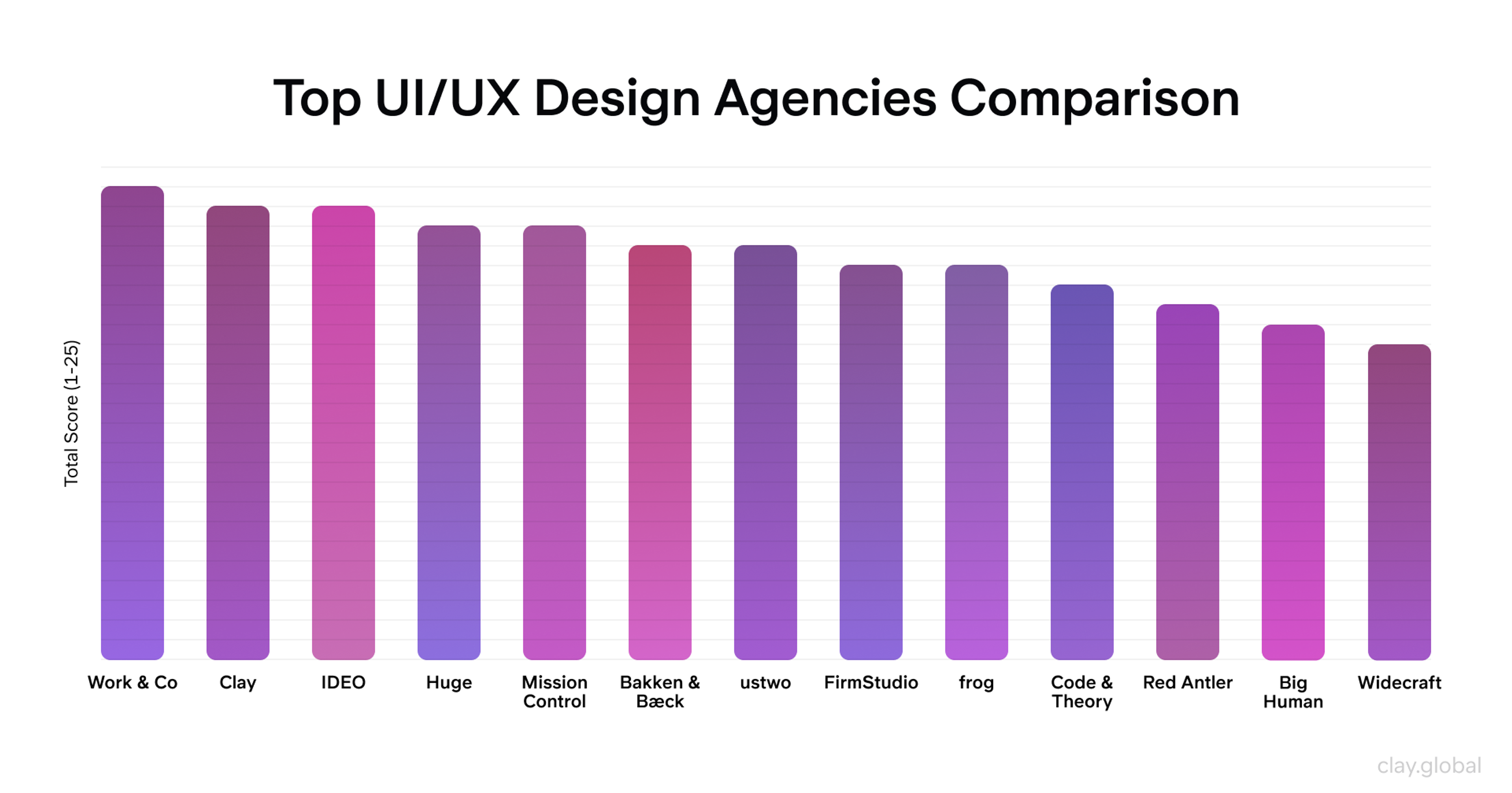
Each agency was reviewed across five areas (a maximum of 25 points) that matter in real buying decisions:
1.
UX strategy (0-5): Can the team frame the right problem, structure flows clearly, and connect design decisions to user and business goals?2.
Research and validation (0-5): Is there evidence of user research, testing, prototyping, or validation in the way the agency works?3.
Interaction and UI craft (0-5): How strong is the interface work across clarity, behavior, and visual execution?4.
System and scalability (0-5): Can the team build reusable patterns and experiences that hold up as the product grows?5.
Proof and trust signals (0-5): Is there enough visible proof through case studies, recognizable clients, awards, reviews, or long-term reputation?
Best UX Agencies by Business Type and Need
A flat ranking is useful, but most buyers are not really looking for the single “number one” agency. They want the best agency for their situation.
Best agencies for building a product’s UX from scratch
New products need a UX foundation that lasts. The right agency here defines core flows early and makes structural choices that hold up as the product grows.
Top picks:
Best UX agencies for redesigns and better conversion
Redesigning an existing product is rarely just a visual refresh. The real goal is usually better conversion, retention, or growth. The right agency can connect UX changes to those results.
Top picks:
Best agencies for UX and product design done together
UX and product design often sit with different partners, creating gaps between the plan and the execution. These agencies manage both as a single process from the start.
Top picks:
Best UX agencies for fintech and crypto
Fintech and crypto products need more than polished screens. They need trust, clarity, conversion, and strong alignment between product logic and interface design.
Top picks:
Best UX agencies for B2B and technology companies
These firms stand out when the goal is high craft, visual sophistication, and memorable product experiences without losing usability.
Top picks:
Top UI/UX Design Agencies in 2026 - October Rankings
A report by Customer Think states that 78% of businesses believe outsourcing UX design to agencies improves their overall user experience.
But finding the right agency can be tough, so we’ve created this reliable, verified list.
1. Work & Co
Best for: enterprise-grade digital products built in close collaboration
Best suited to: enterprise product teams, finance, retail, healthcare, travel, and large consumer platforms
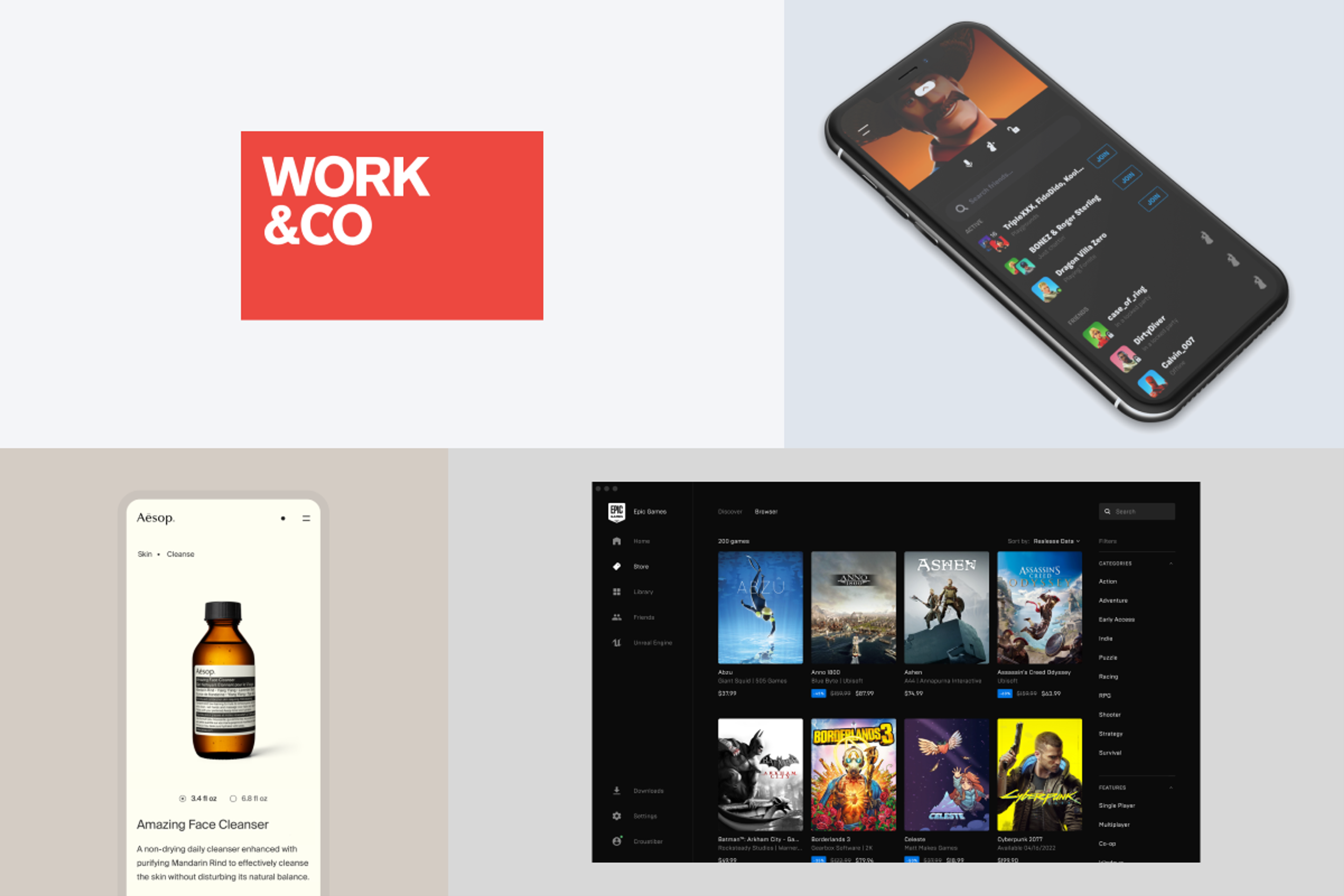
Why they stand out: Work & Co is strongest when the work needs to move quickly, stay senior-led, and still hold up at scale. Their model feels closer to an embedded product team than a traditional agency relationship, which makes them especially relevant for high-stakes product work where alignment and execution quality matter just as much as ideas.
They make the most sense for companies that need serious digital product design with enterprise credibility and strong delivery discipline.
Potential drawback: Smaller teams may find the profile and scope heavier than they need.
Why companies choose them:
- Senior-heavy teams
- Strong collaboration model
- Excellent fit for high-impact digital products
Our score: 24/25
Breakdown: Strategy 5/5, Research 5/5, Craft 5/5, Systems 4/5, Trust 5/5
Reviewer’s take: Work & Co tends to be the safe recommendation when the stakes are high. They are not interesting because they are flashy. They are interesting because they consistently feel product-native, senior, and hard to derail.
Independent Proof
- Google Maps reviews
2. Clay
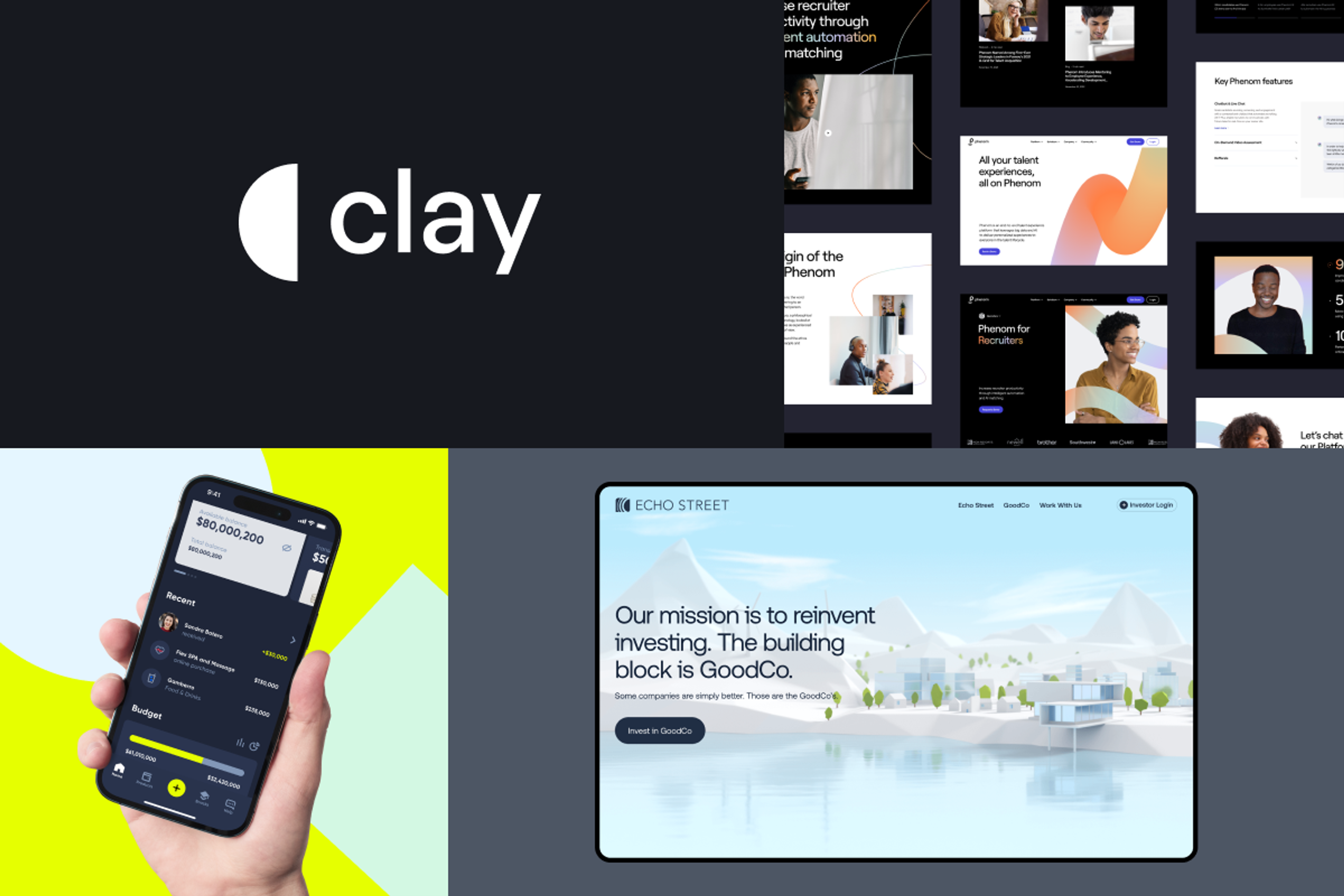
Best for: digital-first products that need UX, UI, and product thinking to work together
Best suited to: fintech, crypto, eCommerce, healthcare, B2B, startups, and technology companies
Why they stand out: Clay feels strongest when the UX challenge is tied to a bigger product and business question, not just interface polish. The work is framed less like a traditional agency handoff and more like an embedded product team, which makes it especially relevant for companies building complex digital experiences.
That combination of strategy, research, visual craft, and product thinking makes them a strong fit when the experience has to work across brand, interface, and conversion at the same time.
Potential drawback: Smaller teams looking for a narrower execution-only partner may not need this level of strategic involvement.
Why companies choose them:
- Strong product-team mindset
- Excellent balance of UX strategy and interface craft
- Especially relevant for complex digital products
Our score: 23/25
Breakdown: Strategy 5/5, Research 4/5, Craft 5/5, Systems 4/5, Trust 5/5
Reviewer’s take: Clay is strongest when UX cannot be separated from product strategy, brand, and growth. If the challenge spans multiple touchpoints, not just a single flow, they start to look especially compelling.
Independent Proof
- CSS Winner profile
- Awwwards profile
- Google Maps reviews
3. Excited
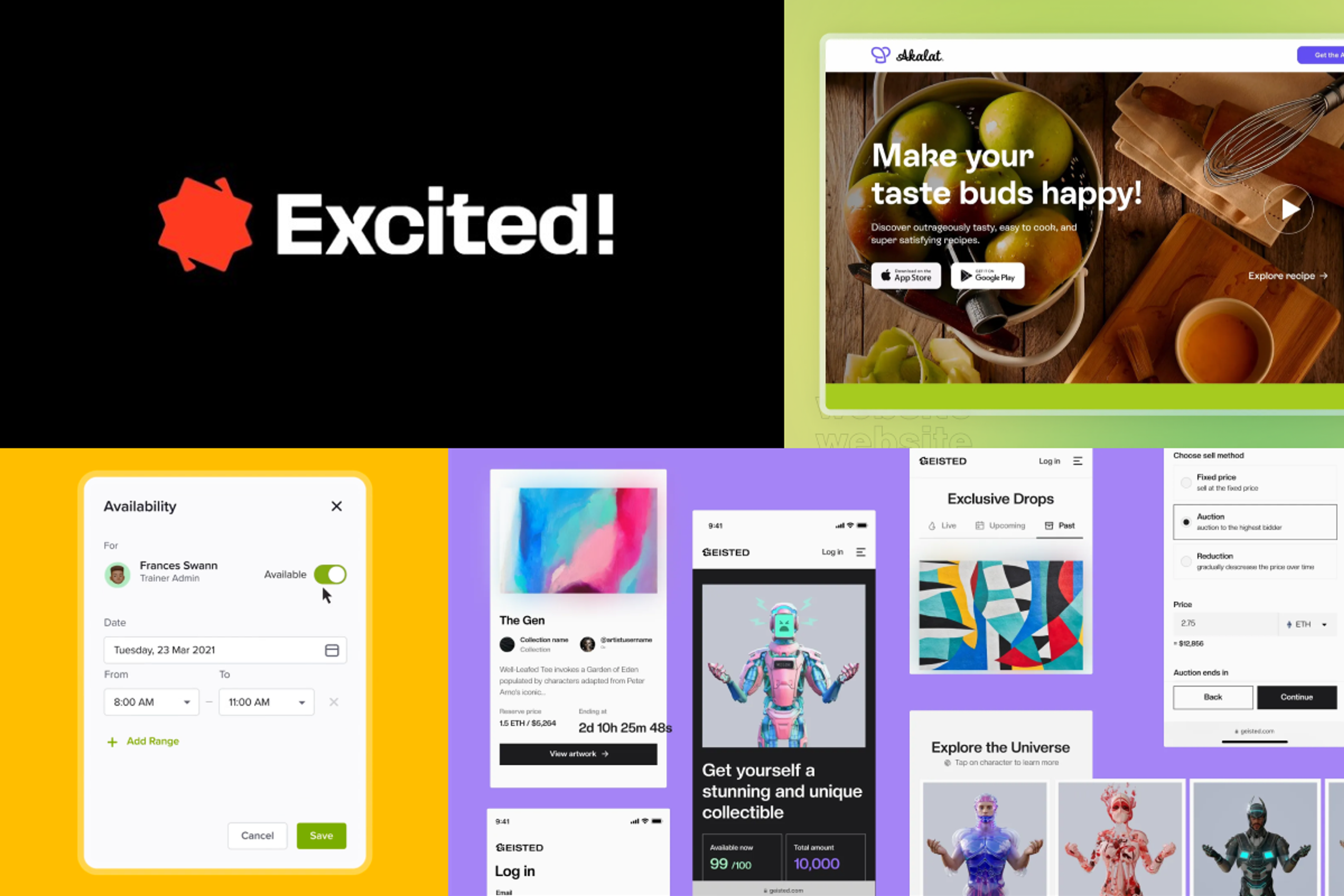
Best for: product-focused UX/UI design for SaaS, web apps, mobile apps, and digital brands
Best suited to: SaaS, B2B, fintech and insurance products, healthcare tools, startups
Why they stand out: Excited positions itself as a product design agency focused on making tech products “easy to use, hard to leave,” and its service mix is clearly centered on practical digital product work rather than broad innovation consulting.
That makes them especially relevant for teams that want one partner to shape both the product experience and the surrounding digital brand.
Potential drawback: If a company needs deep service design, transformation strategy, or heavyweight research at enterprise scale, Excited may feel more execution-oriented and product-design-led than strategy-first consultancies.
Why companies choose them:
- Strong product UX/UI focus
- Good fit for SaaS and software-heavy businesses
- Polished visual craft backed by award recognition
Our score: 23/25
Breakdown: Strategy 4/5, Research 5/5, Craft 5/5, Systems 4/5, Trust 5/5
Reviewer’s take: Excited makes sense for companies that already know they need a better digital product experience and want a team that can execute it with clarity and style. They feel like a stronger fit for shipping and refining modern software products than for solving vague upstream innovation problems.
Independent proof
- Clutch profile.
- DesignRush profile.
- Red Dot Design Awards profile.
4. IDEO
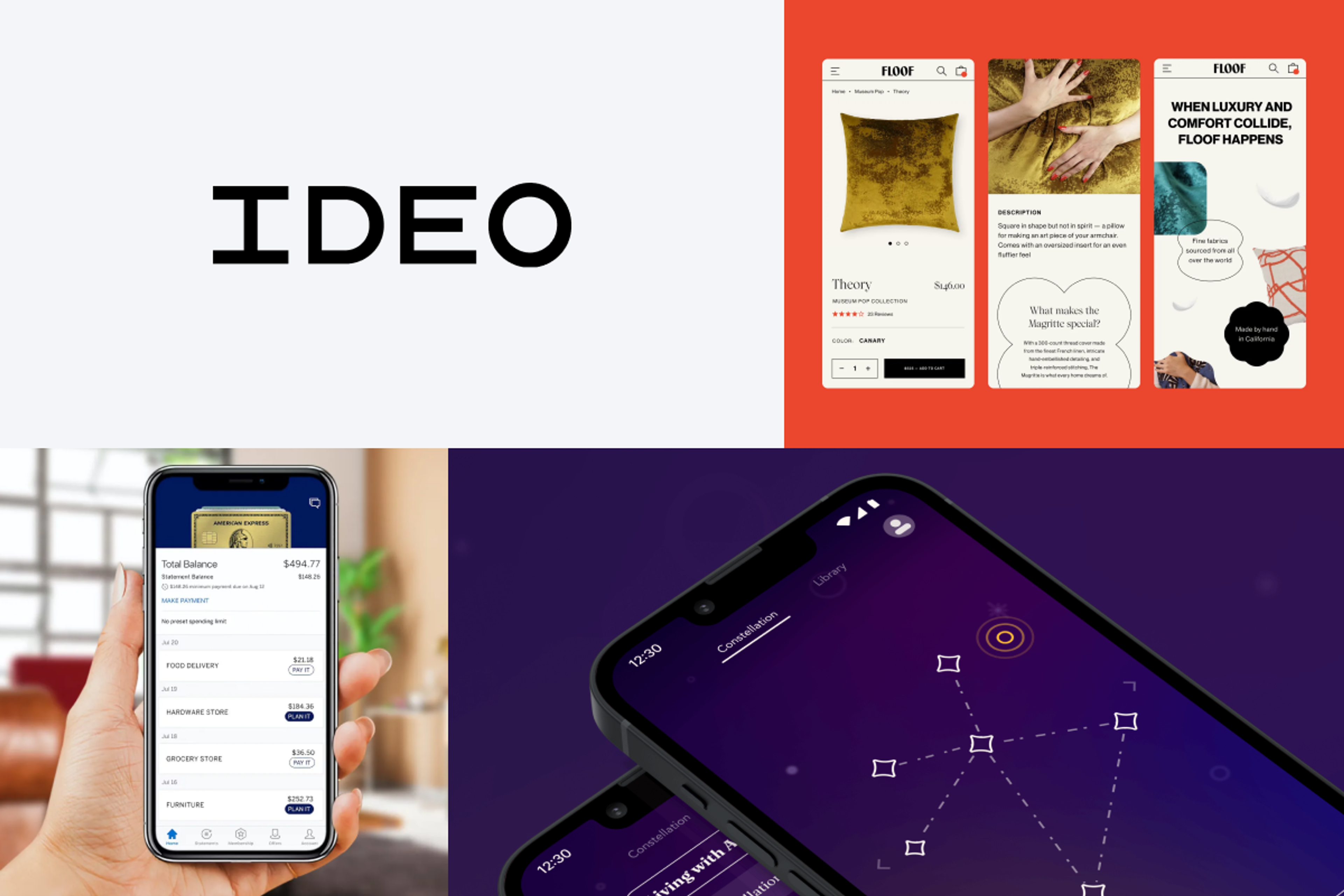
Best for: research-led innovation and human-centered UX
Best suited to: innovation teams, healthcare, education, finance, mission-driven organizations, and large transformation efforts
Why they stand out: IDEO is still one of the clearest choices when the UX problem starts upstream, at the level of user insight, service design, or product concept development. Their strength is not just interface design. It is the ability to define the right problem before jumping to solutions.
They are especially relevant when ambiguity is high, and teams need deeper human-centered thinking before execution begins.
Potential drawback: For tightly scoped product work, IDEO may feel broader and more strategic than necessary.
Why companies choose them:
- Deep research credibility
- Strong innovation methodology
- Good fit for open-ended product problems
Our score: 23/25
Breakdown: Strategy 5/5, Research 5/5, Craft 4/5, Systems 4/5, Trust 5/5
Reviewer’s take: IDEO still has a place on lists like this because they solve a different kind of problem. When the issue is uncertainty, not just execution, they are one of the first names that still make sense.
Independent Proof
- Google Maps reviews
5. Huge
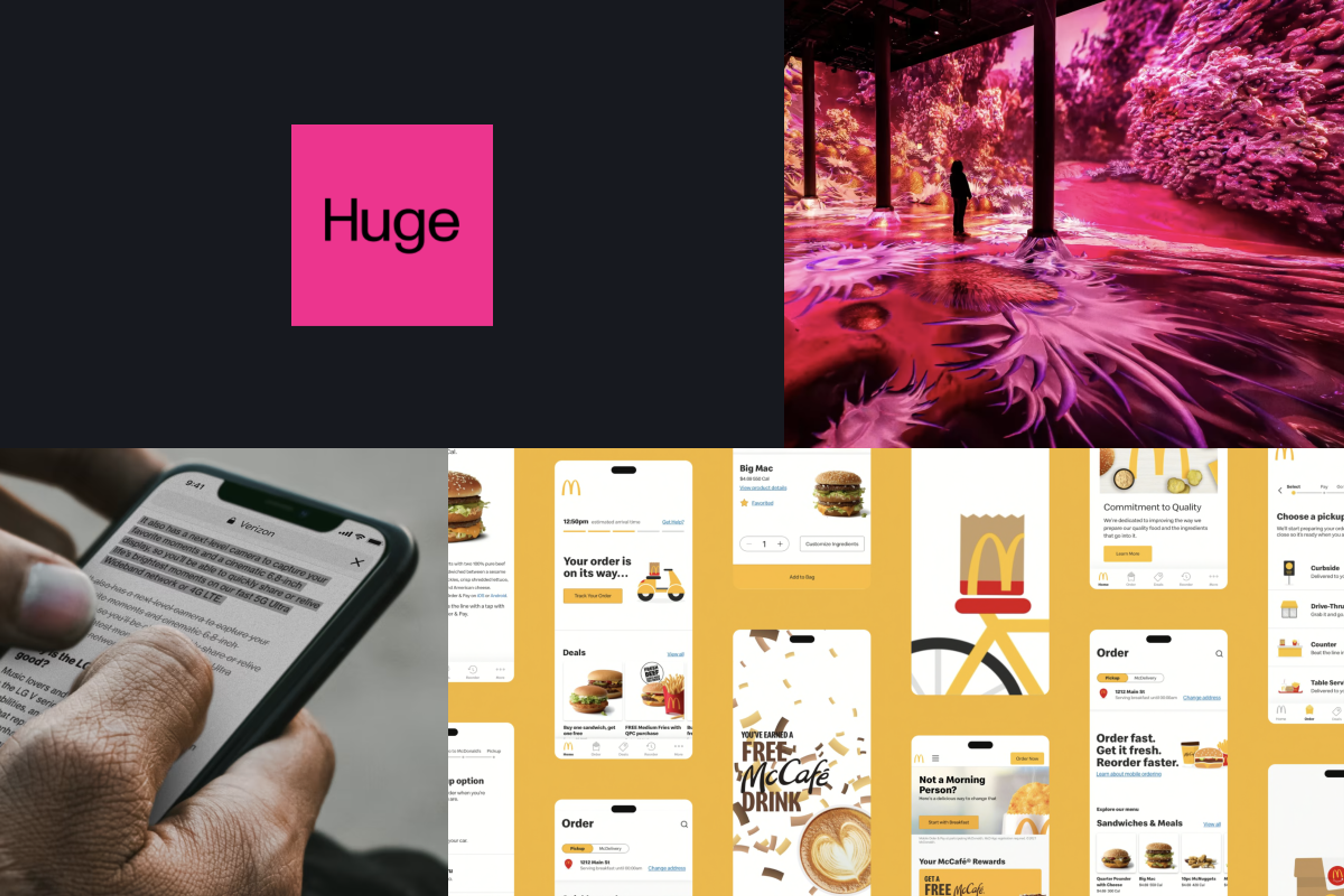
Best for: growth-oriented UX at enterprise scale
Best suited to: large brands in eCommerce, telecom, travel, education, healthcare, and B2B
Why they stand out: Huge makes sense for organizations that need UX tied closely to digital growth, customer experience, and large-scale execution. Their positioning is strongest where product experience, brand experience, and business performance need to connect.
They are a good fit for companies that want a global partner able to operate across large brand and platform ecosystems.
Potential drawback: Teams looking for a more focused boutique product studio may find Huge broader than they need.
Why companies choose them:
- Strong enterprise-scale capability
- Good blend of UX and growth thinking
- Credible fit for large digital ecosystems
Our score: 22/25
Breakdown: Strategy 5/5, Research 4/5, Craft 5/5, Systems 4/5, Trust 4/5
Reviewer’s take: Huge is a better fit when UX needs to plug into something bigger, like transformation, growth, and brand. They are not the smallest or lightest choice, but that is often the point.
Independent Proof
- Google Maps reviews
6. Mission Control
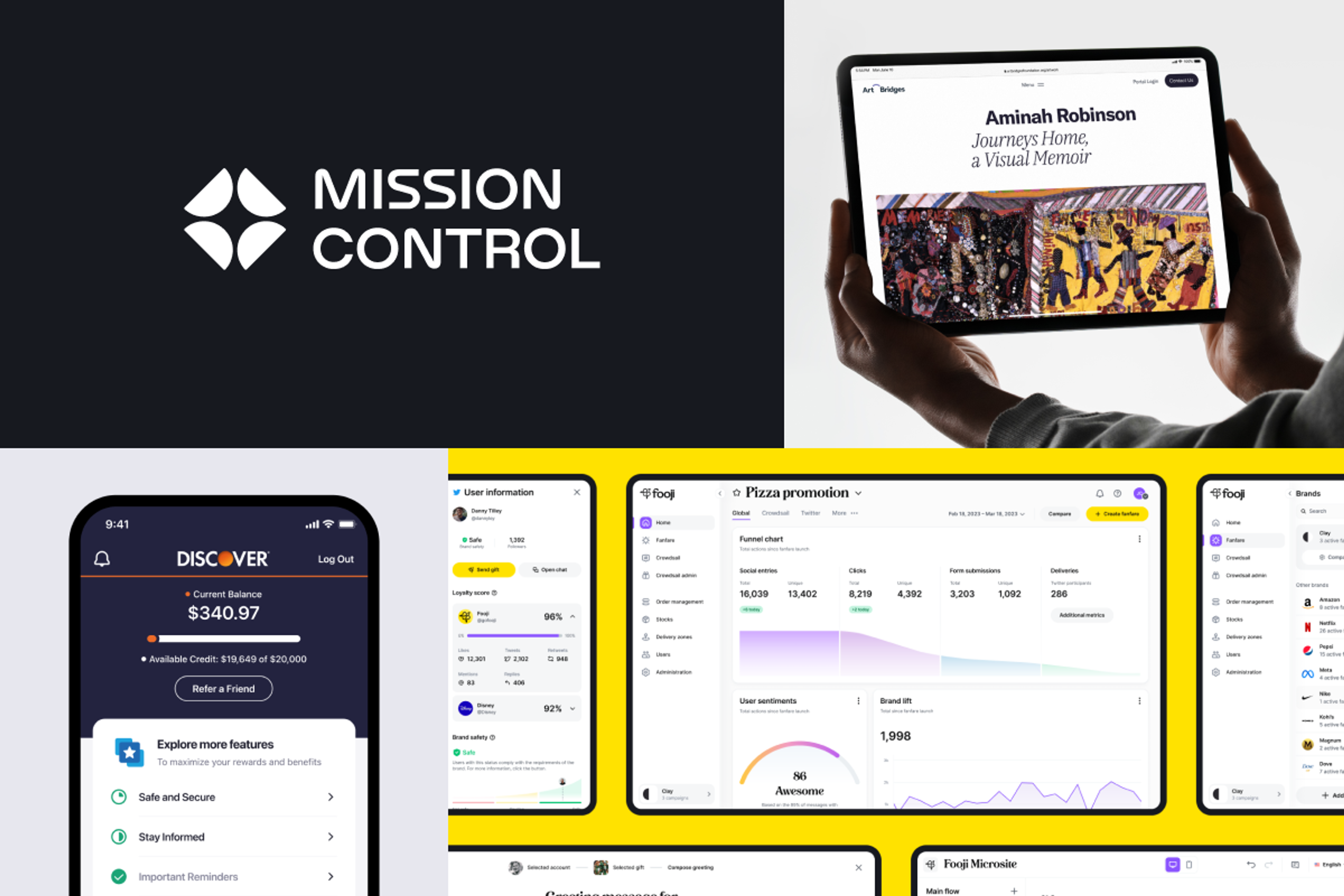
Best for: startup UX with speed, clarity, and momentum
Best suited to: early-stage startups, fintech, crypto, Web3, B2B, and technology companies
Why they stand out: Mission Control is strongest when a product team needs UX work that moves quickly without feeling rushed. Their approach is clearly geared toward reducing friction, sharpening the core user journey, and helping fast-moving teams get to a stronger product faster.
What makes them especially relevant for startups is the combination of research, rapid iteration, and a modern workflow that keeps momentum high while still grounding decisions in usability.
Potential drawback: Teams looking for a long-established enterprise consultancy may want a partner with a longer public track record.
Why companies choose them:
- Built for startup pace
- Strong research-to-execution workflow
- Good fit for fintech and technical products
Our score: 22/25
Breakdown: Strategy 5/5, Research 5/5, Craft 4/5, Systems 4/5, Trust 4/5
Reviewer’s take: Mission Control feels most convincing when speed matters and the product still needs real UX discipline. They make sense for startups that do not want to choose between momentum and thoughtfulness.
Independent Proof
- Clutch profile
- CSS Winner profile
- Awwwards profile
7. Bakken & Bæck
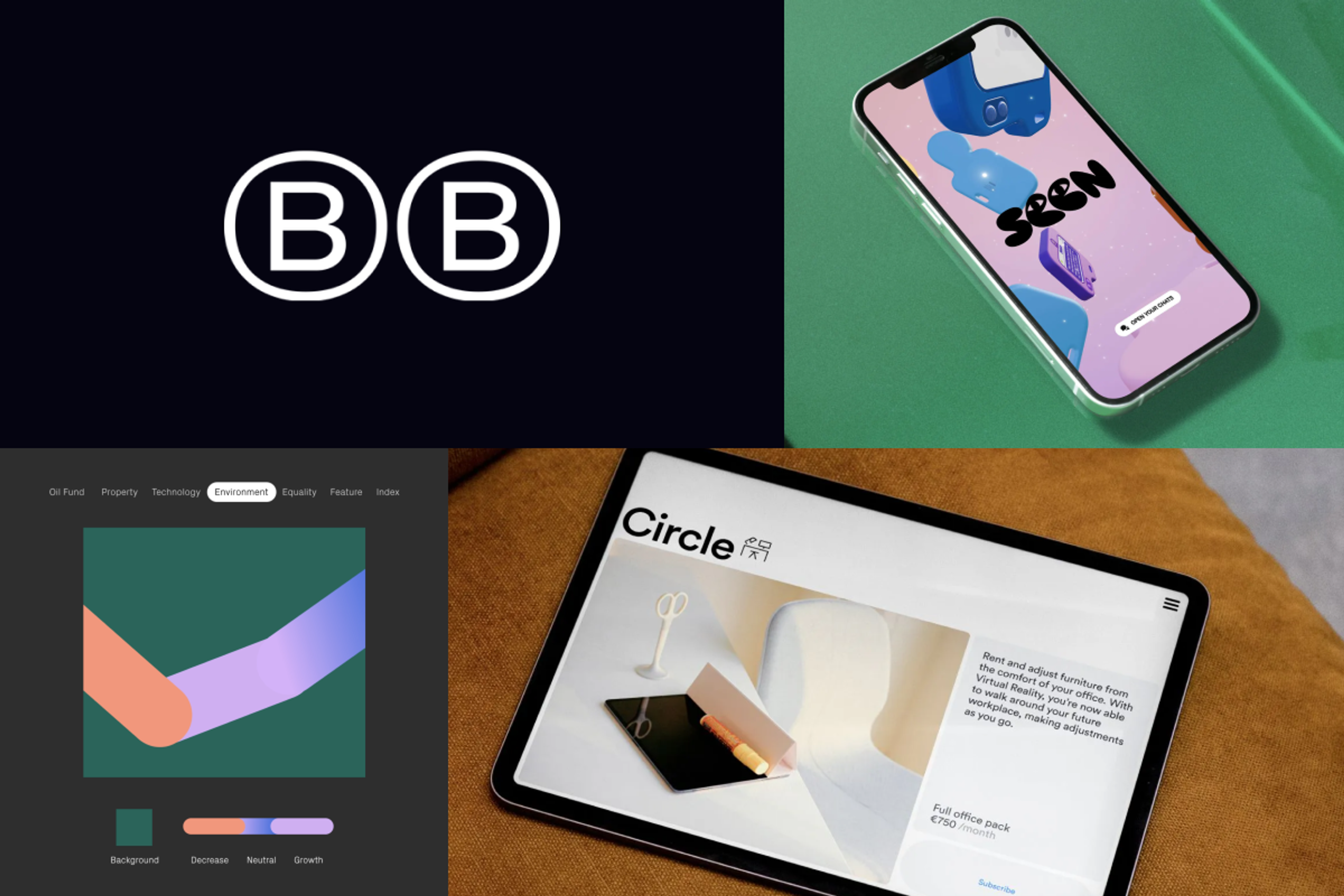
Best for: product UX with strong technical execution
Best suited to: fintech, crypto, mobility, healthcare, education, and technically sophisticated digital products
Why they stand out: Bakken & Bæck feels strongest when a company wants product design and engineering to work closely together. Their work tends to come across as calm, polished, and highly considered, which makes them a strong choice for products where UX quality depends on both design judgment and technical precision.
They are especially compelling for teams building serious digital products rather than campaign-led experiences.
Potential drawback: Brands seeking a louder or more marketing-driven style may want a different type of partner.
Why companies choose them:
- Strong product design and engineering blend
- Calm, polished execution
- Good fit for technically complex products
Our score: 21/25
Breakdown: Strategy 4/5, Research 4/5, Craft 5/5, Systems 4/5, Trust 4/5
Reviewer’s take: Bakken & Bæck tends to appeal to teams that care deeply about the product itself. The work usually feels precise and well-judged, not overexplained or overdesigned.
Independent Proof
- Google Maps reviews
8. ustwo
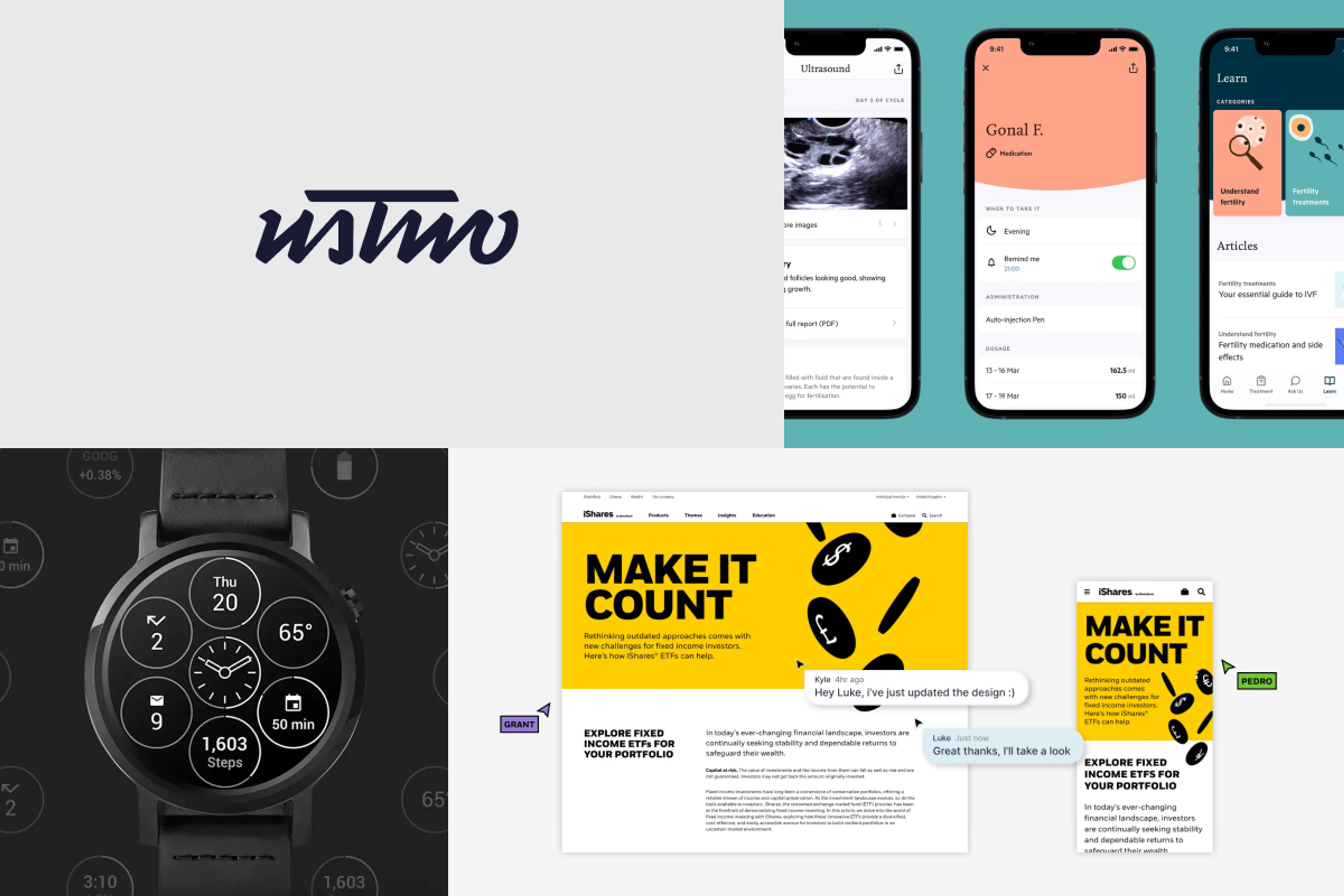
Best for: human-centered digital products with strong design craft
Best suited to: B2B, eCommerce, healthcare, travel, education, and consumer-facing software
Why they stand out: ustwo is a strong option for teams that want UX work to feel human, well-crafted, and grounded in real user needs. They have a track record of creating products that are both useful and memorable, which makes them especially relevant when design quality and usability need to carry equal weight.
Their work tends to carry more warmth and product personality than many larger consultancies.
Potential drawback: Companies prioritizing heavy systems rigor over product feel may want a more process-led partner.
Why companies choose them:
- Strong human-centered product thinking
- Excellent design craft
- Good fit for meaningful digital experiences
Our score: 21/25
Breakdown: Strategy 5/5, Research 4/5, Craft 5/5, Systems 3/5, Trust 4/5
Reviewer’s take: ustwo is one of those agencies people often like before they can fully explain why. The reason is usually that the work feels human, not just clean.
Independent Proof
- BAFTA and Apple Design Award for Monument Valley
- Google Maps reviews
9. FirmStudio
Firmstudio Design Agency
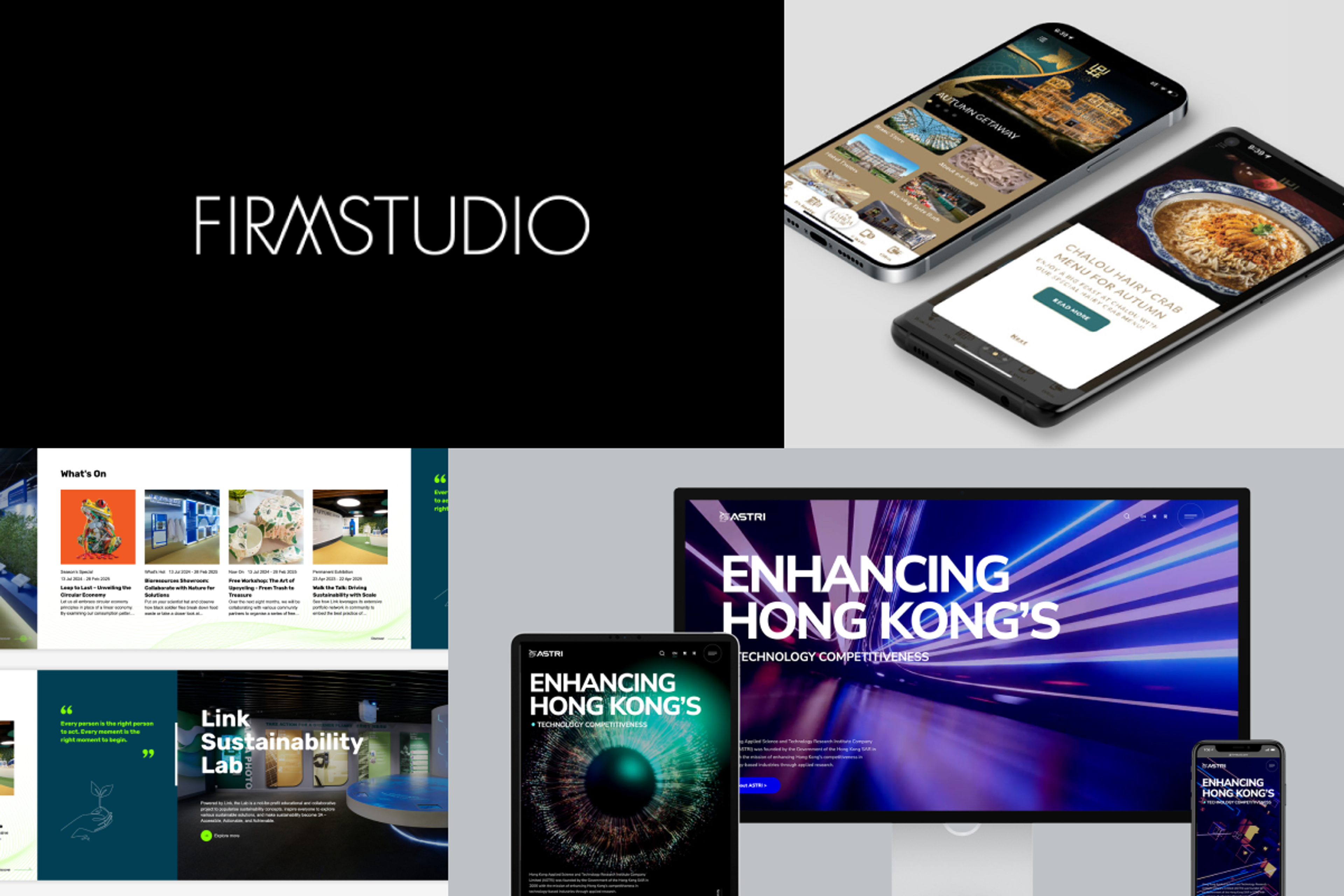
Best for: structured UX for complex websites and service platforms
Best suited to: public sector, finance, hospitality, NGOs, real estate, and enterprise web ecosystems
Why they stand out: FirmStudio is a strong option for organizations dealing with complexity in structure, navigation, and information hierarchy. Their case study mix points to real strength in projects where UX is not just about cleaner visuals, but about making large, content-heavy systems easier to use.
They make the most sense for teams that need methodical research, architecture, and usability thinking.
Potential drawback: Product teams looking for a more software-native or startup-style partner may prefer a different profile.
Why companies choose them:
- Strong information architecture capability
- Credible public-sector and enterprise experience
- Good fit for complex website ecosystems
Our score: 20/25
Breakdown: Strategy 4/5, Research 4/5, Craft 5/5, Systems 4/5, Trust 3/5
Reviewer’s take: FirmStudio feels like a good recommendation when the real problem is structure. If the experience is dense, hard to navigate, or messy under the surface, they make more sense than a purely visual-first shop.
Independent Proof
- Google Maps reviews
10. frog
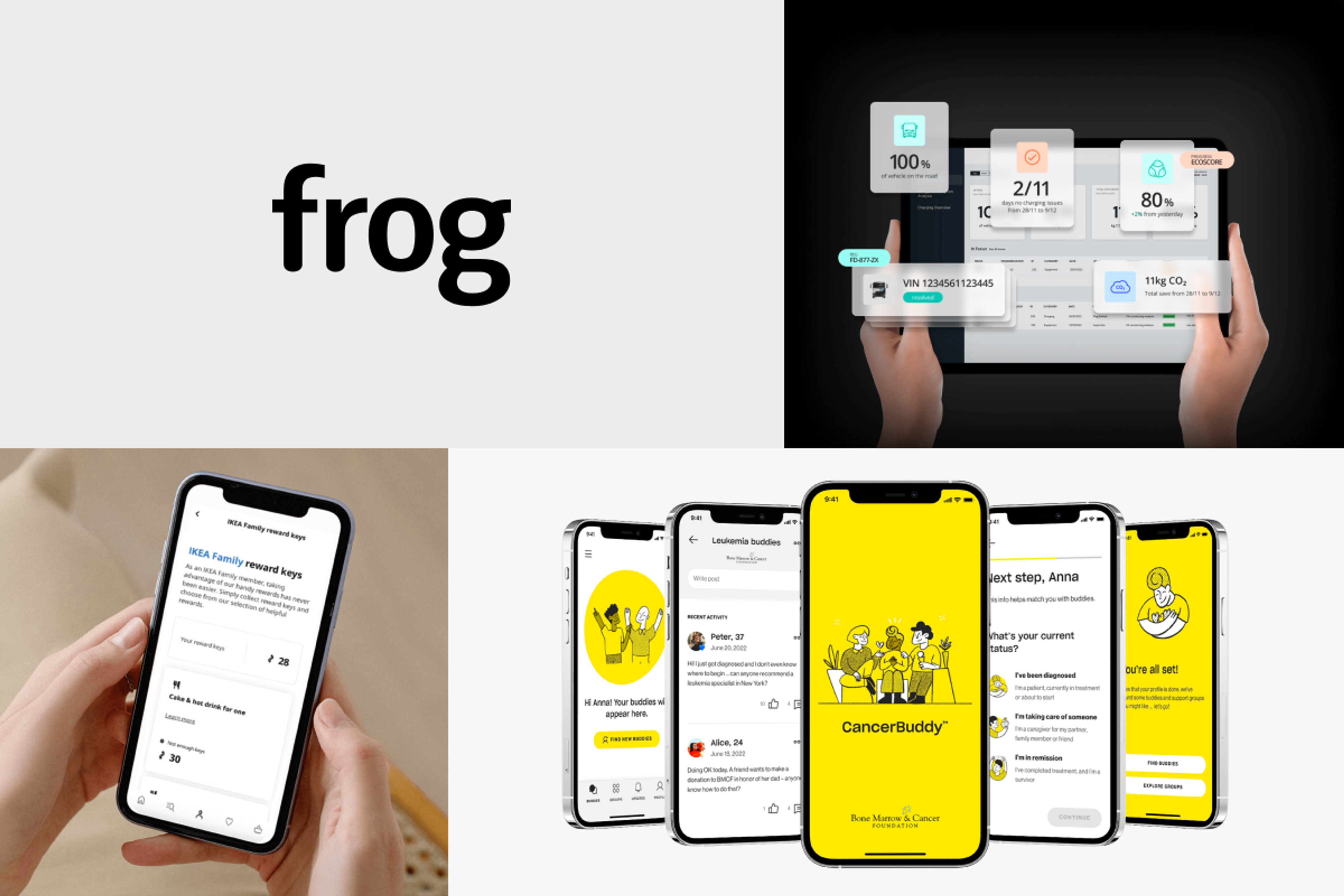
Best for: strategic UX tied to transformation and innovation
Best suited to: large organizations, CX programs, growth initiatives, and service ecosystems
Why they stand out: frog is best suited to companies that need UX work connected to a broader transformation effort. They are particularly relevant when the challenge goes beyond screens and into customer journeys, growth strategy, and larger experience systems.
That makes them a strong option for organizations looking for a partner with strategic range and enterprise credibility.
Potential drawback: Smaller teams with a narrow product scope may not need that level of breadth.
Why companies choose them:
- Strong transformation mindset
- Good mix of UX, CX, and strategy
- Well-suited to large-scale experience work
Our score: 20/25
Breakdown: Strategy 4/5, Research 4/5, Craft 5/5, Systems 3/5, Trust 4/5
Reviewer’s take: frog makes sense when the work is bigger than a redesign. If the UX problem is tied to business change, service complexity, or customer experience at scale, they become much more relevant.
Independent Proof
- Multiple iF Awards, Red Dot Awards, and IDEA (International Design Excellence Awards)
- Finalist for the 2020 SXSW Innovation Awards
- Google Maps reviews
11. Code and Theory
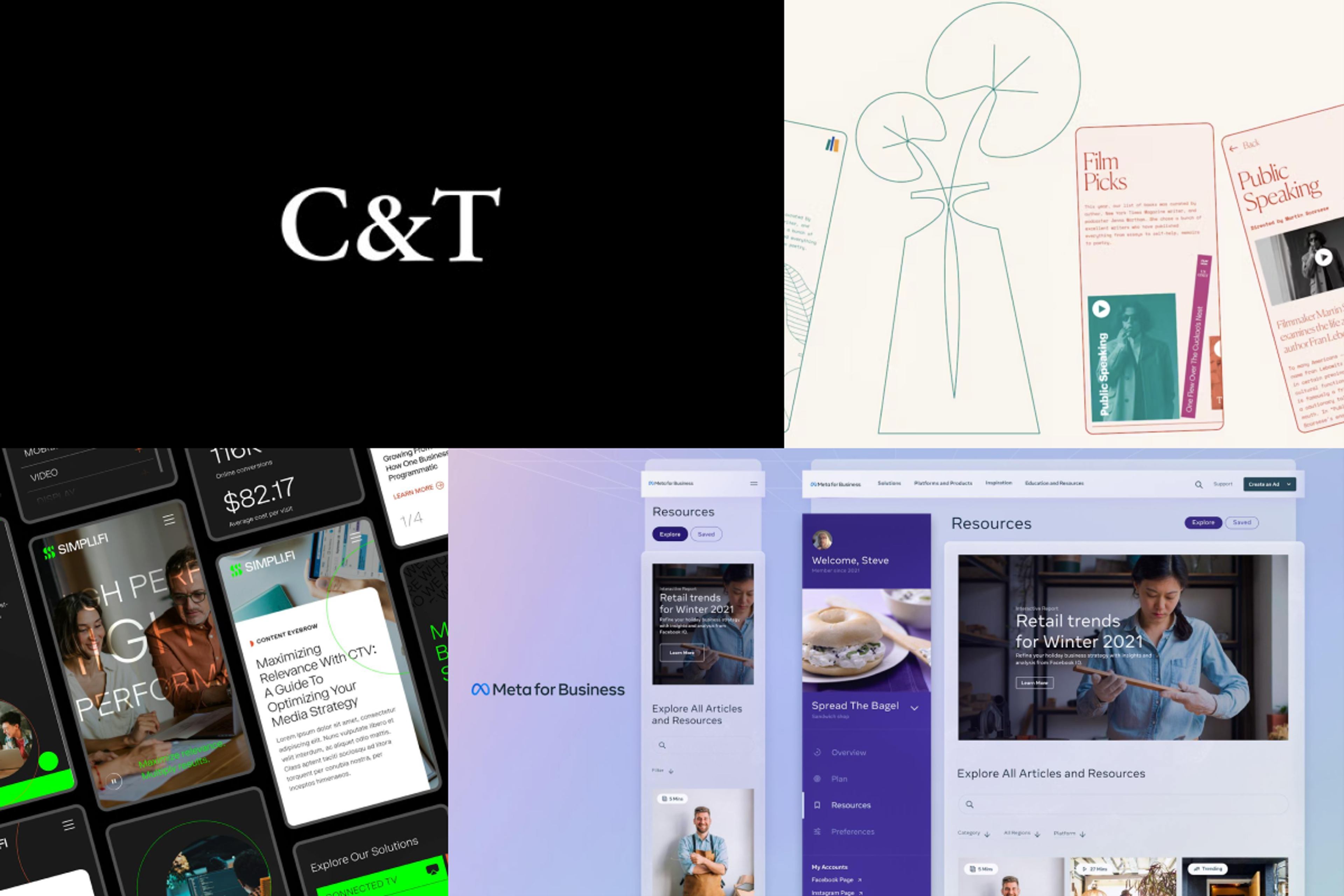
Best for: digital ecosystems that connect product, content, and brand
Best suited to: technology, healthcare, finance, lifestyle, and content-heavy digital businesses
Why they stand out: Code and Theory is strongest when the UX challenge sits at the intersection of product, communication, and digital brand experience. They make sense for companies that need more than interface design alone and want a partner that can connect design, strategy, and technology across a broader ecosystem.
They are especially relevant when content and product experience need to reinforce each other.
Potential drawback: Teams seeking a more purely product-design specialist may want a narrower UX partner.
Why companies choose them:
- Strong digital-first perspective
- Good integration of design and strategy
- Useful for content-rich ecosystems
Our score: 19/25
Breakdown: Strategy 4/5, Research 4/5, Craft 4/5, Systems 3/5, Trust 4/5
Reviewer’s take: Code and Theory is most compelling when the experience has to work across product, content, and brand at the same time. They are less about isolated screens and more about connected digital systems.
Independent Proof
- Google Maps reviews
12. Red Antler
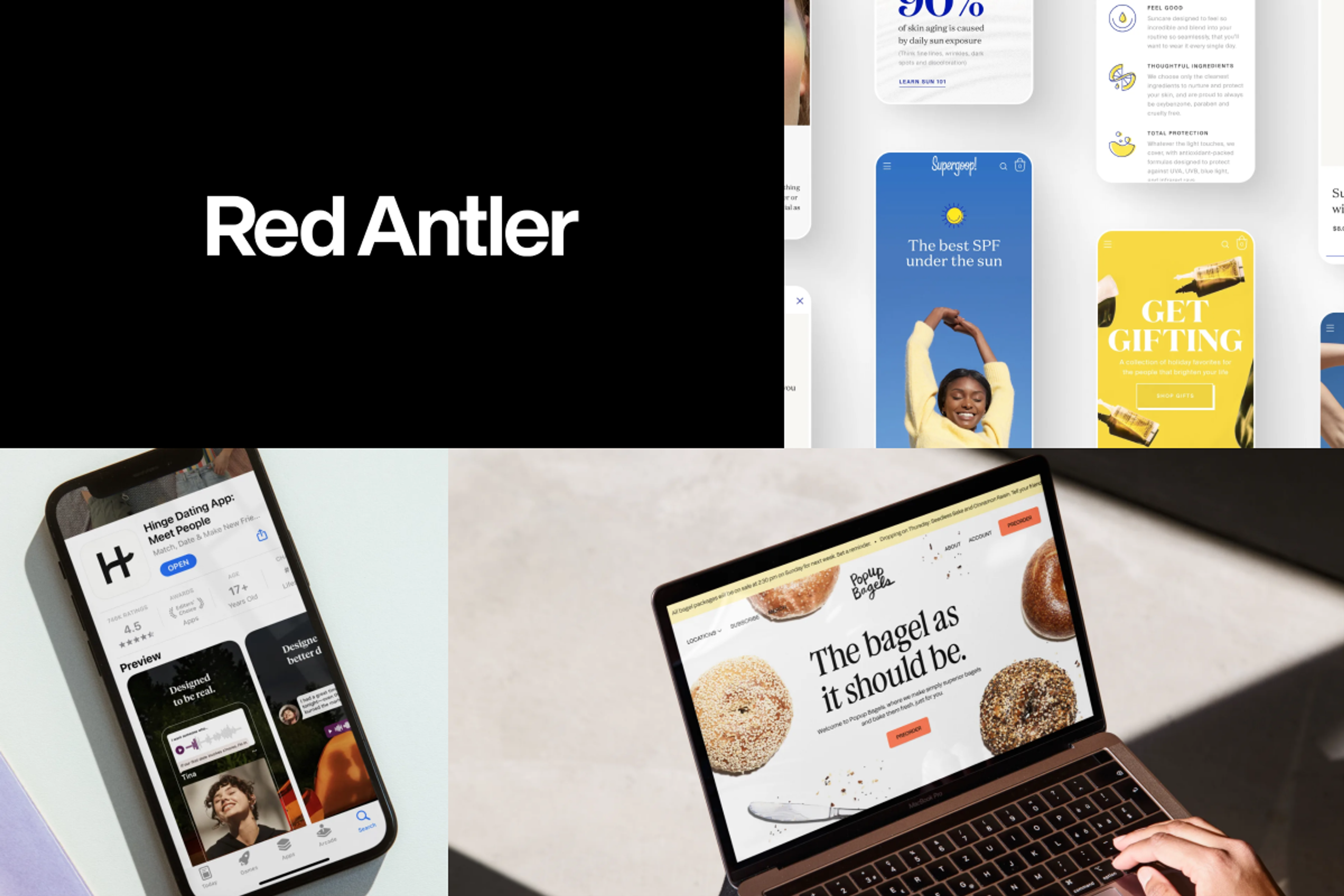
Best for: challenger-brand UX with personality
Best suited to: consumer brands, retail, healthcare, finance, and growth-stage businesses
Why they stand out: Red Antler feels strongest when a company wants UX work that carries a clear brand point of view. They are especially relevant for businesses that want digital experiences to feel memorable and differentiated, not just functional.
That makes them a good fit for ambitious brands that care as much about character and perception as they do about usability.
Potential drawback: Heavily workflow-driven or enterprise products may need a more systems-focused partner.
Why companies choose them:
- Strong brand and product crossover
- Memorable digital expression
- Good fit for challenger brands
Our score: 18/25
Breakdown: Strategy 4/5, Research 3/5, Craft 4/5, Systems 3/5, Trust 4/5
Reviewer’s take: Red Antler is a strong recommendation when a product needs more personality and a sharper market presence, not just a cleaner interface. They are usually more persuasive for brand-led growth companies than for dense enterprise tools.
Independent Proof
- Google Maps reviews
13. Big Human
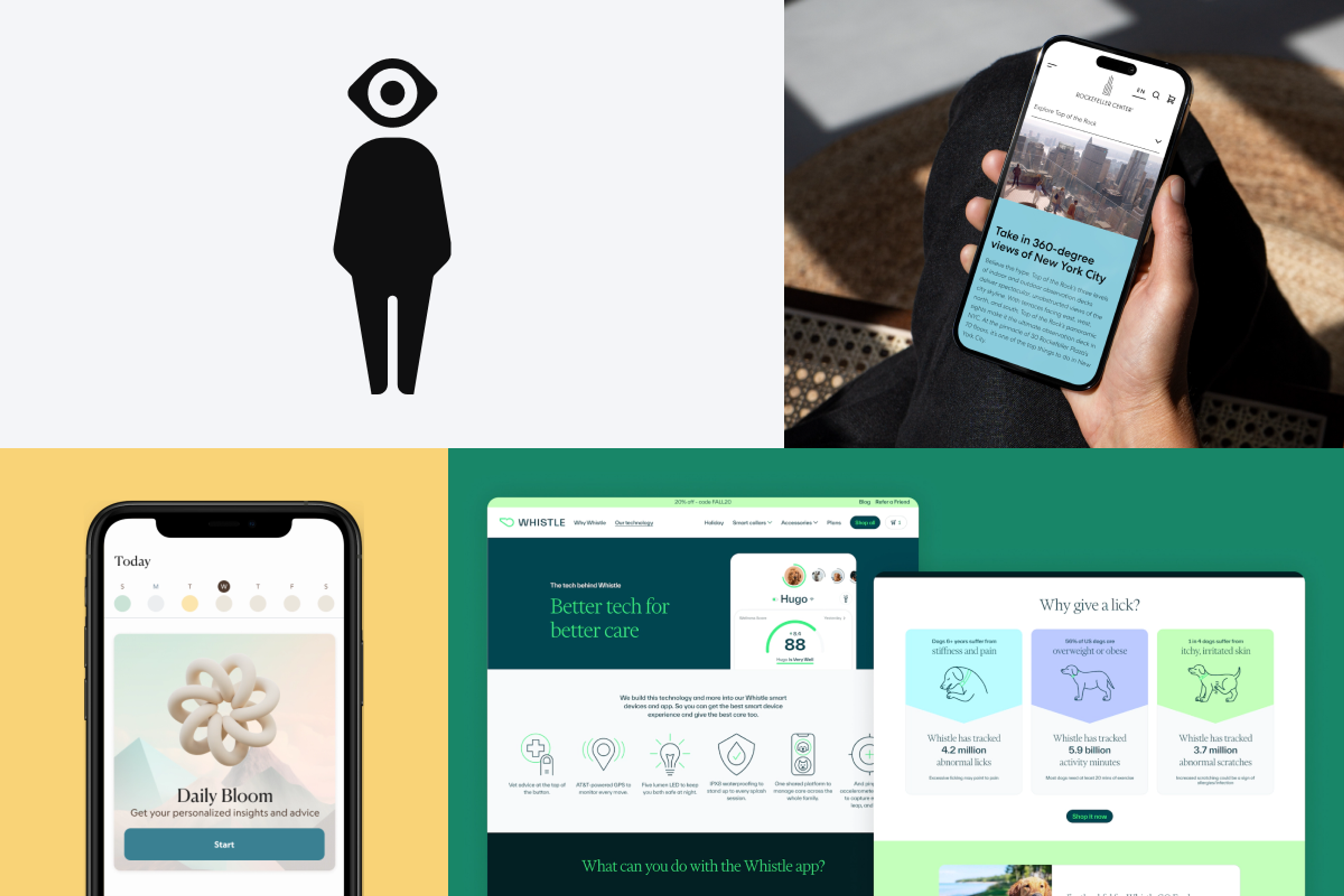
Best for: practical, approachable digital product UX
Best suited to: startups, nonprofits, and brands that need UX tied closely to product usefulness
Why they stand out: Big Human feels strongest when the priority is building digital products that are grounded, usable, and easy to relate to. Their work comes across as practical rather than overdesigned, which makes them a good fit for teams that want UX shaped by everyday use, not just visual ambition.
They are especially relevant for products that need to feel clear, functional, and human from the start.
Potential drawback: Companies looking for deeper enterprise systems work may want a partner with more visible scale in that area.
Why companies choose them:
- Practical user-centered approach
- Good product and brand crossover
- Strong fit for approachable digital experiences
Our score: 17/25
Breakdown: Strategy 3/5, Research 3/5, Craft 4/5, Systems 3/5, Trust 4/5
Reviewer’s take: Big Human is easy to recommend when a team wants a product that feels usable and well-judged without overcomplicating the process. There is a groundedness to that kind of work that a lot of products benefit from.
Independent proof
- Google Maps reviews
14. Wiredcraft
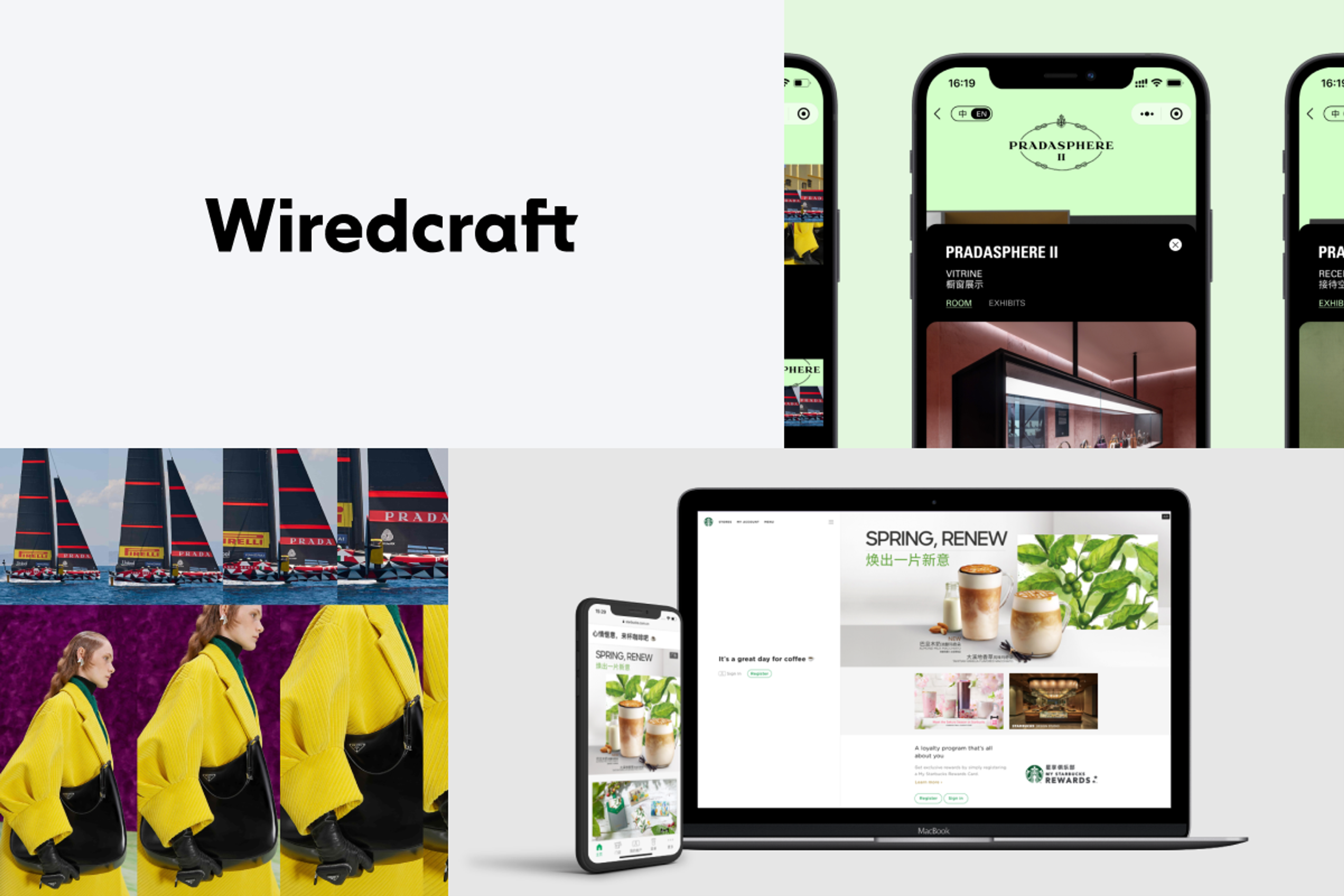
Best for: end-to-end UX for larger platforms
Best suited to: technology, eCommerce, non-profit, and enterprise digital products
Why they stand out: Wiredcraft is a strong option for companies that need end-to-end product thinking with a practical execution mindset. Their profile suggests a good fit for larger platforms and launches where speed, structure, and product discipline matter more than novelty.
They are especially relevant for teams that want a partner comfortable working inside bigger digital ecosystems.
Potential drawback: Brands seeking a more boutique or concept-heavy creative approach may want a different agency style.
Why companies choose them:
- Strong product mindset
- Good fit for larger platforms
- Practical, execution-focused approach
Our score: 16/25
Breakdown: Strategy 4/5, Research 3/5, Craft 4/5, Systems 3/5, Trust 2/5
Reviewer’s take: Wiredcraft feels like a sensible choice for teams that want product discipline without a lot of theater. They are more about getting the thing built well than turning every engagement into a manifesto.
Which UI/UX Agency Is Best for Your Company?
According to research by Forrester, a partnership with a UI/UX design agency results in a 63% faster time-to-market than relying solely on in-house resources.
Top UI/UX Agencies Comparison
Choose Work & Co if you need a senior product partner for a large, high-stakes digital build.
Choose Clay if the experience needs to work across product, website, growth, and brand, not just inside the interface layer.
Choose IDEO if the product challenge is still fuzzy and you need deep user understanding before execution.
Choose FirmStudio if your product or platform has structural complexity and the problem is as much about information architecture as visual design.
Choose Huge if UX needs to connect directly to growth, digital transformation, and enterprise-scale execution.
Choose Mission Control if you are building early and need startup speed, strong UX basics, and a process designed to keep momentum high.
Choose Bakken & Bæck if you want thoughtful product design paired with strong technical execution.
Choose ustwo if you want a product experience that feels deeply human, polished, and memorable.
Choose frog if your UX challenge is part of a larger customer experience or business transformation effort.
Choose Code and Theory if the work sits across product, content, and digital brand systems.
Choose Red Antler if you want a stronger point of view and more personality in the user experience.
Choose Wiredcraft if you need a practical end-to-end partner for a larger platform or rollout.
Choose Big Human if you want a grounded, approachable product partner that keeps usability front and center.
How to Choose the Right UX Agency in 2026
A strong UX agency should make a product easier to understand, use, and improve. In 2026, that also means knowing where AI can speed up the work while research and human judgment still guide good UX.
Start with the actual product problem
Do you need better onboarding, stronger research, clearer user flows, higher conversion, or a system that can grow with the product? The clearer the problem, the easier it is to find the right partner.
AI only matters if it helps solve that problem.
Find a fit for your product type
A startup app, an enterprise SaaS platform, a fintech dashboard, and a content-heavy website all require different strengths. Look for experience with similar users, constraints, and product complexity.
Review systems
Strong portfolios should show flows, architecture, testing, and handoff plans.
As AI moves from design support to design-to-code work, clear systems and closer teamwork between design and engineering matter even more.
Ask how AI is actually used
AI can help with research synthesis, exploration, prototyping, documentation, and design-to-code work.
Ask where it saves time, where human judgment still leads, and how AI outputs are reviewed. For sensitive projects, also ask how user and company data is handled.
Check how they research and test
Strong UX partners can explain how they learn, what they test, and how that changes design decisions.
AI can speed up analysis, while real user research, usability tests, analytics, and direct feedback still drive the decisions.
Compare proposals by clarity
Look for clear phases, sensible deliverables, realistic timelines, and a practical handoff plan.
If AI is part of the workflow, the agency should be able to explain where it adds value and where direct research, design judgment, and review are still required.
How Much Does It Cost to Hire a UI/UX Design Agency?
Deloitte reports that firms designing their user experience internally can develop expertise and new insights by outsourcing design to a firm, potentially saving an estimated 67% compared to hiring in-house.
UX project costs vary widely depending on scope, complexity, and team profile.
As a rough guide:
- $20,000 to $50,000 for smaller or early-stage products
- $75,000 to $150,000+ for enterprise systems or multi-phase UX initiatives
If the project includes research, UX strategy, wireframes, validation, UI design, and developer handoff, costs usually rise with the number of flows, states, and stakeholders involved.
Common Mistakes Companies Make When Hiring a UX Agency
Choosing visuals alone
Great screens do not automatically mean good UX. If the structure is weak, the product will still confuse people.
Skipping research
Many UX teams try to move straight into design. That often leads to polished outputs built on the wrong assumptions.
Underestimating complexity
Enterprise tools, B2B software, and fintech products need different UX thinking than a simple marketing site or consumer landing page.
Hiring the wrong-sized partner
Some teams hire a giant consultancy when they need speed. Others hire a boutique studio when the challenge actually requires systems thinking and cross-functional coordination.
From Google's wearable experience to Snapchat’s AR try-on lenses, we've helped teams across every industry design products people actually want to use. Let's talk about yours.
FAQs
Picking the Right Agency
What Should a Strong UX Case Study Include?
A strong UX case study should show the problem, the design process, and how the final solution improved the user experience. It typically includes:
- The user or business problem
- Research, journey mapping, or testing
- Key design decisions and their rationale
- How insights shaped the final solution
- The impact on the user experience
For example, the Discover case study by Clay Global follows this structure. It explains the challenge, shows the design process, and connects key UX decisions to the final solution.
What Red Flags Should Make Me Walk Away From a UX Agency?
Walk away if they cannot explain their process, show relevant case studies, or define who will be on your project. Other red flags include vague timelines, no plan for research or validation, and deliverables that are only high-level concepts without specifics.
How Do I Know if an Agency Can Handle Complex Systems and Edge Cases?
Ask for examples of enterprise or workflow-heavy products, not just marketing sites. They should be able to talk through permissions, states, error handling, data density, and handoff to engineering. Strong teams also show how they document components and logic, not just screens.
Budget and Pricing
What Pricing Models Do UX Agencies Use?
Most use a fixed project fee for a defined scope, or a monthly retainer for ongoing work. Some offer time and materials for a flexible scope, and paid discovery as a separate phase. The best model depends on how clear your requirements are and how much the scope may change.
Scope and Deliverables
What Services Do UX Agencies Typically Offer?
Most UX agencies provide full-cycle design support, including:
- User research and journey mapping
- UX strategy and information architecture
- Wireframing and prototyping
- Usability testing and user validation
- Interaction design and developer collaboration
What Deliverables Should I Expect From a UX Agency?
Expect a clear problem definition, user journeys, and information architecture. Most teams deliver wireframes and prototypes, validated designs based on testing, and a handoff package for engineering. If UI is included, you should also get a component library or design system guidance.
What Should a UX Audit Include, and What Do I Get at the End?
A good audit reviews key flows, usability issues, IA, accessibility basics, and analytics signals. The output should be a prioritized list of problems and recommendations, for example, fixes or redesigned screens for the biggest issues, and a roadmap that outlines what to do first and why.
What Should Be Included in a UX Roadmap After the Audit?
Include a prioritized backlog grouped by impact and effort, with clear goals for each phase. Add dependencies, owners, and what success looks like, plus quick wins versus larger redesign items. A strong roadmap also calls out research and testing checkpoints.
UX vs UI Clarity
How Is a UX Agency Different from a UI Design Agency?
UX agencies focus on the structure, logic, and user behavior across the product experience. UI design agencies handle the visual layer, such as colors, typography, and interface layout.
Do I Need UX Research, UI Design, or Both?
If users are getting stuck, dropping off, or complaining, start with UX research and flow design. If the experience works but looks inconsistent or outdated, UI and a design system can be enough. Most product teams benefit from both when making major changes.
Timeline and Collaboration
How Long Does a UX Project Take?
Most UX projects take 6 to 16 weeks, depending on complexity, research needs, and whether development is included. This usually includes discovery, design iterations, validation, and final handoff.
Can the UX Agency Work With Our Existing Product and Engineering Team?
Yes. Many agencies pair with internal teams by leading research and design, then collaborating closely with engineering on feasibility, handoff, and implementation. Define responsibilities, tooling, and review cadence upfront so execution stays smooth.
What Do I Need to Provide to Avoid Delays?
Provide clear goals, a single decision maker, and fast feedback cycles. Share access to analytics, user insights, and product context early, plus any constraints like tech stack, compliance, or brand rules. Delays most often come from missing content, unclear approvals, or slow stakeholder reviews.
Existing Products and Redesigns
Can a UX Agency Help with Existing Products?
Yes, UX agencies often specialize in refining existing products. They perform usability audits, redesign workflows, and test solutions to improve performance and user satisfaction.
What Should Be Included in a UX Roadmap After the Audit?
It should include a prioritized list of issues and improvements, grouped into phases like quick wins, mid-term fixes, and larger redesigns. Each item should have an outcome goal, estimated effort, dependencies, and a clear owner. Add validation checkpoints, like usability testing, plus measurable success metrics for the key flows.
Local vs Global
Should I Choose a Local or Global UX Agency?
Local UX agencies offer easier communication, especially for in-person workshops. International agencies bring:
- Broader cross-cultural user insights
- Global design standards
- Experience with distributed product teams
Hiring and Vetting
What Questions Should I Ask Before Hiring a UX Agency?
Key questions to ask include:
- What’s your user research process?
- How do you test design decisions?
- Can you share similar projects and their outcomes?
- What tools do you use for prototyping and collaboration?
- How will your team work with ours?
What Should a Strong UX Case Study Include?
A strong case study explains the problem, goals, constraints, and the role the agency played. It shows the research and insights that drove decisions, the solutions that were tested, and what shipped. The best ones include measurable outcomes, such as conversion lift, reduced drop-off, faster task completion, or fewer support tickets.
Results and Measurement
How Does Good UX Impact Business Success?
Effective UX design improves engagement, lowers churn, and increases customer loyalty. It also boosts key business metrics like conversions, task completion rates, and user satisfaction scores.
How Do I Measure UX Success After Launch?
Compare against a baseline and track key flow conversion, task completion, drop-off points, and time to value. Watch retention, activation, and support volume to confirm the experience is improving. Pair metrics with qualitative feedback to catch issues that numbers miss.
How Long Does It Take to See Results From UX Improvements?
You can see early movement within weeks for conversion and task flows once changes ship. Bigger shifts, like retention and revenue impact, usually take 1 to 3 months as cohorts accumulate. For complex products, it can take longer if improvements roll out in phases.
Bottom Line
In short, picking the top UI/UX design company can make or break your digital project. Choose wisely, clarify your project goals, and check the agency’s design creativity and quality.
Read client reviews, join strategic workshops, and weigh the trade-offs of working with offshore versus onshore teams. Also, do not overlook the perks that local agencies can provide.
Thanks for reading!


About Clay
Clay is a UI/UX design & branding agency in San Francisco. We team up with startups and leading brands to create transformative digital experience. Clients: Facebook, Slack, Google, Amazon, Credit Karma, Zenefits, etc.
Learn moreAbout Clay
Clay is a UI/UX design & branding agency in San Francisco. We team up with startups and leading brands to create transformative digital experience. Clients: Facebook, Slack, Google, Amazon, Credit Karma, Zenefits, etc.
Learn more