
Hiring a website designer shapes your online success. You’re not just buying a pretty site. You're investing in a new site that meets your business goals. You’re finding someone who understands your business goals, knows your customers, and can turn visitors into buyers. You need someone who builds websites that grow with your business.
It’s important to choose an experienced designer who understands SEO strategies and can tailor their services to your specific business needs.
The best way to make the right choice? Ask smart questions that reveal what matters most for long-term success.
Many agencies now include marketing strategists to ensure your website supports broader online marketing efforts.
When evaluating options, look for a web design partner who will collaborate with you on the development process including testing, quality assurance, and making sure your site works seamlessly across all devices and browsers.
Here are 25 essential questions organized by category. Each one shows you what to listen for and why it matters for your business results.
Understanding Their Strategic Approach
1. What Are 10 Good Questions You Ask New Clients?
This shows how well they understand business strategy. Poor designers ask surface questions like "What colors do you like?"
Strong designers dig deeper. They ask about your target customers. They want to know what problems your site solves. They care about your brand voice and how you measure success. They ask about your competitive advantages and business goals.
Look for questions about audience pain points, conversion goals, content strategy, and success metrics. These show a designer who thinks beyond pretty pictures.
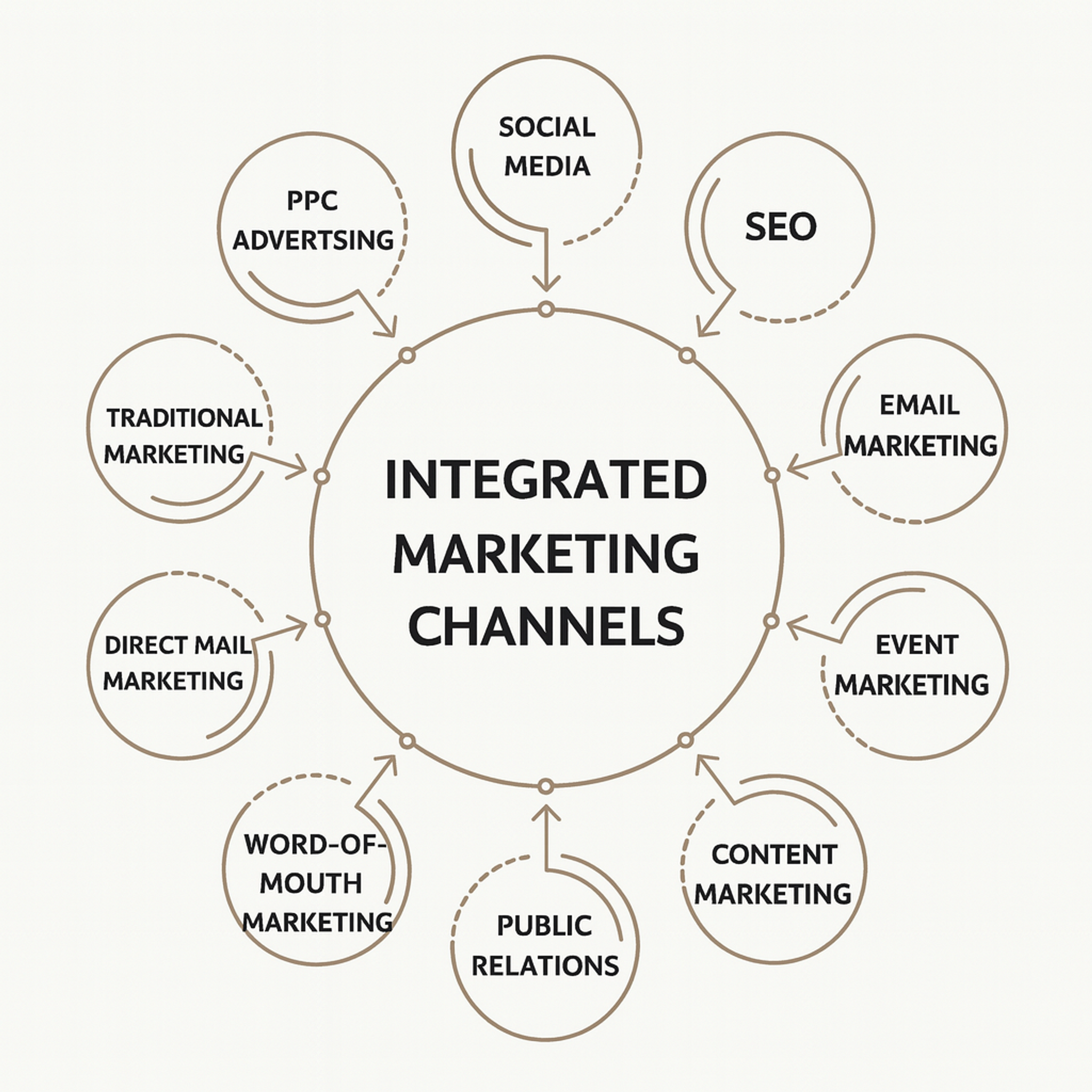
2. How Do You Integrate Digital Marketing with Design?
Your website works with your marketing, not against it. It connects with social media, email campaigns, ads, and SEO. A disconnected site confuses users and wastes your marketing budget.
Ask how they match design choices with marketing goals. Do they design landing pages for ad traffic? Will they connect email forms with your CRM? Can they explain how design helps your broader marketing strategy?
Strong designers know that every design choice affects marketing results. They think about user journeys from different traffic sources. They optimize for various conversion goals.
Integrated Marketing Programs
3. What Are the Five Big Questions Every Website Must Answer?
This tests whether they understand what makes websites work. The core questions usually cover purpose, audience, value proposition, success metrics, and user journey.
These elements guide content strategy, layout choices, and conversion paths. A designer who starts with these questions creates sites that match business goals and deliver real results.
If they only focus on visual preferences or technical features, they miss the strategic foundation that separates successful websites from pretty failures.
4. How Do You Approach Content Strategy Development?
Content strategy decides whether your website communicates value effectively. Great designers know that content drives design decisions, not the other way around.
They should ask about your content goals. Who creates content? How often do you update it? How does content connect to business goals? They need to understand your expertise areas and what your audience needs to know.
Without content strategy, even beautiful designs fail to convert visitors. Look for designers who work with you on content planning and understand how information layout affects user experience.
Design Thinking and User Research
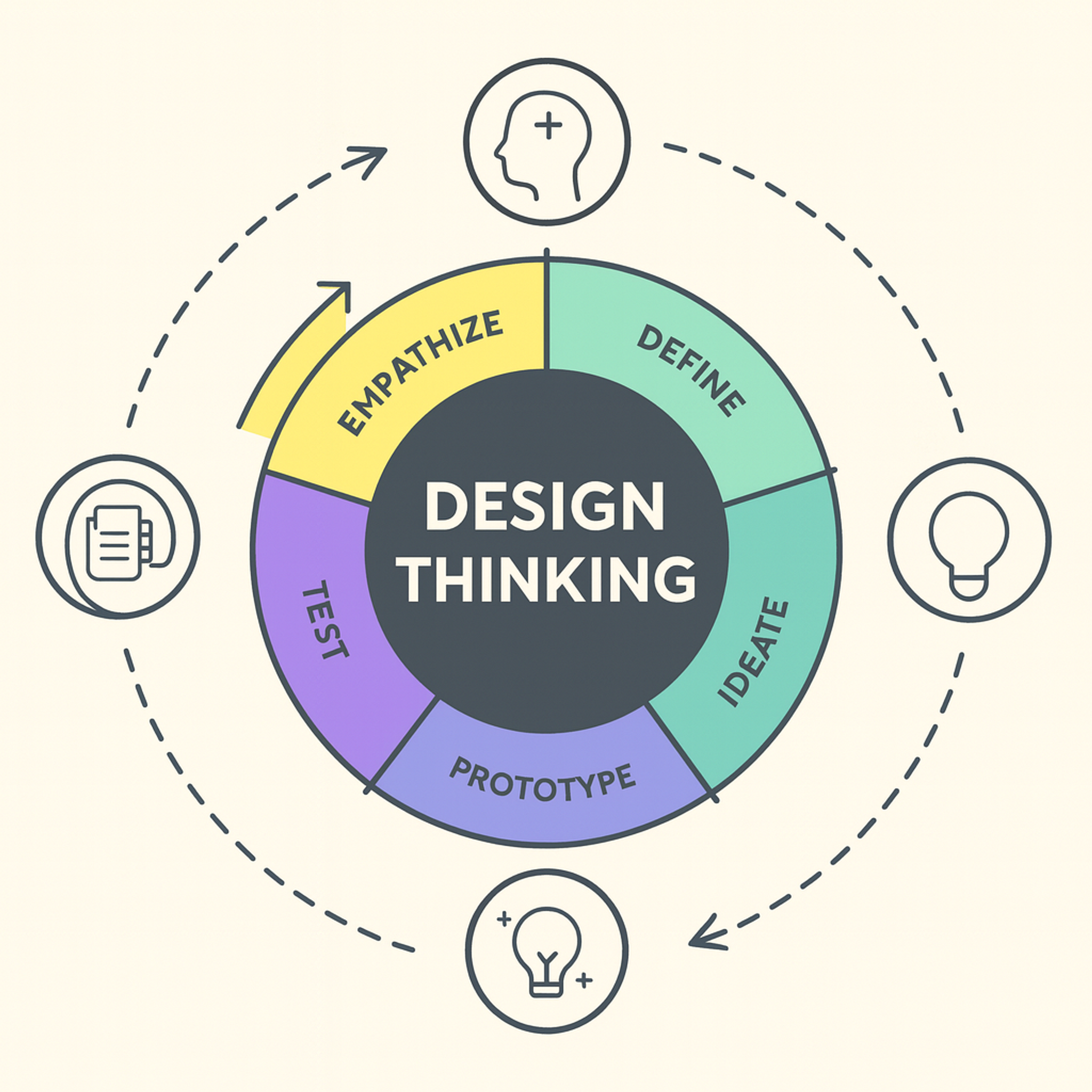
5. What Are the 5 Points of Design Thinking?
The five phases are empathize, define, ideate, prototype, and test. These form the backbone of modern design work. Applying design thinking throughout your website project helps ensure user needs are met at every stage.
This approach emphasizes that designers shouldn't jump straight to visual mockups. Instead, they begin by understanding the users, defining key problems, exploring potential solutions, testing early concepts, and continuously improving based on feedback.
Design Thinking
6. What UX Research Methods Do You Use?
User research separates assumption-based design from evidence-based design. Strong designers use multiple research methods to understand their users’ real needs and behaviors.
This leads to better decisions about layout, navigation, content, and functionality — all grounded in how real users think and act, not just internal opinions. It’s also crucial that your web developer works closely with the design team to ensure user research insights are effectively implemented during the website build.
Look for mentions of user interviews, surveys, usability testing, analytics analysis, and competitor research. They should explain when and why they use different methods. For example, usability testing might be used to validate a prototype before development, while analytics could highlight where users currently drop off.
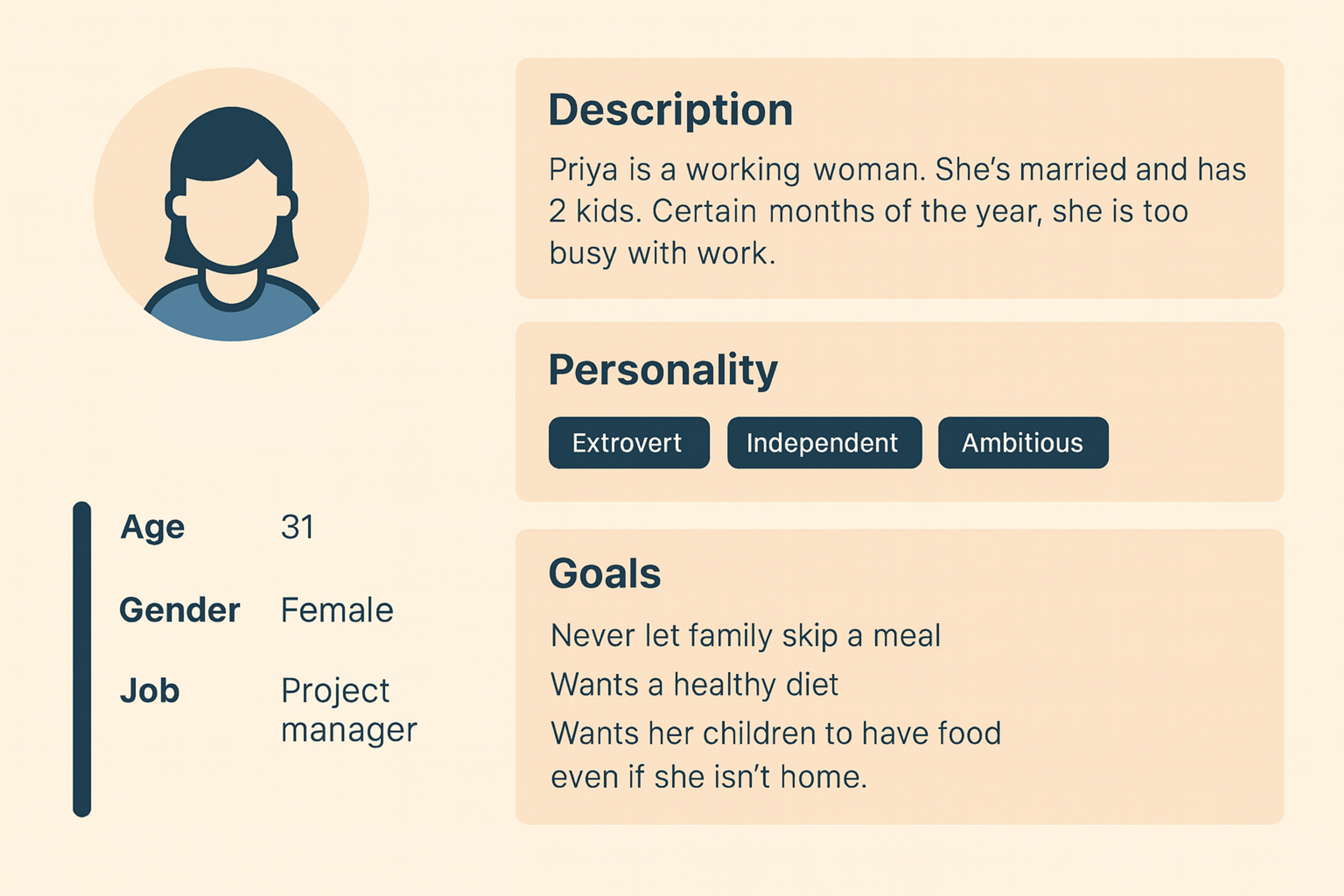
7. How Do You Develop User Personas?
Personas help designers make user-centered decisions throughout the project. But many designers create fake personas instead of research-based ones.
Real personas come from customer interviews, survey insights, behavioral analytics, or CRM data. They guide everything from tone of voice to navigation structure and content priorities.
Ask how they gather persona data. How do they validate assumptions with real users? How do they use personas to guide design decisions? Generic demographic profiles aren't enough.
User Persona Example
8. What's Your Approach to User Journey Mapping?
User journey mapping reveals how people actually interact with your website from first visit to conversion and beyond.
Strong designers map the complete journey, including touchpoints, emotions, pain points, and opportunities. Reviewing similar websites can provide valuable insights into effective user journeys and touchpoints. This mapping should inform design priorities and conversion optimization strategies.
9. How Do You Conduct Usability Testing?
Usability testing validates design decisions with real users doing real tasks. This prevents costly redesigns after launch by finding friction points early.
Ask about their testing methods. When do they test during the project? How do they find participants? How do they use feedback to improve designs?
Good testing shows whether users understand navigation, complete key actions, or get stuck at critical points. This insight helps refine the experience before development starts.
Usability Testing Steps

Technical Depth and Performance
10. Will the Website Be Responsive and Mobile-Friendly?
This isn’t optional. A responsive site adapts to screen sizes, loads quickly on phones, and works well with touch gestures. It helps ensure that users can easily interact with your content no matter what device they’re using.
Choosing the right CMS platform can also simplify the process of implementing responsive web design features, making it easier to maintain a mobile-friendly website.
Your designer should show examples of mobile optimization and explain their mobile-first design approach. This demonstrates that they prioritize user experience from the start, rather than trying to retrofit it later.
11. What's Your Approach to Website Performance Optimization?
Page speed directly affects conversion rates, SEO rankings, and user satisfaction. Even one-second delays can significantly reduce conversions.
Look for mentions of image optimization, code reduction, lazy loading, content delivery networks, and performance monitoring. They should set specific performance targets and explain how they'll reach them.
Ask about their optimization strategies and the tools they use for speed testing. Performance should be built in, not added afterward.
12. What Web Development Frameworks Do You Use?
Modern web development frameworks affect your site's performance, maintenance costs, and future growth. Different frameworks have different strengths.
They should explain their technology choices. Why do they prefer certain frameworks? How do their choices match your business needs and budget?
The site should work well today and adapt as your business grows or needs change.
Testing and Optimization Strategies
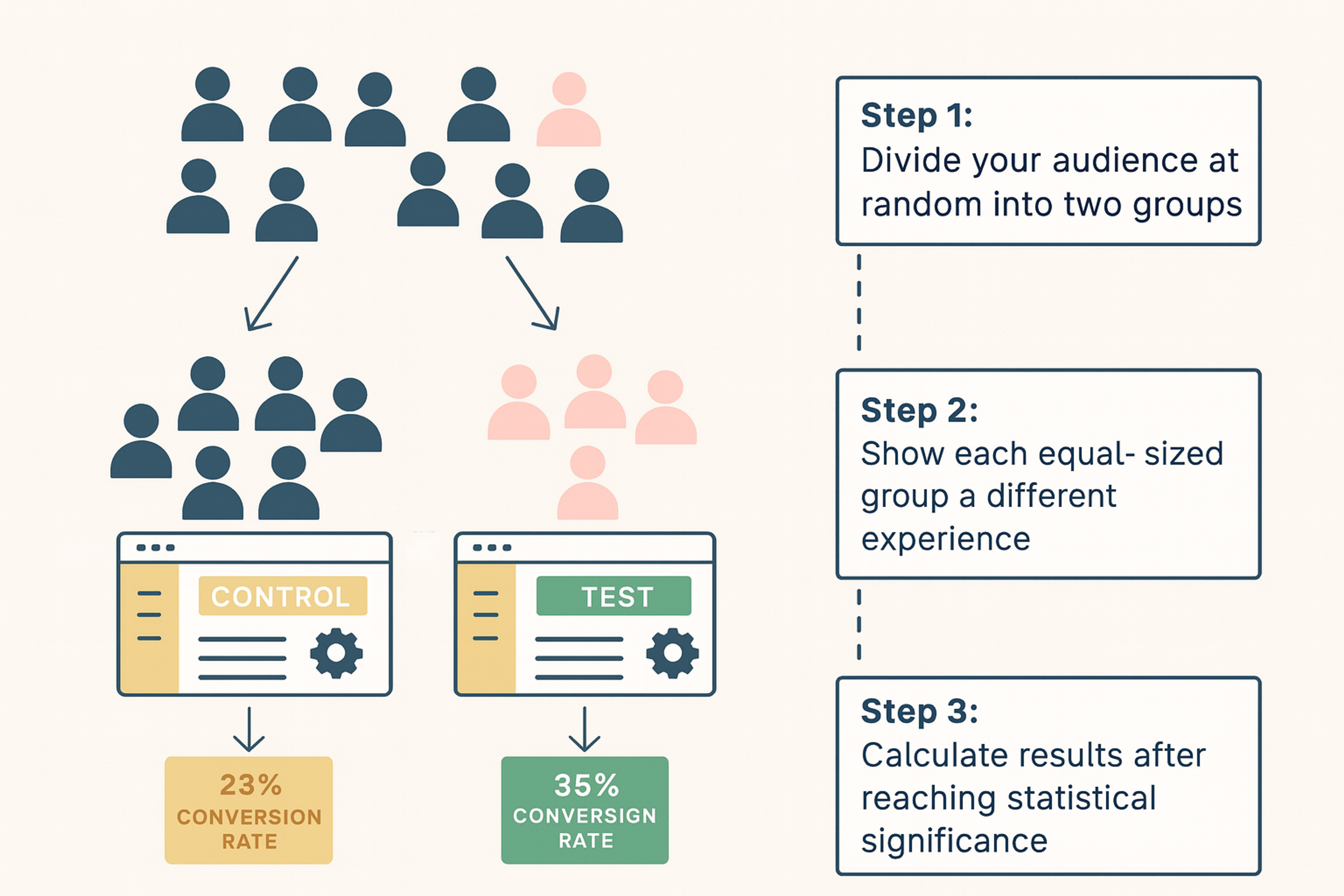
13. Do You Implement A/B Testing Strategies?
A/B testing turns website optimization from guesswork into science. It lets you test different designs, copy, and layouts to see what actually converts better.
Strong designers build testing capabilities into websites. They help you develop systematic testing programs that continuously improve performance.
They should be comfortable working with analytics tools to set up and evaluate tests. Each change should be based on real user behavior rather than opinions.
A/B Testing Strategies
14. How Do You Approach Conversion Rate Optimization?
Conversion rate optimization focuses on turning more visitors into customers. It requires understanding user psychology, analyzing behavior data, and systematically testing improvements.
Ask about their CRO experience, tools they use, and how they identify optimization opportunities. This separates designers who create pretty sites from those who drive business results.
Look for specific examples of conversion improvements they've achieved for other clients.
15. What Web Analytics Tools Do You Recommend?
Analytics provide the data needed to understand user behavior and measure website success. But many designers treat analytics as an afterthought.
Tracking user behavior on specific web pages is crucial for identifying which areas need optimization and which content, such as a blog post, is most effective.
They should discuss Google Analytics 4, heat mapping tools, user session recordings, and how they set up goal tracking and conversion measurement.
Google Analytics

Client Management and Communication
16. How Do You Manage Client Expectations?
Clear expectation management prevents project conflicts and ensures satisfaction. Many project failures stem from misaligned expectations rather than poor work.
Ask about their project scoping process. How do they handle scope changes? What are their communication protocols? How do they set realistic timelines and deliverables?
Look for structured processes that keep everyone aligned throughout the project.
17. What's Your Client Onboarding Process?
Professional onboarding sets projects up for success. It establishes clear communication, gathers necessary information, and aligns everyone on project goals.
They should have systematic onboarding that covers project goals, brand guidelines, content requirements, technical needs, and success metrics.
This process should also include collecting design requirements and branding assets to ensure all needs are addressed from the start.
18. How Do You Handle Design Iterations and Feedback?
Design is naturally iterative, but uncontrolled iterations can wreck budgets and timelines. Strong designers have structured feedback and revision processes.
They should explain their revision policies. How do they collect and prioritize feedback? How do they maintain design coherence through iterations?
Look for clear processes that keep projects moving forward while incorporating necessary changes.
Technical Requirements and Implementation
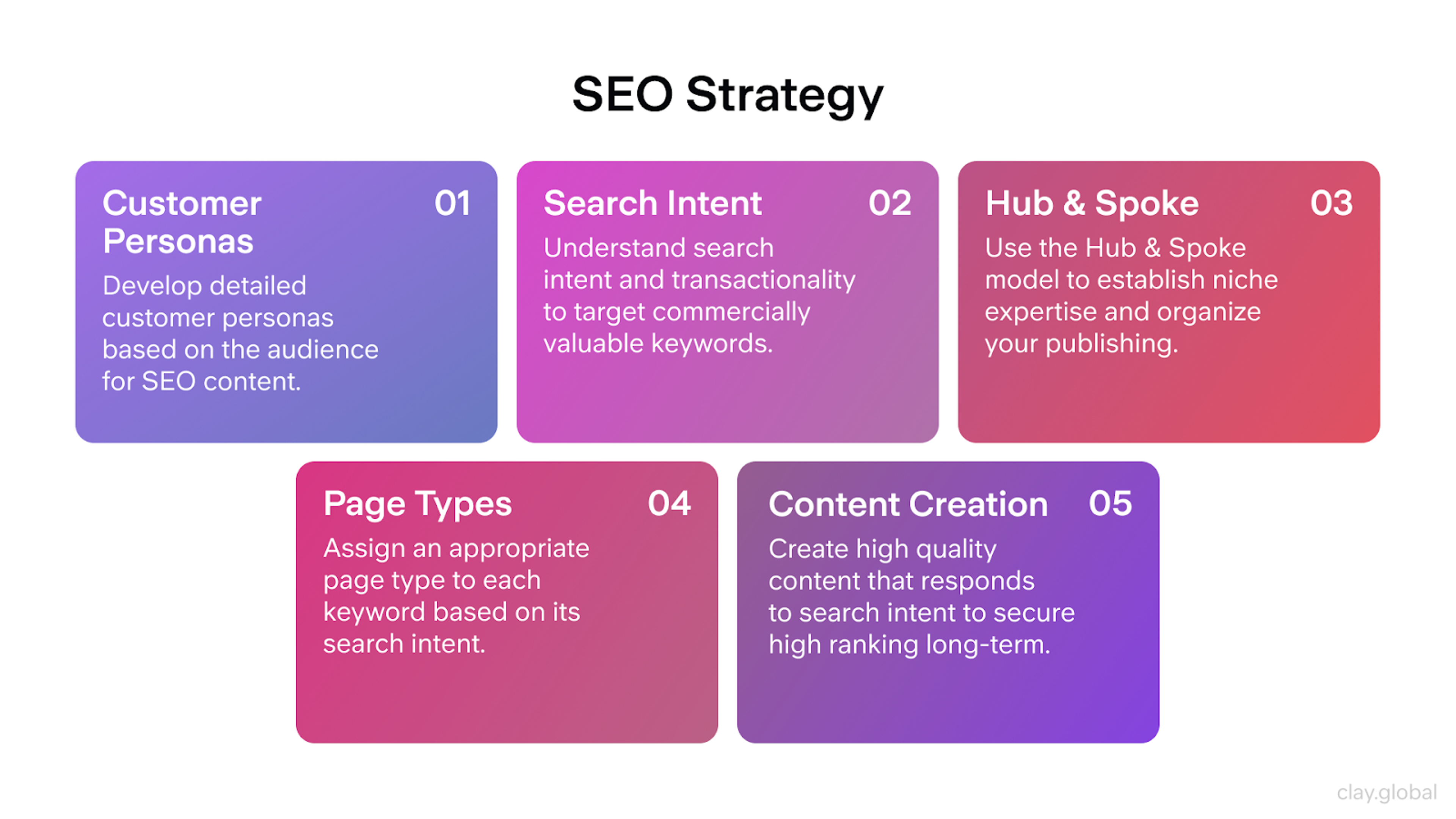
19. What's Your Approach to SEO Implementation?
SEO should be built into websites from the ground up, not added afterward. This affects site structure, content organization, technical implementation, and ongoing performance.
Look for understanding of technical SEO, content SEO, and how they ensure ongoing SEO performance. Ask about URL structure, meta tags, schema markup, page hierarchy, and internal linking.
A well-optimized site is easier for search engines to crawl and index. This helps drive consistent organic traffic.
SEO Stages by Clay
20. How Do You Optimize for Page Loading Speed?
Page speed affects user experience, conversion rates, and search rankings. Speed optimization requires technical expertise and systematic approaches. Slow-loading pages can lead to higher bounce rates and lower engagement, especially on mobile devices. For small businesses, having a fast-loading website is crucial to provide a better user experience and effectively compete with larger brands online.
Ask about specific optimization techniques they use, performance targets they set, and tools they use for speed testing and monitoring. They should mention things like image compression, lazy loading, efficient code structure, and use of tools such as Google PageSpeed Insights to measure and track performance.
Specialization and Advanced Capabilities
21. Do You Have E-commerce Design Experience?
E-commerce websites have unique requirements. These include product catalogs, shopping carts, payment processing, inventory management, and conversion optimization.
If you're selling online, ask about their e-commerce platform experience, payment gateway setup, security considerations, and conversion optimization strategies.
They should know features like abandoned cart recovery, mobile-friendly checkout flows, and integration with shipping and tax tools.
22. How Do You Approach Brand Identity Development?
Strong websites reflect and reinforce brand identity. This goes beyond using brand colors to creating cohesive experiences that communicate brand values.
Ask how they translate brand strategy into web design. How do they ensure brand consistency? How do they help strengthen brand positioning through design?
Look for designers who can explain how visual and UX choices support your brand promise and differentiate you from competitors.
Brand Identity Elements by Clay

23. What's Your Approach to Landing Page Optimization?
Landing pages serve specific marketing functions and require specialized optimization techniques. They should understand conversion psychology and testing methods.
If you run advertising campaigns, ask about landing page design experience, conversion optimization techniques, and campaign alignment strategies.
A strong designer should know how to match landing page content with ad messaging, ensure fast load times, and set up tests to maximize campaign ROI.
Project Management and Workflow
24. What Does Your Complete Process Look Like?
You want a structured process from discovery through launch and beyond. This should include clear phases, deliverables, approval points, and timelines.
Look for processes that include strategy, research, planning, design, development, testing, and post-launch support. Each phase should have specific goals and outcomes.
Avoid designers who "figure it out as they go." This often leads to scope creep, miscommunication, and delays.
25. How Do You Handle Design Handoff to Development?
Poor design-to-development handoff causes implementation problems, timeline delays, and quality issues. Strong designers have systematic handoff processes that ensure developers clearly understand design intent, functionality, and responsive behavior.
Ask about the documentation they provide, developer collaboration methods, and quality assurance during implementation. Look for mentions of tools like Figma, Zeplin, or design systems, as well as version control, regular check-ins with developers, and final QA reviews to catch discrepancies before launch. A smooth handoff is especially important to ensure your new website launches without issues.
Figma Logo

Evaluating Their Answers
Client Communication Style
Pay attention to how they communicate during your initial conversations. Are they asking thoughtful questions? Do they explain concepts clearly? Are they responsive and professional?
If you are a business owner, look for designers who communicate clearly and take the time to understand your unique business needs. Good communication during the sales process usually indicates good communication during the project.
Technical Knowledge Depth
Strong web designers today need both creative and technical skills. Their answers should demonstrate understanding of modern web technologies, not just design principles.
Be cautious of designers who can’t explain technical concepts or who dismiss technical questions as “developer problems.”
Portfolio and Results Validation
Beyond their answers, evaluate their actual work. Ask for case studies that show measurable results, not just pretty designs.
Look for specific metrics like conversion rate improvements, traffic increases, reduced bounce rates, or business growth attributed to their design work.
FAQ
How Can I Hire A Web Designer?
You can hire a web designer through freelance platforms, design agencies, or referrals. Check their portfolio, client reviews, and communication skills before making a decision to ensure they align with your project goals.
Is It Worth Paying Someone To Make A Website?
Yes, hiring a professional web designer can be worth it if you want a custom, high-quality site. A well-designed website improves user experience, boosts credibility, and can increase conversions compared to using generic templates.
How Much Do They Charge To Design A Website?
Web design costs vary widely — from $500 to over $10,000 — depending on complexity, features, and the designer’s experience. Simple sites are cheaper, while custom, feature-rich designs require a higher budget.
How To Find A Good Web Designer?
To find a good web designer, review portfolios, request client references, and discuss your project in detail. Look for designers who understand both aesthetics and usability, and who can communicate clearly throughout the process.
What Is The Difference Between A Web Designer And A Web Developer?
A web designer focuses on the visual design, layout, and user experience of a website, while a web developer writes the code that brings those designs to life. Designers work with tools like Figma or Photoshop. Developers use programming languages like HTML, CSS, and JavaScript.
Read more:
Making Your Decision
Choosing a website designer means choosing a strategic partner. They will represent your brand, guide your users, and support your business growth.
These 25 questions help you find designers who combine creative talent with strategic thinking, technical expertise, and professional project management.
The best designers don't just answer your questions. They ask better questions than you thought to ask. The right designer becomes a valuable long-term partner in your digital success.


About Clay
Clay is a UI/UX design & branding agency in San Francisco. We team up with startups and leading brands to create transformative digital experience. Clients: Facebook, Slack, Google, Amazon, Credit Karma, Zenefits, etc.
Learn moreAbout Clay
Clay is a UI/UX design & branding agency in San Francisco. We team up with startups and leading brands to create transformative digital experience. Clients: Facebook, Slack, Google, Amazon, Credit Karma, Zenefits, etc.
Learn more