
At Clay, we obsess over craft - clean UI, intuitive flows, crisp motion, which reflect a well defined brand identity. However, it's important to understand the key differences between branding and marketing. Branding vs marketing is a crucial concept: branding establishes who you are, while marketing promotes what you offer.
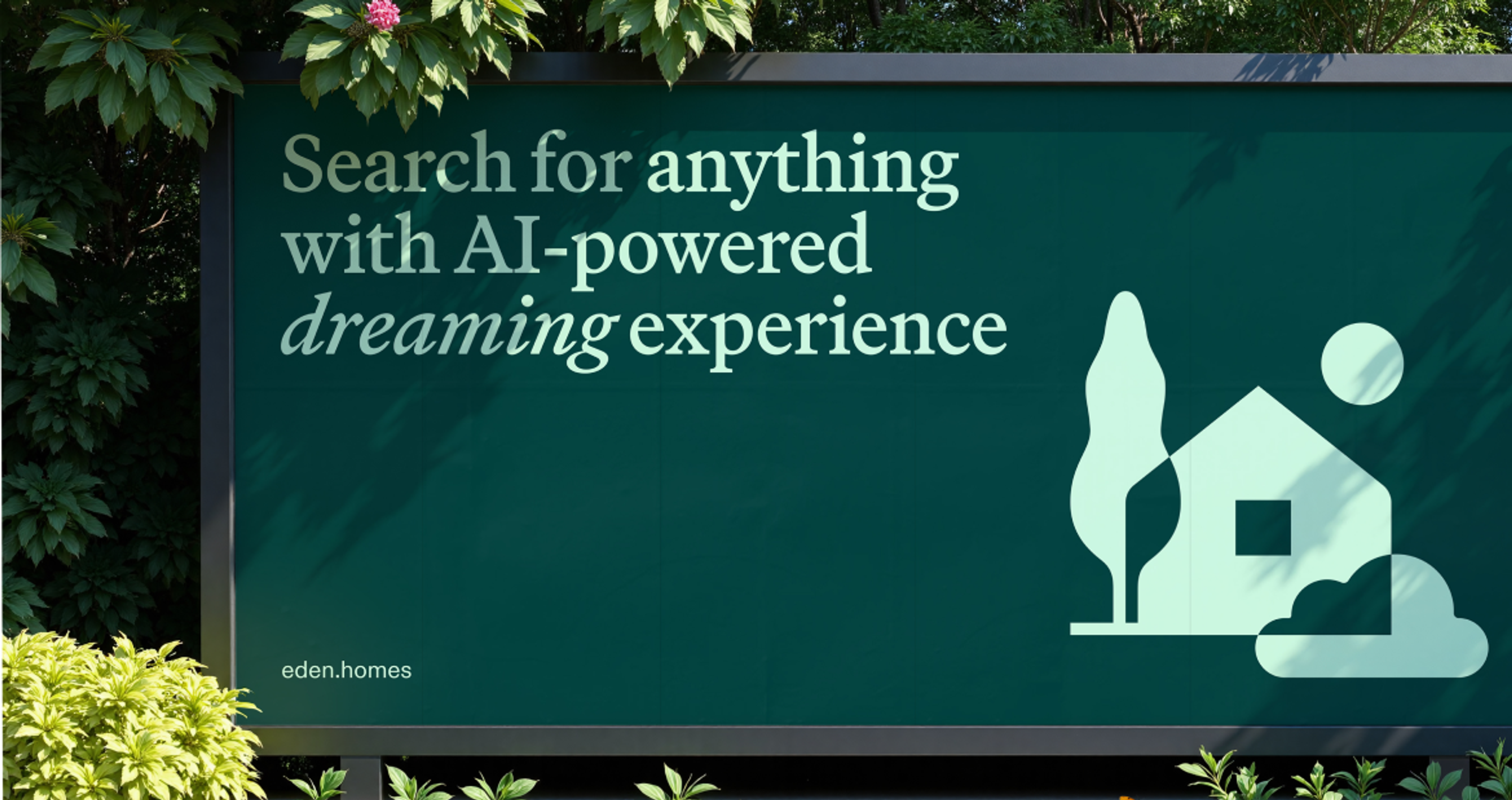
Brand Identity Elements by Clay
Brands win when meaning meets momentum: brand sets the promise and memory cues. Marketing carries that promise to the right people at the right time.
When they’re out of sync, you get leaks - clever ads without equity, or beautiful guidelines no one uses. Understanding branding vs marketing helps clarify their distinct but interconnected roles in business strategy.
You can contact an agency that will help you understand this issue.
This article shows how to make the sync deliberate. We’ll clarify roles, connect brand strategy to go-to-market, and map the customer journey to our target market so every touchpoint builds memory and every campaign moves revenue.
What Brand, Branding, and Marketing Really Mean
These three words get mixed up, impacting your brand reputation. Getting them wrong breaks everything else.
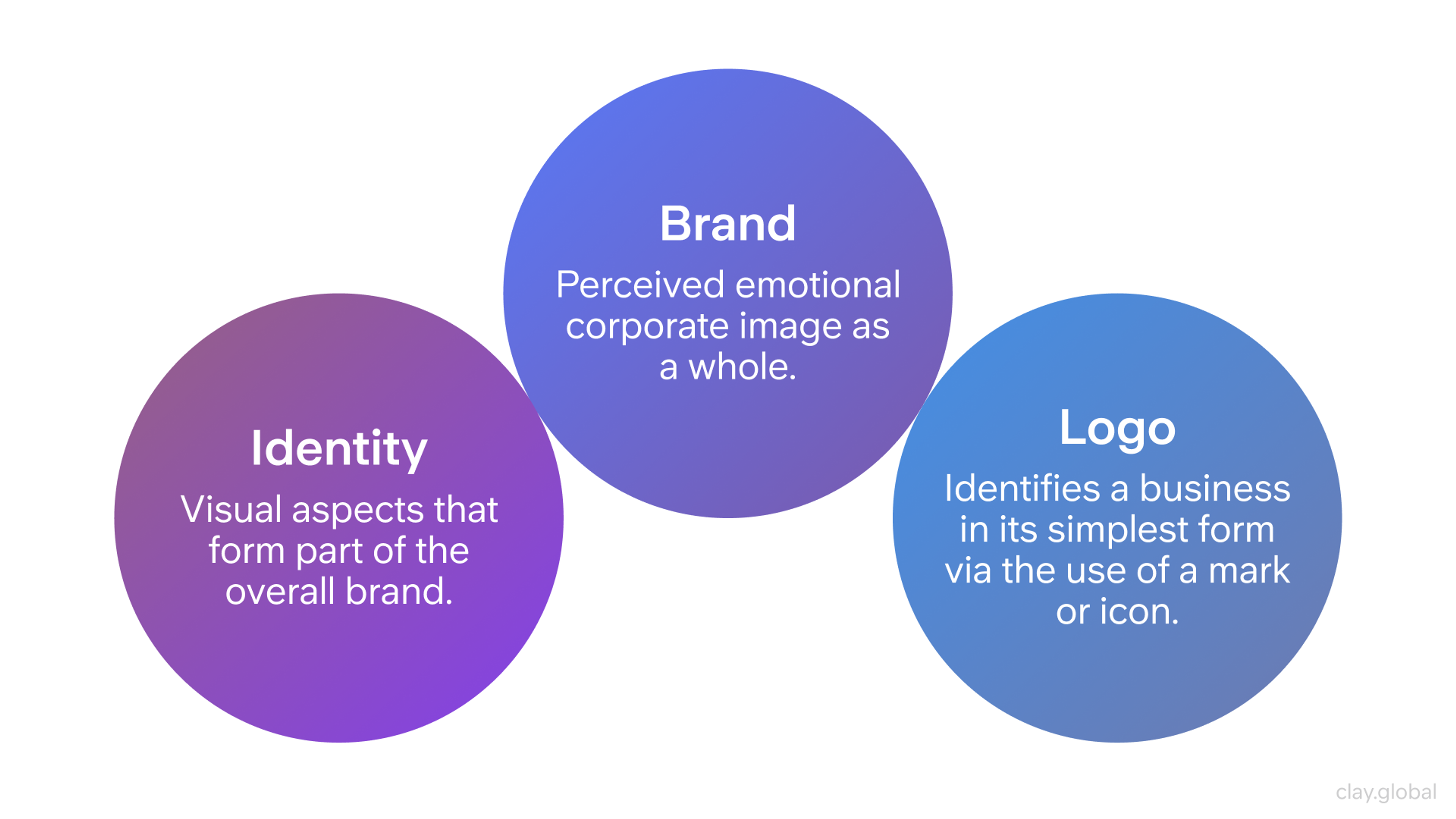
Your brand lives in people’s heads, influencing their self-improvement and perceptions of value. It’s what they think of you, your promise, reputation, and personality, and how they feel when they buy. It’s not just a logo.
It’s also about building a strong brand. It includes quality service, packaging, and public behaviour. The way customers perceive your brand forms your brand image, which shapes their perceptions and loyalty in the marketplace.
Branding shapes those thoughts on purpose. You decide who you are and what you stand for. You show up the same way every time, including your visual elements and visual identity as a core component.
That includes your position, story, visuals, and rules for consistency. A unique brand identity is what sets you apart from competitors and helps you stand out in the market.
Marketing creates, communicates, and delivers value to specific people. It spreads your brand’s meaning and turns interest into action. It does that through campaigns, content, ads, and experiences.
Think of it this way. Brand is the meaning. Branding designs and controls that meaning, focusing on important aspects such as differentiation, recognition, and trust that influence consumer behavior. Marketing shares that meaning and turns it into sales.
For us at Clay, publishing case studies on the site, slicing them for social, and some of them inserting into blog articles are all marketing activities - but they’re unified by one tone of voice and a consistent identity, so every piece builds the same brand memory.
Clay Global Case Studies

When Brand and Marketing Drift Apart
When the brand strategy is fuzzy, marketing is forced to guess. Teams default to discounts, feature dumps, and short-term hacks. Those can lift numbers today, but don’t build preference, pricing power, or trust in consumer behavior.
Without brand consistency and a consistent message across all platforms and materials, the brand can easily drift, making it harder to build recognition and loyalty.
When marketing ignores the brand, guidelines become theater. The strategy never reaches customers through advertising, so it can’t shape perception or behavior. Over time, acquisition costs rise as brand strength fades and brand performance suffers due to a lack of cohesion and impact.
Alignment fixes this. Every touchpoint does double duty: it drives action now and reinforces memory and trust for later. Campaigns echo the positioning while generating qualified demand. Customer experience proves the promise and turns buyers into advocates.
When brand and marketing move together, the opposite happens: the same story, visuals, and proof points show up in your case studies, social posts, and landing pages - performance today, brand equity tomorrow.
Building Your Brand Foundation for Marketing Success
Marketing can only be as strong as the brand foundation underneath it, which is built on core principles. Analyzing current market trends is crucial when building this foundation, as it helps ensure your brand remains relevant and competitive. Here’s how to build that foundation using effective strategies, which is essential for success in reaching your target market and attracting potential customers:
Start With Sharp Positioning
Begin with why your company exists beyond making money. Your brand purpose should connect to a larger human need or benefit to society. Your mission should define the specific change you’re trying to create. This isn't a marketing copy. It’s the foundation that guides every strategic decision.
Study your competition, but don’t just analyze features and benefits. Understand the emotional connection and space each competitor owns, the cultural meanings they represent, and the unmet needs or pain points in your market. Look for spaces where you can authentically stand apart by focusing on your unique mix of skills, values, and vision.
Turn this analysis into sharp positioning that defines who you serve, what category you compete in, your main benefit, and your proof points. Your positioning should be different enough to matter, believable enough to trust, and strong enough to defend over time.
Build Real Brand Culture and Values
Your external brand promise must match your internal brand culture, and this alignment is crucial for effective public relations.
Define the unique identity, values, and behaviours that will deliver on your brand promise consistently, fostering a genuine connection. These aren’t wishful statements. They’re the cultural practices that shape how your team makes decisions, treats customers, and represents your company.
Brand authenticity comes from alignment between what you say and what you do. If you promise simplicity, your internal processes should be simple. If you promise innovation, your team should have time and resources for creative thinking. If you promise transparency, your communication should be honest even when it’s difficult.
This internal alignment becomes a competitive advantage because it creates consistent customer experiences that competitors struggle to copy. Customers can sense when a brand promise is real versus when it’s just marketing talk.
Create Brand Architecture That Grows With You
Brand architecture explains how your products, services, and sub-brands relate to your main brand. It matters as you grow, launch new products or services, or serve new segments.
A branded house uses one brand for everything. Think Google with Gmail, Maps, and Drive. It builds strong recognition and saves money, but it’s harder to serve very different audiences.
A house of brands creates separate brands for each offer. Think Procter & Gamble with Tide, Crest, and Pampers. It targets segments precisely, but each brand needs its own budget and awareness.
Many teams choose a hybrid. Think Apple with iPhone, iPad, and MacBook. The main brand leads, while product brands add focus.
Pick an architecture based on your customers, competitors, and growth plan. Set clear rules for when and how to extend your brand into new areas.
Develop a Story That Connects
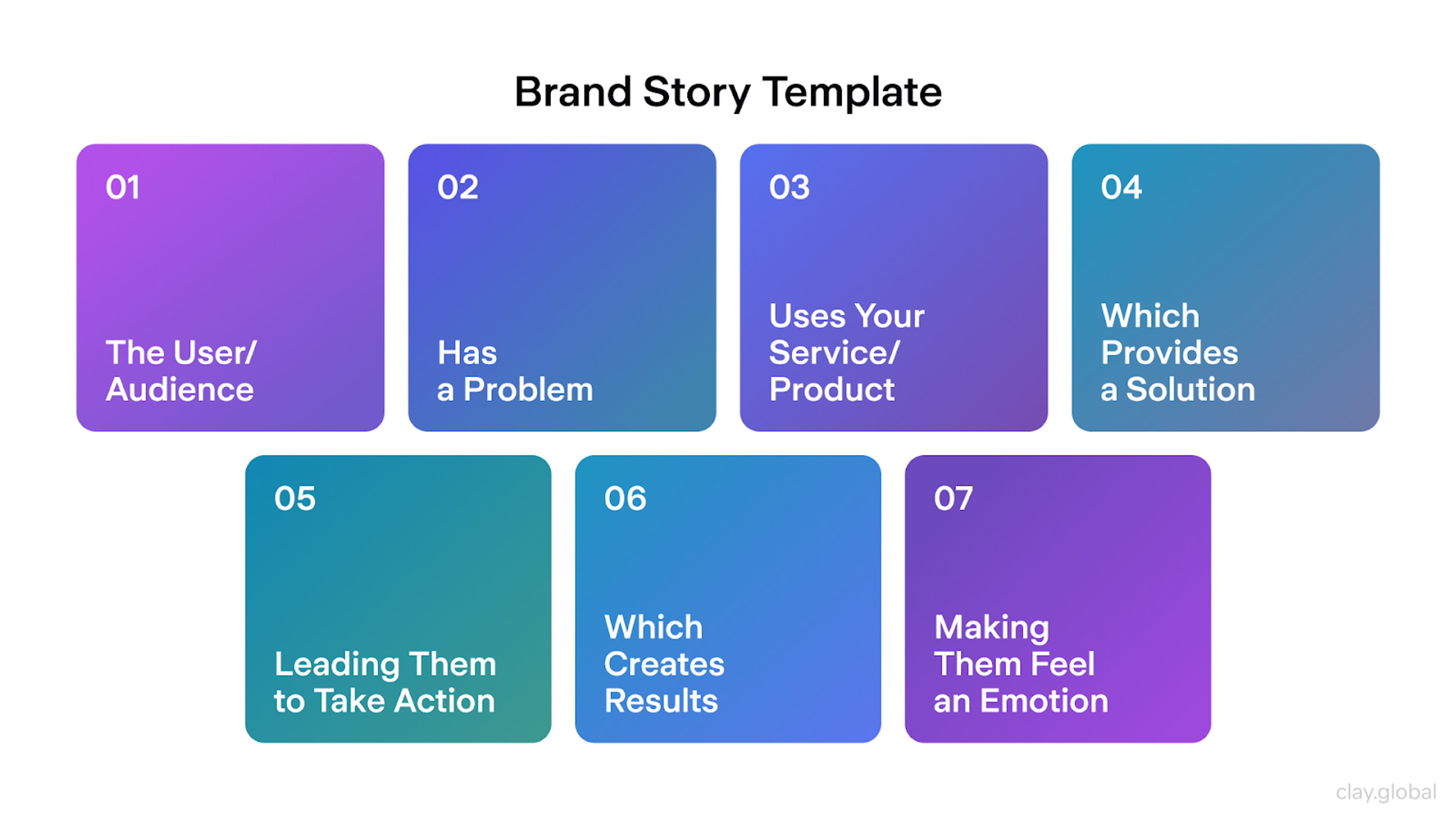
Tell a brand story that connects emotionally and supports logic. Use a clear arc: your customer’s world, their problems, a better future, and your unique way to get there. Make sure to define what your brand stands for in the market, highlighting your unique position relative to competitors.
This is not an ad copy. It’s the core story that shapes all messages. It should scale to any length and audience while keeping the same heart.
Turn the story into a simple messaging system. Start with one main value statement. Add a few key benefits and proof points for each. This keeps campaigns on-message while giving teams room to adapt by channel.
Brand Story Template by Clay
Design Identity Systems That Build Recognition
Your visual and verbal identity is not decoration. It’s a system for recognition and memory. Your visual identity - comprising consistent colors, fonts, images, patterns, and a cohesive color scheme - helps people spot your brand fast. A clear voice, tone, and language make it easier to trust and remember.
Focus on building systems, not just pretty pictures. Create a living style guide with templates, examples, and simple rules. In our Streetbeat project - branding for an AI-powered investment platform - we delivered core brand assets, including the app icon, and strong guidelines to keep every touchpoint consistent. The result is a modern identity that supports the product experience.
Streetbeat Design Identity System
Make sure your visual system works at any size and in any context, from a billboard to an app icon, and includes a cohesive color palette and color scheme. Your voice should feel like the same personality on your site, in support emails, and on social media.
Test your distinctive elements often. Can people identify your brand from the creative alone, without a logo? If not, strengthen your brand codes so they build recognition over time.
Turning Brand Into Marketing That Works
Once your brand foundation is solid, here’s how to turn it into a good marketing campaign that drives results: Marketing strategies are essential for building awareness, driving sales, and increasing sales.
By integrating various marketing approaches, you can ensure your campaigns not only reach your target audience but also drive sales and support your business growth.
Product Marketing Connects Brand to Sales
Product marketing links your big brand promise to specific product benefits. It explains the “why now” for each solution, builds competitive positioning, creates messages that sales teams actually use in real conversations, and helps generate leads by attracting and engaging potential customers.
How you define your competitive space matters hugely here. The category you choose determines what buyers compare you to, which sets how much they’ll pay. Instead of fighting on features in an existing category, smart companies create new categories where they’re the obvious winner.
A clear bridge from promise to product makes selling easier. For Marqeta, we refreshed the digital brand and rebuilt the marketing site around a product-focused narrative with 3D and interactive moments - giving growth and sales a single source of truth.
Marqeta 3D and Interactive Moments
Content Strategy Makes Your Story Come Alive
Content is where your brand story breathes and your message system proves its worth. Match content marketing types to where customers are in their journey:
Problem awareness content builds relevance with your target audience. This could be industry reports, trend studies, educational content, or organic content that helps people understand challenges they might not fully see yet.
Solution explanation content earns consideration by connecting problems to approaches. This includes how to guide, compare content, and frameworks that position your category and approach.
Proof content unlocks evaluation with case studies, demos, free trials, and testimonials that show real results from real customers.
Success content drives adoption and word of mouth through onboarding help, best practices, and customer story sharing.
Pick channels where your audience already looks for answers. Search engines, online communities, newsletters, video platforms, email marketing, events. Adapt your format to fit each channel while keeping your message and look consistent.
Performance Marketing That Builds Memory
Performance marketing and brand building aren’t enemies. They work together when you do them right. Use your distinctive brand elements in paid campaigns: recognizable colors, shapes, taglines, and visual cues. Keep your headline language aligned with your message system.
Don’t choose between brand building and performance marketing. Create performance marketing that strengthens brand memory over time. This means using consistent creative codes, keeping your brand voice in ad copy, and designing campaigns that work today and stick in memory tomorrow.
Performance marketing tactics include advertising campaigns, retargeting campaigns, pay per click, print advertisements, and marketing campaigns. Test different versions of your creative, but protect your brand codes. You can optimize headlines, calls to action, and targeting while keeping the visual and verbal elements that make you recognizable.
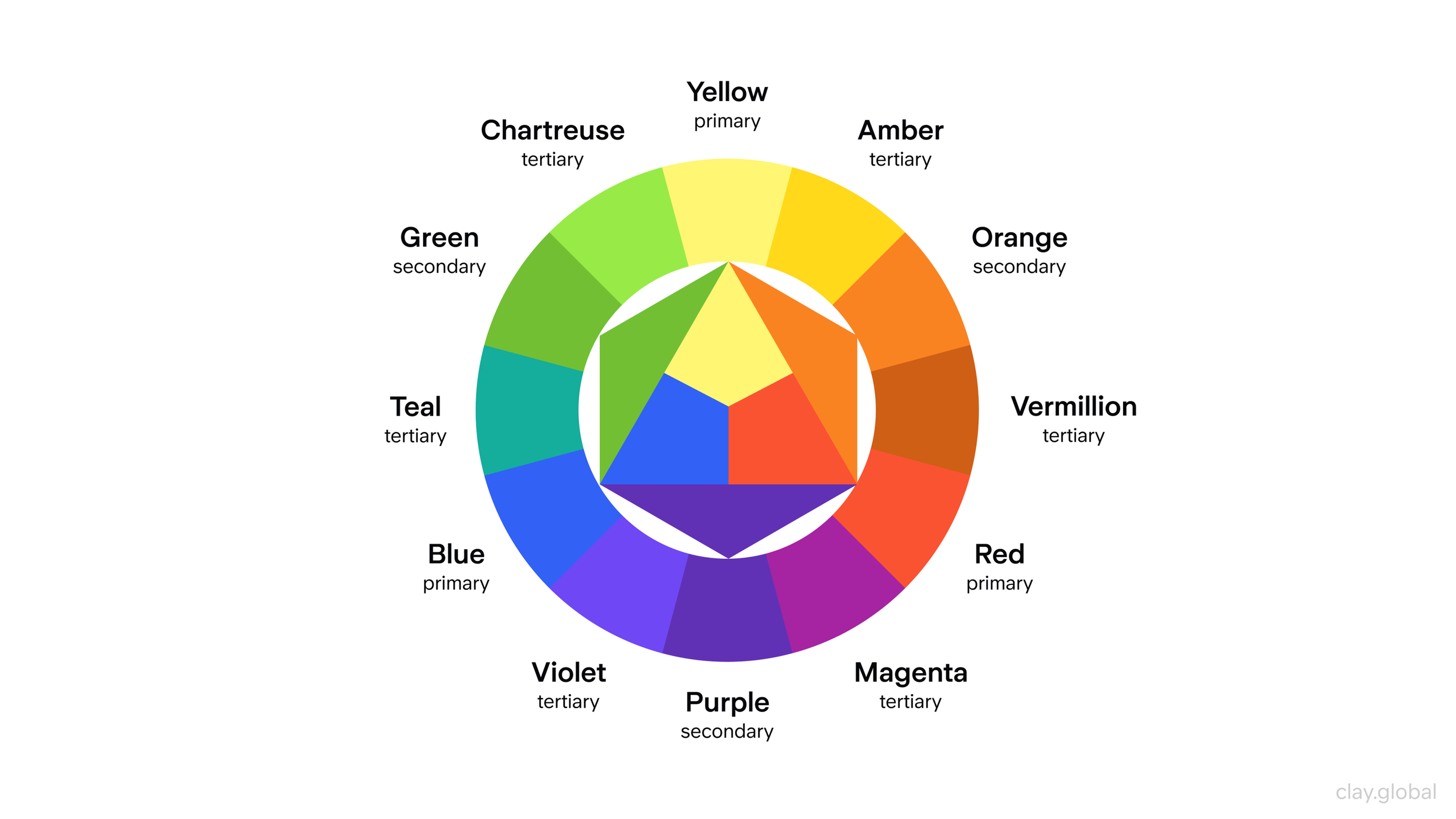
Color Wheel Illustration by Clay
The Customer Journey Shows Where Integration Happens
The customer journey is where brand strategy meets real behaviour. Integration at each stage involves aligning branding efforts with the company's marketing efforts to ensure a consistent message and experience.
The goal is not only to guide customers but also to build emotional connections that foster loyalty and trust. Measuring the effectiveness of this integration requires tracking brand performance to evaluate how well these strategies resonate with customers and stand out against competitors. Here’s how integration works at each stage:
Awareness
Your brand supplies the memory codes and story frame that make you memorable and relevant. Marketing ensures you reach the right audience, including social media users, often enough to build awareness and create mental availability.
When someone faces a problem you solve, your brand should be the first one they think of. This takes consistent messaging across channels, such as social media posts, and distinctive elements that build recognition over time.
Consideration
Your brand provides category framing and benefit pillars that set you apart from alternatives. Marketing delivers comparison content, audience specific landing pages, and follow up sequences that address real objections - whether customers are considering your products or services.
Your brand positioning shapes how you compare against alternatives. Your message system provides the structure for comparison content. Your identity system makes all touch points feel connected, including social media marketing.
Conversion
Your brand ensures the buying experience feels true to your brand promise. It should be clear, trustworthy, and match the expectations you’ve set. Marketing optimizes forms, pricing display, and calls to action for maximum conversion, focusing on turning potential customers into actual customers, without using tricks that break trust.
Your brand values guide conversion optimization. If you promise simplicity, your signup process should be simple. If you promise transparency, your pricing should be clear and upfront.
Adoption and Advocacy
Your brand defines the ideal customer experience and ensures product, support, and community interactions reflect your brand voice and values, including effective social media marketing.
Marketing runs lifecycle campaigns, shares product updates, and creates referral programs that celebrate customer success, including collaborations with social media influencers.
After purchase experience is where your brand promise either gets fulfilled or broken, especially if supported by effective marketing materials. Every support interaction, product update, and community touch point should reinforce brand loyalty and why customers chose you, with exceptional customer service being a key driver of customer advocacy.
Organizing Teams That Work Together
Structure your teams to collaborate, not compete. Here’s how:
When planning, focus on developing strategies for collaboration that align with your overall marketing goals. This ensures that each team works together effectively, leveraging both traditional and modern approaches for maximum impact.
Create Shared Planning
Start every major project with a joint brief that includes brand, product marketing, growth marketing, and creative teams. The brief should cover your marketing strategy, business goal and success measures, target audience and key insights, brand story angle for this project, core message and supporting proof points, creative guidelines and must-have elements, distribution plan and channel strategy, plus measurement approach and learning goals.
Keep Regular Alignment
Run weekly check-ins to solve execution problems and resolve conflicts quickly. Hold monthly reviews to assess the company's marketing efforts, campaign performance, refine messaging, and update guidelines based on market feedback.
Keep one source of truth for brand assets, approved messaging, and campaign templates. This stops teams from recreating the same work and ensures consistency across projects.
Use Product Marketing as the Bridge
Product marketing sits between brand strategy and demand generation. They translate broad brand positioning into specific product messaging, competitive differentiation, and sales support. When possible, include product marketing in both brand planning and marketing execution to keep positioning and proof aligned.
FAQ
How Is Branding A Function Of Marketing?
Branding defines identity, voice, and perception, while marketing uses those elements to attract and convert customers.
Is Branding Part Of Marketing?
Yes. Branding is a core component of marketing, shaping how messages are delivered and remembered.
What Are The 7 Functions Of Marketing?
The seven are promotion, selling, product/service management, pricing, distribution, financing, and market research.
Can You Have A Brand Without Marketing?
No. A brand needs marketing to communicate value, build recognition, and reach its audience.
What Are The Four Functions Of Branding?
Branding creates recognition, builds trust, differentiates from competitors, and supports customer loyalty.
Read more:
Conclusion
When they move in lockstep, every touchpoint becomes easier to recognize, every message hits faster, and every dollar works harder. Build the system, fuel the engine, and let compounding memory do what hacks can’t: create demand on purpose.


About Clay
Clay is a UI/UX design & branding agency in San Francisco. We team up with startups and leading brands to create transformative digital experience. Clients: Facebook, Slack, Google, Amazon, Credit Karma, Zenefits, etc.
Learn moreAbout Clay
Clay is a UI/UX design & branding agency in San Francisco. We team up with startups and leading brands to create transformative digital experience. Clients: Facebook, Slack, Google, Amazon, Credit Karma, Zenefits, etc.
Learn more