
Most purpose lines die in a slide deck. They get workshopped, approved, printed on a wall, and then ignored the first time a revenue target wobbles.
Brand purpose is a company's reason for being beyond making money. It explains why a brand exists at all, beyond just what it sells. Long-term loyalty rests on shared belief, and belief is the one thing a rival can't copy by cutting prices.
Brands that stand for something grow value more than twice as fast as brands with weaker positioning.
Purpose-driven brands attract lower-risk investment and higher employee engagement for the same reason. Investors and employees both bet on predictability, and a clear sense of what a company refuses to do delivers it.
A clear brand purpose also survives leadership changes because a strong sense of direction outlasts the person who wrote it down.
Brand purpose case studies show more than how the sentence was written. They show the routes companies take to make it real. The best brand purpose statement examples, along with what each company built to support them, give you a menu of those routes.
Key Takeaways
- Purpose answers why you exist. Mission answers how you work. Vision answers where you are going.
- A line counts as real only when you can point to a decision, a policy, or a cost it caused.
- Short beats poetic. Fifteen words is the ceiling, and three words can be enough.
- The proof can be anything, including a returns policy, a partnership, even an advert, as long as it costs something.
- Aspiration without proof reads as wishful thinking, and audiences can feel it.
1. Adobe
Purpose: “Empower everyone to create”
It’s one of the shortest examples of brand purpose statements, and it argues that creativity is a default part of the human spirit.
How it works in practice: Take their advertising campaigns. They are among the plainest examples of the genre, and they carry no features, no price, and no reason to buy anything. Anyone who looks up is invited into creative exploration.
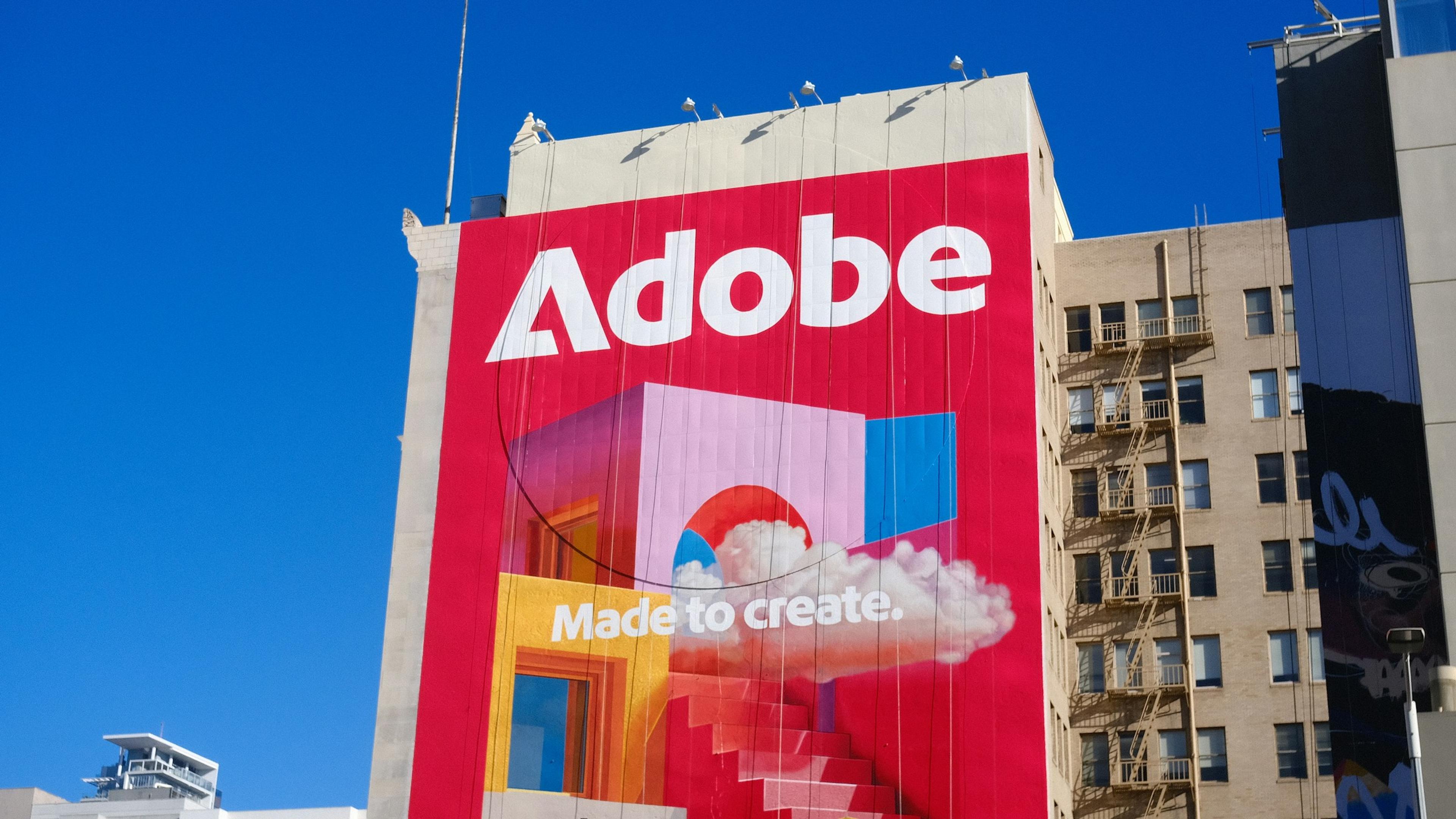
Purpose-driven initiatives follow identical logic. They cost real money, return no leads, and are judged on nothing but whether they happened, which helps bring inspiration and makes their brand purpose marketing credible.
2. Mozilla
Purpose: “Ensure the Internet is a global public resource, open and accessible to all”
Mozilla treats the world's information as public infrastructure that should stay universally accessible.
How it works in practice: MozFest is a good demonstration, with a room full of people who care about the open web and inspiring innovations.

Their sessions connect people and treat the world's information as something to be argued over in public, to keep it out of any single owner's hands, and to leave an online world that still belongs to nobody for future generations.
That commitment shows in everything from company culture to the ownership structure.
3. Coursera
Purpose: “Transform lives through learning”
Coursera aims to create more learner stories about people who changed careers or entered new fields.
How it works in practice: Easy access on any device, including a phone, a laptop, and a tablet, is a simple example.
Photo by Zulfugar Karimov on Unsplash
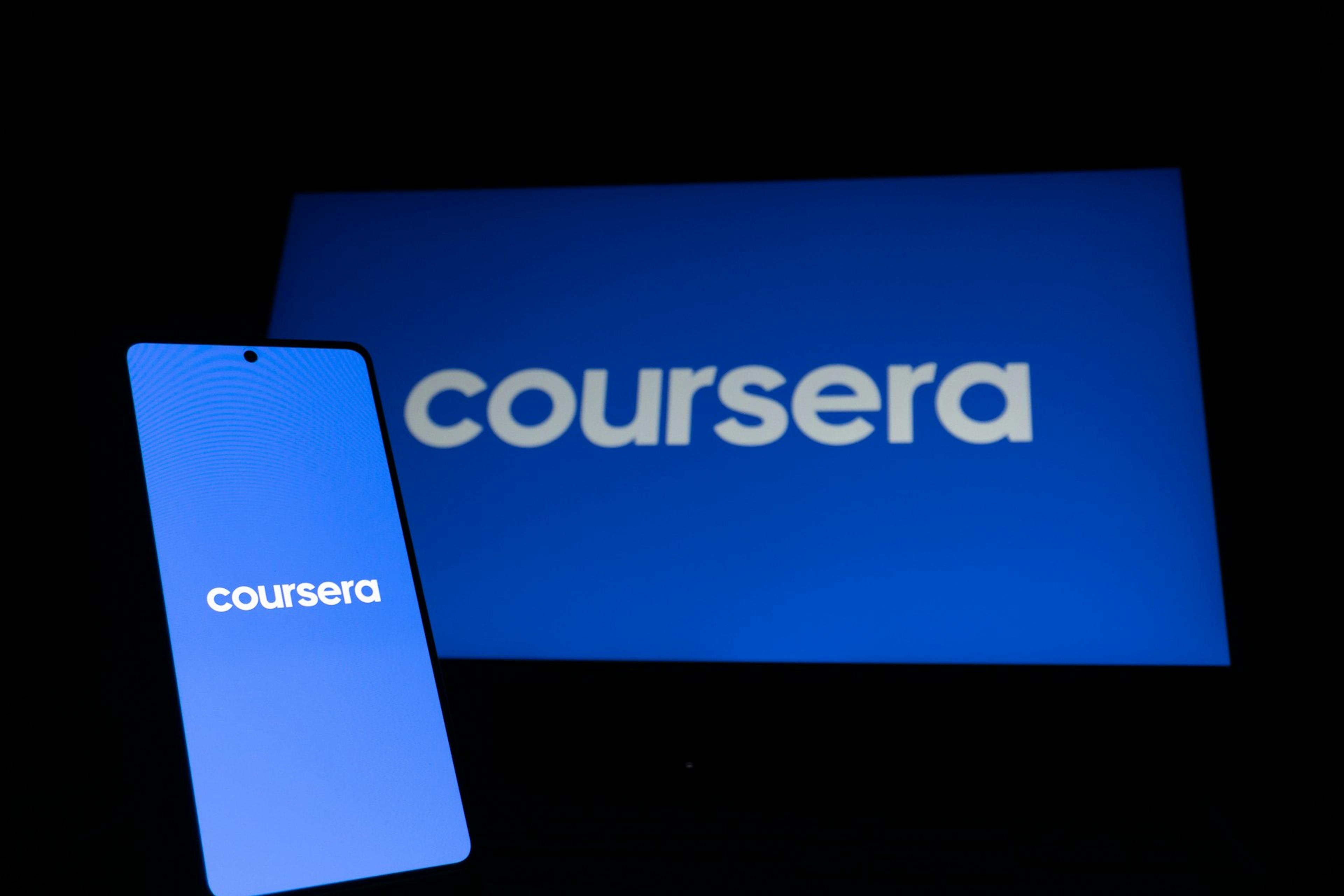
None of that counts as innovative solutions on its own, yet it lets a diverse range of learners study and dive into creative exploration from anywhere, without disrupting everyday life.
The ambition of making education universally accessible makes large changes possible, whether that is a first qualification, a career switch, or new business goals. That is what makes Coursera a customer-centric company in the plainest sense.
4. Aesop
Purpose: “Elevate the experience of living by enriching the senses, self and surrounds”
A company's brand purpose here is for every customer moment to feel better than the one before.
How it works in practice: The stores are a clear example, since they are the surroundings the sentence promises to enrich. No two are alike, because each is designed with local architects.
Photo by Declan Sun on Unsplash
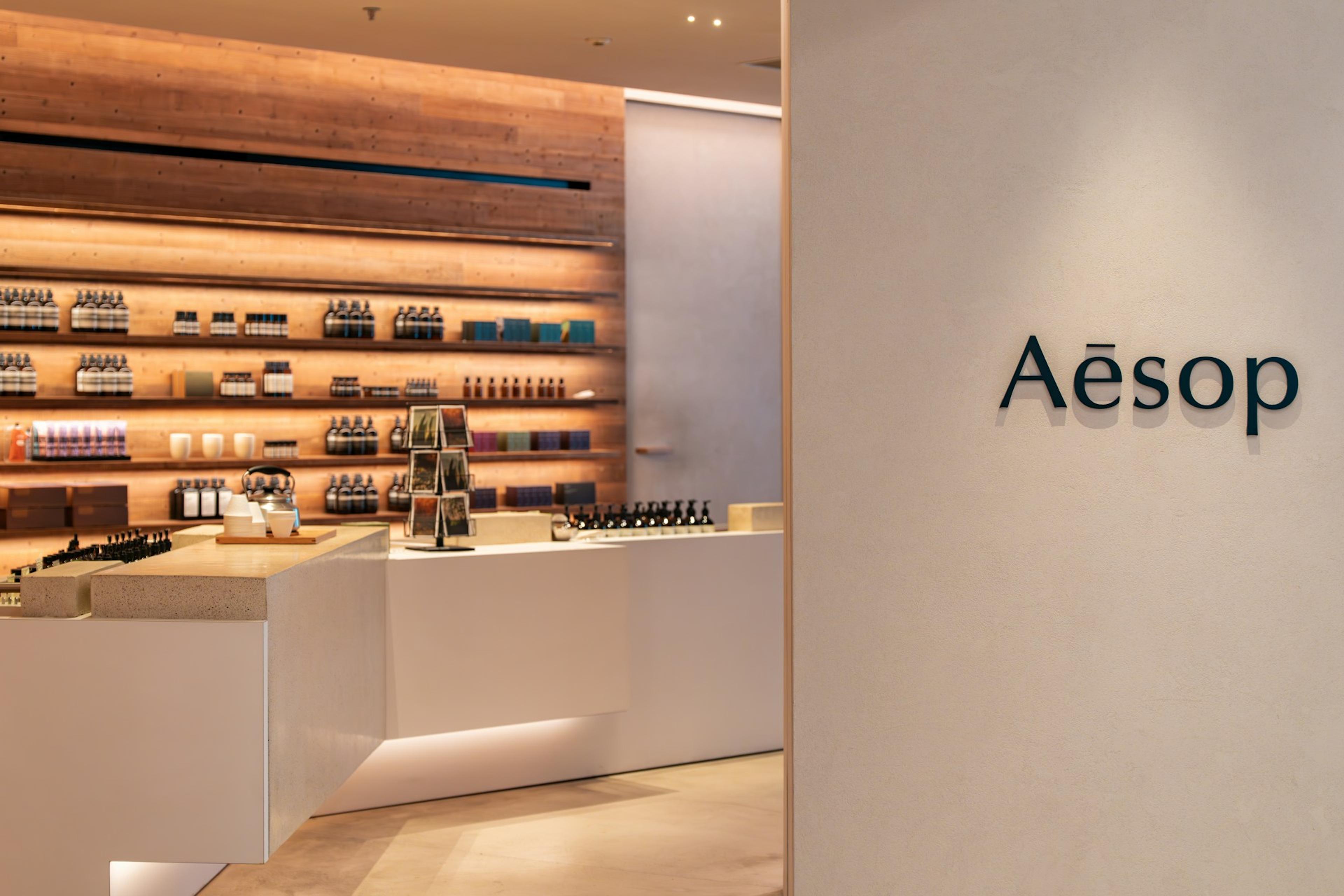
This brand's mission and vision are impossible to copy. Such authentic brands are rare in today's world, where most skincare is sold against somebody's self-esteem.
Most companies answer that with a bigger promise. Aesop builds a room, and the brand experience carries the message alongside just what it sells.
5. Subway
Purpose: “Help everyone be their best, every day”
Better health for every customer is what the company's mission statement talks about.
How it works in practice: The menu experiments are a good example, and vegetable toppings are one of them, since a balanced diet is not complete without vegetables.
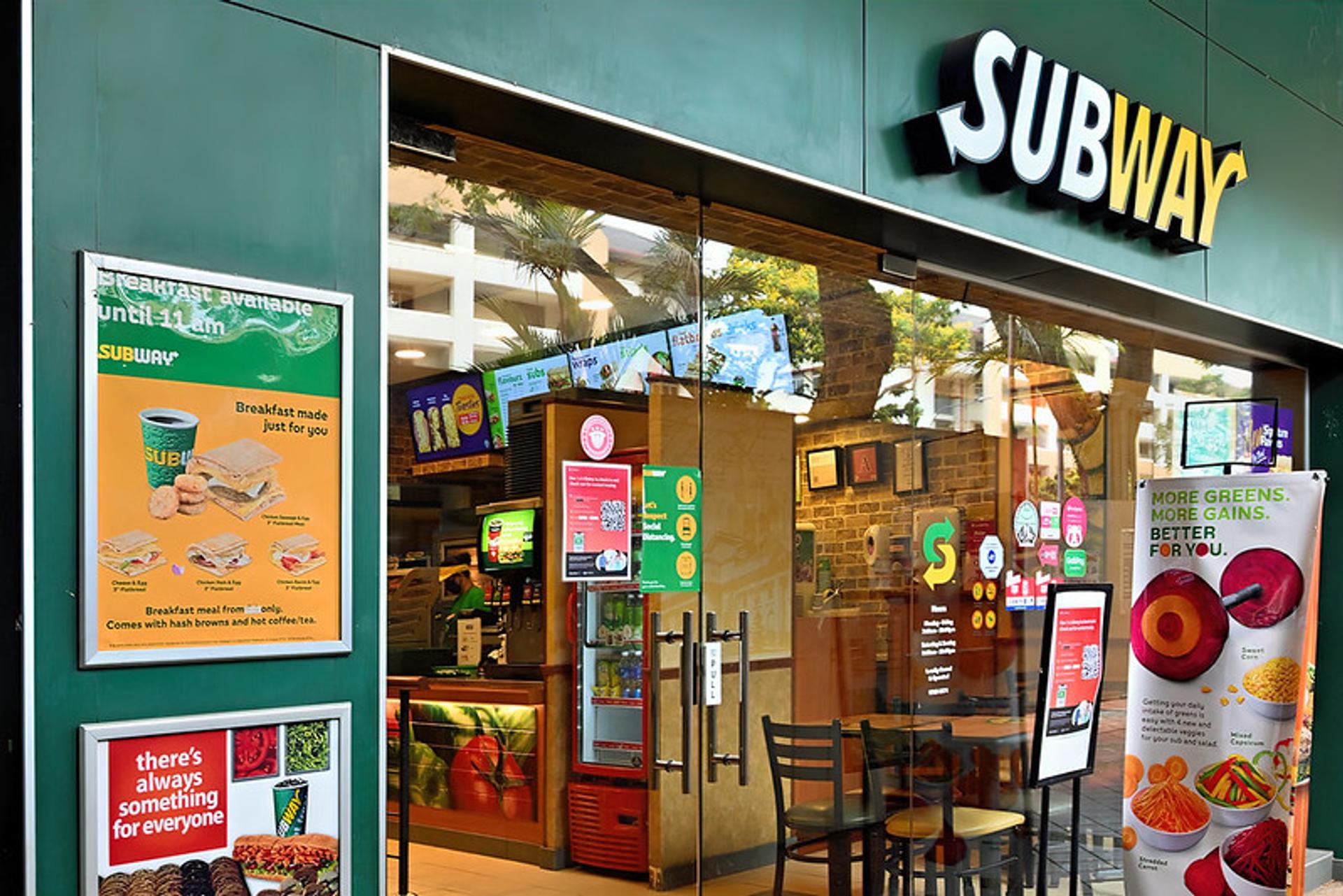
While critics still point to processed ingredients moving through Subway's supply chain, the menu remains a healthier option than those of other fast-food brands.
6. PalmPalm
Purpose: “We are here to help keep you and the ones you love safe”
Trinity Packaging Supply brought PalmPalm to market during COVID-19, with the purpose of inspiring everyone to protect not only themselves, but their loved ones. So in our own work for a client, hygiene products had to feel desirable enough that people would carry them through everyday life.
How it works in practice: Designs that evoke a cool SoCal vibe and appear everywhere from labels to advertising campaigns are a good demonstration.
PalmPalm branding by Clay Global
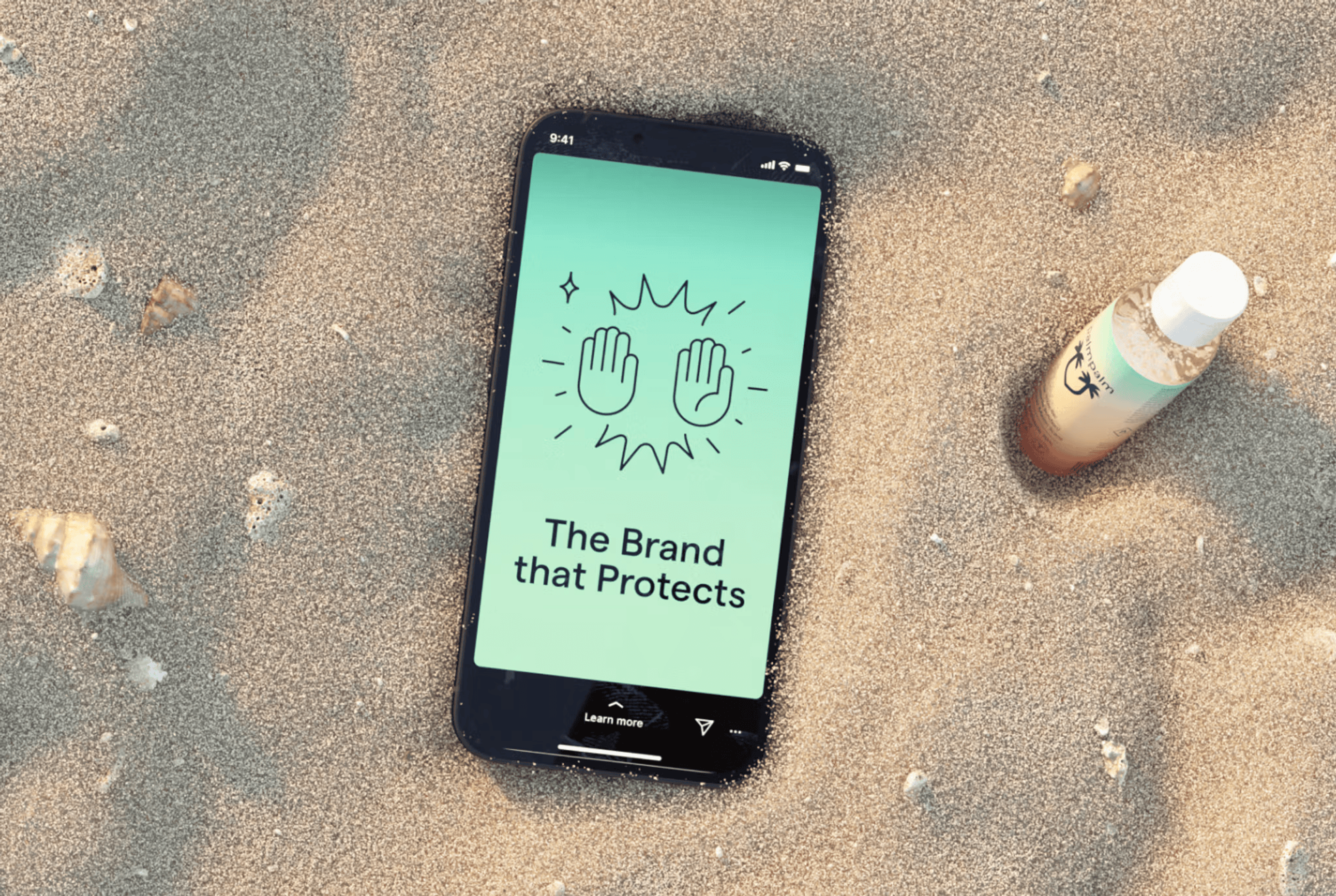
Fear would have sold the hygiene products too, and might even have helped with making money faster.
But the client's goals pointed toward socially conscious businesses that put care first. So the business needs were met through a positive relationship with health, one that used aesthetics to inspire better choices.
A purpose works better when the brand around it holds together. Clay Global builds brand identities, from strategy to guidelines that keep everything consistent. Learn more about what we do.
7. WordPress
Purpose: “Provide the opportunity for anyone to create and share”
Anyone with something worth saying should be able to get it online, which is what the purpose exists to serve.
How it works in practice: A WordCamp is the best example, an event where freelancers, agency teams, shop owners, and career developers end up in the same room looking for what to try next.
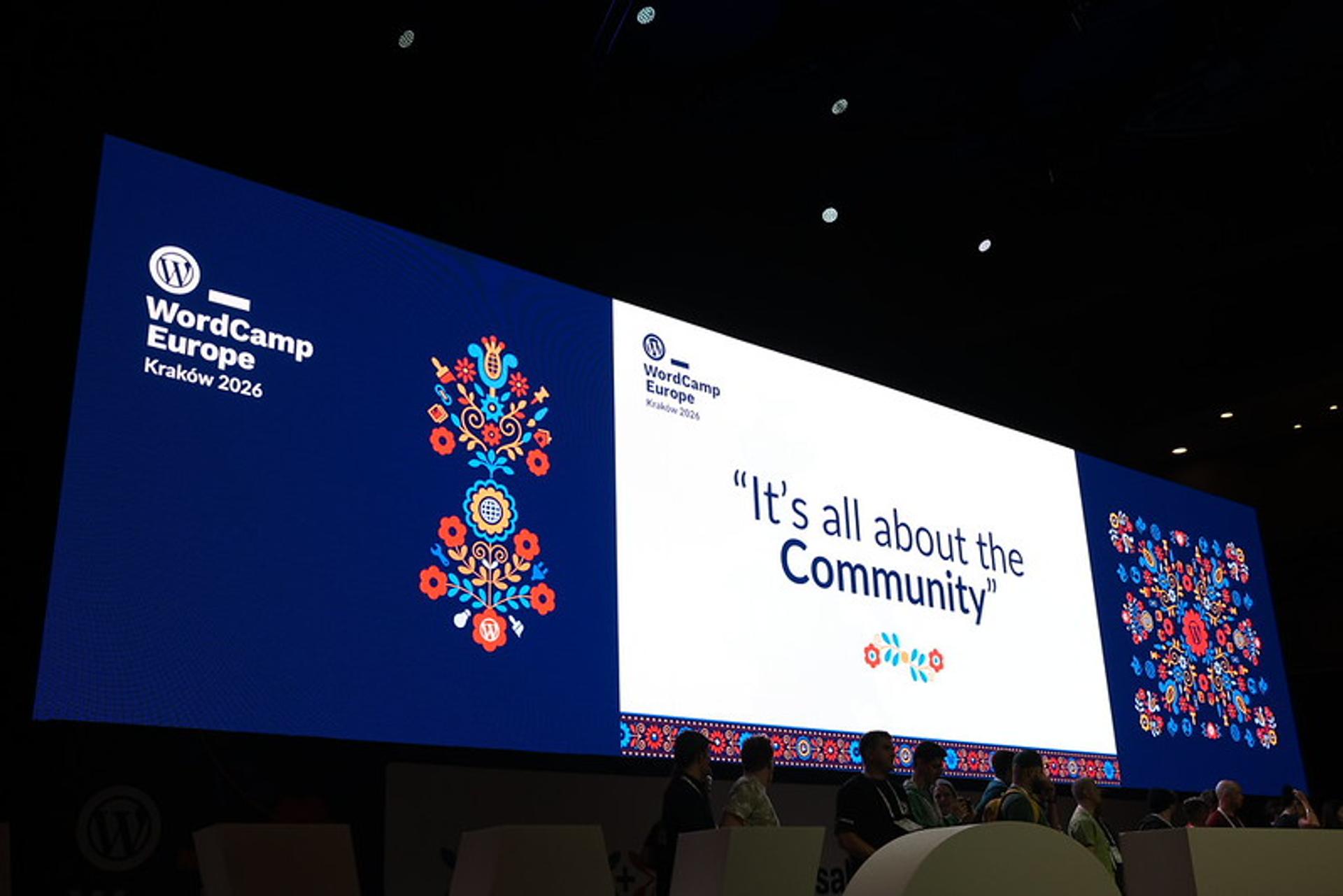
As one of the purpose-driven initiatives, the camp works at a global scale and gives more people room to create and share, which is one more way to connect people.
Unlike most conferences, you don’t need a big company behind you to dig deep into the WordPress community, which is a real competitive advantage and a brand value purpose it can actually enforce.
8. Surfshark
Purpose: “A free, open, and secure internet is the essence of our cause”
Framing privacy as a cause is their clear brand purpose.
How it works in practice: Their VPN app itself is a simple example. It runs on Windows, Mac, iOS, Android, and more, so whatever device you own, you stay in charge of your own data.
Photo by appshunter.io on Unsplash
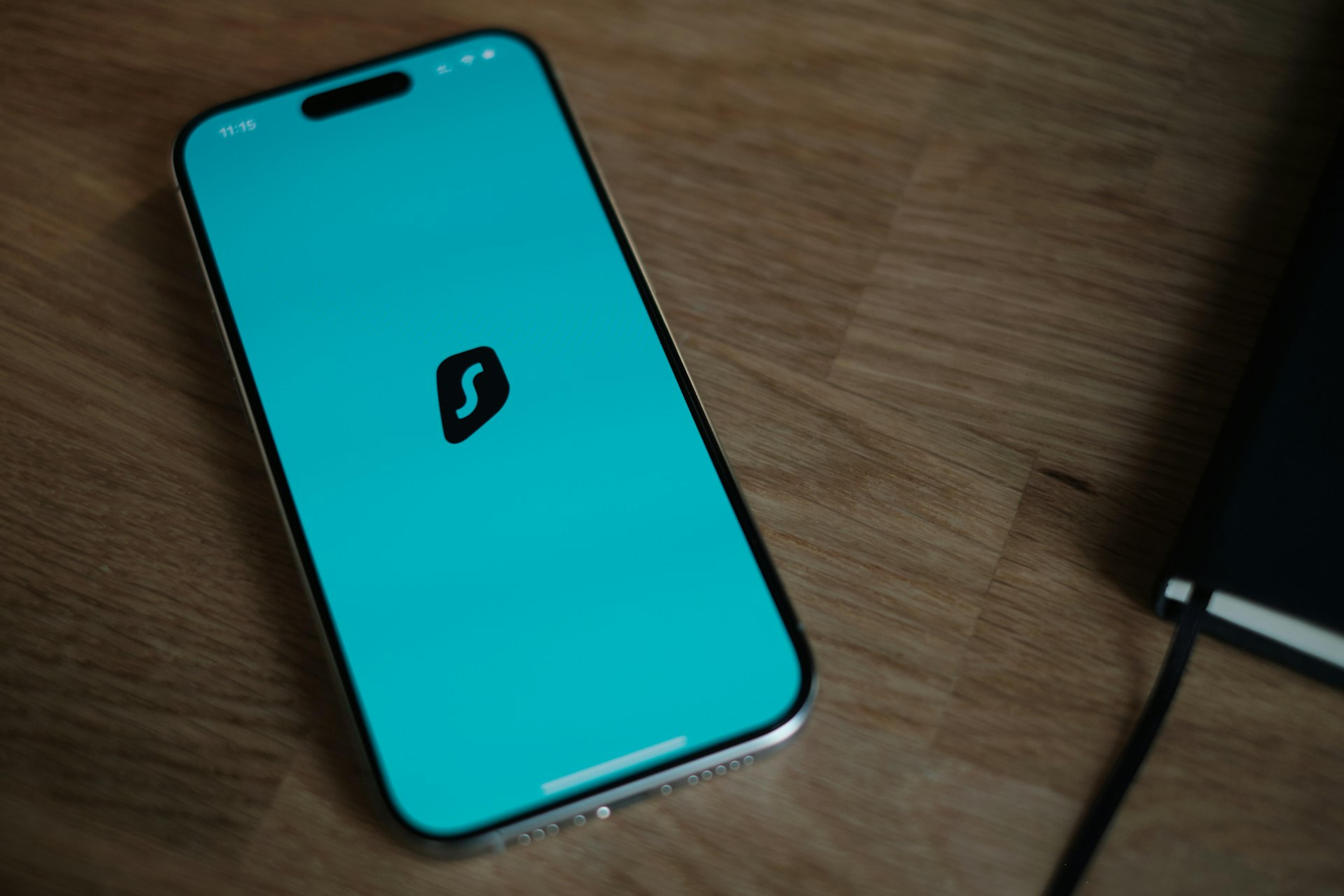
That wide availability is how a brand strategy built on an open, inclusive internet future-proofs itself, since every extra platform is one more contribution to a safer web.
And more than 40 million downloads suggest that the position lines up with the personal values of a lot of people, which is what makes it worth holding through the customer experience.
9. Red Bull
Purpose: “Giving wiiings to people and ideas”
Their purpose is about extending capability and the human spirit, so a drinks company puts its money behind athletes and inventors.
How it works in practice: Racing sponsorship is one of the examples, and it runs from Formula One down to local circuits.
Photo by Johann Noby on Unsplash

Those sponsorships bring inspiration to the people watching and the people driving, which is what the purpose asks for.
Seeing somebody pull off something that looked impossible gives you the self-confidence to think it might be within reach.
10. Adidas
Purpose: “Through sport, we have the power to change lives”
A company's brand purpose reaches beyond marketing into how the business is run, who it chooses to work with, what gets designed, and who ends up on a team.
How it works in practice: Sponsoring inclusive sport is a clear example, and the brand has backed adaptive athletes for well over a decade.
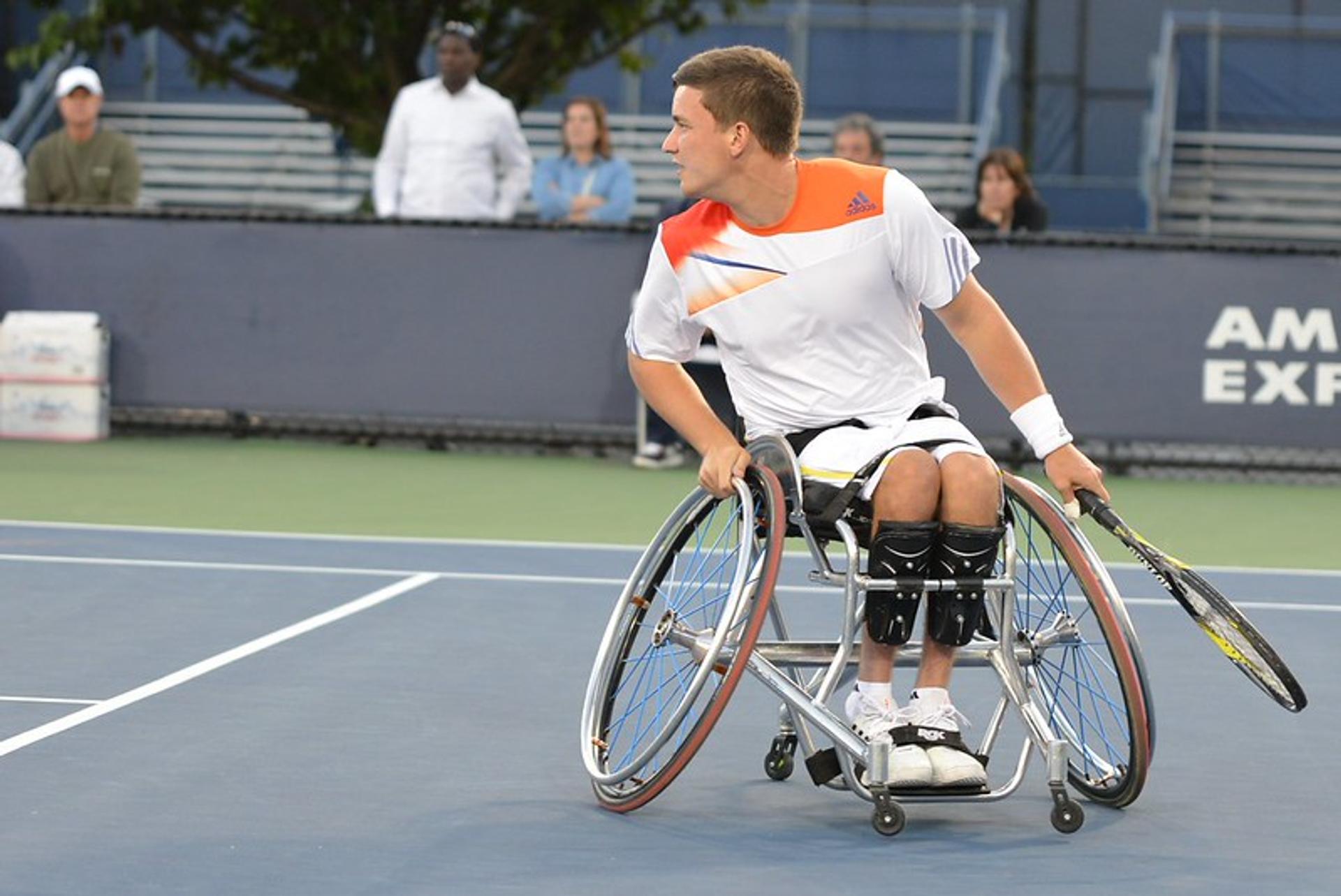
Serving athletes of every kind is how the values align with real life and make real changes toward a better world for us and future generations.
11. Bentley
Purpose: “To advance the boundaries of excellence”
As one of the most recognizable names to offer a luxury brand purpose example, Bentley actually does it.
Photo by Yannic Alexander on Unsplash

Nothing ordinary is allowed to settle, and the experience keeps changing, because hand skill, inspiring innovation, and sustainable solutions all have to move together.
How it works in practice: Take the cabin as one example. The materials are still shaped by hand, they sit alongside technology that didn’t exist a decade ago, and no material gets in without a verified source behind it. Each generation pushes that a little further.
12. Glossier
Purpose: “Make beauty accessible and uncomplicated”
For a century, beauty marketing campaigns have profited from low self-confidence. As a customer-centric company, Glossier claims that real beauty already exists in the customer, so it should be accessible and uncomplicated.
How it works in practice: The packaging shows the company's focus in full. Every name carries a plain description underneath it, so the label tells you what the thing does, which spares your self-esteem the unnecessary harm most of the category inflicts.
Photo by Reuben Mansell on Unsplash

Type stays lowercase and small, which keeps the tone closer to a friend who values your real beauty.
An emotional connection built that way is hard to unpick, and brand perception ends up shaped in a bathroom.
13. Patagonia
Purpose: “We're in business to save our home planet”
It's a strong clothing brand purpose example worth a closer look, and the bluntest line on this list.
How it works in practice: The Responsibili-Tee line is a simple example. Every shirt in it is made from recycled polyester and recycled cotton, cutting water use and CO₂ compared to a conventional tee.
Photo by Hendrik Morkel on Unsplash
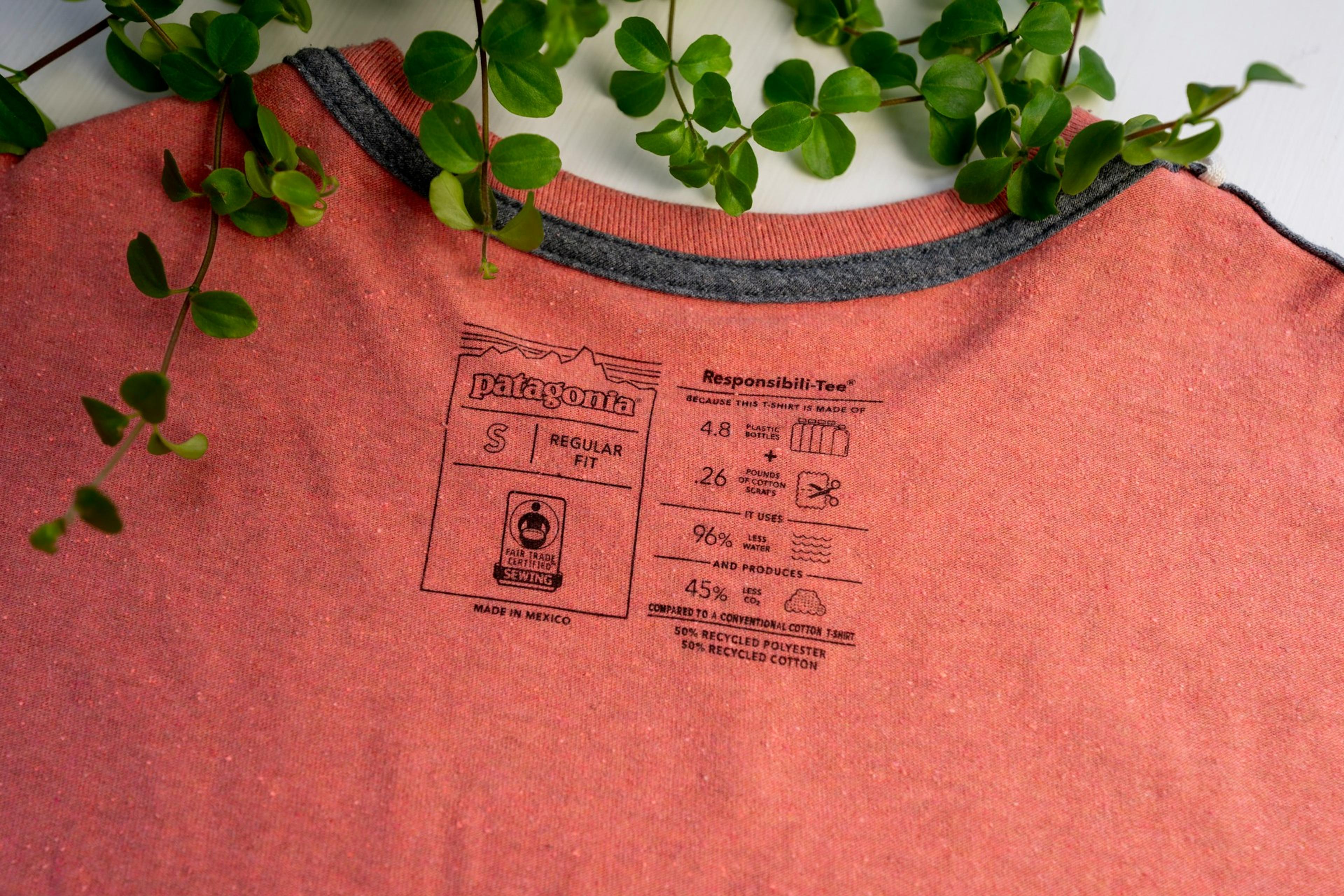
And as one of the most socially conscious businesses around, Patagonia has a particular cause behind the line. It aims to cause less unnecessary harm to our planet and offer more sustainable solutions toward a better world.
14. Samsung
Purpose: “To devote our talent and technology to a better global society”
Their purpose statement captures a broad ambition, wide enough to cover almost anything the company builds.
How it works in practice: Working with the American Foundation for the Blind is one example of the company's focus. The partnership runs on testing with disabled users, demonstrations of how each device actually behaves, and training for the staff who answer customer questions.
Galaxy Z Fold 4 Photo by Jonas Leupe on Unsplash

That work has gone into special innovative solutions across the Galaxy Z Fold series, the Galaxy Note 10, the Galaxy S20 and the Galaxy S10, plus the Q7 televisions, so that people with a diverse range of disabilities can use them.
The competitive advantage and the business goals come second to the chance to improve accessibility features and future-proof what good technology means for the world's consumers.
A better global society gets built in decisions like these.
15. Interos
Purpose: “To help organizations see risk before it becomes disruption”
Interos is one of our clients and a rare b2b brand purpose example.
The whole promise is in spotting trouble early, because by the time a supply chain breaks, the factories have already stopped.
How it works in practice: A billboard mounted to an office building is a clear example, showing blue cranes above stacked containers under the line “The ultimate operational resilience solution”.
Interos Brand Identity by Clay Global

The design and the purpose turn on the same verb, since the software makes risk visible on a screen and the identity makes it visible in public.
Purpose-driven brands in enterprise categories are rare because the market rewards feature lists and punishes anything resembling a belief.
Business strategy here is written around the downside, and the key stakeholders think the same way. Risk at global scale is shared, and the buyers who care have usually lived through a disruption.
In a room of dashboards that all claim to see everything, a container port is what lets this business stand apart.
Order professional branding services from Clay Global. With 10 years of experience, we turn a purpose into an identity teams can actually adopt. Let's talk.
Read more
FAQs
What is a brand purpose statement, in one sentence?
It's a short declaration of the change a company wants to create, written so it can be used to accept or reject real decisions.
A working purpose statement captures a refusal before an ambition, which is why the useful drafts come out of a real argument. Most fail on the first attempt, because the room reaches for inspiration.
A good one covers everything from employee engagement to what the company will refuse, and it reads slightly uncomfortably out loud.
What is the difference between purpose, mission, and vision statements?
Purpose covers why the organization exists, in a single line that should outlast every plan built on top of it.
A company's mission statement covers the work you do to move toward it. Getting that order right is most of the battle, since the reverse produces documents that sound important and change nothing.
A brand's mission and vision belong underneath the deeper answer, one layer down, and both should stay there once the hierarchy is settled. Only then does a vision statement earn its place.
Can a company have one without a social or environmental cause?
Yes, and pretending otherwise generates most of the fake material in the market.
Access, dignity, safety, and craft are legitimate territories. Backing a particular cause unconnected to your operations reads as an apology, and buyers read it that way too.
Where personal values in the founding team point at something the company already does well, the answer needs no invention.
What is the relationship between values and purpose?
Values describe behavior and answer how people should act.
They earn their place only when they constrain something specific, like a hiring bar or a supplier rule.
A tidy list of brand values nobody can enforce is decoration, which is why so few value sets change a decision anybody remembers. Where values align with a position the company already defends, the two reinforce each other.
What is purpose washing and how do audiences spot it?
It's the distance between what a company says and what it does, and people detect it by asking whether the claim costs anything.
If a business campaigns on sustainability while its packaging and sourcing stay untouched, the inconsistency surfaces fast, and brand perception pays for it.
Evidence is searchable and permanent, so marketing campaigns that run ahead of operations create a debt somebody eventually pays.
Which buyers find brand purpose important?
Younger and wealthier buyers care most, but the more useful split is by risk.
Anyone making a decision they will have to defend later treats it as a shortcut, so enterprise committees and cautious households behave the same way.
Brand purpose marketing aimed at everybody reaches nobody in particular.
An emotional connection forms fastest with people who already had a reason to look, and a positive relationship with other stakeholders, such as suppliers and candidates, builds from the same evidence.
Does brand purpose matter to B2B buyers?
From fintech companies to logistics operators, enterprise buyers care about risk, and a company that stands for something reads as a safer bet.
Committees find brand purpose important for an unsentimental reason, which is that it predicts behavior under pressure.
Business strategy that swings every quarter is a procurement risk, and key stakeholders on a buying panel are paid to notice.
Serving a client's goals is simpler when both sides know what you refuse, and business needs that conflict with the position will surface at the roadmap stage.
Do you need an agency to define brand purpose?
Not always, though branding agencies earn their fee in two situations.
One is when nobody inside has time to run the interviews and properly read a decade of decisions.
The other is when the founders are too close to see which of their habits is actually the answer.
Whoever runs the process, the founders still have to sign off, because an outside team can't decide what a company will refuse.
Does any of this actually change what people buy?
It moves preference more than a single transaction.
Brand experience does the work, and price still decides most purchases.
A settled position widens consideration, raises tolerance for premium pricing, and buys forgiveness after a mistake, all of which show up in retention.
Customer experience is where the effect accumulates, since every interaction either confirms the claim or quietly withdraws it. The pattern holds across all fifteen names above, a slow return on an early cost.
Can you borrow a brand purpose example from an existing brand?
Borrow the mechanism, never the wording.
A sentence lifted from another company arrives without the spending that made it believable, so it reads as decoration from the first day.
Look at what the company paid for to make its claim checkable, then find the equivalent in your own operation.
Final Thoughts
Three lessons carry across all fifteen.
Write the purpose so it can be checked, since every brand here can point to something a customer can see. Put the proof where people already are, whether that is a shop, a label, a screen, or a shirt. And keep paying for it, because the examples that convince are the ones still running years after the launch.
Defining purpose is mostly a decision about money, and a company's reason for being becomes visible in that choice. Authentic brands are the ones whose choice you can still see today, which is why the world's consumers rarely need the wording explained.


About Clay
Clay is a UI/UX design & branding agency in San Francisco. We team up with startups and leading brands to create transformative digital experience. Clients: Facebook, Slack, Google, Amazon, Credit Karma, Zenefits, etc.
Learn moreAbout Clay
Clay is a UI/UX design & branding agency in San Francisco. We team up with startups and leading brands to create transformative digital experience. Clients: Facebook, Slack, Google, Amazon, Credit Karma, Zenefits, etc.
Learn more