

Paid ads can bring a customer in once. Getting someone to come back without a discount, an ad, or a reminder is one of the hardest problems a brand faces.
These eight customer engagement examples show how top brands earn the second visit, the tenth, and the hundredth.
A single campaign can spark interest. Engagement keeps that interest alive after the campaign ends.
Customer engagement refers to the meaningful, repeated interactions people choose to have with a brand over time. A clear brand strategy gives those interactions a consistent purpose across channels.
People who come back on their own build stronger customer relationships, share more useful feedback, and support business growth without the cost of winning them over again. That's what makes customer engagement important.
Engaging customers well tends to turn buyers into advocates. Treat each case as a pattern to adapt, since no single tactic fits every business.
Key Takeaways
- Strong customer engagement starts with real value delivered again and again. Rewards and visuals amplify that value.
- Effective customer engagement strategies tie every tactic to a measurable business outcome.
- The right mechanic depends on your business model. Habit loops suit daily-use products, tiered perks suit recurring purchases, and communities suit shared goals.
- Digital and offline touchpoints work best as one connected system.
- Branding and UX work together. A recognizable brand identity sets expectations, while a usable experience makes participation easier.
8 Customer Engagement Examples From Top Brands
Duolingo
Customer engagement strategy: Turning daily learning into a habit.
Duolingo uses gamification to turn language learning into a daily habit. Streaks track consecutive days of learning, while daily goals, XP, instant feedback on every answer, and a visible path through each unit make progress feel achievable.
Duolingo Section 9, When You're Legendary at Every Level! by slgckgc, CC BY 2.0 (layout modified)
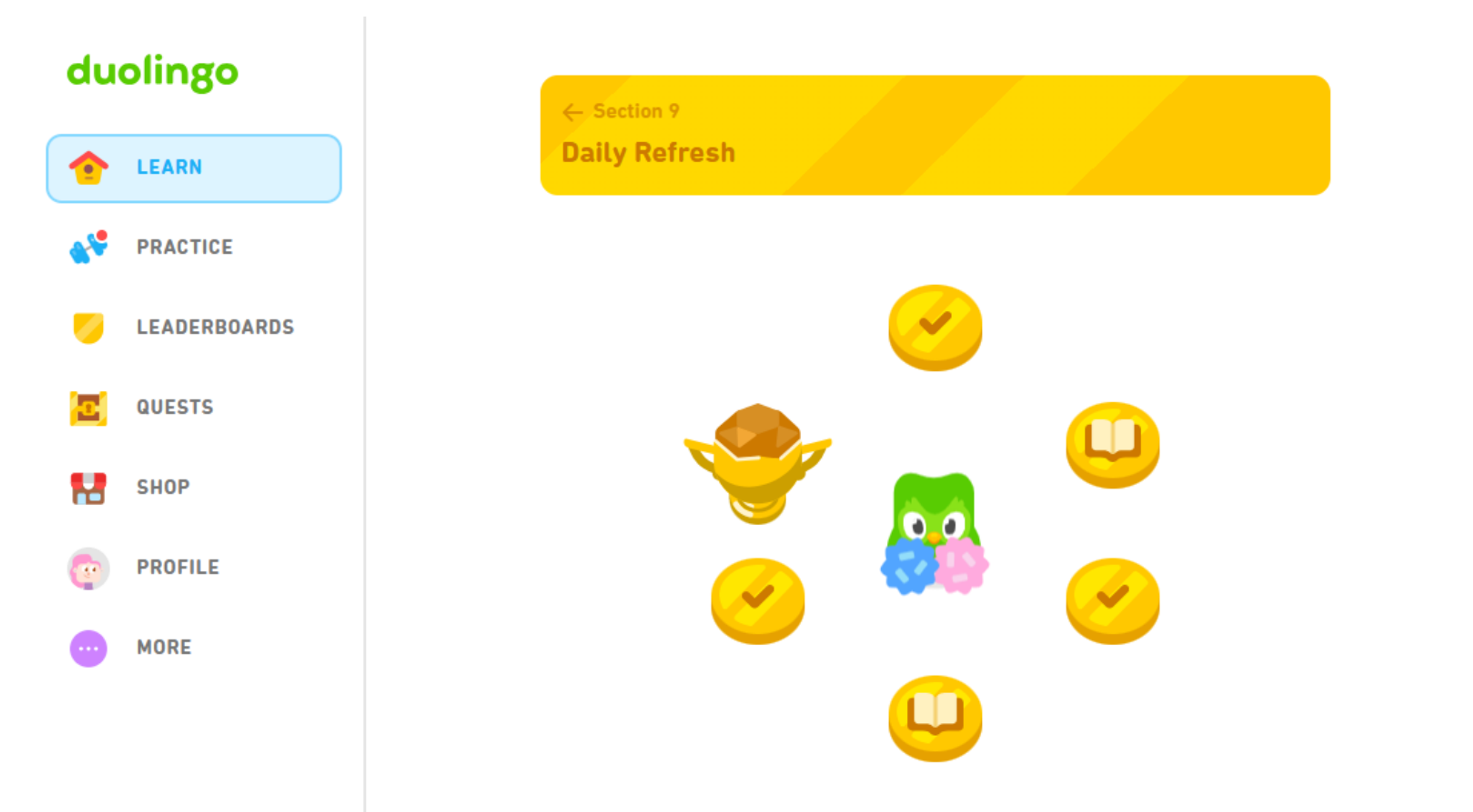
Duo may have a reputation for taking missed lessons a little too personally, but Duolingo's engagement strategy is hard to argue with.
The streak works because it turns a vague goal into a daily action people want to protect.
During a one-time Streak Revival event, 15.4 million learners revived their streaks. That level of participation shows how effectively Duolingo motivates users to maintain their learning habits.
Best for language learning platforms, fitness apps, and subscription services where gamification turns long-term personal goals into small, rewarding achievements, keeping users motivated to make regular progress.
Sephora
Customer engagement strategy: Creating a consistent brand experience across touchpoints.
Sephora maintains a consistent brand experience across physical stores, digital channels, and other customer touchpoints.
For example, its branded truck in Brickell, Miami, brings its black-and-white visual identity into public spaces, building brand recognition beyond traditional retail.
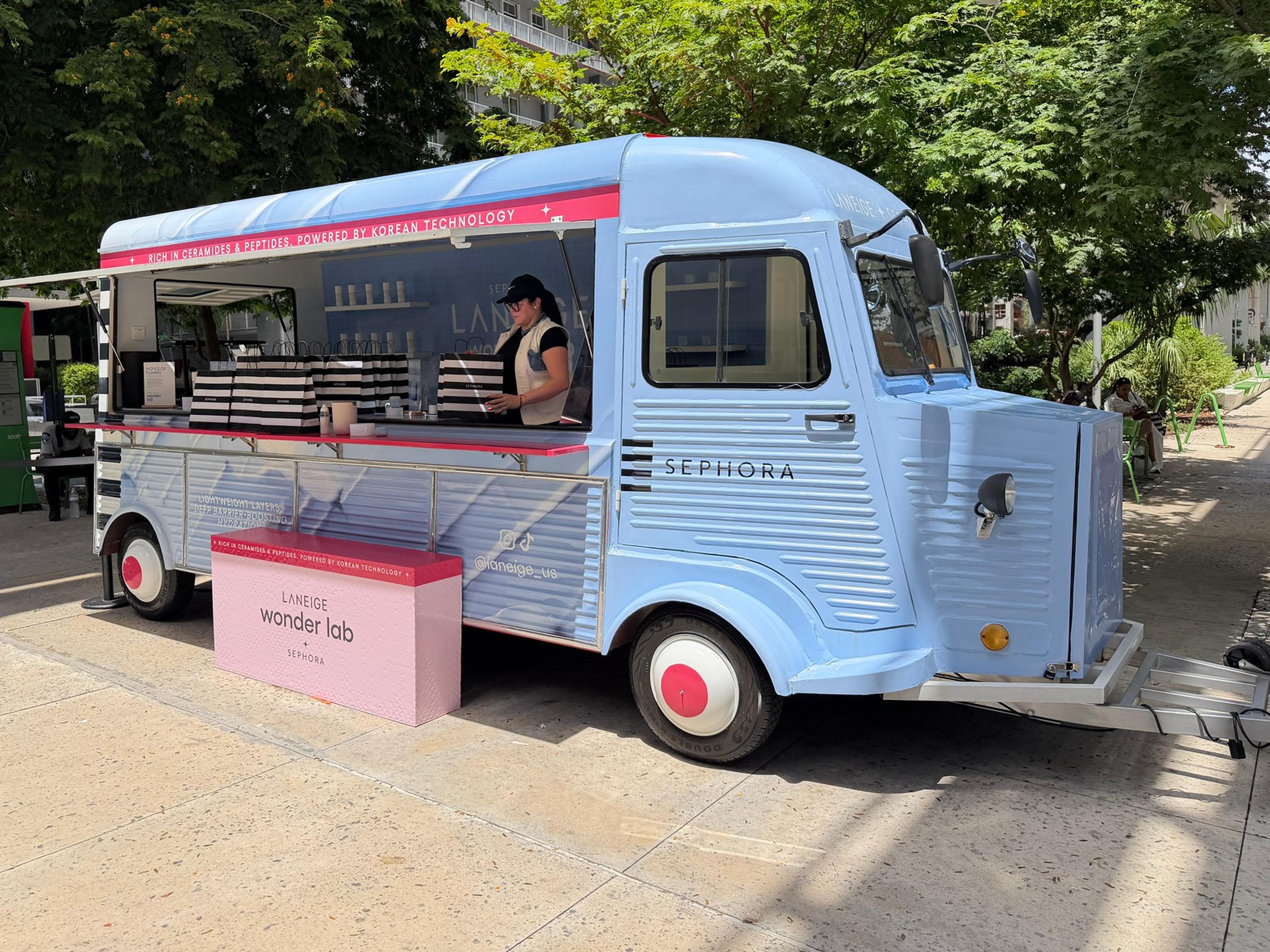
This reinforces Sephora's brand identity and makes the company recognizable wherever customers encounter it.
Best for retail and consumer brands with multiple physical and digital touchpoints, where consistent brand experiences build familiarity and trust and make customers more comfortable interacting with the brand across channels.
Strava
Customer engagement strategy: Building community around shared goals.
Strava builds community around shared fitness goals through its Strava Clubs feature. Athletes can join running crews, cycling teams, or brand communities to share activities, participate in group events, compare results on club leaderboards, and encourage each other with kudos.
Every run or ride becomes user-generated content that keeps the community active and gives members another reason to return.
IMG_3177.JPG by Thomas Kriese, CC BY 2.0 (cropped and enhanced)

Strava builds engagement through shared achievements and social recognition. In 2025, athletes gave 14 billion kudos, demonstrating active community participation.
Group activities extend these connections across online and offline channels. Businesses can measure engagement through club membership, posts, and event participation.
Best for fitness, lifestyle, and community-driven brands whose customers share interests or goals, where group activities, peer encouragement, and shared achievements create reasons to return and deepen engagement.
Yahoo Games
Customer engagement strategy: Engaging users before they even start playing.
The Yahoo Games portal makes browsing part of the entertainment through playful navigation and visual design. Working with Yahoo's internal Games team, we preserved the existing brand identity while adding a distinctive visual layer with clear categories, custom illustrations, icons, and an animated random game picker.
Yahoo Games' Brand-New Portal by Clay Global
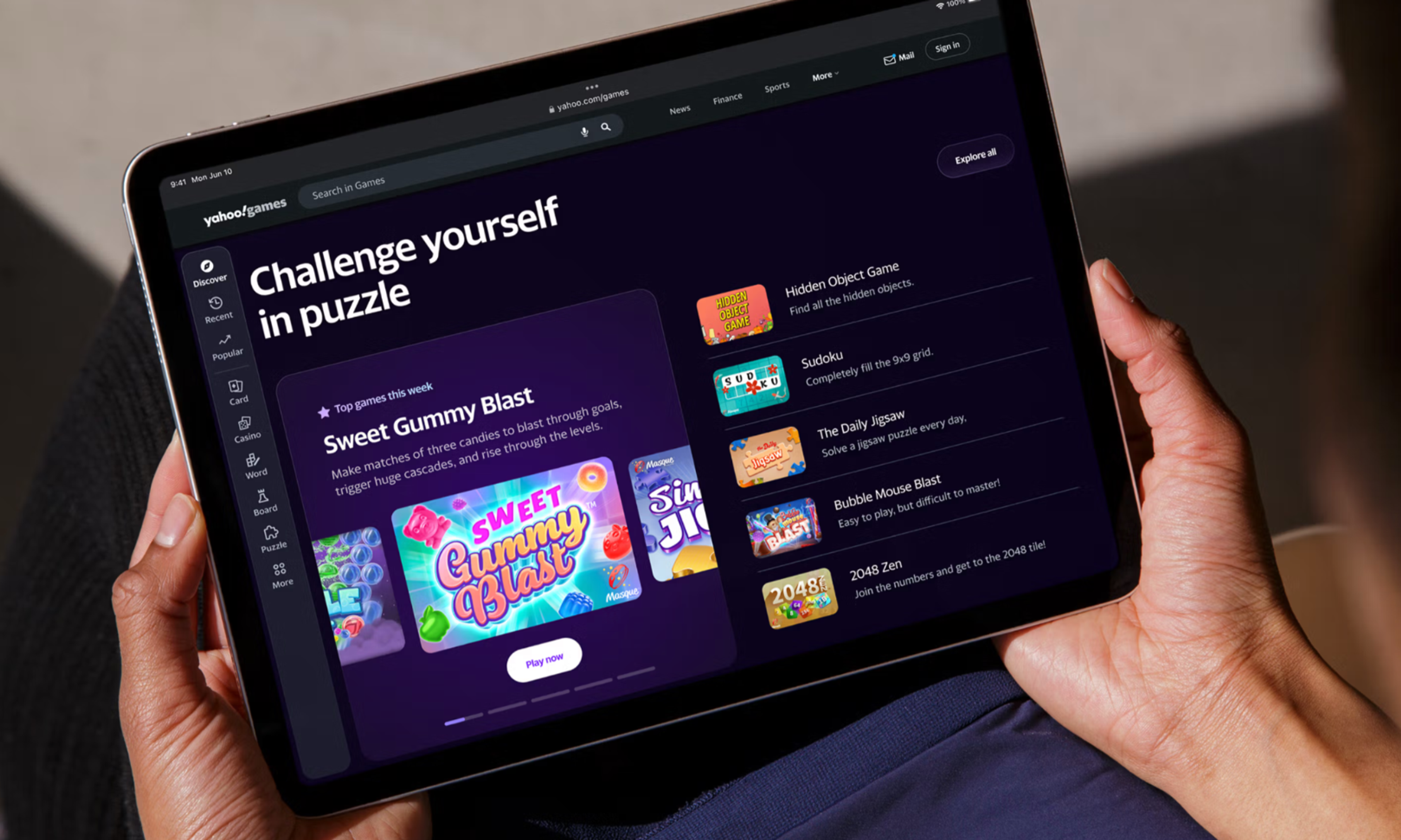
Large game catalogs can overwhelm users. Recognizable category cues and visual personality make it easier and more enjoyable to explore different games.
Unlike Duolingo's habit-building approach, this strategy encourages exploration. Track categories explored, games opened, and return visits along the customer journey.
Best for content catalogs, entertainment platforms, and marketplaces, where playful navigation and distinctive visual design make large collections easier to explore, spark curiosity, and keep users engaged.
Clay Global is a branding and UX design agency from San Francisco. We build brand identities that carry through every touchpoint, so customers recognize your brand in the app, on the website, and at the counter. See our work.
IKEA
Customer engagement strategy: Turning shopping into an interactive design experience.
IKEA turns furniture shopping into an interactive experience with IKEA Kreativ, a virtual room designer.
Customers can scan or photograph their rooms, remove existing furniture, and experiment with true-to-scale 3D products.
They can try different sofas, colors, and layouts and see how each option looks in their space before buying.

Big furniture purchases stall on two doubts. Will it fit, and will it look right?
Visualization answers both before checkout, which can build confidence and reduce the friction around big purchases people think over.
It stands out among digital customer engagement examples because the personalized experiences happen inside the customer's own room. Measure feature use, saved designs, and the share of sessions that end with items in a cart.
Best for furniture, home decor, and other retailers selling visual or high-consideration products, where interactive visualization encourages customers to explore more options, builds confidence in their choices, and keeps them engaged throughout the shopping journey.
Joe & The Juice
Customer engagement strategy: Making everyday purchases more rewarding and enjoyable.
Joe & The Juice makes everyday ordering more engaging through its mobile app, combining convenient purchases, loyalty rewards, and branded interactions. During our multi-year partnership, we designed its iOS and Android ordering and loyalty app.
The app connects brand imagery with a visual loyalty progress system, playful brand facts, digital gift cards, and animated order tracking.
Joe & The Juice Brand Experience and Loyalty App by Clay Global
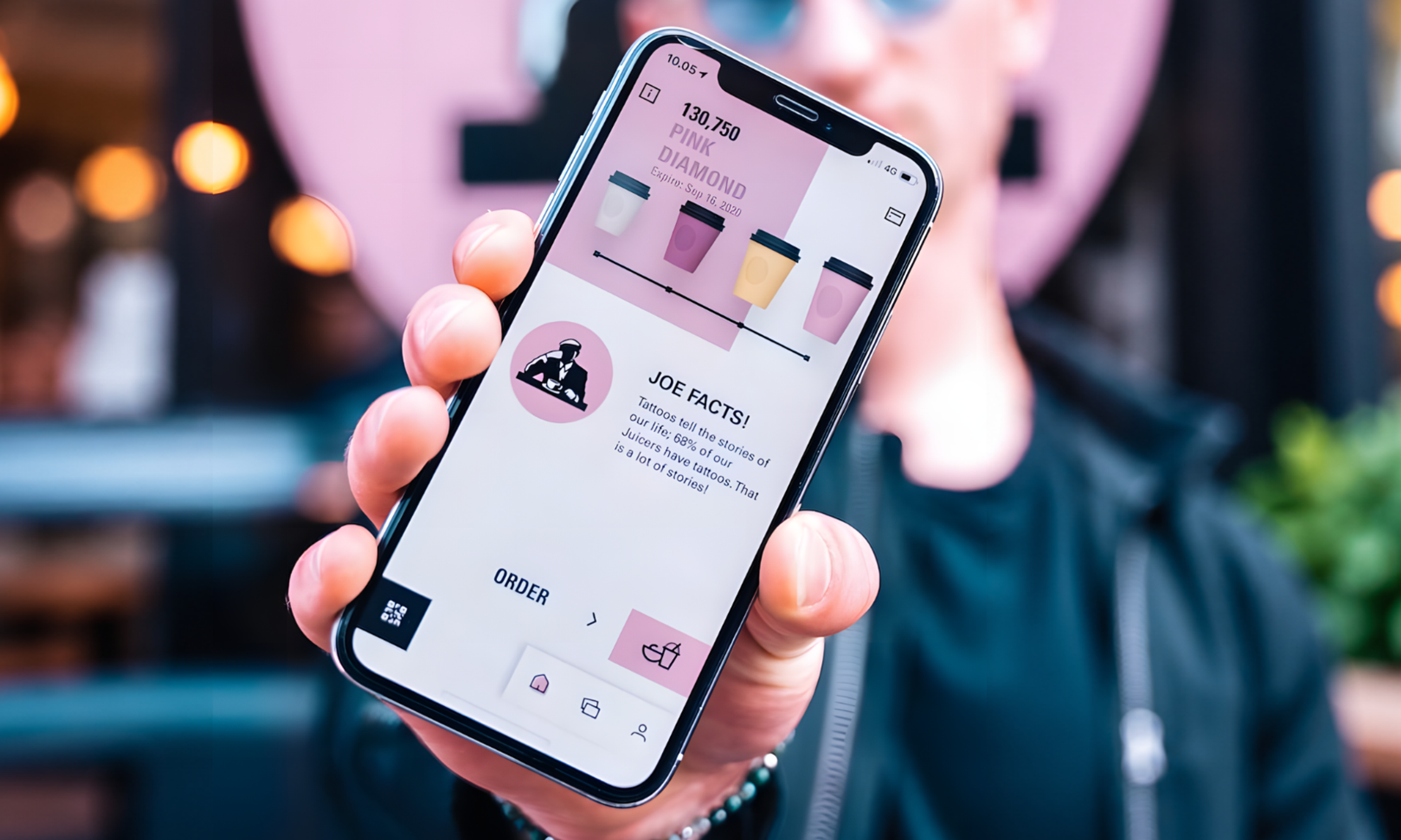
Visible rewards and playful content make the experience engaging beyond ordering. Combined with clear user flows, these consistent brand touches help customers feel valued and encourage repeat business.
Best for food, beverage, and retail brands with frequent purchases, where visible rewards and consistent brand experiences encourage customers to return.
Twitch
Customer engagement strategy: Turning passive viewers into active participants.
Twitch turns passive viewing into active participation through live chat, polls, predictions, and Channel Points. Viewers can interact with streamers, earn rewards, and influence what happens during a broadcast, making them part of the experience rather than just an audience.
Twitch takes community engagement even further with TwitchCon, where creators and fans meet in person.
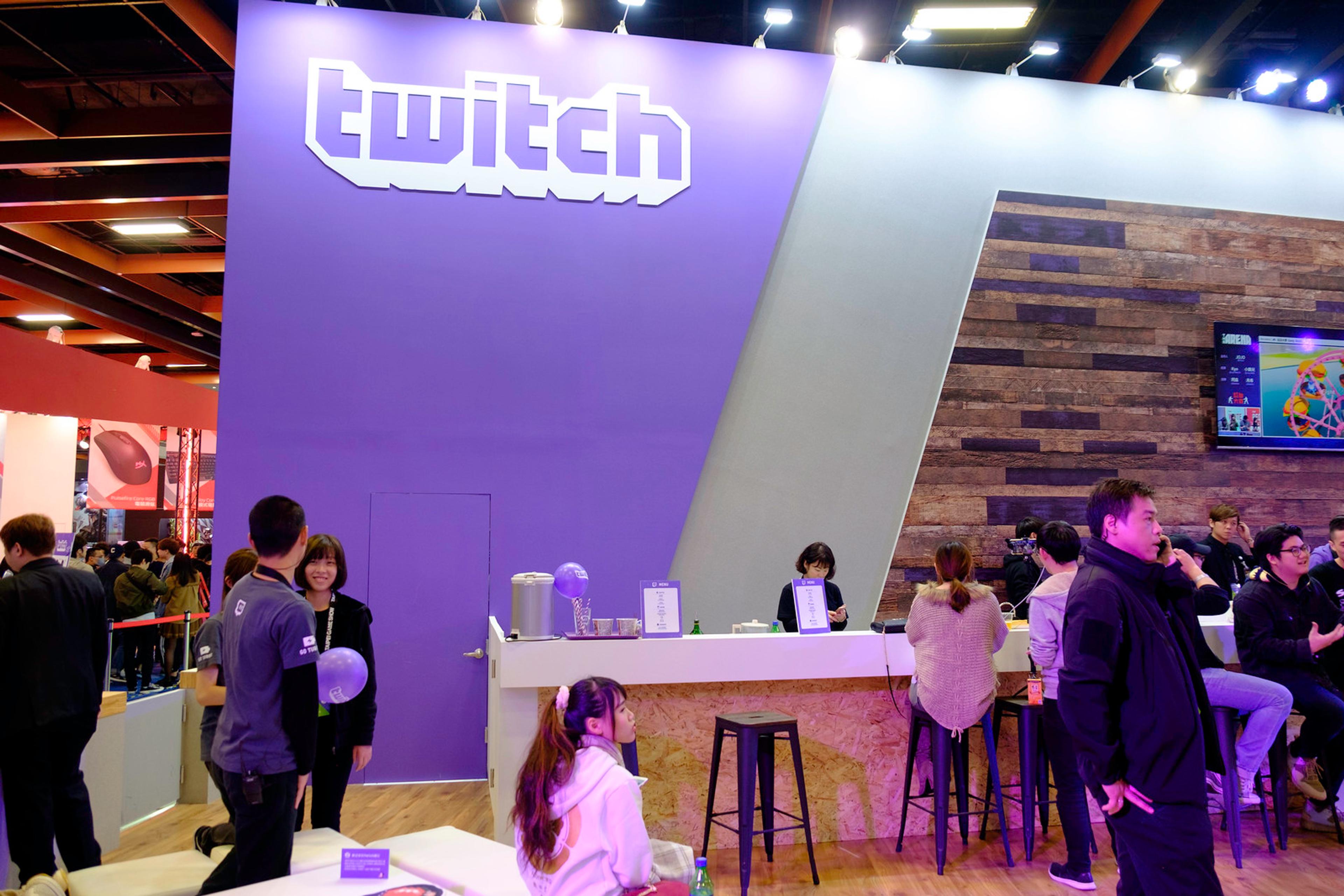
By combining digital interactions with physical events, Twitch strengthens community relationships and creates engaging brand experiences across multiple channels.
As an example of online customer engagement, it shows how audience participation can extend beyond individual broadcasts.
Best for gaming, entertainment, sports, education, and live commerce brands, where real-time interaction and community events encourage active participation and ongoing engagement.
Figma
Customer engagement strategy: Encouraging engagement through interactive learning.
Figma encourages hands-on learning through playground files in its Community. For example, its Advanced Prototyping Playground lets designers explore advanced features through practical examples.
Users experiment with variables, conditional logic, and expressions to create dynamic prototypes with fewer frames and connections, learning directly inside the product.
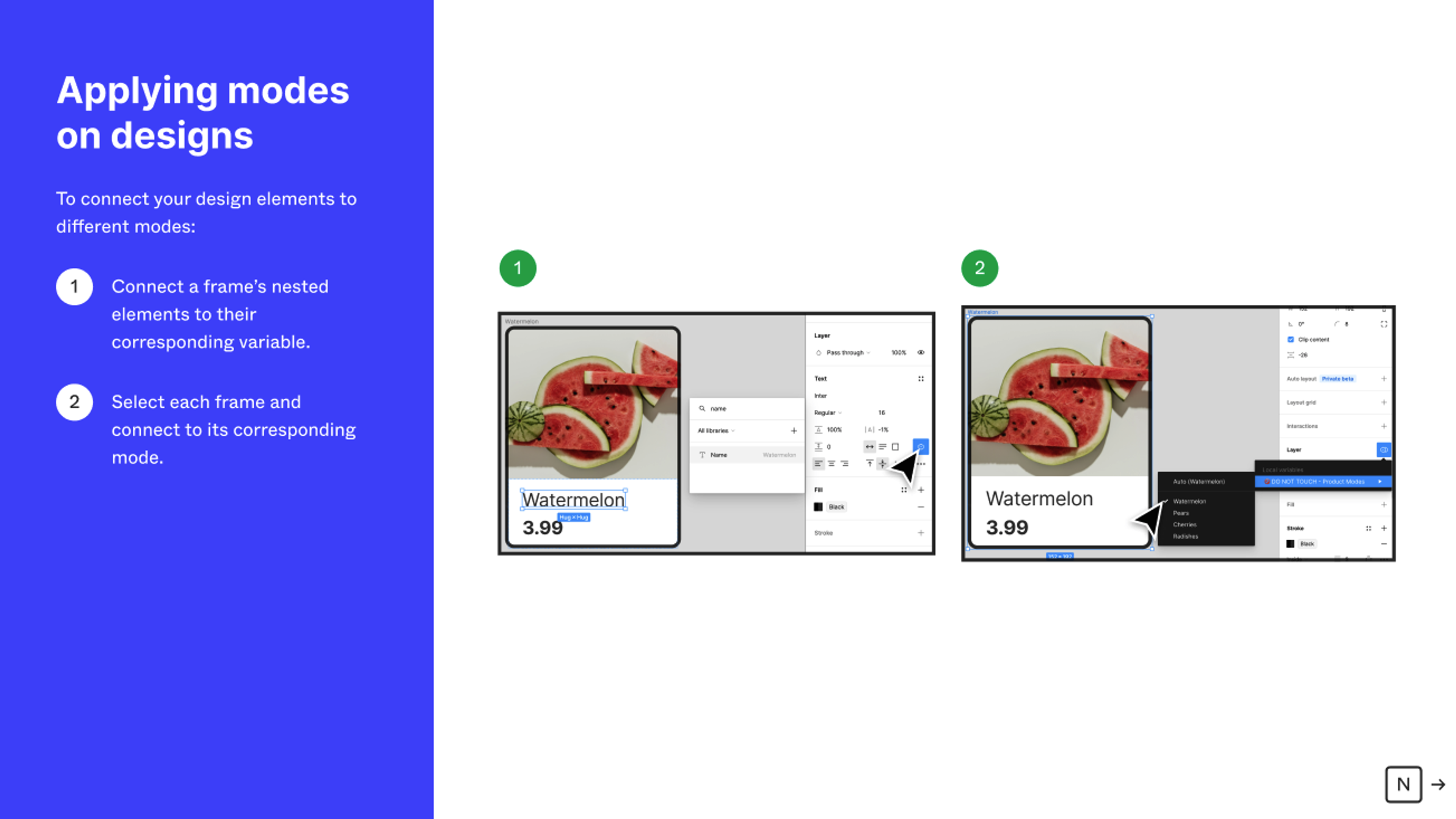
By making advanced features easier to explore, Figma helps users discover new capabilities and apply them to real projects. These reusable resources provide ongoing value, supporting product adoption and deeper engagement without requiring individual training.
Businesses can track feature adoption and repeat use to measure customer engagement.
Best for SaaS platforms, professional software, and creative tools, where hands-on experimentation helps users master complex features, discover more product value, and stay engaged over time.
How to Build a Customer Engagement Strategy
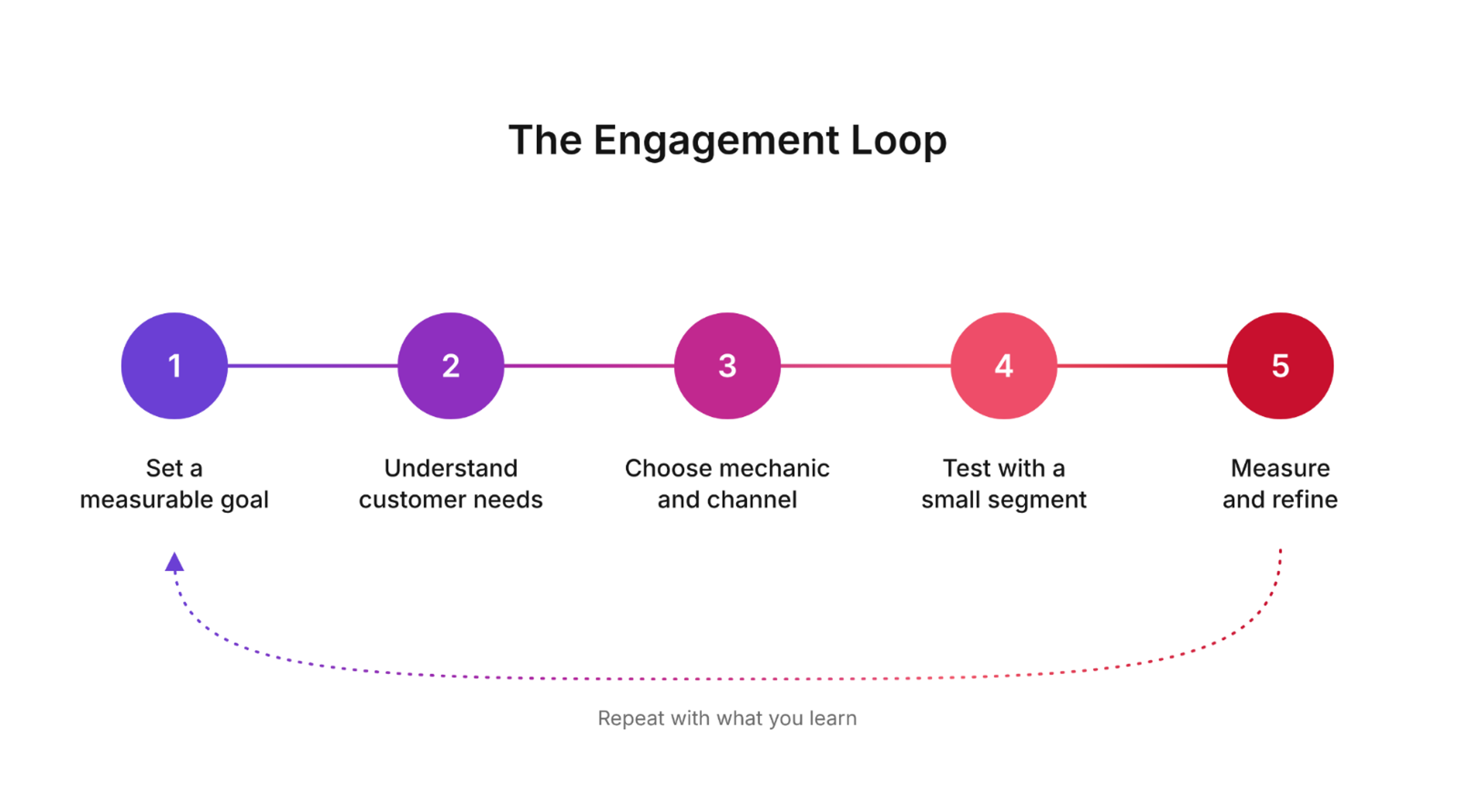
Start with a business goal and a defined audience. Then build your customer engagement strategy around five steps:
1.
Set a measurable goal such as retention, repeat purchases, or feature adoption.2.
Understand customer needs using feedback, product analytics, and journey drop-off points.3.
Choose the right mechanic and channel while keeping your brand voice consistent.4.
Test with a small customer segment and make the rules easy to understand.5.
Measure what changes and refine the experience based on results.
Five Steps That Repeat as You Learn
To foster customer engagement after the first sale, offer a useful follow-up: an onboarding tip, reorder reminder, or rewards update. The aim is to earn repeat business and word-of-mouth recommendations.
How to Measure Customer Engagement
Choose engagement metrics that match your strategy and business outcomes:
- Habit products: customer retention rate and returning users.
- Loyalty programs: repeat purchase rate and customer lifetime value.
- Communities: active members, interactions, and event participation.
- Interactive tools: feature adoption and subsequent actions.
- Discovery experiences: categories explored and items opened.
Use customer feedback surveys and Net Promoter Score to understand how customers feel.
Compare retention and spending against a fair baseline or comparable group, as in A/B testing, to distinguish participation from measurable business impact.
Want a brand customers recognize and return to? We can help you build a brand identity and carry it into every product experience your customers use. Contact us.
Read more
FAQ
What is the difference between customer engagement and customer experience?
Engagement describes the ongoing interactions a person chooses to have with your brand.
Experience is the overall impression they form across every touchpoint, and satisfaction is how they rate one specific interaction.
A good experience makes engagement more likely, and engagement gives you more chances to improve the experience.
What are the most effective types of customer engagement?
Loyalty programs, communities, personalization, interactive tools, and hands-on education all work when they fit the right context.
The most effective type matches how often your customers buy, what they want to achieve, and what they value most.
Why do some customer loyalty programs fail?
These programs break down for a handful of predictable reasons. The rules are confusing, the rewards feel worthless, or the program trains customers to wait for discounts.
Perks that ignore what people actually need fade fastest. Collect member feedback early, because most loyalty programs are far easier to fix before members learn the rules.
How can small businesses improve customer engagement?
Start with one focused tactic tied to one goal and one metric. A café might add a simple punch card and track repeat visits.
A B2B studio might send a check-in after onboarding and track renewals.
Adapt the principle behind the big brands at a size your team can run. When you need outside help, look for branding partners who tie their work to a metric you already track.
Can customer engagement happen offline?
Yes. Sephora's stores, Strava's presence at races, and the Joe & The Juice pickup screen that displays each customer's name all connect physical moments to digital ones.
Exceptional counter service builds loyalty too, as long as every channel recognizes the same customer.
Final Thoughts
Customer engagement grows when businesses give people practical reasons to return.
Streaks, rewards, communities, and interactive experiences encourage repeat interactions when they support real customer needs.
Branding and UX help make those experiences recognizable and easy to use. Track retention and repeat purchases to understand which strategies support long-term loyalty.


About Clay
Clay is a UI/UX design & branding agency in San Francisco. We team up with startups and leading brands to create transformative digital experience. Clients: Facebook, Slack, Google, Amazon, Credit Karma, Zenefits, etc.
Learn moreAbout Clay
Clay is a UI/UX design & branding agency in San Francisco. We team up with startups and leading brands to create transformative digital experience. Clients: Facebook, Slack, Google, Amazon, Credit Karma, Zenefits, etc.
Learn more